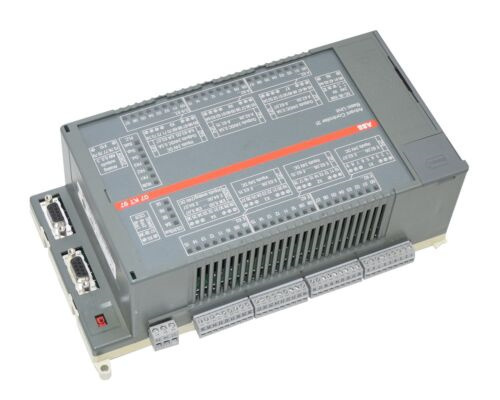
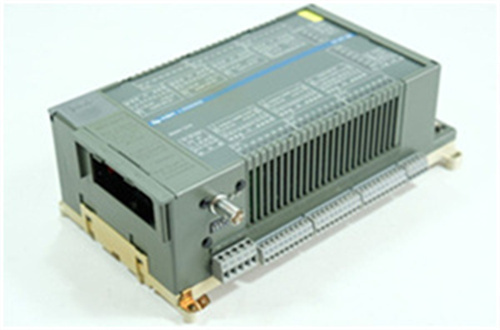
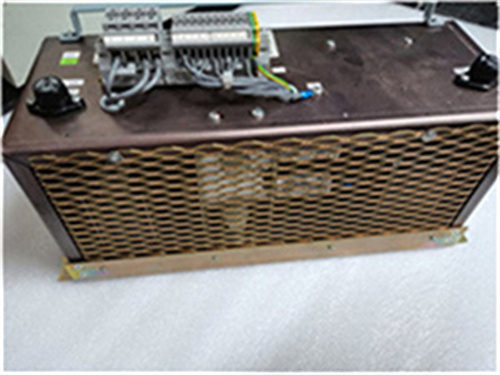
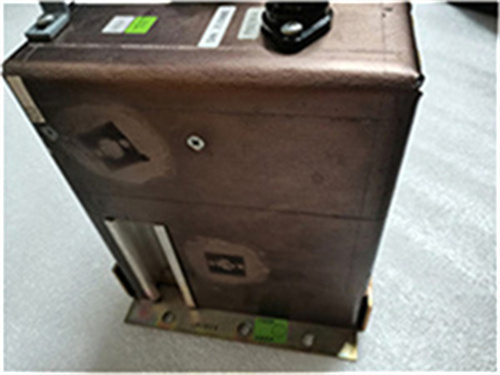
Model: ABB 07KT98.
Brand: ABB.
Voltage: 24V.
Control principle: May include collector voltage (Vc), base voltage (Vb), diode voltage (Vd) and step signal and other modes of operation.
Size and weight:
Size: The exact size may vary by model or version. One description is 170mm x 170mm, another description may refer to L x W as 170mm x 170mm, but note that these dimensions may not exactly correspond to the dimensions of the same product or the same batch.
Weight: Approximately 2KG.
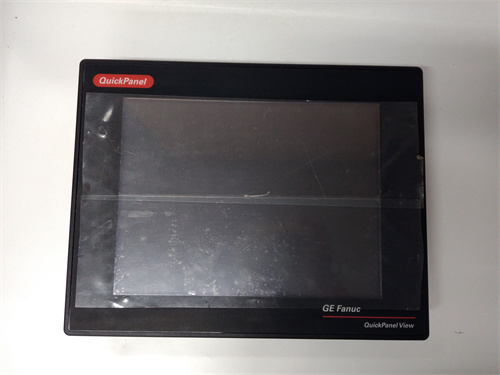
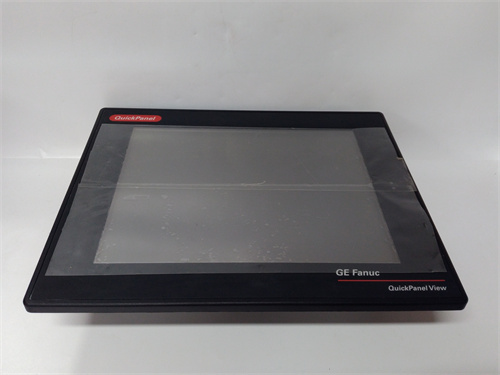
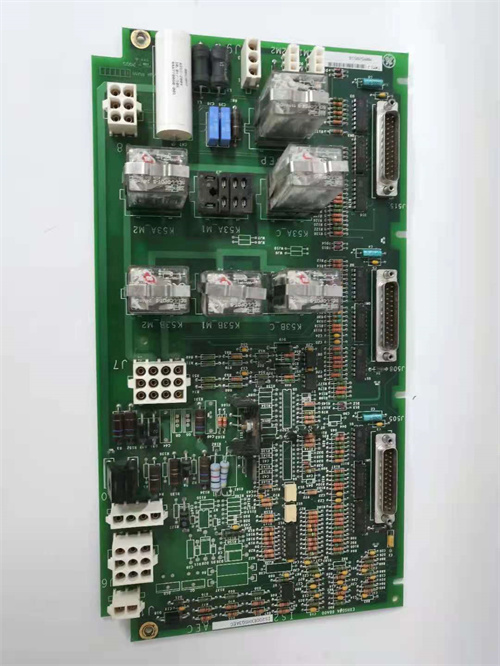
Model Number: IC754VSI06STD-LH
Brand: GE
Control Principle: Other
Purpose: Automation Control Display
Range: 110-210
Accuracy: 0.2-0.9
Dimensions: 12-50mm
Working Voltage: 220V
Output Frequency: 100kHz
Control principle: Use electric energy as power source.
Range: Has a specific range.
Accuracy: Having a specific level of accuracy.
Working environment temperature: can work in the environment of -40 to 100℃.
System capability: Powerful.
Operating voltage: Usually 220V or 24V.
Output frequency: For the governor, the output frequency can reach 60Hz or higher.
System environment: normal temperature.
Rated voltage: There may be a variety of specifications such as 220V/380V or 24V, depending on different products and application scenarios.
Current rating: May include various specifications such as 5A/1A.
Rated frequency: Possible 50Hz/60Hz.
Operating temperature: -20℃ to +50℃.
Protection level: IP20.
Communication interface: May include RS485 and other types, support Modbus RTU communication protocol.
Input: The ABB DSSA165‘s input is typically 120/220/230 VAC.
Output: The output is 24VDC 25A.
Security features: The component uses advanced encryption technology and security protocols to ensure the security of data transmission and storage.
Authentication and access control: Powerful authentication and access control functions.
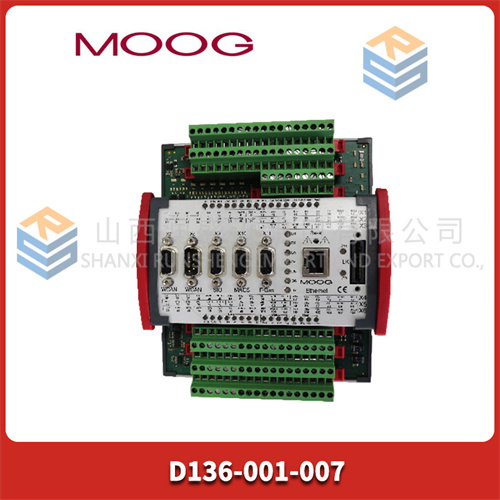
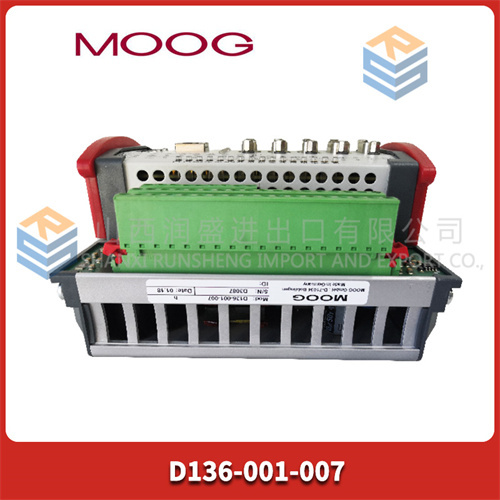
Model Number: MOOG D136-001-007
Processor Type: High-performance processor with floating-point unit
Memory: 4 MB Flash EEPROM for data maintenance
Communication Interface: Supports various communication protocols and fieldbus interfaces
Operating Temperature Range: +5°C to +55°C (operating) and -25°C to +70°C (storage)
Dimensions and Weight:
Dimensions (W x D x H): 160 x 170 x 85.5 mm (attachment size: W=149/154.5 mm)
Weight: Not specified, but generally lightweight for industrial automation applications
Number of Channels: 32 channels.
Switch Type: SPST (Single Pole, Single Throw).
Frequency Range: DC to 3 GHz.
Maximum Switching Speed: 100 operations per second.
Rated Current: 1 A.
Maximum Power: 15 W.
Operating Temperature: 0°C to +70°C.
Relative Humidity: 5% to 95% (non-coating).
Type: Spraying Robot Control Unit
Supported Data Retrieval Types: Raw, Downsampling (SmartSignal only), Interpolation, Current, Summation (Predix only), Average (Predix only)
Time Range Options: Supports Unix epoch, ISO8601, and relative time formats
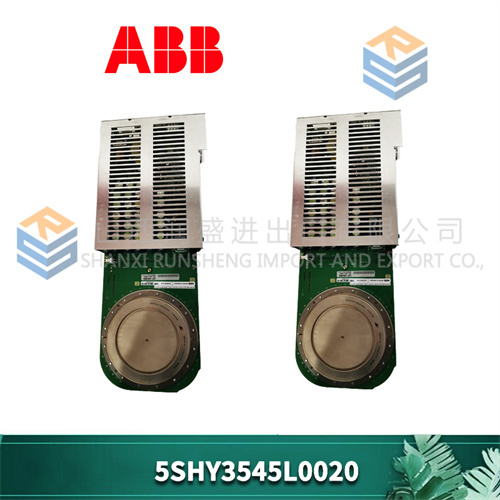
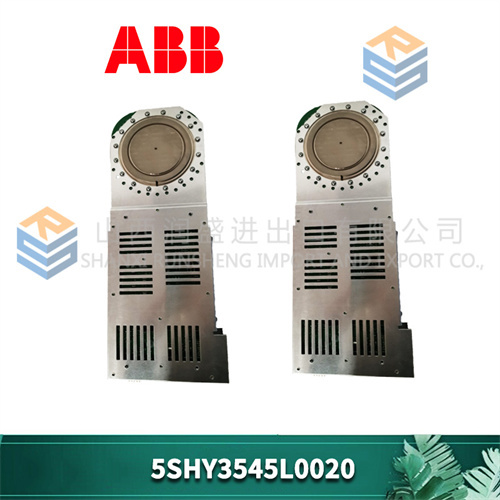
Model Number: 5SHY3545L0020
Manufacturer: ABB
Type of Device: Likely a component or module for automation or power systems
Dimensions and Weight:
Dimensions: According to some sources, the dimensions are approximately 120150116mm. However, please note that dimensions may vary depending on the specific application or version of the product.
Weight: The weight of the device is not specifically mentioned in the provided sources. It’s advisable to refer to ABB’s official documentation or contact their technical support for accurate weight information.
Input Voltage: Typically ranges from 4-20 mA.
Output Voltage: Typically ranges from 0-20mA.
Working Current: Typically ranges from 0-200mA.
Voltage: 24V.
Current: 100-400A.
Model and Series: The FBM02 belongs to the FBM series module of the FOXBORO brand.
Application: Suitable for industrial automation control system, especially DCS (distributed control system) and PLC (programmable logic controller) field.
Output signal: Analog signal can be output, such as 0-20mA or 4-20mA.
Accuracy: Usually has a high measurement and control accuracy.