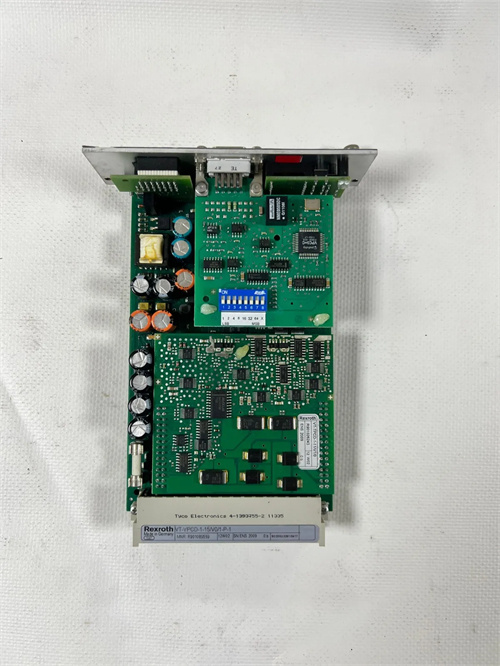
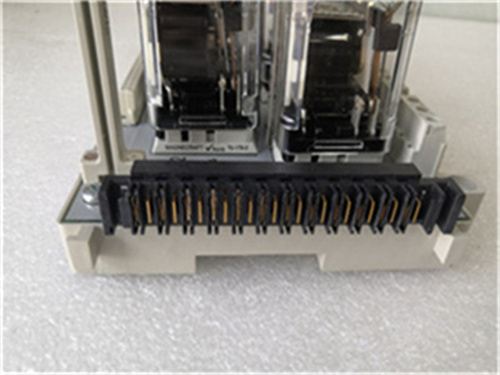
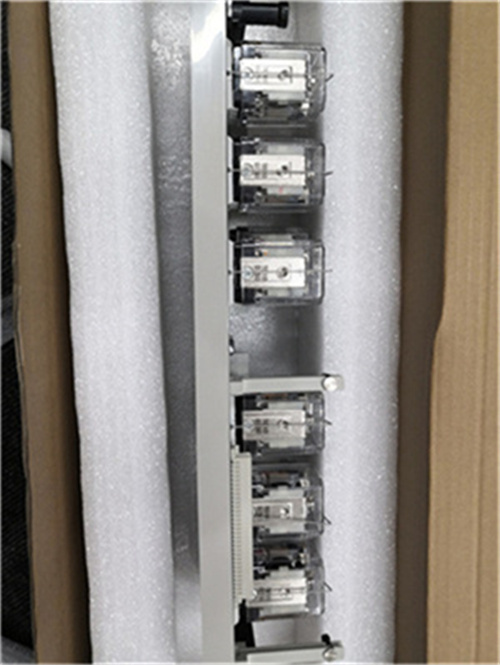
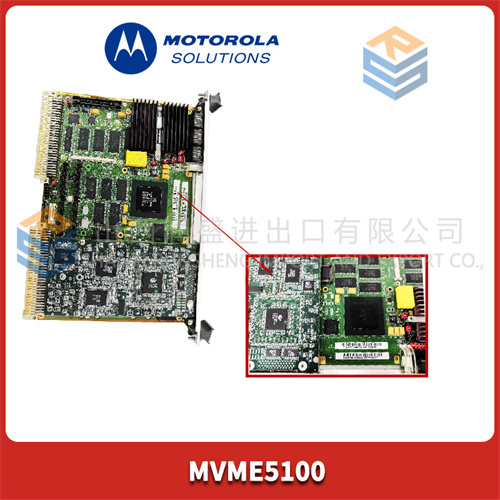
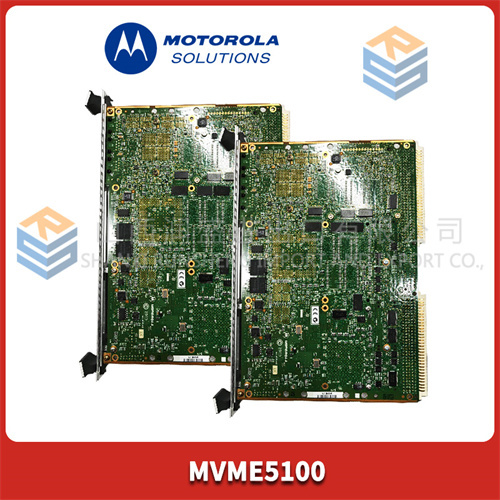
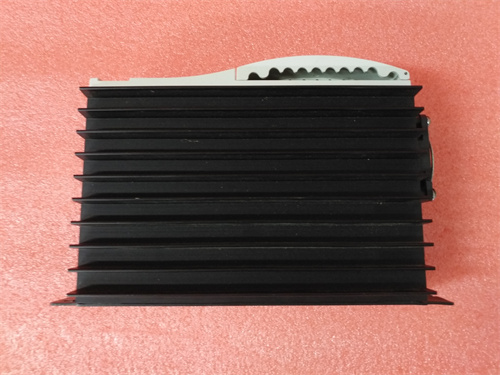
Категория: Вмешательная плата для промышленного автоматизации
Области применения:
Системы промышленного автоматизации
Процесс-контрольные системы
Системы управления и мониторинга
Автоматизированные системы управления энергосистемы
Примечание: Указанные спецификации и области применения могут меняться в зависимости от конкретного конфигурации и требований. Для получения точных данных, рекомендуется обратиться к производителю или поставщику.
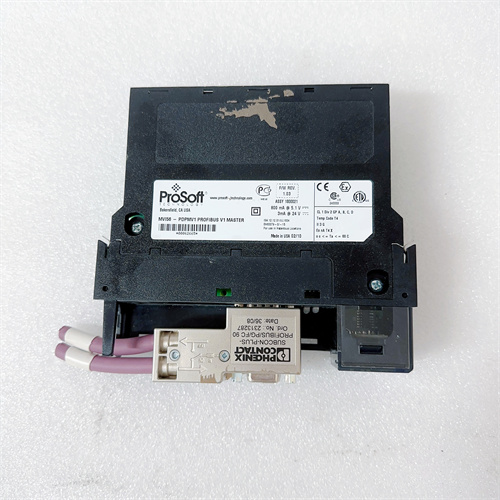
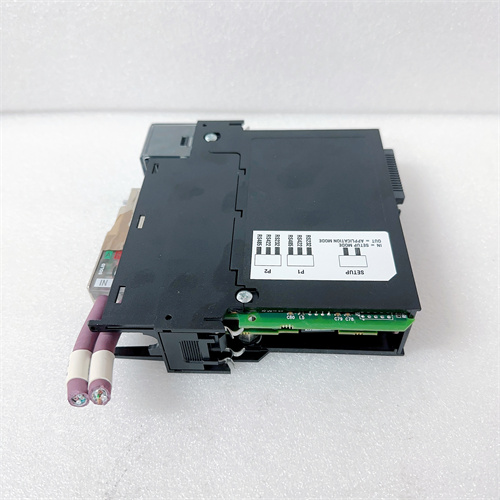
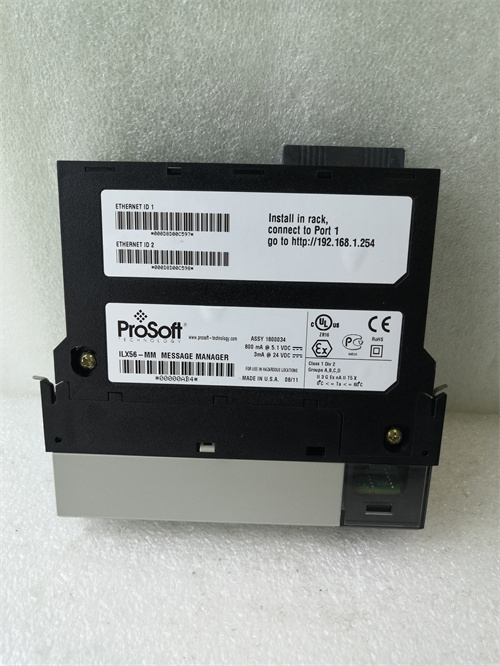
The PROSOFT 5301-MBP-DFCM appears to be a networking or communication device, possibly related to media conversion or data communication. As with other products, specific details may vary based on the manufacturer’s latest specifications. Here’s a general overview of the product parameters, specifications, and application areas for a similar type of device:
Product Parameters:
Interface Types: The type of network interfaces supported by the device, such as Ethernet, Fast Ethernet, Gigabit Ethernet, or Fiber Optic interfaces.
Media Conversion: The ability to convert between different media types or network protocols, such as copper to fiber or 10BaseT to 100BaseFX.
Data Transfer Rate: The maximum speed at which data can be transmitted and received through the device.
Protocol Support: The network protocols that the device supports, such as TCP/IP, UDP, ICMP, or specific industrial protocols.
Power Requirements: The voltage and current specifications for powering the device.
Operating Temperature: The range of temperatures within which the device can operate reliably.
Physical Dimensions: The dimensions of the device itself, including length, width, height, and weight.
Mounting Options: Whether the device is designed for rack-mounting, wall-mounting, or other types of installations.
The B&R NC154.60-2 is a controller module from B&R, a leading supplier of automation solutions. This product is typically used in industrial automation systems for various control and monitoring tasks. Here is a brief overview of its product parameters, specifications, and application areas:
Product Parameters:
Processor Type: Specifies the type of processor used in the NC154.60-2, which determines its processing power and capabilities.
Operating System: The software platform that powers the NC154.60-2 and supports its various functions and applications.
Memory: The amount and type of memory available on the NC154.60-2 for storing data and executing programs.
I/O Interfaces: The number and types of input/output interfaces supported by the NC154.60-2 for connecting to sensors, actuators, and other devices.
Expansion Options: Whether the NC154.60-2 supports expansion modules or additional cards for expanded functionality.
Power Requirements: The voltage and current specifications for powering the NC154.60-2.
Specifications:
Control Capabilities: The NC154.60-2’s abilities in terms of logic control, motion control, and process control.
The GE DS200DCFBG1BNC appears to be a security camera or a similar video surveillance device. Without direct access to the latest product specifications from GE, I can provide a general overview of the types of parameters, specifications, and application areas that are typically associated with such products. Please note that the specific details may vary for the DS200DCFBG1BNC model.
Product Parameters:
Image Sensor: The type and resolution of the image sensor, such as a CMOS or CCD sensor, and its maximum resolution (e.g., 1080p, 4K).
Lens: The type of lens, its focal length, aperture range, and whether it’s fixed or variable focus.
Field of View (FOV): The angular extent of the scene that can be seen through the camera’s lens.
Minimum Illumination: The lowest level of light intensity at which the camera can still produce a usable image.
Dynamic Range: The ability of the camera to capture both very bright and very dark areas in a scene without过度曝光或过度阴影.
Low-Light Performance: How well the camera performs in dimly lit environments.
Electronic Shutter Speed: The range of shutter speeds available to control exposure time.
White Balance: How the camera compensates for different color temperatures of light sources to produce natural-looking colors.
Signal Output: The type of video signal output, such as analog CVBS, digital HDMI, or IP streaming.
TRICONEX 4351B is a safety and control system module, typically used in critical industrial applications for safety-related control functions. Here is a brief overview of its product parameters, specifications, and application areas:
Product Parameters:
Processor Type: Specifies the type of processor used within the module, which determines its processing power and efficiency.
Operating System: The software platform that powers the module and supports its various functions.
Input/Output Channels: The number of analog, digital, and safety-related input/output channels supported by the module.
Communication Interfaces: The communication protocols and interfaces supported by the module for networking and data exchange with other devices or systems.
Power Requirements: The voltage and current specifications for powering the module.
Specifications:
Safety Integrity Level (SIL): The level of safety integrity that the module is designed to achieve, which is typically defined based on international safety standards such as IEC 61508.
Failure Detection Time (FDT): The time taken by the module to detect a fault or failure within itself or its associated components.
Diagnostic Coverage: The percentage of faults or failures that the module is capable of detecting and reporting.
ABB PM866 is a programmable motion controller that is designed for precise motion control applications. Here is a brief overview of its product parameters, specifications, and application areas:
Product Parameters:
Processor Speed: Specifies the speed of the internal processor, which affects the overall processing and response time of the controller.
Memory: The amount of internal memory available for storing programs, data, and other information.
I/O Interfaces: The number and types of input/output interfaces, such as analog and digital inputs/outputs, that allow the controller to interface with external devices and sensors.
Communication Protocols: Supported communication protocols, such as Ethernet, RS-232, or Profibus, that enable the controller to communicate with other devices or systems.
Power Supply: The voltage and current requirements for powering the controller.