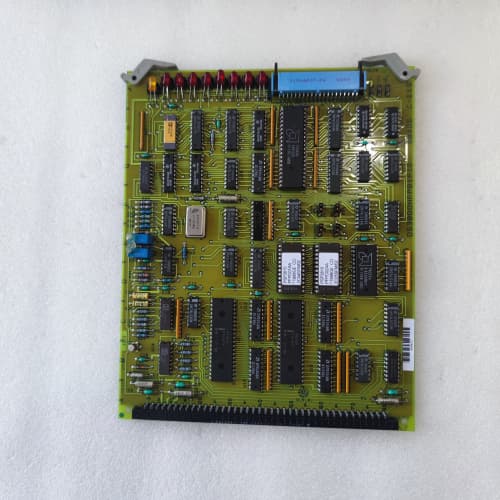
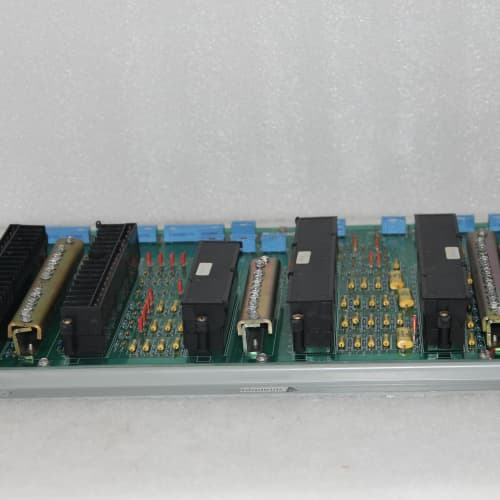
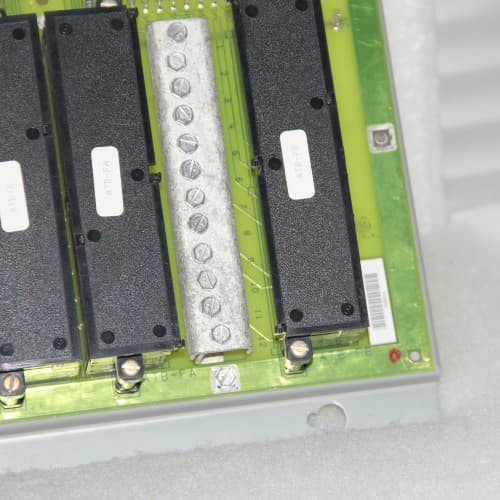
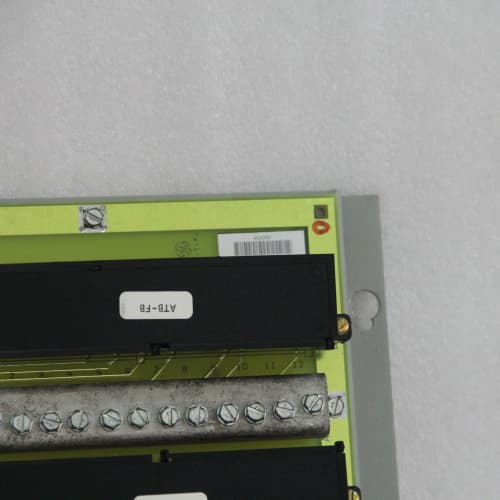
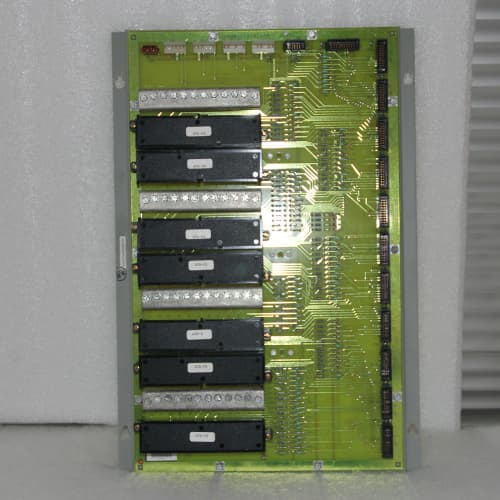
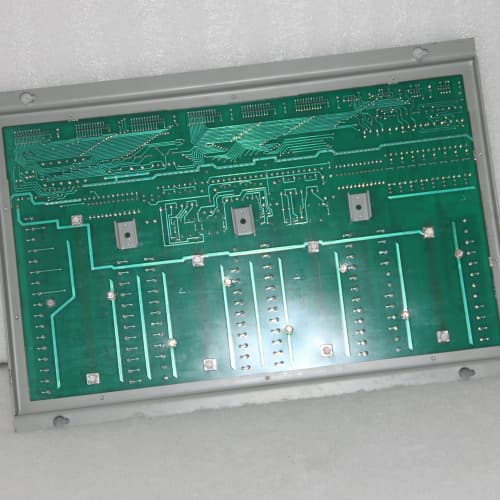
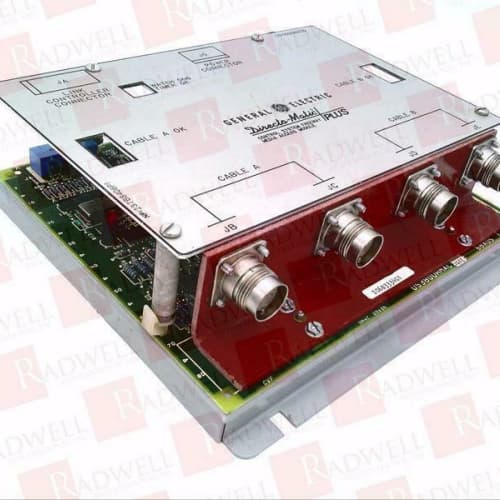
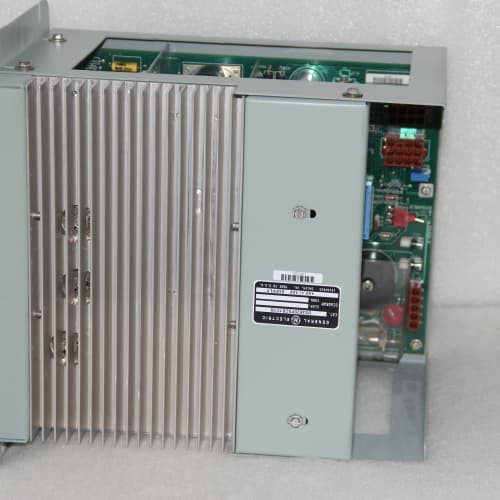
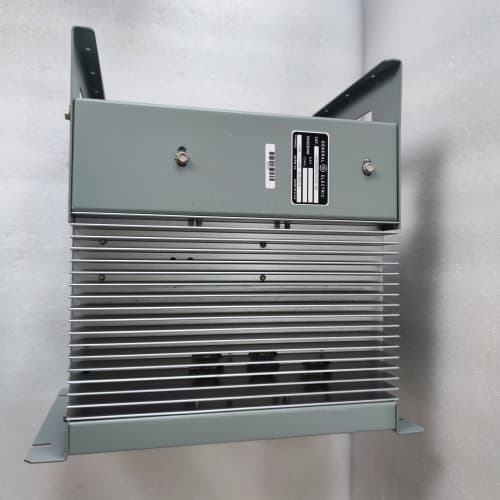
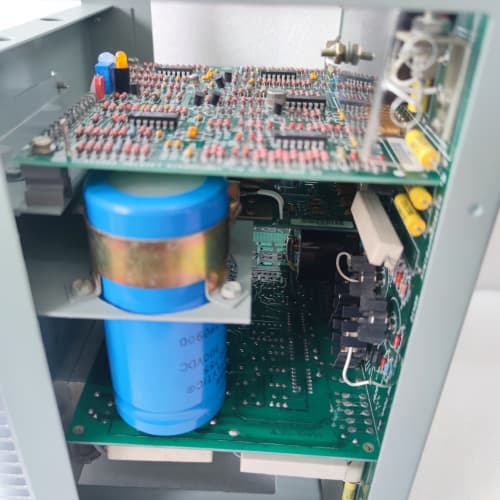
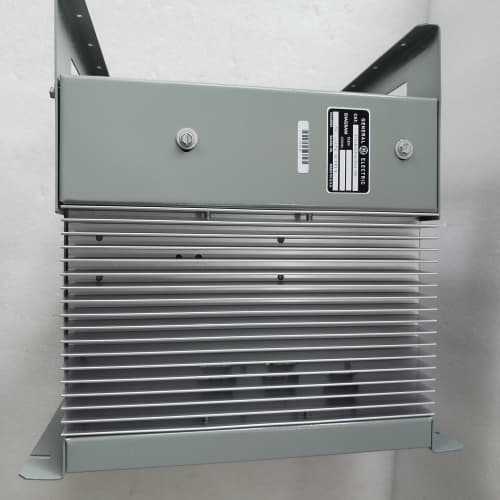
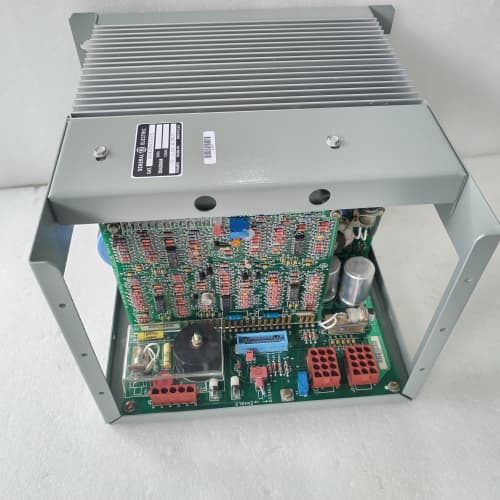
The DS3800NTSA1B1A is a power supply/converter board from GE’s Speedtronic Mark IV/V turbine control series. This model belongs to the “NTSA” family—a temperature‑compensated power interface with system analytics designed for high‑availability precision power distribution with integrated system‑level analytics, diagnostic features, and predictive insights. The “1B1A” suffix indicates a higher‑performance revision within the NTSA family, offering increased output capacity, enhanced analytics, and improved diagnostics compared to the baseline NTSA. The DS3800NTSA1B1A combines power conversion, precision temperature compensation (< 50 ppm/°C), system monitoring, system‑level analytics, and diagnostic reporting for critical instrumentation applications. This board is typically installed in instrumentation cabinets, calibration labs, or critical measurement racks where temperature stability and system‑level analytics are required.
The DS3800NTSA is a power supply/converter board from GE’s Speedtronic Mark IV/V turbine control series. This model belongs to the “NTSA” family—a temperature‑compensated power interface with system analytics designed for high‑availability precision power distribution with integrated system‑level analytics, diagnostic features, and predictive insights. The “NTSA” suffix indicates a specialized board that combines power conversion, precision temperature compensation (< 50 ppm/°C), system monitoring, system‑level analytics, and diagnostic reporting for critical instrumentation applications. The DS3800NTSA provides regulated +5 VDC and ±15 VDC outputs with low temperature drift while actively monitoring system health, performing system‑level analytics, and communicating status to the main CPU. This board is typically installed in instrumentation cabinets, calibration labs, or critical measurement racks where temperature stability and system‑level analytics are required.
The DS3800NTRF1F1E is a power supply/converter board from GE’s Speedtronic Mark IV/V turbine control series. This model belongs to the “NTRF” family—a temperature‑compensated power interface with redundant inputs and enhanced diagnostics designed for high‑availability precision power distribution with integrated redundant input failover, enhanced diagnostic features, and predictive analytics. The “1F1E” suffix indicates a high‑performance revision within the NTRF family, offering increased output capacity, enhanced temperature compensation, improved redundancy management, and advanced diagnostic capabilities. The DS3800NTRF1F1E combines dual input redundancy, precision temperature compensation (< 30 ppm/°C), system monitoring, diagnostic reporting, predictive failure analytics, and event logging for critical instrumentation applications requiring maximum availability and temperature stability. This board is typically installed in critical instrumentation cabinets, calibration labs, or safety‑related measurement racks where both power continuity and temperature stability are essential.
The DS3800NTIA1A1B is a power supply/converter board from GE’s Speedtronic Mark IV/V turbine control series. This model belongs to the “NTIA” family—a temperature‑compensated power interface with industrial analytics designed for high‑availability precision power distribution with integrated industrial analytics, diagnostic features, and predictive insights. The “1A1B” suffix indicates a higher‑performance revision within the NTIA family, offering increased output capacity, enhanced analytics, and improved diagnostics compared to the baseline NTIA. The DS3800NTIA1A1B combines power conversion, precision temperature compensation (< 50 ppm/°C), system monitoring, industrial analytics, and diagnostic reporting for critical instrumentation applications. This board is typically installed in instrumentation cabinets, calibration labs, or critical measurement racks where temperature stability and industrial analytics are required.
The DS3800NTIA1A1A is a power supply/converter board from GE’s Speedtronic Mark IV/V turbine control series. This model belongs to the “NTIA” family—a temperature‑compensated power interface with industrial analytics designed for high‑availability precision power distribution with integrated industrial analytics, diagnostic features, and predictive insights. The “1A1A” suffix indicates the baseline revision of this product family. The DS3800NTIA1A1A combines power conversion, precision temperature compensation (< 50 ppm/°C), system monitoring, industrial analytics, and diagnostic reporting for critical instrumentation applications. This board is typically installed in instrumentation cabinets, calibration labs, or critical measurement racks where temperature stability and industrial analytics are required.
The DS3800NTIA is a power supply/converter board from GE’s Speedtronic Mark IV/V turbine control series. This model belongs to the “NTIA” family—a temperature‑compensated power interface with industrial analytics designed for high‑availability precision power distribution with integrated industrial analytics, diagnostic features, and predictive insights for critical industrial applications. The “NTIA” suffix indicates a specialized board that combines power conversion, precision temperature compensation (< 50 ppm/°C), system monitoring, industrial analytics, and diagnostic reporting for critical instrumentation applications. The DS3800NTIA provides regulated +5 VDC and ±15 VDC outputs with low temperature drift while actively monitoring system health, performing industrial analytics, and communicating status to the main CPU. This board is typically installed in instrumentation cabinets, calibration labs, or critical measurement racks where temperature stability and industrial analytics are required.
The DS3800NTEA1A1A is a power supply/converter board from GE’s Speedtronic Mark IV/V turbine control series. This model belongs to the “NTEA” family—a temperature‑compensated power interface with enhanced analytics designed for high‑availability precision power distribution with integrated advanced analytics, diagnostic features, and predictive insights. The “1A1A” suffix indicates the baseline revision of this product family. The DS3800NTEA1A1A combines power conversion, precision temperature compensation (< 50 ppm/°C), system monitoring, diagnostic reporting, and advanced analytics for critical instrumentation applications. This board is typically installed in instrumentation cabinets, calibration labs, or critical measurement racks where temperature stability and performance analytics are required.
The DS3800NTEA is a power supply/converter board from GE’s Speedtronic Mark IV/V turbine control series. This model belongs to the “NTEA” family—a temperature‑compensated power interface with enhanced analytics designed for high‑availability precision power distribution with integrated advanced analytics, diagnostic features, and predictive insights. The “NTEA” suffix indicates a specialized board that combines power conversion, precision temperature compensation (< 50 ppm/°C), system monitoring, diagnostic reporting, and advanced analytics for critical instrumentation applications. The DS3800NTEA provides regulated +5 VDC and ±15 VDC outputs with low temperature drift while actively monitoring system health, performing analytics on performance data, and communicating status to the main CPU. This board is typically installed in instrumentation cabinets, calibration labs, or critical measurement racks where temperature stability and performance analytics are required.
The DS3800NTDL is a power supply/converter board from GE’s Speedtronic Mark IV/V turbine control series. This model belongs to the “NTDL” family—a temperature‑compensated power interface with data logging and advanced diagnostics designed for high‑availability precision power distribution with integrated data logging, enhanced diagnostic features, and predictive analytics. The “L” suffix indicates a high‑performance variant within the NTD family, offering increased output capacity, enhanced temperature compensation, improved diagnostics, and advanced data logging capabilities. The DS3800NTDL provides regulated +5 VDC and ±15 VDC outputs with ultra‑low temperature drift (< 25 ppm/°C) while actively monitoring system health, performing predictive failure analytics, logging performance data, and communicating status to the main CPU. This board is typically installed in instrumentation cabinets, calibration labs, or critical measurement racks where temperature stability, diagnostics, and data logging are required.
The DS3800NTCF1C1C is a power supply/converter board from GE’s Speedtronic Mark IV/V turbine control series. This model belongs to the “NTCF” family—a temperature‑compensated power interface with communications and enhanced diagnostics designed for high‑availability precision power distribution with integrated communication capabilities, enhanced diagnostic features, and predictive analytics. The “1C1C” suffix indicates a minor revision update within the NTCF1C sub‑family, incorporating component sourcing changes and manufacturing refinements while maintaining the same enhanced performance as the 1C1B. The DS3800NTCF1C1C combines power conversion, precision temperature compensation (< 25 ppm/°C), system monitoring, diagnostic reporting, predictive failure analytics, event logging, and secure communication interfaces for critical instrumentation applications. This revision is a direct drop‑in replacement for the 1C1B, offering identical form, fit, and function with updated component selections for improved long‑term availability.
The DS3800NTCF1C1B is a power supply/converter board from GE’s Speedtronic Mark IV/V turbine control series. This model belongs to the “NTCF” family—a temperature‑compensated power interface with communications and enhanced diagnostics designed for high‑availability precision power distribution with integrated communication capabilities, enhanced diagnostic features, and predictive analytics. The “1C1B” suffix indicates a further enhanced revision within the NTCF family, offering increased output capacity, enhanced temperature compensation, improved diagnostics, and advanced communication capabilities compared to the 1B1B revision. The DS3800NTCF1C1B combines power conversion, precision temperature compensation (< 25 ppm/°C), system monitoring, diagnostic reporting, predictive failure analytics, event logging, and communication interfaces for critical instrumentation applications. This board is typically installed in instrumentation cabinets, calibration labs, or critical measurement racks where temperature stability, diagnostics, and communication are required.
The DS3800NTCF1B1B is a power supply/converter board from GE’s Speedtronic Mark IV/V turbine control series. This model belongs to the “NTCF” family—a temperature‑compensated power interface with communications and enhanced diagnostics designed for high‑availability precision power distribution with integrated communication capabilities, enhanced diagnostic features, and predictive analytics. The “1B1B” suffix indicates a higher‑performance revision within the NTCF family, offering increased output capacity, enhanced temperature compensation, improved diagnostics, and advanced communication capabilities compared to the baseline NTCF. The DS3800NTCF1B1B combines power conversion, precision temperature compensation (< 30 ppm/°C), system monitoring, diagnostic reporting, predictive failure analytics, event logging, and communication interfaces for critical instrumentation applications. This board is typically installed in instrumentation cabinets, calibration labs, or critical measurement racks where temperature stability, diagnostics, and communication are required.