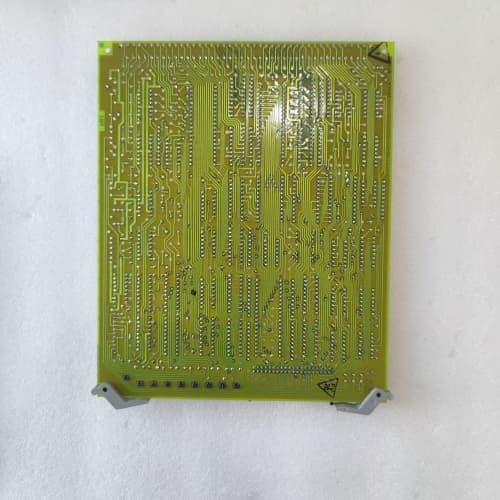
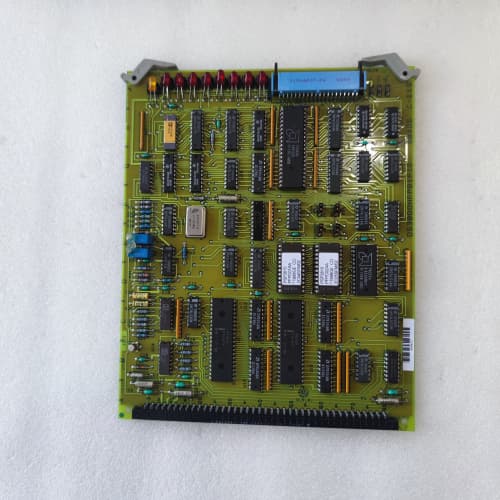
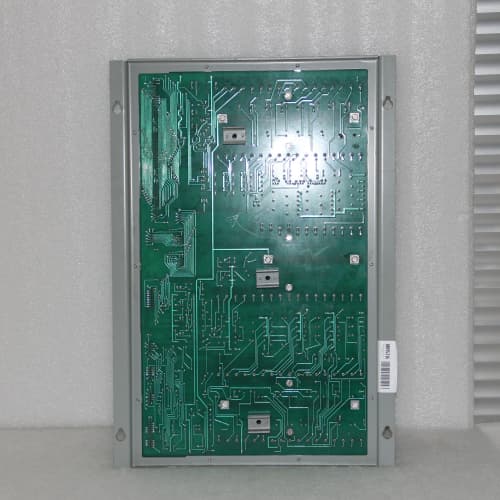
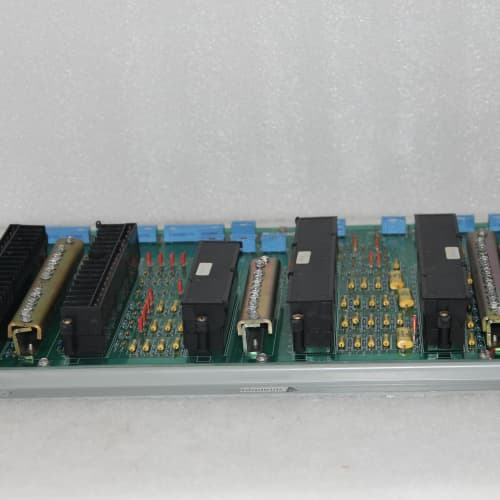
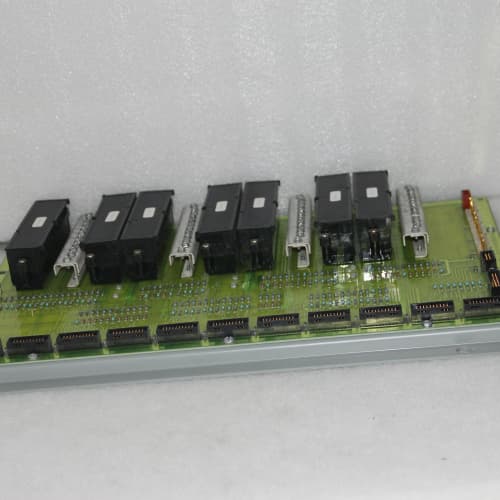
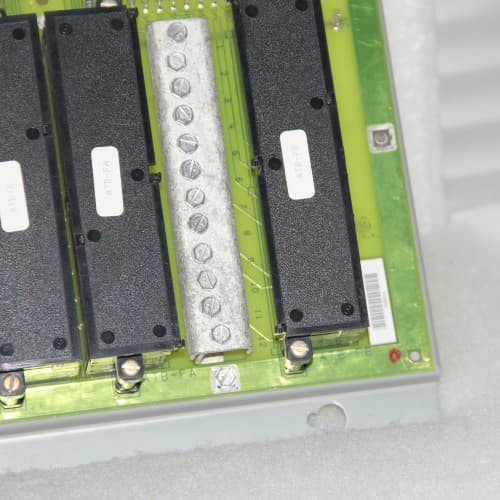
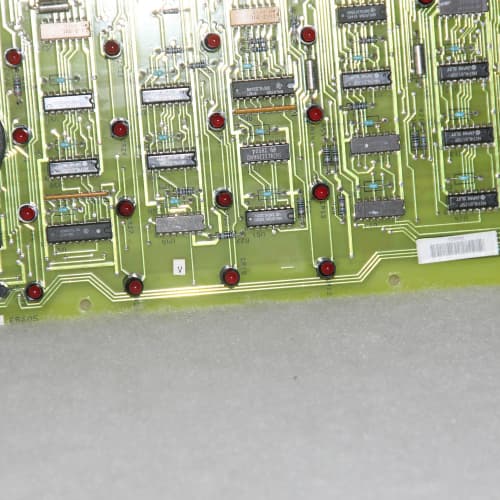
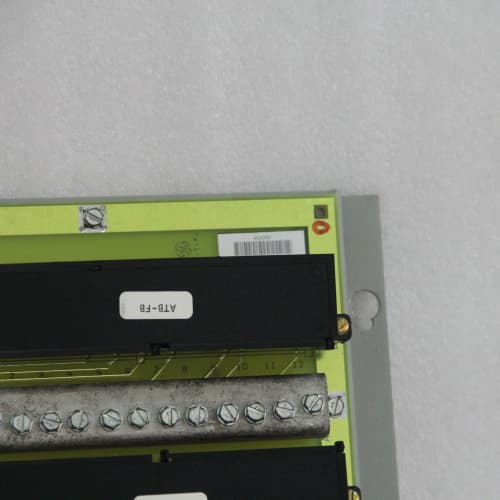
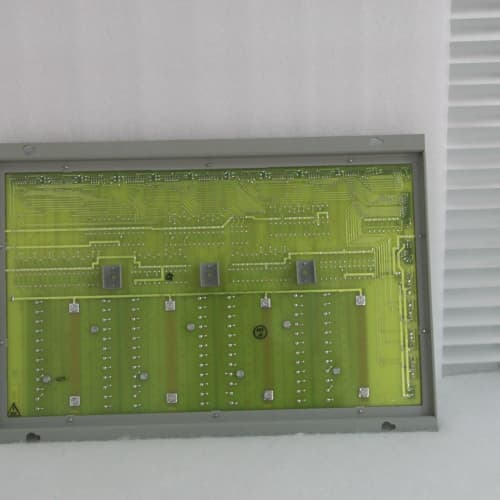
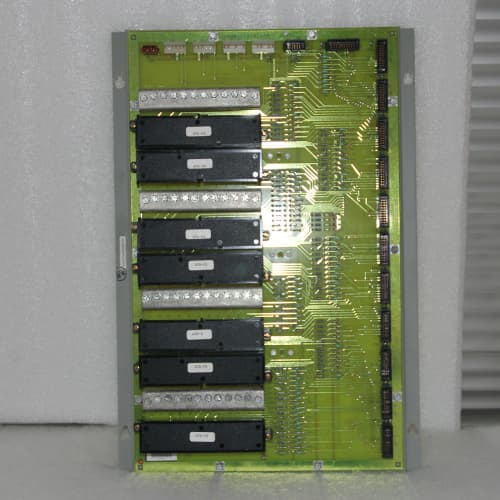
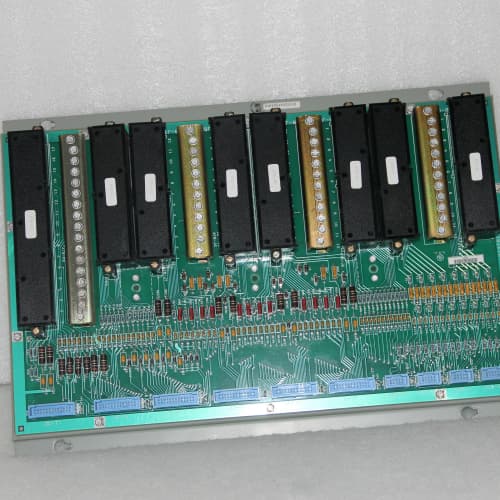
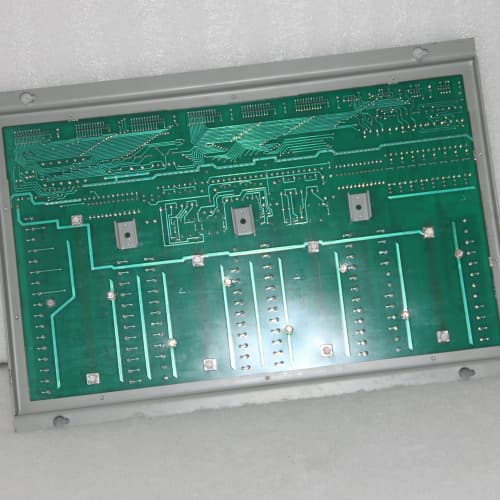
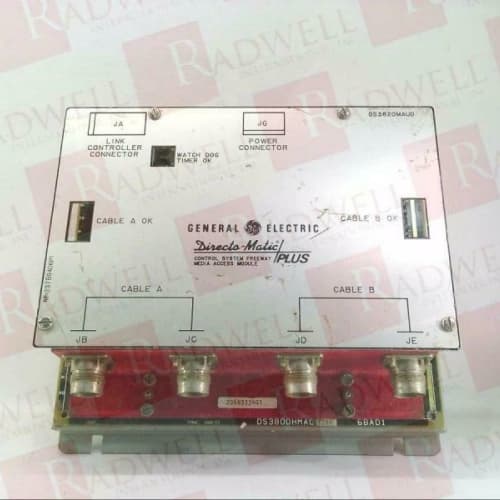
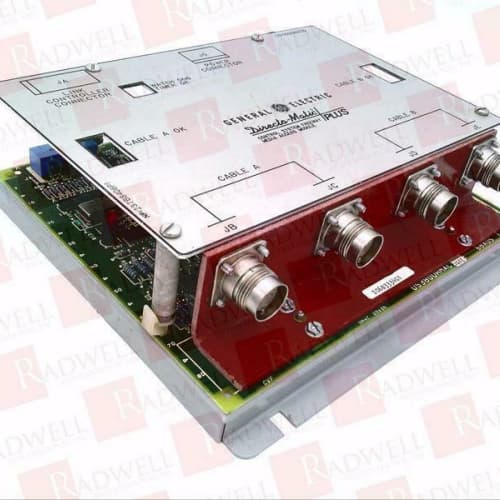
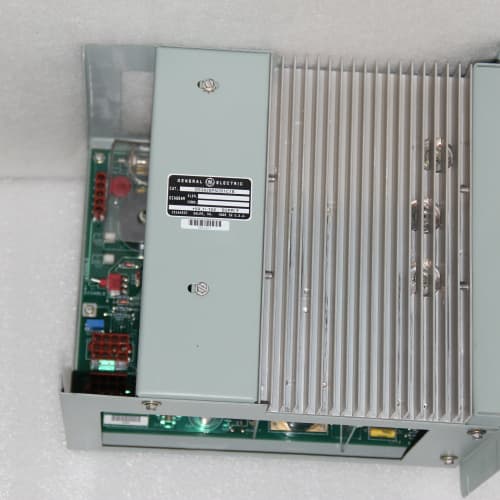
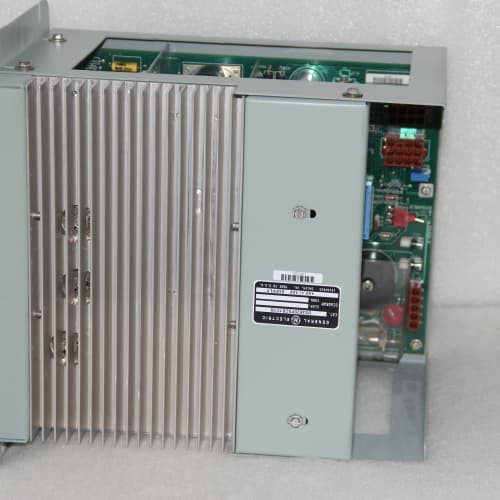
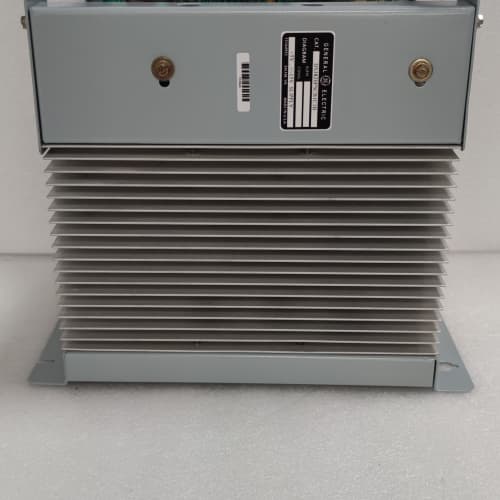
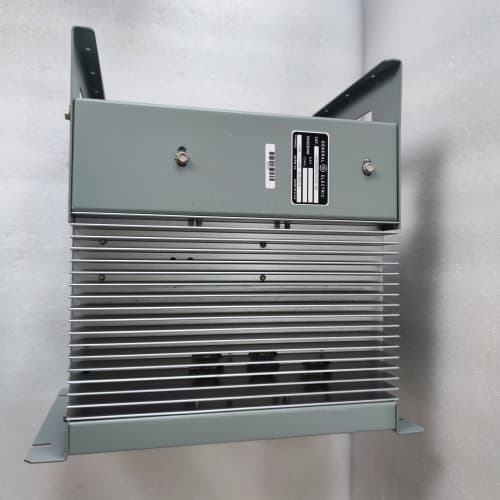
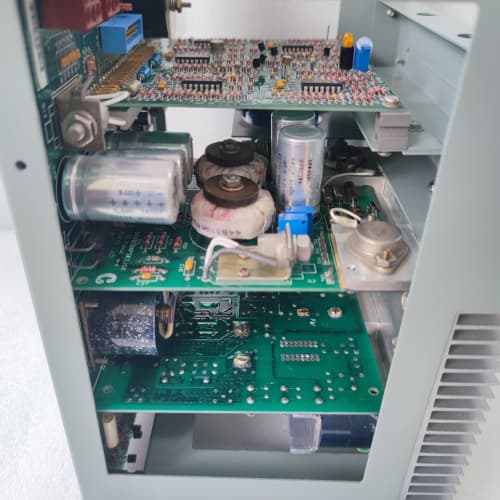
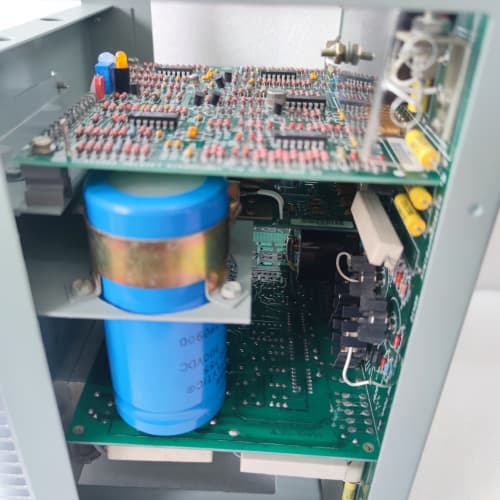
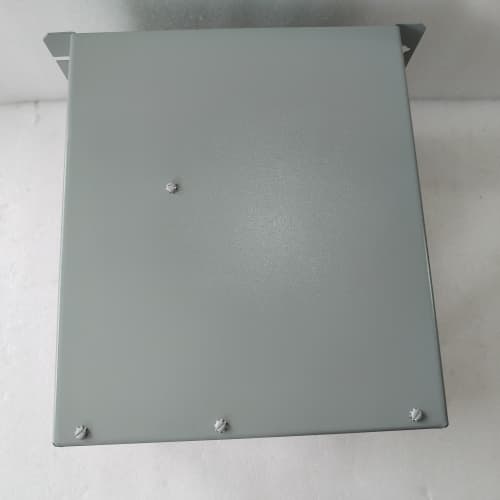
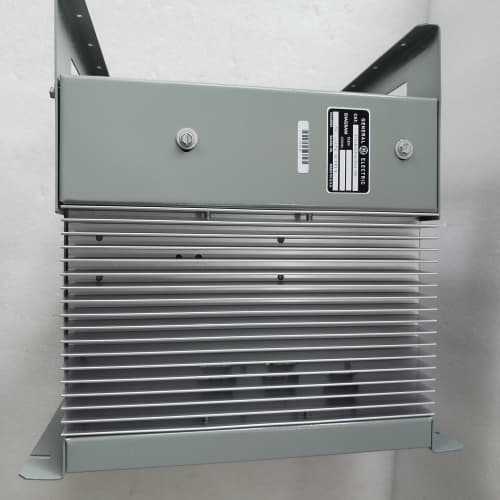
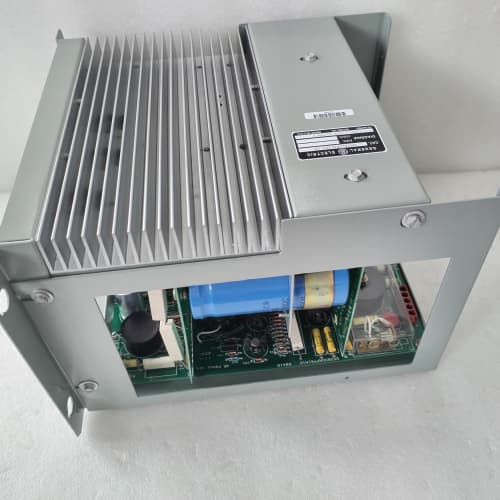
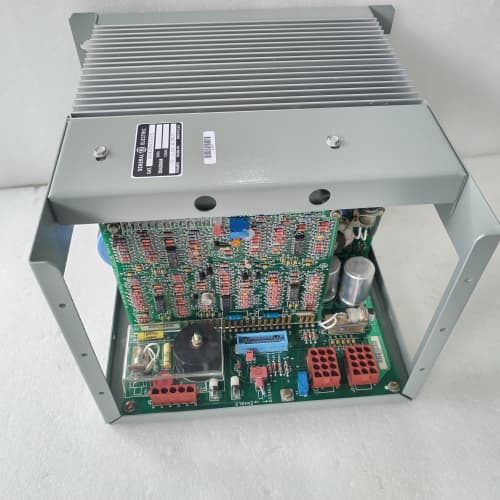
The DS3800HLIC is a General Electric Mark IV Speedtronic turbine control board, a high-speed discrete input module with a suffix indicating a higher channel density or specialized configuration compared to the HLIA series, along with basic conformal coating (C = single-layer acrylic, or enhanced depending on revision). The “HLI” designation denotes a high-speed logic interface module for critical turbine protection applications, offering ultra-fast response times and hardware latch capability. The “C” suffix typically indicates either a variant with more input channels or a specific revision with basic coating. This board is designed for applications requiring a larger number of high-speed discrete inputs for complex turbine monitoring.
The DS3800HLIA1B1D is a General Electric Mark IV Speedtronic turbine control board, a high-speed discrete input module with a suffix code indicating: 16 high-speed input channels (1), firmware revision B1 (B1), and enhanced environmental protection (D = conformal coating with improved humidity and mild chemical resistance, superior to C). The “HLI” designation denotes a high-speed logic interface module for critical turbine protection, offering ultra-fast response (<0.5ms) and hardware latch capability. The B1 firmware offers improved filtering and diagnostics, while the D-grade coating provides superior moisture resistance, making this variant suitable for critical protection applications with enhanced environmental resilience.
The DS3800HLIA1B1C is a General Electric Mark IV Speedtronic turbine control board, a high-speed discrete input module with a suffix code indicating: 16 high-speed input channels (1), firmware revision B1 (B1), and enhanced environmental protection (C = conformal coating with improved humidity and mild chemical resistance). The “HLI” designation denotes a high-speed logic interface module for critical turbine protection, offering ultra-fast response (<0.5ms) and hardware latch capability. The B1 firmware offers improved filtering and diagnostics, while the C-grade coating provides moderate moisture protection, making this variant suitable for critical protection applications with enhanced environmental resilience.
The DS3800HLIA1A1B is a General Electric Mark IV Speedtronic turbine control board, a high-speed discrete input module with a suffix code indicating: 16 high-speed input channels (1), firmware revision A1 (A1), and basic environmental protection (B = single-layer conformal coating). The “HLI” designation denotes a high-speed logic interface module for critical turbine protection applications, offering ultra-fast response (<0.5ms) and hardware latch capability. The A1 firmware provides standard high-speed logic processing, while the B-grade coating offers basic moisture resistance for standard indoor applications.
The DS3800HLIA is a General Electric Mark IV Speedtronic turbine control board, a high-speed discrete input module with a suffix indicating a specialized configuration (HLI) and basic environmental protection (A = standard coating). The “HLI” designation typically denotes a high-speed logic interface module designed for critical turbine protection and control applications, offering very fast response times for overspeed, flame detection, and other time-sensitive discrete signals. The “A” suffix indicates standard conformal coating for indoor applications.
The DS3800HLEA1C1C is a General Electric Mark IV Speedtronic turbine control board, a high-speed discrete input module with a suffix code indicating: 24 high-density input channels (1), firmware revision C1 (C1), and enhanced environmental protection (C = conformal coating with improved humidity and mild chemical resistance). The C1 firmware offers advanced filtering, faster response, enhanced diagnostics, and fault logging, while the C-grade coating provides moderate moisture protection, making this variant suitable for high-density, high-speed digital input monitoring with advanced signal processing and improved environmental resilience.
The DS3800HLEA1C1B is a General Electric Mark IV Speedtronic turbine control board, a high-speed discrete input module with a suffix code indicating: 24 high-density input channels (1), firmware revision C1 (C1), and basic environmental protection (B = single-layer conformal coating). The C1 firmware offers advanced filtering, faster response, enhanced diagnostics, and fault logging compared to B1, while the B-grade coating provides basic moisture resistance for standard indoor applications. This variant is ideal for high-density, high-speed digital input monitoring with advanced signal processing and diagnostics.
The DS3800HLEA1B1B is a General Electric Mark IV Speedtronic turbine control board, a high-speed discrete input module with a suffix code indicating: 24 high-density input channels (1), firmware revision B1 (B1), and basic environmental protection (B = single-layer conformal coating). The B1 firmware offers improved filtering, faster response, and enhanced diagnostics compared to standard A revisions, while the B-grade coating provides basic moisture resistance for standard indoor applications. This variant is ideal for high-density, high-speed digital input monitoring with improved signal processing.
The DS3800HLEA is a General Electric Mark IV Speedtronic turbine control board, a high-speed discrete input module with a suffix indicating a higher channel density or specialized input configuration compared to the HLCA/HLCB series. The “E” in the suffix typically denotes enhanced input channel count or specialized filtering, while the “A” suffix indicates basic conformal coating for standard indoor protection. This board is designed for applications requiring high-density high-speed digital input monitoring without output capability, making it suitable for sensor-heavy turbine monitoring systems.
The DS3800HLCB1D1C is a General Electric Mark IV Speedtronic turbine control board, a high-speed discrete input/output module with a suffix code indicating: 4 inputs + 12 outputs (1), firmware revision D1 (D1), and enhanced environmental protection (C = conformal coating with improved humidity and mild chemical resistance). The D1 firmware offers advanced filtering, faster response, enhanced diagnostics, and improved fault logging compared to C1, while the C-grade coating provides moderate moisture protection, making this variant suitable for output-heavy control loops requiring fast actuation with advanced diagnostics and improved environmental resilience.
The DS3800HLCB1C1C is a General Electric Mark IV Speedtronic turbine control board, a high-speed discrete input/output module with a suffix code indicating: 4 inputs + 12 outputs (1), firmware revision C1 (C1), and enhanced environmental protection (C = conformal coating with improved humidity and mild chemical resistance). The C1 firmware offers advanced filtering, faster response, and enhanced diagnostics, while the C-grade coating provides moderate moisture protection, making this variant suitable for output-heavy control loops requiring fast actuation with improved environmental resilience.
The DS3800HLCB1C1B is a General Electric Mark IV Speedtronic turbine control board, a high-speed discrete input/output module with a suffix code indicating: 4 inputs + 12 outputs (1), firmware revision C1 (C1), and basic environmental protection (B = single-layer conformal coating). The C1 firmware offers advanced filtering, faster response, and enhanced diagnostics for high-speed discrete I/O processing, while the B-grade coating provides basic moisture resistance for standard indoor applications. This variant is ideal for output-heavy control loops requiring fast actuation with reliable diagnostics.