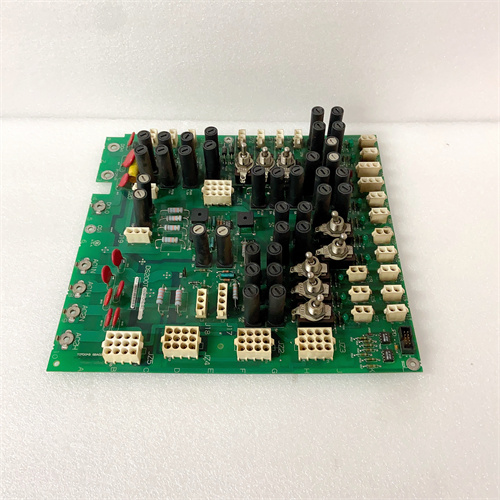
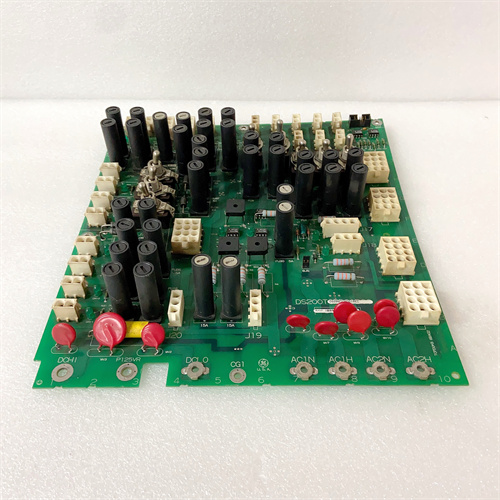
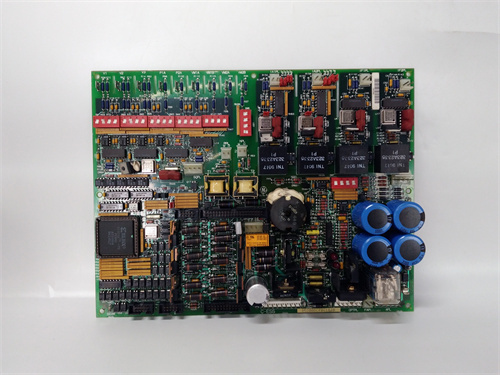
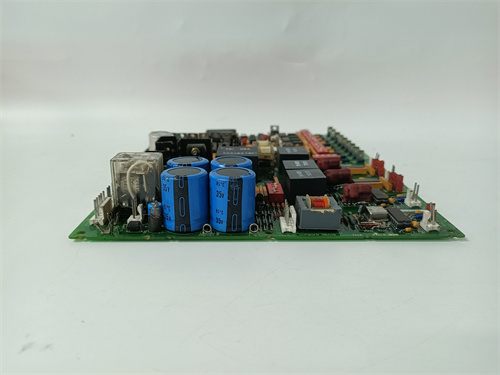
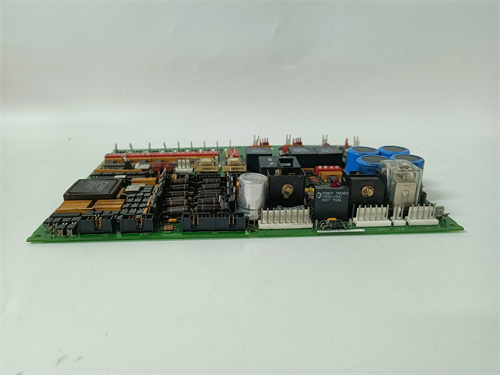
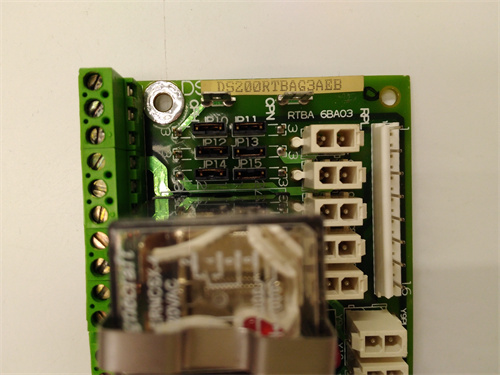
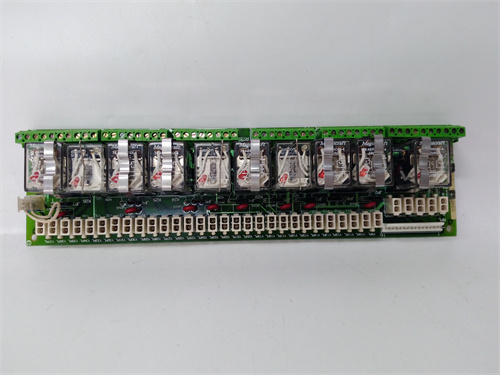
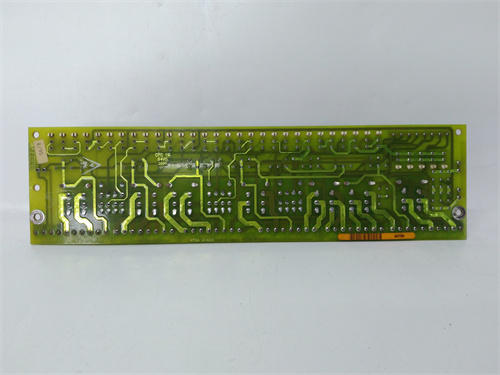
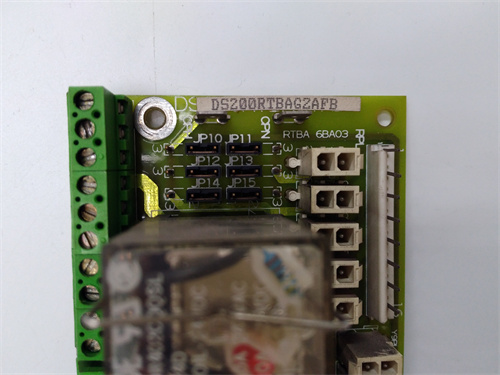
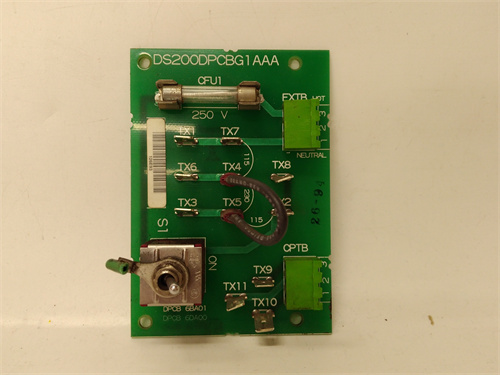
The DS200STBAG1ADC is a Terminal Board (Termination Board) manufactured by General Electric (GE) as part of the Mark V DS200 series for turbine control systems. This board serves as the primary physical interface between field wiring (sensors, actuators, and power supplies) and the Mark V rack-mounted control modules. The “ADC” suffix denotes a specific revision with a distinct terminal block configuration, modified channel mapping, and specialized labeling designed for applications requiring analog-to-digital converter (ADC) signal routing integration. The DS200STBAG1ADC provides termination points for analog inputs (particularly those routed to ADC modules), discrete inputs, and discrete outputs, organizing and consolidating field connections into a structured, maintainable format. Like all termination boards in the STB series, the DS200STBAG1ADC is a passive board—it contains no active electronics but provides a reliable, high-density connection point for all field devices.
The DS200STBAG1ACB is a Terminal Board (Termination Board) manufactured by General Electric (GE) as part of the Mark V DS200 series for turbine control systems. This board serves as the primary physical interface between field wiring (sensors, actuators, and power supplies) and the Mark V rack-mounted control modules. The “ACB” suffix denotes a specific revision with a distinct terminal block configuration, modified channel mapping, and specific labeling designed for particular Mark V system configurations. The DS200STBAG1ACB provides termination points for analog inputs, discrete inputs, and discrete outputs, organizing and consolidating field connections into a structured, maintainable format. Like all termination boards in the STB series, the DS200STBAG1ACB is a passive board—it contains no active electronics but provides a reliable, high-density connection point for all field devices.
The DS200STBAG1ABB is a Terminal Board (Termination Board) manufactured by General Electric (GE) as part of the Mark V DS200 series for turbine control systems. This board serves as the primary physical interface between field wiring (sensors, actuators, and power supplies) and the Mark V rack-mounted control modules. The “ABB” suffix denotes a specific revision with a distinct terminal block configuration, modified channel mapping, and enhanced labeling compared to standard variants. The DS200STBAG1ABB provides termination points for analog inputs, discrete inputs, and discrete outputs, organizing and consolidating field connections into a structured, maintainable format. Like all termination boards in the STB series, the DS200STBAG1ABB is a passive board—it contains no active electronics but provides a reliable, high-density connection point for all field devices.
The DS200STBAG1AAA is a Terminal Board (Termination Board) manufactured by General Electric (GE) as part of the Mark V DS200 series for turbine control systems. This board serves as the primary physical interface between field wiring (sensors, actuators, and power supplies) and the Mark V rack-mounted control modules. The DS200STBAG1AAA provides termination points for analog inputs, discrete inputs, and discrete outputs, organizing and consolidating field connections into a structured, maintainable format. The “AAA” suffix denotes a specific revision with enhanced terminal block design, improved labeling (with color-coding), extended temperature range (-10°C to 65°C), and gold-plated contacts for superior corrosion resistance compared to standard variants. Like all termination boards in the STB series, the DS200STBAG1AAA is a passive board—it contains no active electronics but provides a reliable, high-density connection point for all field devices.
The DS200STBAG1A is a Terminal Board (Termination Board) manufactured by General Electric (GE) as part of the Mark V DS200 series for turbine control systems. This board serves as the primary physical interface between field wiring (sensors, actuators, and power supplies) and the Mark V rack-mounted control modules. The DS200STBAG1A provides termination points for analog inputs, discrete inputs, and discrete outputs, organizing and consolidating field connections into a structured, maintainable format. The “G1A” suffix denotes a specific revision with a slightly modified terminal layout and enhanced labeling compared to the base G1 variant. Unlike signal conditioning or power supply boards, the DS200STBAG1A is a passive termination board—it does not actively process signals but provides a reliable, high-density connection point for all field devices.
The DS200STBAG1 is a Terminal Board (also known as a Termination Board) manufactured by General Electric (GE) as part of the Mark V DS200 series for turbine control systems. This board serves as the primary physical interface between field wiring (sensors, actuators, and power supplies) and the Mark V rack-mounted control modules. The DS200STBAG1 provides termination points for analog inputs, discrete inputs, and discrete outputs, organizing and consolidating field connections into a structured, maintainable format. Unlike signal conditioning or power supply boards, the DS200STBAG1 is a passive termination board—it does not actively process signals but provides a reliable, high-density connection point for all field devices. The “G1” suffix denotes a specific revision with terminal block configuration, while the “A” indicates the specific connector layout and channel mapping.
The DS200SSRAG1AAA is a Solid-State Relay (SSR) and Digital Output Termination Board manufactured by General Electric (GE) as part of the Mark V DS200 series for turbine control systems. This board serves as the primary interface for digital control outputs from the Mark V processor to field actuators, solenoids, contactors, and other discrete load devices. The “AAA” suffix denotes a specific revision with enhanced current handling (3A continuous per channel), extended temperature range (-10°C to 65°C), and improved diagnostic capabilities compared to the standard G1A variant. The DS200SSRAG1AAA provides 8 solid-state relay outputs, each with optical isolation, zero-crossing detection, short-circuit protection, and enhanced thermal management.
The DS200SSRAG1A is a Solid-State Relay (SSR) and Digital Output Termination Board manufactured by General Electric (GE) as part of the Mark V DS200 series for turbine control systems. This board serves as the primary interface for digital control outputs from the Mark V processor to field actuators, solenoids, contactors, and other discrete load devices. The DS200SSRAG1A provides 8 solid-state relay outputs, each with optical isolation, zero-crossing detection, and short-circuit protection. Unlike electromechanical relay boards, the DS200SSRAG1A offers silent, high-speed switching without mechanical wear, making it ideal for applications requiring frequent cycling. The “G1A” suffix denotes a specific revision with enhanced current handling and diagnostic capabilities.
The DS200SSHVMG1A is a High-Voltage Signal Conditioning and Termination Board manufactured by General Electric (GE) as part of the Mark V DS200 series for turbine control systems. This specialized board serves as the primary interface between high-voltage field signals and the Mark V control system, providing signal conditioning, isolation, and termination for voltage inputs up to 600V AC/DC. The DS200SSHVMG1A is designed to handle high-voltage signals from motor starters, generator breakers, transformer tap changers, and other high-power equipment, converting them into low-voltage signals compatible with the turbine’s main processor. The “G1A” suffix denotes a specific revision with 8 input channels and enhanced isolation specifications.
The DS200SSBCG1A is a Signal Conditioning and Termination Board manufactured by General Electric (GE) as part of the Mark V DS200 series for turbine control systems. This board serves as the primary interface between field sensors and the Mark V control system, providing signal conditioning, filtering, and termination for analog inputs. Unlike power supply boards, the DS200SSBCG1A focuses exclusively on signal conditioning and does not provide power distribution. The “G1A” suffix denotes a specific revision with 8 input channels and enhanced signal processing capabilities. The DS200SSBCG1A is designed to interface with turbine field sensors—such as thermocouples, RTDs, and pressure transmitters—conditioning their signals into clean, standardized formats for the main processor.
The DS200SSBBG1A is a Signal Conditioning and Termination Board manufactured by General Electric (GE) as part of the Mark V DS200 series for turbine control systems. This board serves as the primary interface between field sensors and the Mark V control system, providing signal conditioning, filtering, and termination for a variety of analog and discrete inputs. Unlike power supply boards, the DS200SSBBG1A focuses exclusively on signal conditioning and does not provide power distribution. The “G1A” suffix denotes a specific revision with 16 input channels and enhanced signal processing capabilities. The DS200SSBBG1A is designed to interface with turbine field sensors—such as thermocouples, RTDs, pressure transmitters, and discrete switches—conditioning their signals into clean, standardized formats for the main processor.
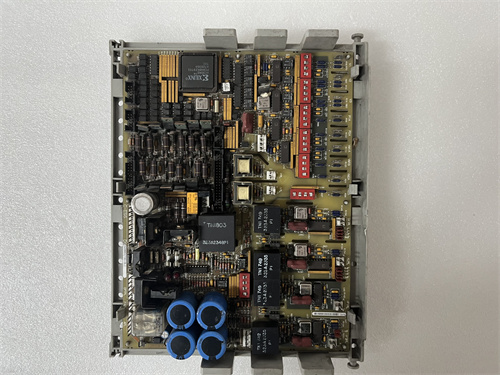
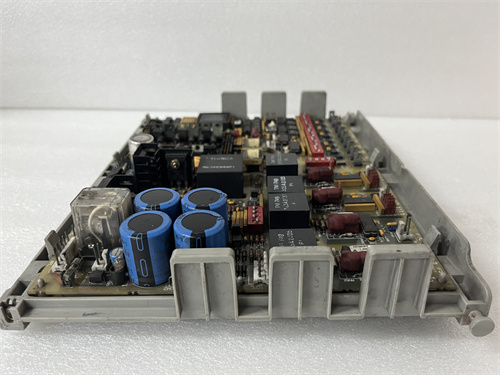
The DS200SSBAG1BAA is a Signal Conditioning and Power Supply Board manufactured by General Electric (GE) as part of the Mark V DS200 series for turbine control systems. This board serves a specialized role within the Mark V rack, providing both signal conditioning for field inputs and regulated power distribution. The “G1BAA” suffix denotes a specific revision with 12 input channels, enhanced accuracy specifications, extended temperature range, and improved signal processing capabilities compared to earlier variants. The DS200SSBAG1BAA is designed to interface with the turbine’s field sensors—such as thermocouples, RTDs, pressure transmitters, and vibration probes—conditioning their signals into clean, standardized formats for the main processor. Simultaneously, the DS200SSBAG1BAA provides auxiliary power to field devices and other rack components.