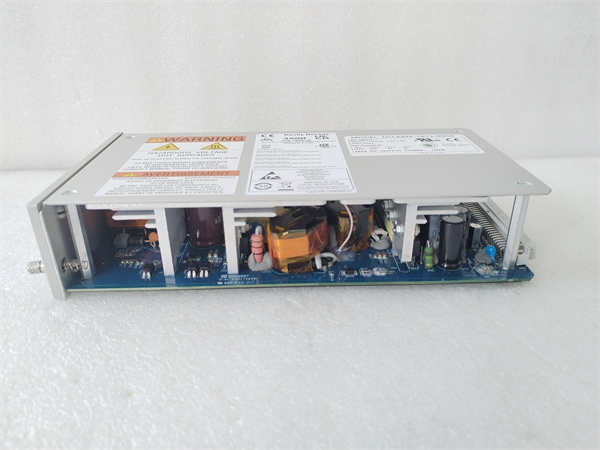
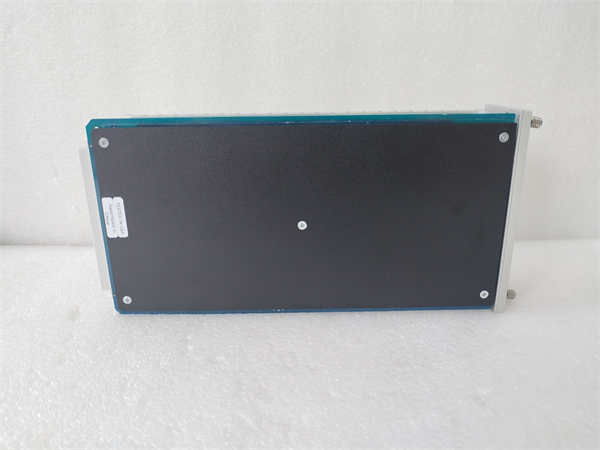
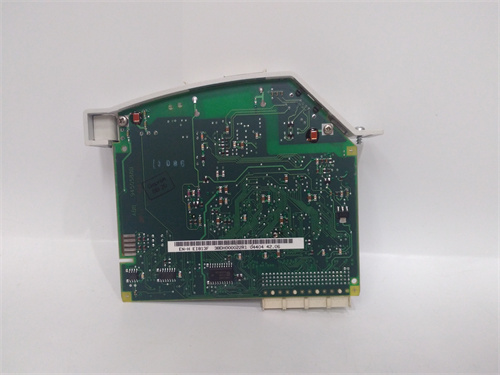
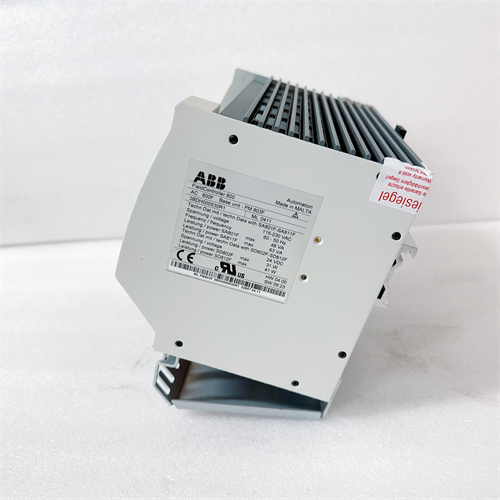
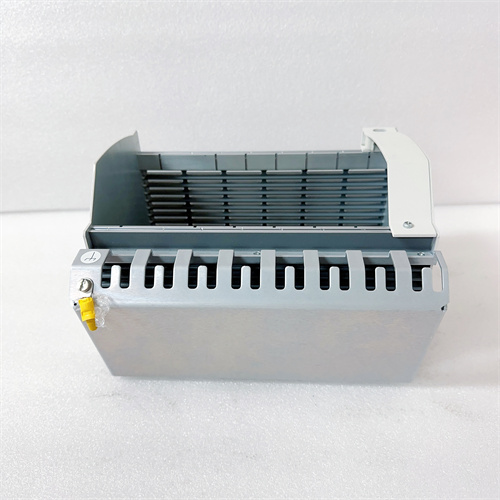
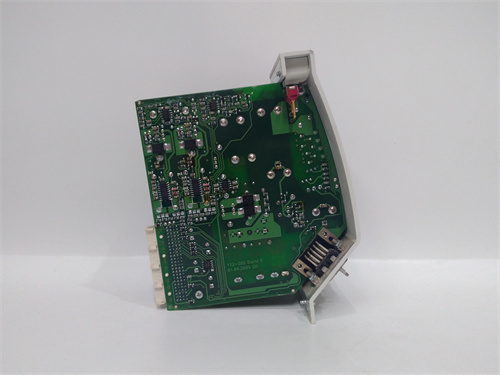
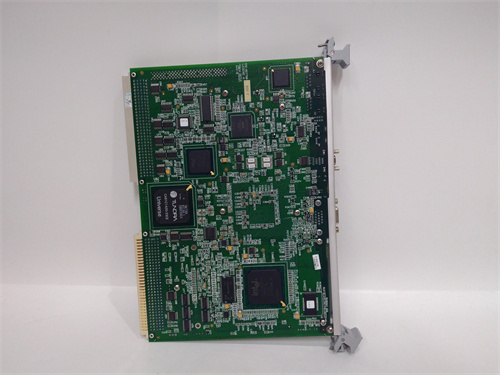
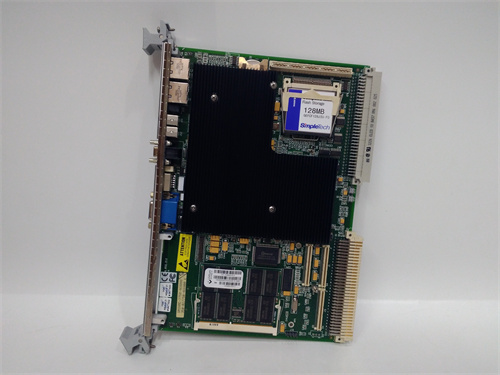
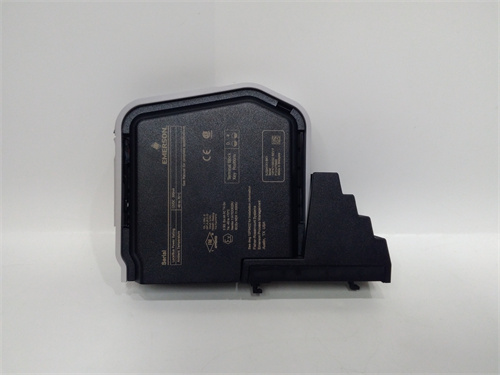
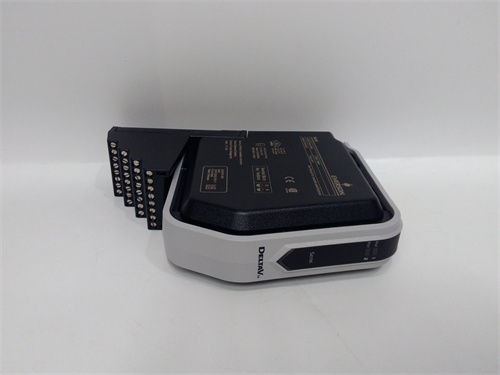
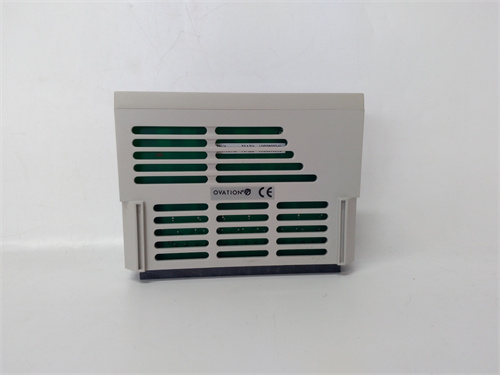
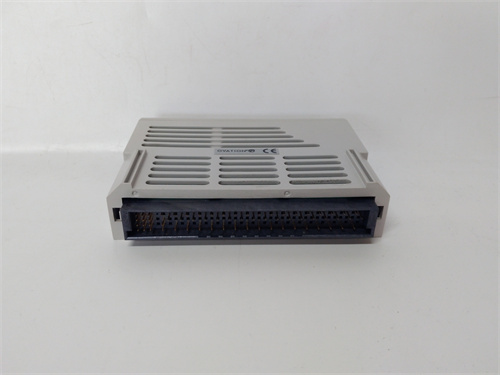
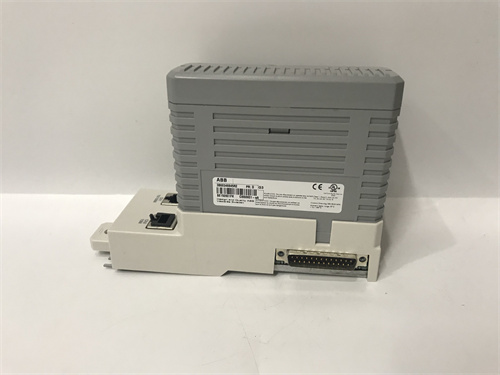
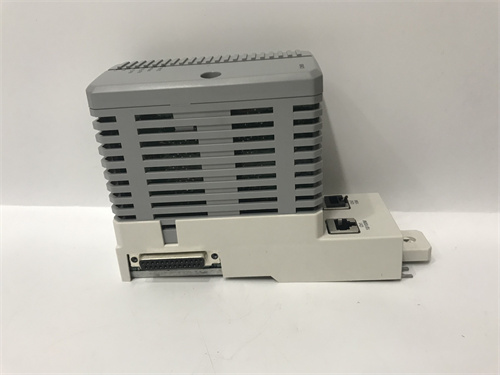
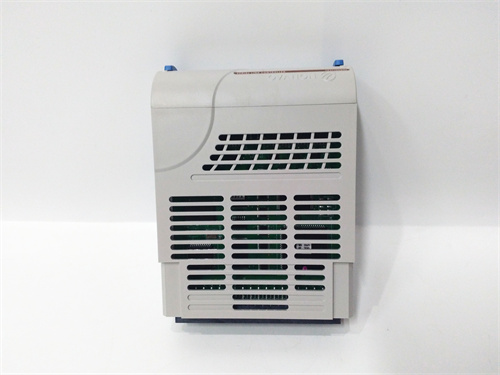
The FOXBORO FBMSVH PLC module is a compact, rugged, and highly reliable control system module that is capable of handling complex control and automation tasks.
It offers seamless integration with other control system components and is designed to provide real-time monitoring and control of industrial processes.
Product Description: The ABB 216VC62A PLC Module is a high-performance and reliable module designed for use in industrial control systems. It provides advanced programmable logic control capabilities and is suitable for a wide range of automation applications.
Product Parameters:
Processor: High-speed processor for rapid data processing
Memory: Extensive memory capacity for program storage and data handling
Communication: Built-in communication ports for easy integration with other control systems
Input/Output: Multiple digital and analog input/output channels for interfacing with external devices
Operating Temperature: Designed to operate within a wide range of temperatures for flexibility in deployment
Product Name: ABB DSDP140B PLC Module Product Description: The ABB DSDP140B PLC Module is a compact and reliable digital input/output module that provides high-performance control and connectivity in industrial automation systems. It is designed to ensure seamless integration with other components and facilitate efficient operation and maintenance.
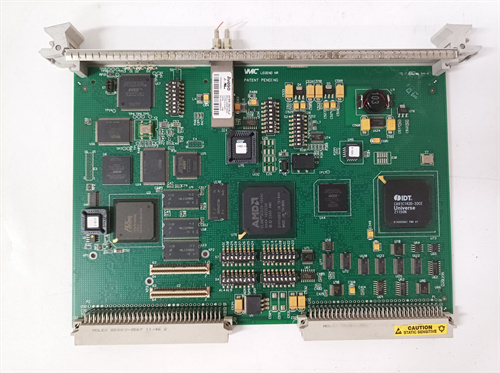
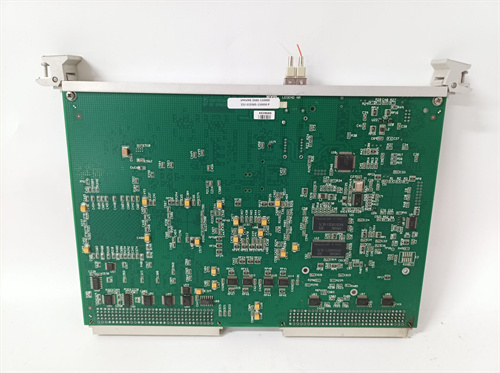
Product Description: The GE VMIVME-4140 PLC Module features a rugged design and advanced control and communication capabilities. It is equipped with a powerful CPU and offers a variety of I/O options for flexible interfacing with sensors, actuators, and other control devices. With its modular and compact design, the module can be easily integrated into existing industrial control systems, providing seamless connectivity and control.
Product Parameters:
CPU: High-performance processor for rapid data processing and system control
I/O Interfaces: Digital and analog I/O for connecting to a wide range of industrial devices
Communication Ports: Ethernet, serial, and other communication interfaces for networking and data exchange
Operating Temperature: Designed to operate reliably in harsh industrial environments
Input Voltage: Compatible with standard industrial power supply voltages
Product Description: Based on the naming convention and typical functionalities within DCS/PLC systems, the CI543 is likely a communication module. This means it plays a crucial role in facilitating data exchange between different elements of the ABB DCS network. Here’s how it might function:
Network Interface: The CI543 could act as a network interface card, connecting the DCS system to a specific industrial network (e.g., Profibus, Modbus, Ethernet/IP) used for communication between controllers and devices.
Protocol Gateway: In some cases, the module might function as a protocol gateway, translating data between different communication protocols used within the DCS system. This ensures seamless communication even if devices utilize different protocols.
Finding in-depth specifications online might be difficult due to potential obsolescence. Here’s what we can expect generally:
Compatibility: The CMA126 would likely be designed for a specific ABB DCS system and might require other modules for complete functionality.
Number of Analog Input Channels: A crucial parameter is the number of analog input channels the module can accommodate, allowing it to connect to multiple sensors.
Analog Input Range: The voltage or current range measurable by the module would be important. Typical ranges might be 0-10V, 4-20mA, etc.
Resolution: This refers to the smallest change in the analog signal that the CMA126 can distinguish and convert into digital data. Higher resolution provides more accurate measurements.
Conversion Time: The time it takes for the module to convert an analog signal to digital data is a relevant specification. Faster conversion times are desirable for real-time process control.
Product Description: Based on the naming convention and typical functionalities within DCS/PLC systems, the CI873K01 likely functions as a communication module with redundancy capabilities. Here’s a possible breakdown:
Communication Module: As with previous ABB communication modules (e.g., CI543), the CI873K01 plays a crucial role in facilitating data exchange between different elements of the ABB DCS network. This ensures controllers and devices can share information for coordinated process control.
Redundancy Capability: The “K01” suffix might indicate redundancy features. In critical industrial processes, redundancy is essential to maintain operation even if one communication path or module fails. The CI873K01 could potentially support redundant communication links or have built-in fault tolerance mechanisms.
Product Description: This module is a dedicated safety controller for GE’s Mark VIeS systems. DCS systems manage complex industrial processes, and PLC modules handle various control tasks. However, the IS420UCSBS1A focuses specifically on safety-critical functions within the Mark VIeS system.
Here are some possible functionalities:
Safety Interlock Logic: The module might execute safety interlock logic to prevent unsafe operation of the controlled process. This could involve ensuring specific conditions are met before allowing certain actions or stopping equipment in case of a safety hazard.
Emergency Shutdown Systems: It could play a role in initiating emergency shutdown procedures if critical parameters deviate from safe operating ranges.
Safety Input/Output (I/O): The IS420UCSBS1A might have dedicated safety I/O channels for interfacing with safety sensors and actuators. Safety sensors would provide input on potentially hazardous conditions, and safety actuators could take corrective actions (e.g., stopping machinery) based on the module’s logic.
Product Name: Honeywell System 57 Calibration Plug (05701-A-0550)
Product Description: This is a specialized tool designed for calibrating gas sensors connected to the Honeywell System 57 gas detector controller. It’s not a functional module within a Distributed Control System (DCS) or Programmable Logic Controller (PLC) system itself.
Product Parameters & Specifications: In-depth details are scarce online, but based on its function, we can infer some characteristics:
It likely connects to a designated port on the System 57 controller to initiate a calibration routine for the connected gas sensors.
It might be a physical plug that bridges electrical connections to activate the calibration mode within the controller.
There could potentially be a configuration element to the calibration plug, but this is uncertain.
API 670 Compliant: Meets industry standards for environmental sealing, ensuring operation in harsh conditions.
Hot-Swappable: Allows for module replacement without interrupting system operation (important for critical machinery protection).
Remote Selectable Limit Multiply and Trip Bypass: Enables remote configuration of trip points and bypass functions for connected sensors.
Front and Rear Buffered and Proportional Outputs: Provides flexibility in signal conditioning and output options for various applications.
0/4 – 20mA Output: Supports a common industry standard for analog signal output.
Signal Input:
Hall-effect sensor compatible
A6500-LC Extended Input Range (0 V to +30 V) – Important Note: This extended range is only valid for speed measurement and will clip the raw signal from other sensor types.
Product Name: Likely an EMERSON A6370D DCS PLC Module (exact name confirmation depends on availability of datasheets or manuals).
Product Description: Without specific details, we can assume it’s a module designed for use within an Emerson DCS system. DCS systems are typically used in large-scale process control applications like oil & gas refineries, chemical plants, and power generation facilities. The A6370D module would likely handle specific input/output (IO) functions or control tasks within the DCS.
Product Parameters & Specifications: Due to the potential obsolescence, finding detailed specifications online might be difficult. However, based on Emerson’s current DCS offerings, we can make some educated guesses about the A6370D’s characteristics:
Input/Output (IO) Module: It likely handles analog or digital input/output signals from sensors and actuators within the DCS system.
Specific Functionality: Without a datasheet or manual, it’s difficult to pinpoint the exact function (e.g., analog input, relay output, etc.).
Voltage Levels: DCS systems commonly operate on 24 VDC or higher for industrial control applications.