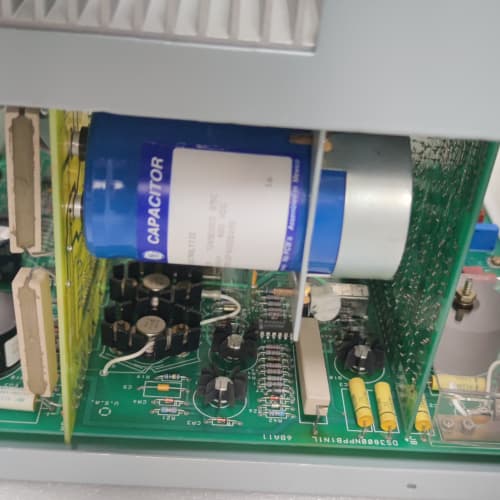
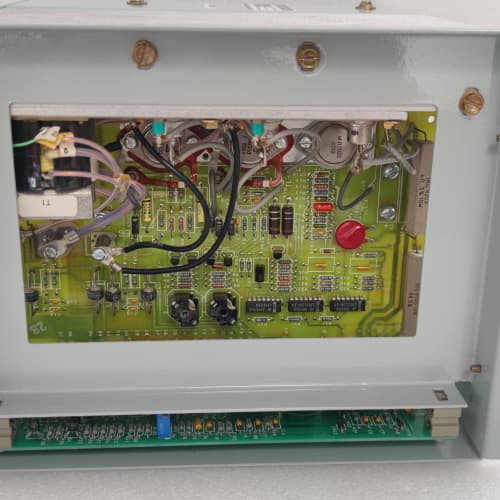
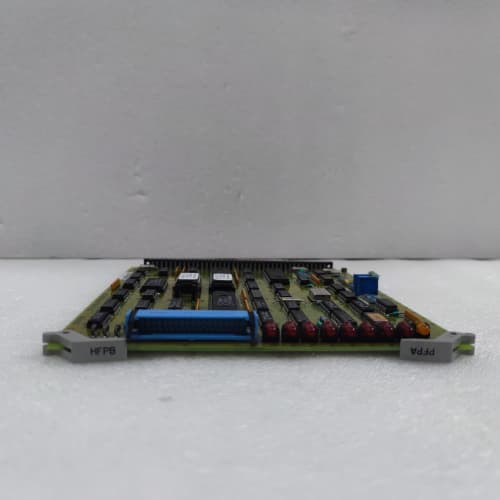
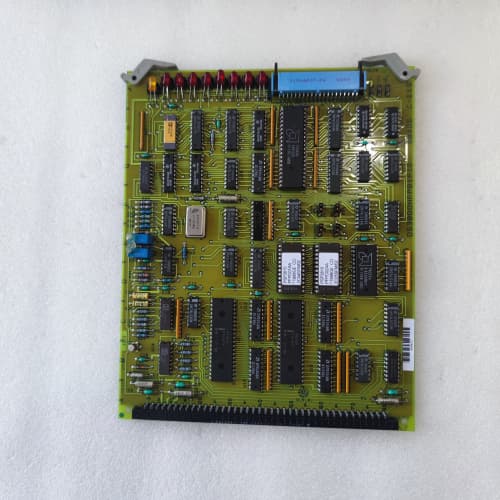
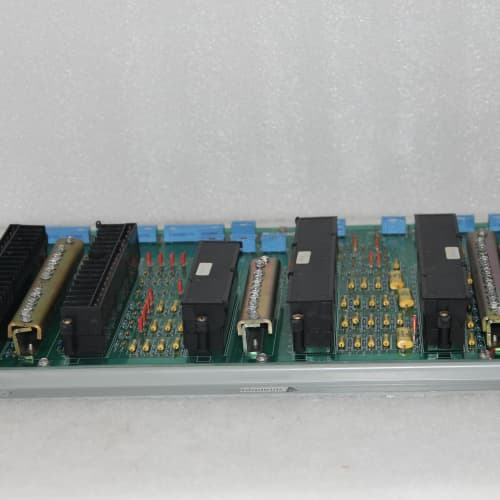
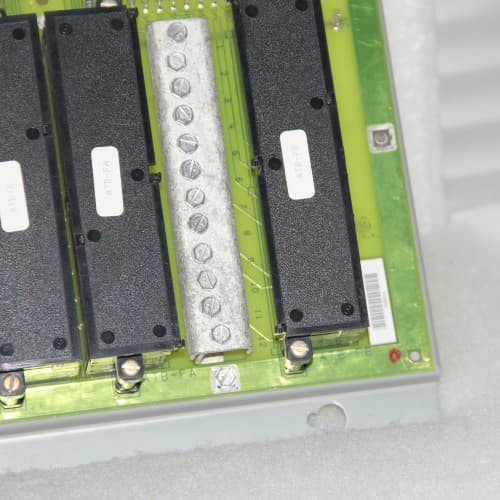
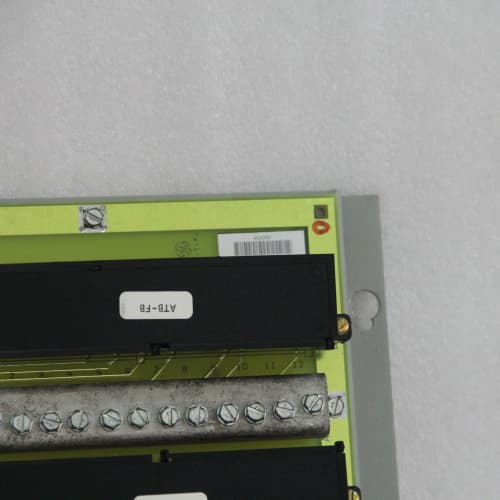
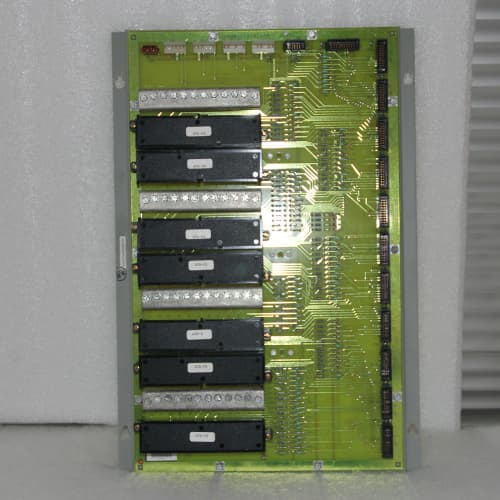
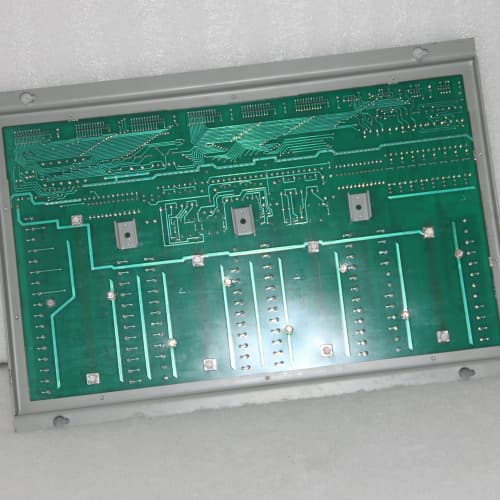
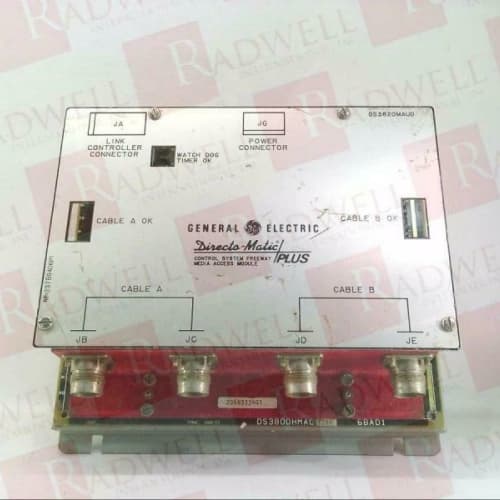
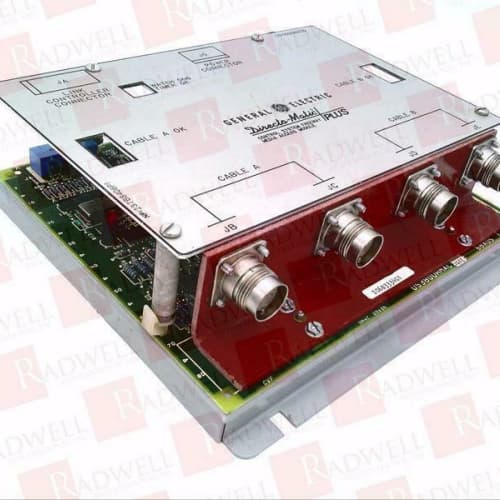
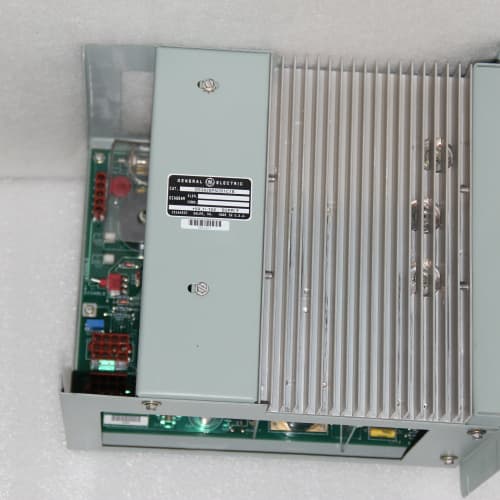
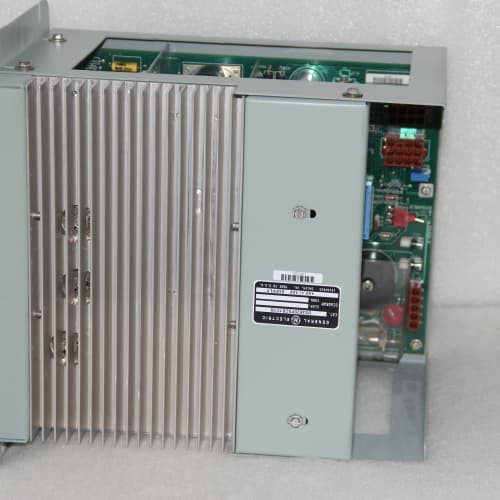
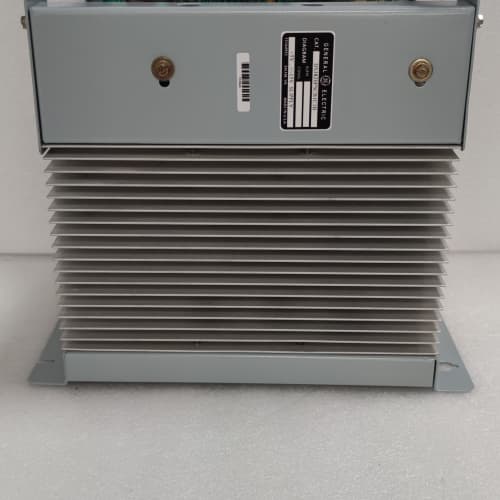
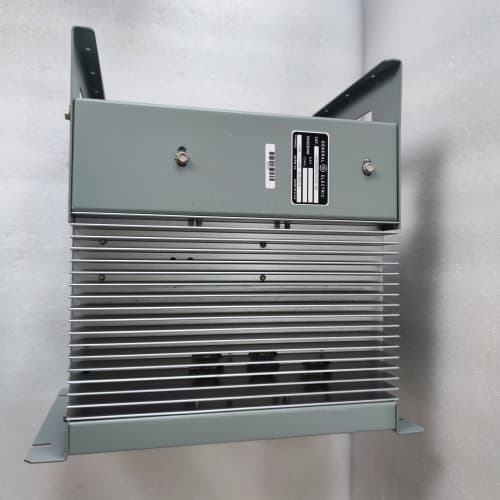
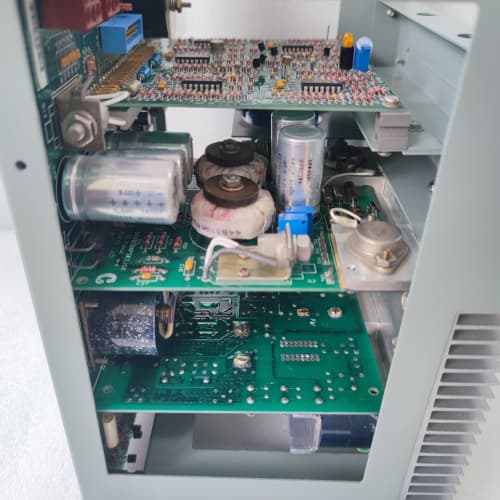
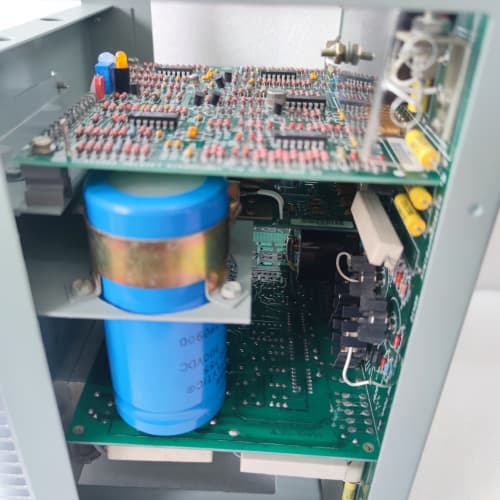
The DS3800XPER is a high-reliability, redundant power supply and exciter module board for the GE Mark IV turbine control system. It provides multiple regulated DC power outputs and adjustable excitation signals for field devices such as speed pickups, proximity probes, LVDTs, pressure transmitters, and other transducers. This board features built-in redundancy with dual input feeds and automatic failover, ensuring uninterrupted power delivery to critical sensors in the event of a primary supply failure. It is designed for the most demanding turbine control applications where power supply continuity is paramount. It works alongside boards such as the DS3800NVIA1G1C, DS3800NVIA1G1D, DS3800NVPA series, and DS3800XCIA series.
The DS3800XPEN1B1D is an advanced, enhanced power supply and exciter module board for the GE Mark IV turbine control system, featuring the latest firmware revision (1B1D) . It provides multiple regulated DC power outputs and adjustable excitation signals for field devices such as speed pickups, proximity probes, LVDTs, pressure transmitters, and other transducers requiring external excitation. This board offers improved regulation, lower noise, higher current capacity, and enhanced diagnostics compared to standard power boards. It is a direct successor to the DS3800XPEN1B1C, with minor firmware refinements and improved diagnostic reporting. It works alongside boards such as the DS3800NVIA1G1C, DS3800NVIA1G1D, DS3800NVPA series, and DS3800XCIA series.
The DS3800XPEN1B1C is an advanced, enhanced power supply and exciter module board for the GE Mark IV turbine control system, featuring the latest firmware revision (1B1C) . It provides multiple regulated DC power outputs and adjustable excitation signals for field devices such as speed pickups, proximity probes, LVDTs, pressure transmitters, and other transducers requiring external excitation. This board offers improved regulation, lower noise, higher current capacity, and enhanced diagnostics compared to standard power boards. It works alongside boards such as the DS3800NVIA1G1C, DS3800NVIA1G1D, DS3800NVPA series, and DS3800XCIA series.
The DS3800XPEN is an enhanced power supply and exciter module board for the GE Mark IV turbine control system. It provides multiple regulated DC power outputs and adjustable excitation signals for field devices such as speed pickups, proximity probes, LVDTs, pressure transmitters, and other transducers requiring external excitation. This board offers improved regulation, lower noise, and higher current capacity compared to standard power boards, making it suitable for demanding sensor applications. It works alongside boards such as the DS3800NVIA1G1C, DS3800NVIA1G1D, DS3800NVPA series, and DS3800XCIA series.
The DS3800XPEM1C1E is a specialized power supply and exciter module board for the GE Mark IV turbine control system. It provides regulated DC power and excitation signals for field devices such as speed pickups, proximity probes, LVDTs, and other transducers that require an external excitation source. This board ensures stable, low-noise power delivery to critical sensors, directly impacting the accuracy and reliability of turbine measurements. It works alongside boards such as the DS3800NVIA1G1C, DS3800NVIA1G1D, DS3800NVPA series, and DS3800XCIA series.
The DS3800XJBC1A1A is a high-reliability, extended serial communication and gateway board for the GE Mark IV turbine control system, featuring the latest firmware revision (1A1A) . It provides 4 independent serial ports with enhanced protocol support, higher baud rates (up to 921.6 kbps) , improved diagnostics, and a ruggedized design for demanding applications. This board enables the Mark IV turbine controller to interface with multiple external systems such as DCS, SCADA, HMIs, and plant historians, with enhanced features for reliable operation in critical environments. It works alongside boards like the DS3800NVIA1G1C, DS3800NVIA1G1D, DS3800SCG, and DS3800TIMC.
The DS3800XJBC is a high-reliability, extended serial communication and gateway board for the GE Mark IV turbine control system. It provides 4 independent serial ports with enhanced protocol support, improved diagnostics, and a ruggedized design for demanding applications. This board enables the Mark IV turbine controller to interface with multiple external systems such as DCS, SCADA, HMIs, and plant historians, with enhanced features for reliable operation in critical environments. It works alongside boards like the DS3800NVIA1G1C, DS3800NVIA1G1D, DS3800SCG, and DS3800TIMC.
The DS3800XJBA1A1A is an advanced, extended serial communication and gateway board for the GE Mark IV turbine control system. It provides 4 independent serial ports with enhanced features including higher baud rates (up to 921.6 kbps) , improved isolation (2500V) , extended temperature range, enhanced diagnostics, and the latest firmware revision (1A1A) . This board is the ultimate solution for complex power plants requiring extensive, high-speed communication capabilities for integration with DCS, SCADA, HMIs, and other external systems. It works alongside boards such as the DS3800NVIA1G1C, DS3800NVIA1G1D, DS3800SCG, and DS3800TIMC.
The DS3800XJBA is an extended serial communication and gateway board for the GE Mark IV turbine control system. It provides 4 independent serial ports, doubling the capacity of the standard DS3800XIBA board. This board enables the Mark IV turbine controller to interface with multiple external systems simultaneously, such as DCS, PLCs, SCADA, HMIs, and other plant-wide networks. The DS3800XJBA is ideal for complex power plants requiring extensive communication capabilities. It works alongside boards like the DS3800NVIA1G1C, DS3800NVIA1G1D, DS3800SCG, and DS3800TIMC.
The DS3800XIBA is a serial communication and gateway board for the GE Mark IV turbine control system. It provides serial interfaces for connecting external devices such as distributed control systems (DCS), human-machine interfaces (HMIs), plant-wide networks, and other third-party systems. This board enables data exchange between the Mark IV turbine controller and external monitoring, control, and data acquisition systems, making it essential for modern power plant integration. It works alongside boards such as the DS3800NVIA1G1C, DS3800NVIA1G1D, DS3800SCG, and DS3800TIMC.
The DS3800XCJB1B1B is an advanced, high-precision variant of the GE Mark IV frequency measurement board. It provides 4 independent frequency input channels with exceptional measurement accuracy, enhanced input filtering, improved isolation, extended temperature range, and the latest firmware revision (1B1B). The board uses a period-averaging measurement technique to deliver ±0.001% accuracy across a wide frequency range (0.1 Hz to 500 kHz). It is specifically designed for critical applications requiring precise speed and flow data, such as turbine governing and overspeed protection. It works alongside boards like the DS3800NVIA1G1C, DS3800NVIA1G1D, DS3800SCG, and DS3800TIMC.
The DS3800XCJB is a specialized pulse input and frequency counter board for the GE Mark IV turbine control system. It is designed for high-accuracy frequency measurement from a variety of pulse-generating sensors, including magnetic pickups, proximity probes, and turbine flowmeters. Unlike the DS3800XCIA and DS3800XCIB series, which focus on multi-channel high-speed counting and quadrature encoding, the DS3800XCJB emphasizes high-precision frequency measurement for critical speed and flow applications. It works alongside boards such as the DS3800NVIA1G1C, DS3800NVIA1G1D, DS3800SCG, and DS3800TIMC to provide comprehensive turbine control and monitoring.