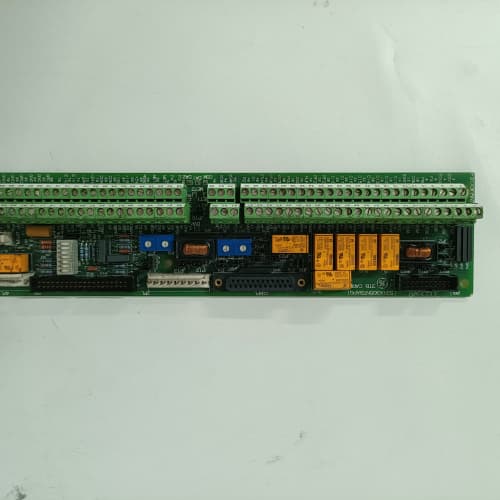
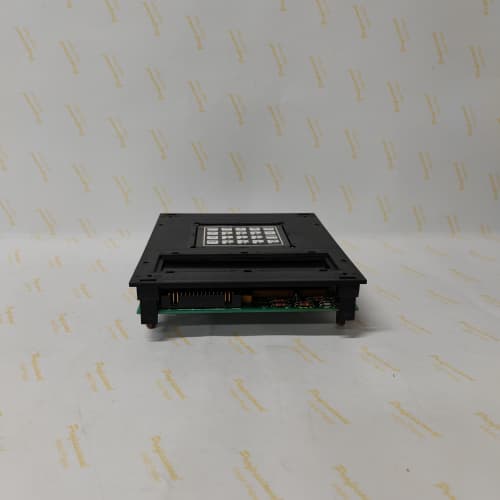
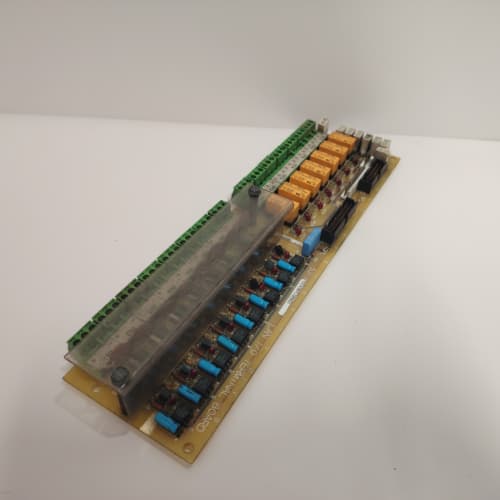
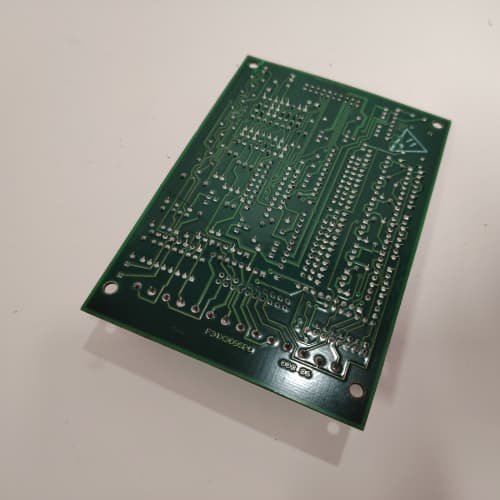
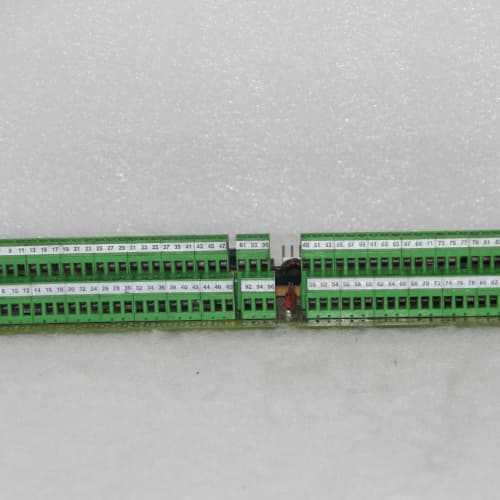
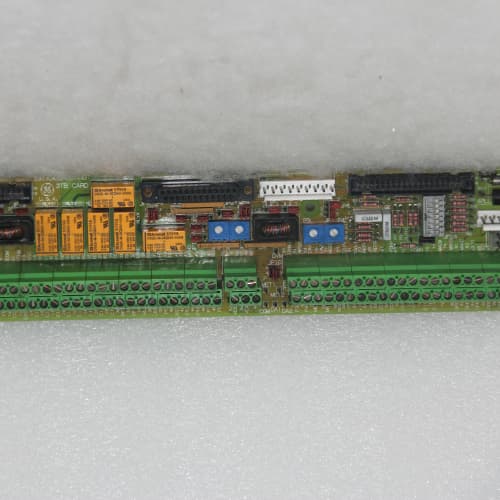
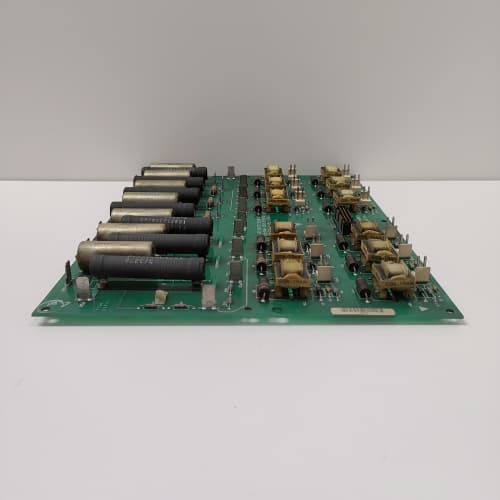
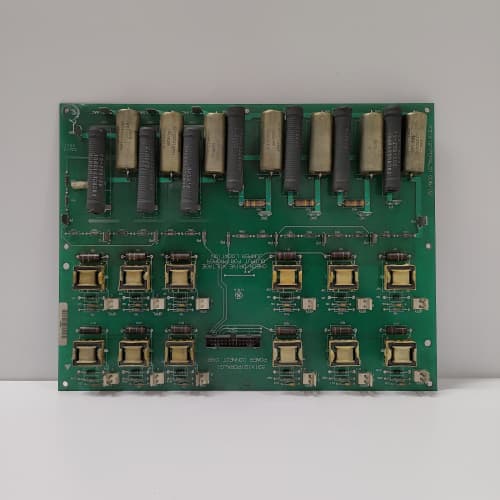
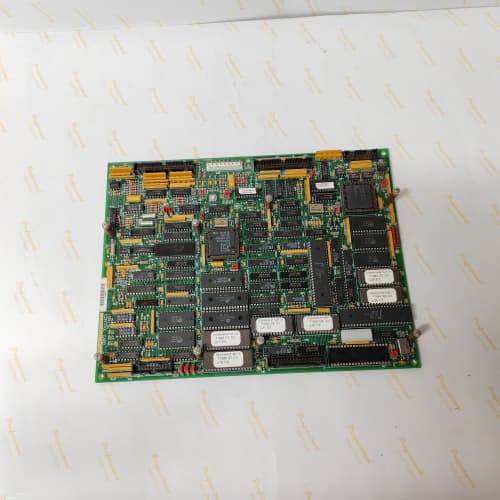
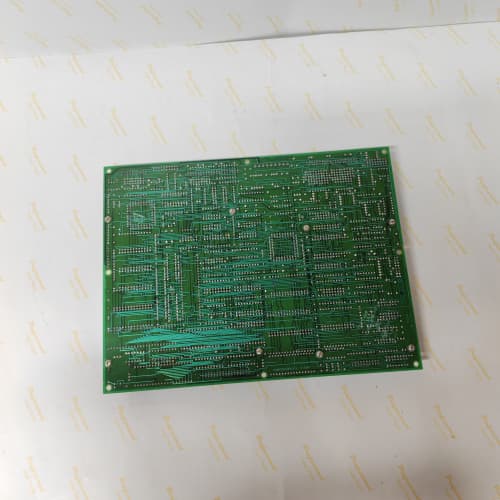
Motorola MVME2305-900 is a significant component within Motorola’s portfolio of industrial automation products. It plays a crucial role in enhancing the processing and control capabilities of industrial control systems, serving as a vital part for ensuring efficient and reliable operation in various industrial applications.
The MVME2305-900 is mainly used as a high-performance single-board computer module in industrial automation systems. Its core function is to execute complex control programs and manage the data flow within the system. It can receive input signals from a wide range of sensors and devices, process these signals through its powerful processor, and then send out control commands to actuators and other components. For example, in a manufacturing plant, the Motorola MVME2305-900 can be installed to control the entire production line. It monitors the speed, position, and status of each machine through sensors and controls the operation of motors, valves, and robotic arms to ensure smooth production. In an energy production facility, it can be used to manage the operation of generators, power distribution systems, and other electrical equipment by processing the data from various sensors and sending commands to adjust the power output.
The IC200EBI001 is mainly used as an Ethernet bridge interface module. Its core function is to enable communication between different parts of an industrial control system, especially facilitating data exchange between programmable logic controllers (PLCs) and other devices over an Ethernet network. It can receive data from PLCs, sensors, or other network-enabled devices, process and convert the data if necessary, and then transmit it to the appropriate destination devices. For example, in a large manufacturing plant, the GE Fanuc IC200EBI001 can be installed to connect multiple PLCs on different production lines to a central monitoring system. It allows the PLCs to send real-time production data such as machine status, production rates, and quality control information to the monitoring system, enabling supervisors to make informed decisions. In an energy management system of a power plant, it can communicate with various electrical devices and meters, collecting data on power generation, consumption, and distribution, and sending this data to the control center for analysis and optimization.
GE Fanuc A6500-UM is a significant component within GE Fanuc’s range of industrial automation products. It plays a crucial role in enhancing the control and monitoring capabilities of industrial systems, serving as an essential part for ensuring the efficient and stable operation of various industrial processes.
The A6500-UM is mainly used as a universal module in industrial control systems. Its core function is to interface with different types of input/output devices, sensors, and actuators. It can receive a wide variety of input signals such as analog signals (e.g., from temperature or pressure sensors) and digital signals (e.g., from switches or relays). After processing these input signals according to pre-programmed logic, it sends out appropriate control commands to the relevant actuators to regulate the operation of the industrial equipment. For example, in a manufacturing plant, the GE Fanuc A6500-UM can be installed to manage the production line. It monitors the speed, position, and status of the machinery through connected sensors and controls the operation of motors, valves, and other devices to ensure the smooth running of the production process. In an energy production facility, it can be used to monitor and control the operation of generators, power distribution systems, and other electrical equipment.
Siemens CP451-51 is a significant component within Siemens’ portfolio of industrial automation products. It plays a crucial role in enhancing the communication capabilities of industrial control systems, serving as an essential part for ensuring seamless data transfer and coordination among different devices in various industrial applications.
The CP451-51 is mainly used as a communication processor. Its core function is to enable communication between programmable logic controllers (PLCs), human-machine interfaces (HMIs), and other field devices. It can receive data from different sources, process them if necessary, and then transmit the data to the appropriate destination. For example, in a manufacturing plant, the Siemens CP451-51 can be installed to connect multiple PLCs on different production lines. It allows these PLCs to exchange data such as production status, equipment parameters, and control commands, facilitating the coordinated operation of the entire production process. In a power distribution substation, it can communicate with various electrical devices like circuit breakers, transformers, and power meters, collecting real-time data and sending it to the central control system for monitoring and management.
Emerson 8811-IO-DC 8811-IO-DC-01 is a significant component within Emerson’s portfolio of industrial automation products. It plays a crucial role in enhancing the input/output (I/O) capabilities of industrial control systems, serving as an essential part for ensuring smooth data exchange and control in various industrial applications.
The 8811-IO-DC 8811-IO-DC-01 is mainly used as a digital input/output module for direct current (DC) applications. Its core function is to receive digital input signals from external devices such as sensors, switches, and pushbuttons, and transmit digital output signals to control actuators like relays, solenoids, and indicator lights. It acts as an interface between the control system and the field devices, enabling the control system to monitor the status of the field and send commands to control the operation of the equipment. For example, in a manufacturing plant, the Emerson 8811-IO-DC 8811-IO-DC-01 can be installed to monitor the on/off status of motors, conveyors, and other machinery through digital input signals from proximity sensors. Based on the received input signals, it can send digital output signals to start or stop the motors, or to trigger alarms. In a process control system of a chemical plant, it can be used to control the opening and closing of valves by sending digital output signals according to the control commands from the central control system.
Schneider SPS5710-2-LF 51198685-100 is a significant component within Schneider’s portfolio of industrial automation products. It plays a crucial role in enhancing the control and automation capabilities of industrial systems, serving as a key element for ensuring efficient and reliable operation.
The SPS5710-2-LF 51198685-100 is mainly used as a high-performance programmable logic controller (PLC) module. Its core function is to execute control programs that are programmed to manage various industrial processes. It receives input signals from a wide range of sensors, such as temperature sensors, pressure sensors, and flow sensors, which monitor the status of the industrial process. After processing these input signals according to the pre-programmed logic, it sends out control commands to actuators like motors, valves, and solenoids to regulate the operation of the industrial equipment. For example, in a chemical manufacturing plant, the Schneider SPS5710-2-LF 51198685-100 can be installed to control the chemical reaction process. It monitors the temperature, pressure, and chemical composition of the reaction mixture through sensors and adjusts the flow rate of reactants and the operation of cooling or heating systems by sending commands to the relevant actuators. In a food processing factory, it can be used to control the packaging process, ensuring that the products are packaged accurately and efficiently.
GE Fanuc IC693CPU350-BC is a significant component within GE Fanuc’s portfolio of industrial automation products. It serves as a crucial part in enhancing the control and processing capabilities of industrial systems, playing a vital role in ensuring smooth operation and efficient management of various industrial applications.
The IC693CPU350-BC is primarily used as a programmable logic controller (PLC) processor. Its core function is to execute control programs that are programmed by engineers. It receives input signals from a wide range of sources such as sensors (temperature sensors, pressure sensors, proximity sensors, etc.) that monitor the status of the industrial process. After processing these input signals according to the stored logic programs, it sends out control commands to actuators like motors, valves, and relays to regulate the operation of the industrial equipment. For example, in a manufacturing plant, the GE Fanuc IC693CPU350-BC can be installed to control the assembly line. It monitors the position of parts on the conveyor belt through sensors and controls the robotic arms to pick and place the parts accurately. In an energy production facility, it can manage the operation of generators and power distribution systems by processing the data from various electrical sensors and sending commands to adjust the power output.
The SC540 3BSE006096R1 is mainly used as a high-performance control and communication module. Its core function is to collect data from a wide variety of sensors in the industrial system, including but not limited to temperature sensors, pressure sensors, and position sensors. After receiving these input signals, it processes them through advanced algorithms and logic programs. Then, it sends out precise control commands to actuators such as motors, valves, and relays to regulate the operation of the equipment. Additionally, it enables seamless communication between different parts of the system, facilitating the exchange of data and coordination of various processes. For example, in a large-scale manufacturing plant, the ABB SC540 3BSE006096R1 can be installed to manage the entire production line. It monitors the speed and status of each production device, and based on the real-time data, it adjusts the operation parameters to optimize the production efficiency. In a power plant, it can monitor the electrical parameters of generators and power distribution systems, and communicate with the central control room to ensure the stable supply of electricity.
ABB SC510 3BSE003832R1 is a significant component within ABB’s portfolio of industrial automation products. It plays a vital role in enhancing the control and monitoring capabilities of industrial systems, serving as an essential part for ensuring smooth operation and efficient management.
The SC510 3BSE003832R1 is mainly used as a control and communication module. Its core function is to receive input signals from various sensors and devices within the industrial system, process these signals according to pre-programmed logic, and then send out appropriate control commands to actuators or other components. Additionally, it enables communication between different parts of the system, facilitating data exchange and coordination. For example, in a manufacturing plant, the ABB SC510 3BSE003832R1 can be installed to manage the production line. It can receive data from sensors monitoring the position, speed, and status of machinery, and based on this information, it controls the operation of motors, valves, and other equipment to ensure the production process runs smoothly. In a power distribution substation, it can monitor the electrical parameters such as voltage, current, and power factor, and communicate this data to the central control system for analysis and decision-making.
ABB GFD563A101 3BHE046836R0101 is a significant component within ABB’s range of industrial automation products. It plays a crucial role in enhancing the performance and functionality of industrial systems, particularly in applications related to power conversion and control.
The GFD563A101 3BHE046836R0101 is mainly used as a power control module. Its core function is to manage and regulate the power flow within the system. It can receive input signals related to power parameters such as voltage, current, and frequency from various sensors. Based on these input signals and pre-programmed control algorithms, it adjusts the power output to ensure stable and efficient operation of the connected equipment. For example, in an industrial power distribution system, the ABB GFD563A101 3BHE046836R0101 can be installed to monitor and control the power supply to different production lines. It ensures that the voltage and current supplied to the equipment are within the optimal range, preventing damage due to power fluctuations. In a renewable energy power plant, it can be used to manage the power generated by wind turbines or solar panels, converting and regulating the power to match the grid requirements.
Woodward S62001-550 is a significant component within Woodward’s portfolio of industrial automation products. It plays a crucial role in enhancing the control and regulation capabilities of industrial systems, especially in applications related to power generation and engine control.
The S62001-550 is mainly used as a high-performance control module. Its core function is to receive input signals from various sensors, such as temperature sensors, pressure sensors, and speed sensors, and based on pre-programmed algorithms, it processes these signals to send out precise control commands to actuators. For example, in a gas turbine power generation system, the Woodward S62001-550 can be installed to monitor the operating parameters of the turbine. It continuously receives data on the turbine’s speed, temperature, and pressure, and adjusts the fuel supply and other control parameters to ensure the stable operation of the turbine and optimize power generation efficiency. In an engine control system of a large industrial vehicle, it can control the engine’s speed, fuel injection, and ignition timing to meet the vehicle’s performance requirements.
Bently 135489-01 is a significant component within Bently’s range of industrial automation products. It plays a crucial role in the monitoring and protection of industrial machinery and equipment, serving as an essential part for ensuring the reliable operation of industrial systems.
The 135489-01 is mainly used as a high-precision vibration monitoring module. Its core function is to detect and analyze the vibration signals of machinery, such as turbines, motors, and compressors. It can receive vibration data from sensors installed on the machinery, process these signals using advanced algorithms, and provide accurate information about the vibration amplitude, frequency, and phase. This information is then used to monitor the health status of the machinery and detect any potential faults or abnormal conditions in advance. For example, in a power plant, the Bently 135489-01 can be installed on a steam turbine. It continuously monitors the turbine’s vibration levels and patterns. If there is an increase in vibration amplitude or a change in the vibration frequency, it can alert the operators immediately, allowing them to take preventive measures to avoid costly breakdowns. In a manufacturing plant, it can be used to monitor the vibration of large motors driving production equipment, ensuring the smooth operation of the production line.