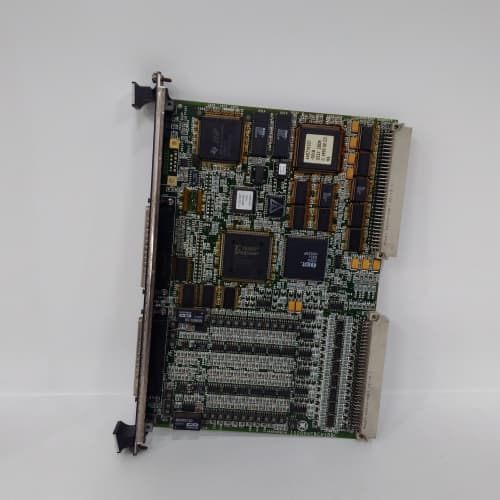
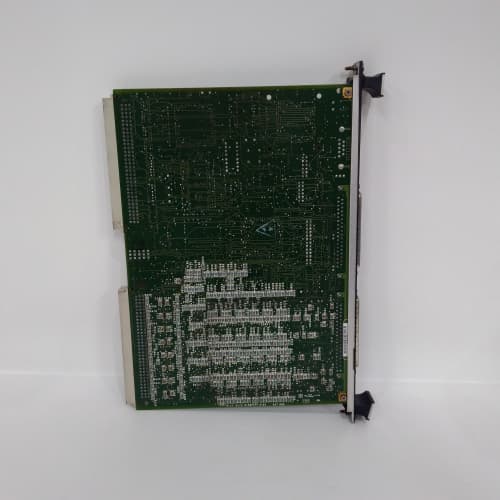
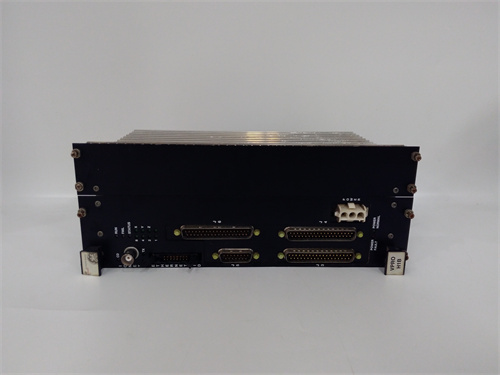
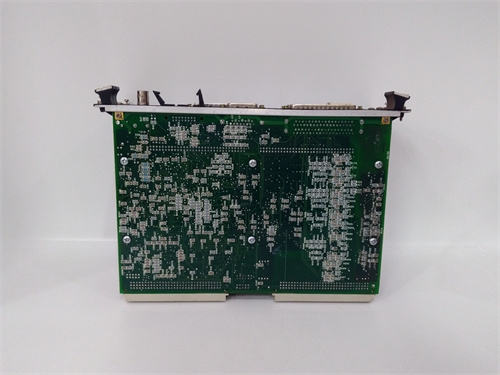
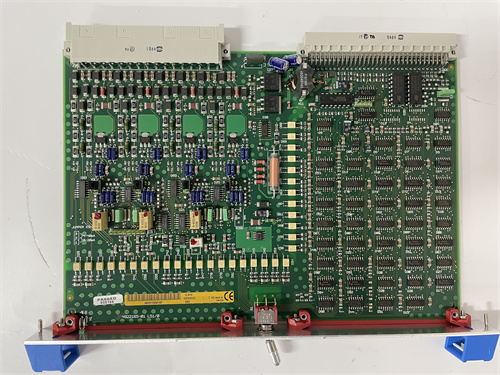
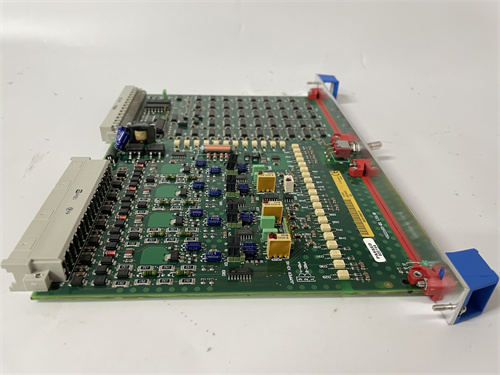
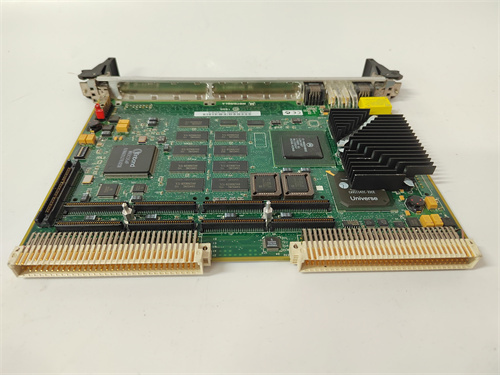
The GE IS200VCRCH1B is a high-performance VME bus CRT controller board designed specifically for GE’s Mark VI and Mark VIe distributed control systems used in power generation and industrial turbomachinery applications. As part of GE’s extensive Mark series control system portfolio, this model serves as a critical human-machine interface component that generates display signals for operator workstations and engineering terminals. The GE IS200VCRCH1B incorporates advanced video processing capabilities to render complex process graphics, real-time data trends, and alarm displays with exceptional clarity and refresh rates. This CRT controller board features GE’s proprietary VME backplane interface, enabling seamless integration with turbine control processors and I/O modules. The GE IS200VCRCH1B represents GE’s commitment to providing comprehensive display solutions for the most demanding power generation and industrial processing environments.
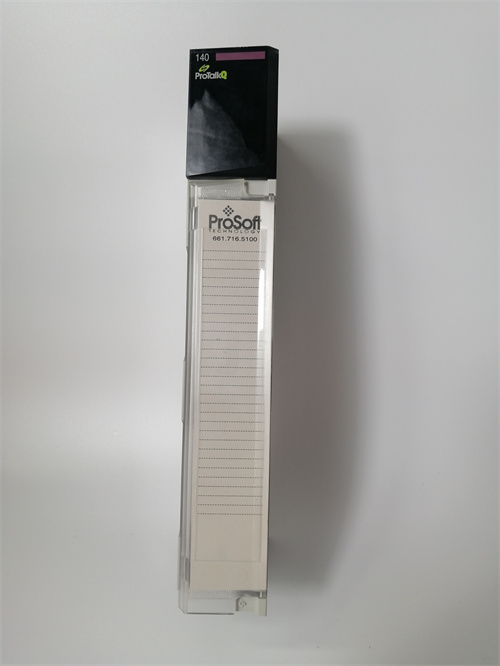
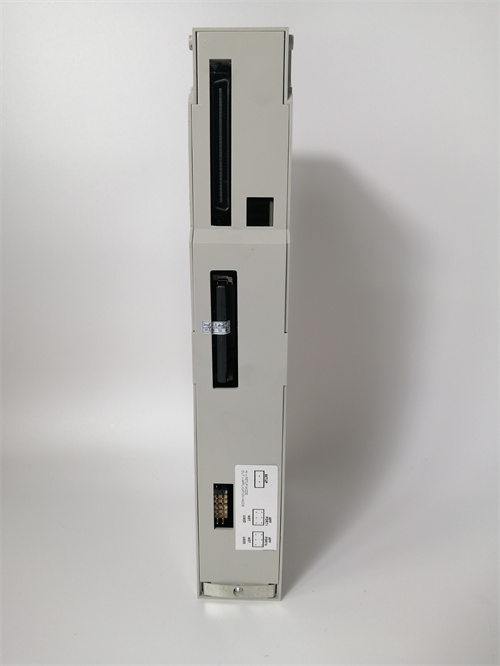
The PROSOFT PTQ-PDPMV1 is a sophisticated PROFIBUS DP Master network interface module designed by ProSoft Technology to enable seamless communication between Rockwell Automation ControlLogix programmable automation controllers and PROFIBUS DP slave devices. This powerful communication gateway serves as a critical bridge between two of the most widely used industrial protocols, allowing ControlLogix platforms to communicate directly with PROFIBUS DP networks without requiring custom programming or complex protocol conversion. The PTQ-PDPMV1 module represents ProSoft’s commitment to providing reliable, high-performance connectivity solutions that simplify multi-vendor system integration. Engineered for demanding industrial environments, the PROSOFT PTQ-PDPMV1 ensures deterministic data exchange between ControlLogix controllers and a wide range of PROFIBUS DP devices including drives, I/O blocks, sensors, actuators, and process instruments.
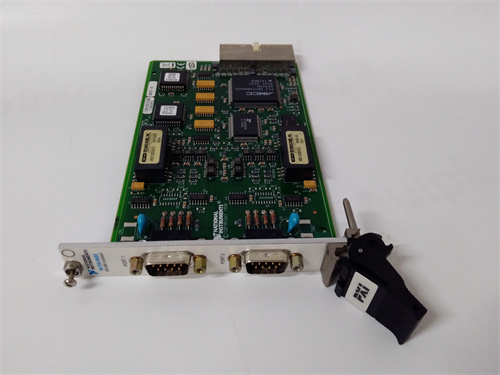
The NI PXI-1031 is a rugged and compact 3U PXI (PCI eXtensions for Instrumentation) chassis designed by National Instruments for modular instrumentation and data acquisition applications. As part of NI’s extensive PXI platform, this model serves as the foundational enclosure that houses PXI modules, providing power, cooling, and high-performance backplane connectivity for synchronized measurement and control systems. The NI PXI-1031 features a 3-slot chassis configuration, making it ideal for portable and space-constrained test systems requiring moderate channel counts. This chassis incorporates NI’s advanced timing and triggering capabilities, enabling precise synchronization between multiple modules for coherent data acquisition and generation. The NI PXI-1031 represents NI’s commitment to providing reliable, high-performance platforms for automated test, measurement, and control applications across diverse industries.
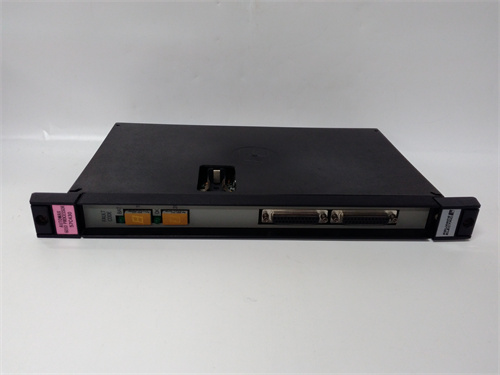
The RELIANCE ELECTRIC 57C431 is a high-performance Processor Module from the renowned AutoMax Distributed Control System (DCS) family, originally developed by Reliance Electric (now part of Rockwell Automation). This powerful CPU module serves as the computational heart of the AutoMax system, responsible for executing complex control programs, managing I/O communications, and coordinating multi-tasking operations in real-time industrial environments. The 57C431 represents Reliance Electric’s commitment to providing robust, reliable control solutions for demanding applications across metals, paper, material handling, and other heavy industries. Engineered with a redundant architecture option and extensive diagnostic capabilities, the RELIANCE ELECTRIC 57C431 ensures continuous operation in mission-critical applications where downtime is unacceptable.
The GE IS215VPROH1BD is a high-performance VME bus PowerPC processor module designed for GE’s Mark VI and Mark VIe distributed control systems used in power generation and industrial turbomachinery applications. As part of GE’s extensive control system portfolio, this model serves as the central processing unit for critical turbine control, protection, and monitoring functions. The GE IS215VPROH1BD incorporates advanced PowerPC architecture with substantial memory resources to execute complex control algorithms with exceptional speed and determinism. This processor module features GE’s proprietary VME backplane interface, enabling seamless communication with I/O modules, network interfaces, and redundant processors in critical applications. The GE IS215VPROH1BD represents GE’s commitment to providing reliable, high-performance computing platforms for the most demanding power generation and industrial processing environments.
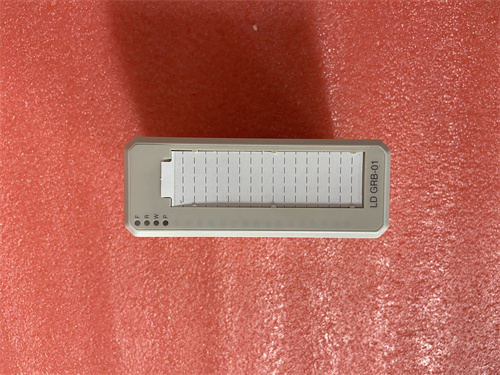
The ABB LDGRB-01 3BSE013177R1 is a sophisticated Remote I/O (Input/Output) module designed as an integral component of ABB’s distributed control systems, particularly within the Advant Controller 400 series and compatible with the SattLine and S800 I/O families. This versatile module serves as a critical interface between field devices—such as sensors, actuators, and transmitters—and the central control system, enabling reliable data acquisition and control signal distribution in industrial automation environments. The LDGRB-01 represents ABB’s commitment to modular, scalable I/O solutions that can be distributed throughout a facility to reduce wiring costs and improve signal integrity. With its rugged construction and intelligent design, the 3BSE013177R1 ensures accurate and reliable communication between the process and the control system, even in harsh industrial conditions.
The ABB PDD205A1121 (full part number 3BHE023784R1121) is a specialized Drive Control Board designed as a critical component within ABB’s medium voltage AC drive systems, particularly the ACS1000 and ACS6000 series. This advanced control board serves as the central intelligence for motor drive operations, responsible for executing complex control algorithms, generating firing pulses for power semiconductors, and managing real-time communication between the drive and external control systems. The PDD205A1121 represents ABB’s commitment to precision motor control, incorporating decades of drive technology expertise into a compact, rugged module. Engineered for the demanding environments typical of heavy industry, the ABB PDD205A1121 ensures reliable, efficient, and precise control of medium voltage motors in critical applications where downtime carries significant financial consequences.
The ABB OCAHG 492838402 is a high-performance auxiliary contact block designed for ABB’s industrial control and switching devices. As part of ABB’s comprehensive control product portfolio, this model serves as an essential accessory for contactors, motor starters, and circuit breakers requiring additional signaling or control contacts. The ABB OCAHG 492838402 features ABB’s proven contact technology, ensuring reliable electrical performance in demanding industrial automation environments. This auxiliary contact block provides multiple normally open and normally closed contact configurations, enabling flexible integration into complex control circuits. The ABB OCAHG 492838402 represents ABB’s commitment to quality and reliability in industrial control components, offering extended electrical and mechanical life for applications requiring frequent operation.
The MOTOROLA MVME2400 is a high-performance VMEbus-based Single Board Computer (SBC) that was originally developed by Motorola’s Computer Group (later acquired by Emerson Network Power). This powerful computing module represents a significant advancement in embedded computing technology, designed to deliver exceptional processing power for demanding real-time applications in industrial, military, and telecommunications environments. Built around the PowerPC architecture, the MVME2400 series provides a robust and scalable platform for applications requiring intensive computation, rapid data processing, and reliable operation under harsh conditions. The MOTOROLA MVME2400 has become a legendary workhorse in the VMEbus community, renowned for its longevity, reliability, and performance in mission-critical systems where downtime is not an option.
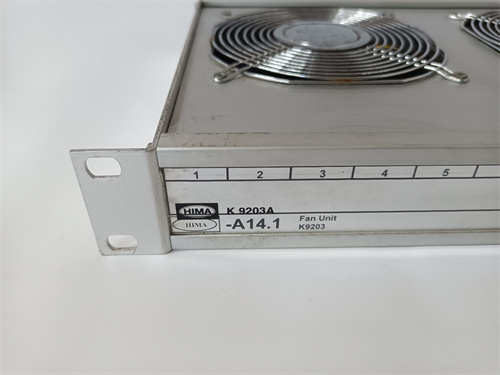
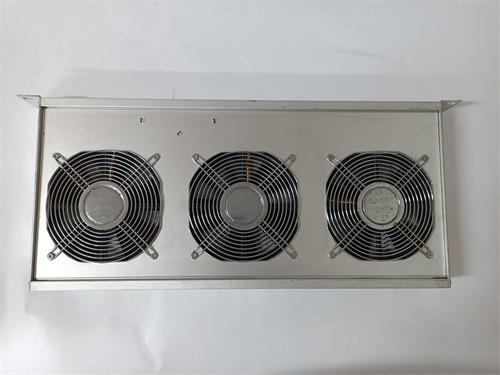
The HIMA K9203 996920302 is a high-integrity safety-related power supply module designed specifically for HIMA’s renowned safety instrumented systems (SIS). As part of the HIMA Planar family, this model serves as a critical power distribution component that ensures reliable and uninterrupted power delivery to safety controllers and I/O modules in process safety applications. The HIMA K9203 996920302 incorporates redundant design principles and comprehensive monitoring capabilities to achieve the highest levels of functional safety integrity. This power supply module features HIMA’s proprietary safety architecture, enabling SIL (Safety Integrity Level) 3 applications per IEC 61508 standards. The HIMA K9203 996920302 represents HIMA’s commitment to providing fail-safe power solutions essential for protecting personnel, equipment, and the environment in hazardous industrial settings.
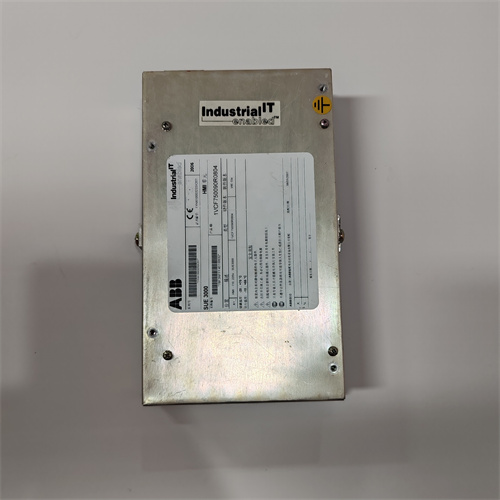
The ABB SUE3000 1VCR007346 G0028 is a sophisticated Central Processing Unit (CPU) module belonging to the renowned SattCon 3000 series of programmable logic controllers. Originally developed by SattControl (later acquired by ABB), this unit represents a robust and reliable solution for demanding industrial automation applications. The 1VCR007346 G0028 designation specifies a particular hardware revision and configuration of the SUE3000 CPU, designed to execute complex control logic, manage I/O communications, and coordinate system operations in real-time. Known for its rugged construction and deterministic performance, the ABB SUE3000 1VCR007346 G0028 continues to be a sought-after component for maintaining and upgrading existing SattCon-based automation systems, particularly in industries where longevity and reliability are paramount.
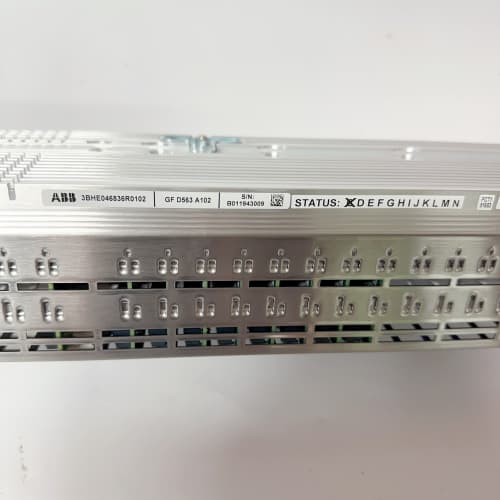
The ABB GFD563A102 3BHE046836R0102 is a high-performance excitation system module designed for synchronous motor and generator control applications. As part of ABB’s renowned UNITROL product family, this model serves as a critical component in power generation and industrial drive systems requiring precise field current regulation. The ABB GFD563A102 3BHE046836R0102 incorporates advanced digital signal processing technology to deliver exceptional voltage regulation and power factor control. This excitation module features ABB’s proprietary control algorithms that ensure stable operation under varying load conditions and grid disturbances. The ABB GFD563A102 3BHE046836R0102 represents the pinnacle of ABB’s expertise in power electronics and excitation system design, offering reliability essential for critical power infrastructure applications.