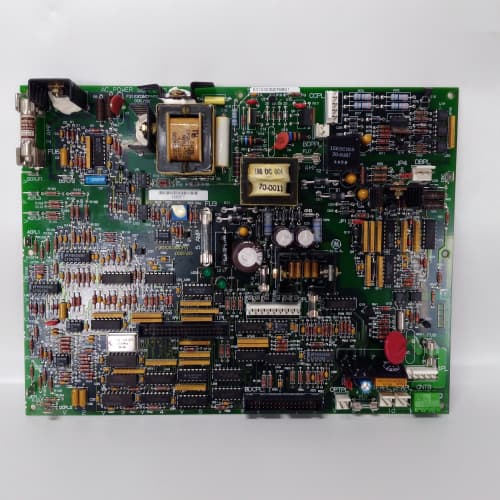
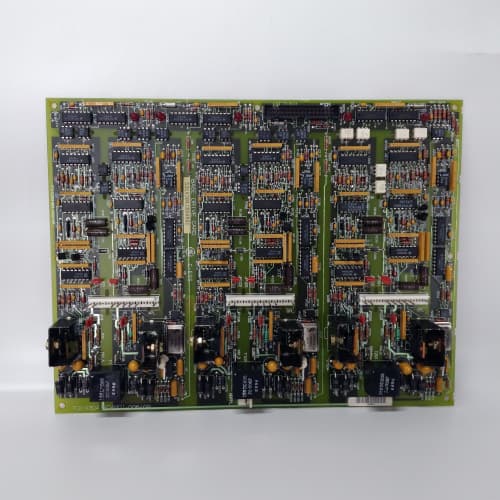
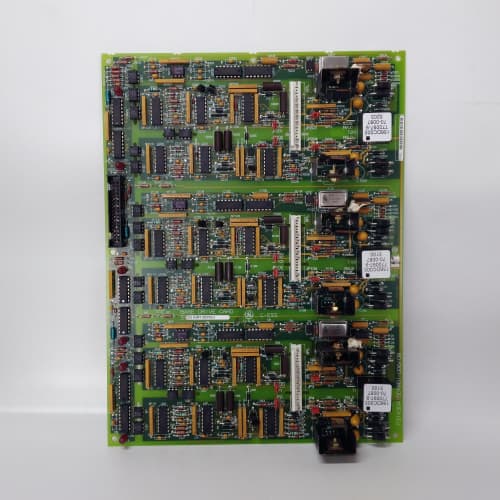
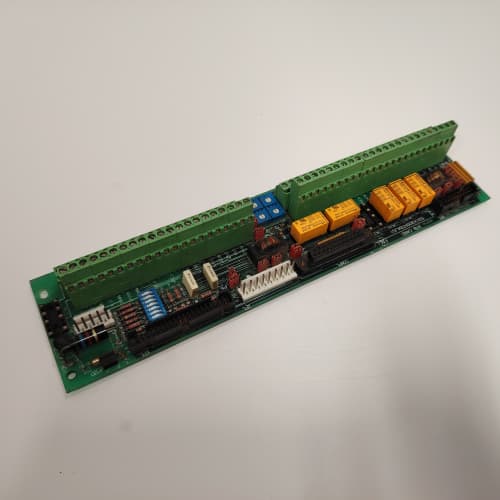
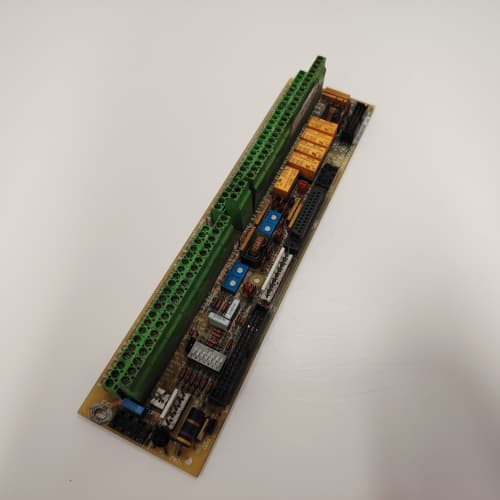
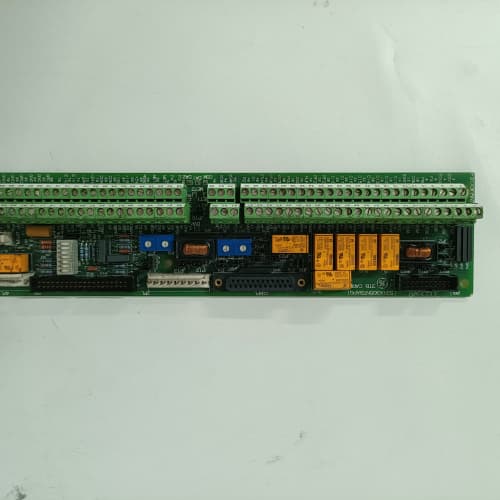
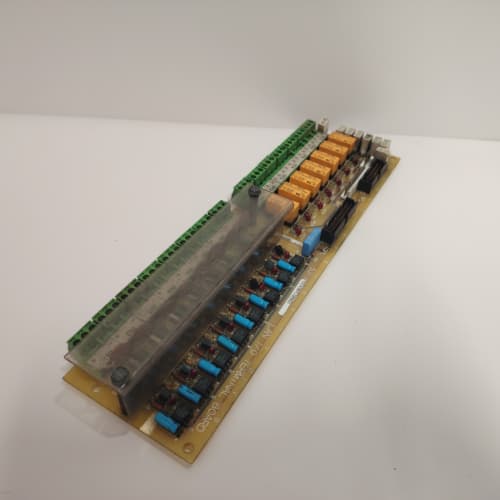
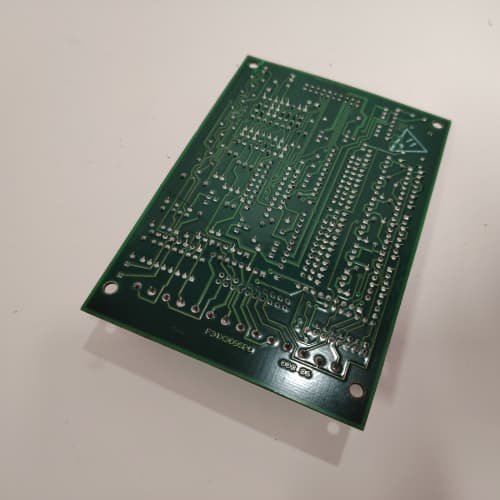
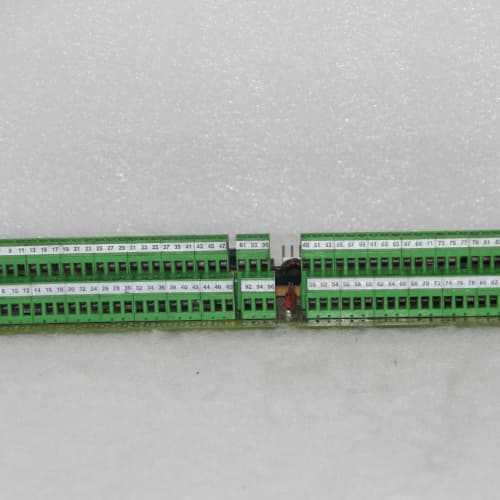
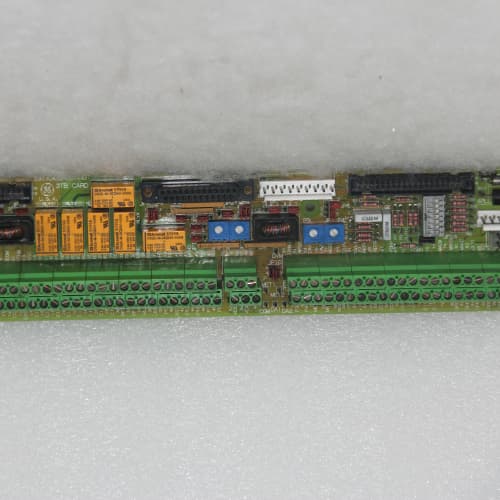
The 531X123PCHACG1 is a high-performance power control and communication board manufactured by GE Energy (now part of GE Power Conversion) as part of the 531X series of drive control products. This board serves as a specialized control and communication interface module for GE drive systems, providing Form A relay outputs, control inputs, and communication capability for demanding drive applications. The 531X123PCHACG1 is designed to interface with the 531X100CCHAPM1, 531X100CCHARM1, 531X100CCHBCG1, and other 531X series control boards, enabling reliable power control with network connectivity for remote monitoring and control. It is engineered for heavy-duty industrial applications requiring integrated relay control and network communication, including rolling mills, mine hoists, turbine auxiliary systems, and large pump/fan drives.
The 531X122PCNAMG1 is a high-performance power control and network interface board manufactured by GE Energy (now part of GE Power Conversion) as part of the 531X series of drive control products. This board serves as a specialized control and communication interface module for GE drive systems, providing Form A relay outputs combined with robust network communication capability. The 531X122PCNAMG1 is designed to interface with the 531X100CCHAPM1, 531X100CCHARM1, 531X100CCHBCG1, and other 531X series control boards, enabling reliable power control with network connectivity for remote monitoring and control. It is engineered for heavy-duty industrial applications requiring integrated relay control and network communication, including rolling mills, mine hoists, turbine auxiliary systems, and large pump/fan drives.
The 531X122PCNALG2 is an advanced high-performance power control and network interface board manufactured by GE Energy (now part of GE Power Conversion) as part of the 531X series of drive control products. This board serves as an enhanced control and communication interface module for GE drive systems, providing Form C (changeover) relay outputs combined with robust network communication capability and improved diagnostic features. The 531X122PCNALG2 is designed to interface with the 531X100CCHAPM1, 531X100CCHARM1, 531X100CCHBCG1, and other 531X series control boards, enabling flexible power control with both normally open and normally closed contacts for fail‑safe applications, along with network connectivity for remote monitoring and control. It is engineered for heavy-duty industrial applications requiring integrated relay control and network communication, including rolling mills, mine hoists, turbine auxiliary systems, and large pump/fan drives.
The 531X122PCNALG1 is a high-performance power control and network interface board manufactured by GE Energy (now part of GE Power Conversion) as part of the 531X series of drive control products. This board serves as a specialized control and communication interface module for GE drive systems, providing Form C (changeover) relay outputs combined with robust network communication capability. The 531X122PCNALG1 is designed to interface with the 531X100CCHAPM1, 531X100CCHARM1, 531X100CCHBCG1, and other 531X series control boards, enabling flexible power control with both normally open and normally closed contacts for fail‑safe applications, along with network connectivity for remote monitoring and control. It is engineered for heavy-duty industrial applications requiring integrated relay control and network communication, including rolling mills, mine hoists, turbine auxiliary systems, and large pump/fan drives.
The 531X122PCNAKG1 is a high-performance power control and network interface board manufactured by GE Energy (now part of GE Power Conversion) as part of the 531X series of drive control products. This board serves as a specialized control and communication interface module for GE drive systems, providing Form A relay outputs combined with robust network communication capability. The 531X122PCNAKG1 is designed to interface with the 531X100CCHAPM1, 531X100CCHARM1, 531X100CCHBCG1, and other 531X series control boards, enabling reliable power control with network connectivity for remote monitoring and control. It is engineered for heavy-duty industrial applications requiring integrated relay control and network communication, including rolling mills, mine hoists, turbine auxiliary systems, and large pump/fan drives.
The 531X122PCNAHG1 is a high-performance power control and network interface board manufactured by GE Energy (now part of GE Power Conversion) as part of the 531X series of drive control products. This board serves as a specialized control and communication interface module for GE drive systems, providing Form C relay outputs combined with robust network communication capability. The 531X122PCNAHG1 is designed to interface with the 531X100CCHAPM1, 531X100CCHARM1, 531X100CCHBCG1, and other 531X series control boards, enabling flexible power control with both normally open and normally closed contacts for fail‑safe applications, along with network connectivity for remote monitoring and control. It is engineered for heavy-duty industrial applications requiring integrated relay control and network communication, including rolling mills, mine hoists, turbine auxiliary systems, and large pump/fan drives.
The 531X122PCNAEG1 is a high-performance power control and network interface board manufactured by GE Energy (now part of GE Power Conversion) as part of the 531X series of drive control products. This board serves as an advanced control and communication interface module for GE drive systems, providing robust power control switching combined with enhanced network communication capability. The 531X122PCNAEG1 is an enhanced variant of the 531X122PCNACG1, featuring additional diagnostic capabilities and improved performance for demanding drive applications. It is designed to interface with the 531X100CCHAPM1, 531X100CCHARM1, 531X100CCHBCG1, and other 531X series control boards, enabling robust power control and network connectivity for complex drive applications. It is engineered for heavy-duty industrial applications requiring integrated relay control and network communication, including rolling mills, mine hoists, turbine auxiliary systems, and large pump/fan drives.
The 531X122PCNACG1 is a high-performance power control and network interface board manufactured by GE Energy (now part of GE Power Conversion) as part of the 531X series of drive control products. This board serves as a specialized control and communication interface module for GE drive systems, providing reliable power control switching combined with network communication capability. The 531X122PCNACG1 is designed to interface with the 531X100CCHAPM1, 531X100CCHARM1, 531X100CCHBCG1, and other 531X series control boards, enabling robust power control and network connectivity for complex drive applications. It is engineered for heavy-duty industrial applications requiring integrated relay control and network communication, including rolling mills, mine hoists, turbine auxiliary systems, and large pump/fan drives. The 531X122PCNACG1 provides a comprehensive solution for power control and network integration.
The 531X121PCRALG1 is a high-performance power control and relay board manufactured by GE Energy (now part of GE Power Conversion) as part of the 531X series of drive control products. This board serves as a specialized power control interface and relay output module for GE drive systems, providing reliable switching and control of high‑power circuits, contactors, solenoids, and other field devices. The 531X121PCRALG1 is designed to interface with the 531X100CCHAPM1, 531X100CCHARM1, 531X100CCHBCG1, and other 531X series control boards, enabling robust power control capability. It is engineered for heavy-duty industrial applications requiring reliable relay switching and power control, including rolling mills, mine hoists, turbine auxiliary systems, and large pump/fan drives. The 531X121PCRALG1 provides a reliable power control solution with specific feature sets for demanding industrial environments.
The 531X121PCRAKG1 is a high-performance power control and relay board manufactured by GE Energy (now part of GE Power Conversion) as part of the 531X series of drive control products. This board serves as a specialized power control interface and relay output module for GE drive systems, providing reliable switching and control of high‑power circuits, contactors, solenoids, and other field devices. The 531X121PCRAKG1 is designed to interface with the 531X100CCHAPM1, 531X100CCHARM1, 531X100CCHBCG1, and other 531X series control boards, enabling robust power control capability. It is engineered for heavy-duty industrial applications requiring reliable relay switching and power control, including rolling mills, mine hoists, turbine auxiliary systems, and large pump/fan drives. The 531X121PCRAKG1 provides a reliable power control solution with specific feature sets for demanding industrial environments.
The 531X121PCRAJG1 is a high-performance power control and relay board manufactured by GE Energy (now part of GE Power Conversion) as part of the 531X series of drive control products. This board serves as a specialized power control interface and relay output module for GE drive systems, providing reliable switching and control of high‑power circuits, contactors, solenoids, and other field devices. The 531X121PCRAJG1 is designed to interface with the 531X100CCHAPM1, 531X100CCHARM1, 531X100CCHBCG1, and other 531X series control boards, enabling robust power control capability. It is engineered for heavy-duty industrial applications requiring reliable relay switching and power control, including rolling mills, mine hoists, turbine auxiliary systems, and large pump/fan drives. The 531X121PCRAJG1 provides a reliable power control solution with specific feature sets for demanding industrial environments.
The 531X121PCRAHG3 is a high-performance, high-capacity power control and relay board manufactured by GE Energy (now part of GE Power Conversion) as part of the 531X series of drive control products. This board serves as a comprehensive power control interface and relay output module for GE drive systems, providing reliable switching and control of high‑power circuits, contactors, solenoids, and other field devices. The 531X121PCRAHG3 is the most advanced Form C variant in the 121‑series, featuring maximum I/O capacity, comprehensive diagnostics, enhanced communication, ruggedized construction, and the highest level of reliability for demanding drive applications. It is designed to interface with the 531X100CCHAPM1, 531X100CCHARM1, 531X100CCHBCG1, and other 531X series control boards, enabling robust power control capability. It is engineered for the most demanding heavy-duty industrial applications requiring Form C relay switching and power control, including large rolling mills, mine hoists, turbine auxiliary systems, and large pump/fan drives. The 531X121PCRAHG3 provides the definitive Form C power control solution for GE drive controls in extreme industrial environments.