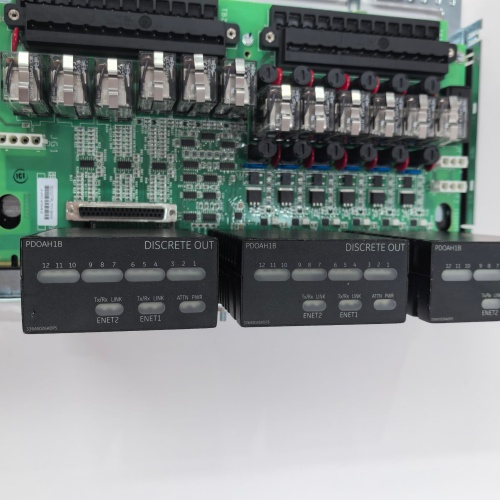
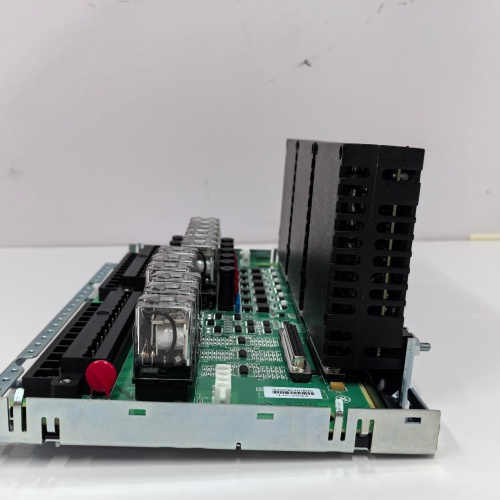
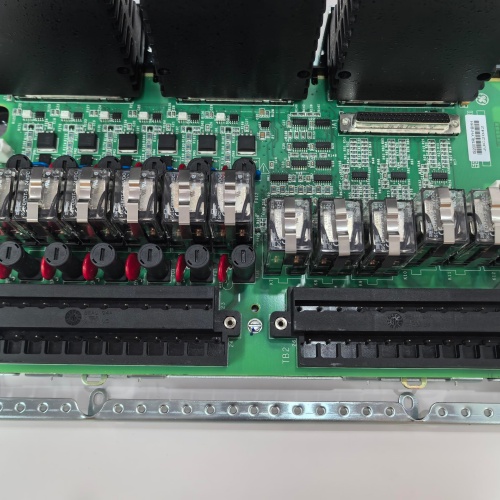
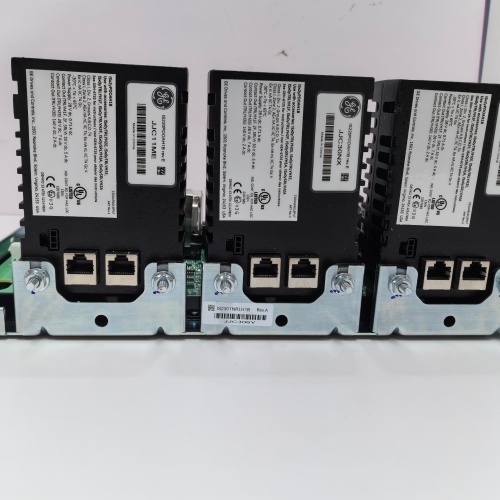
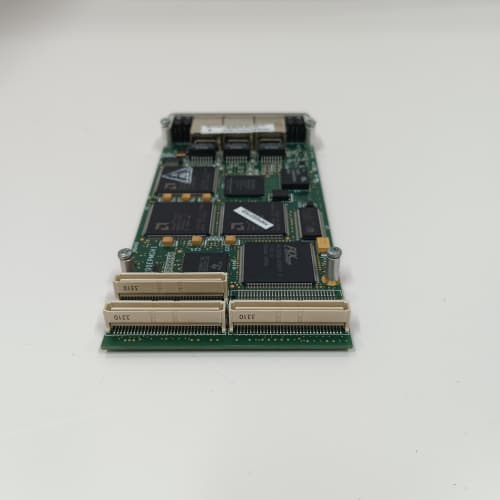
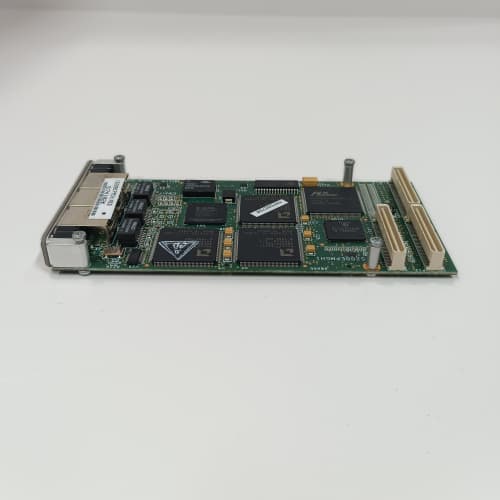
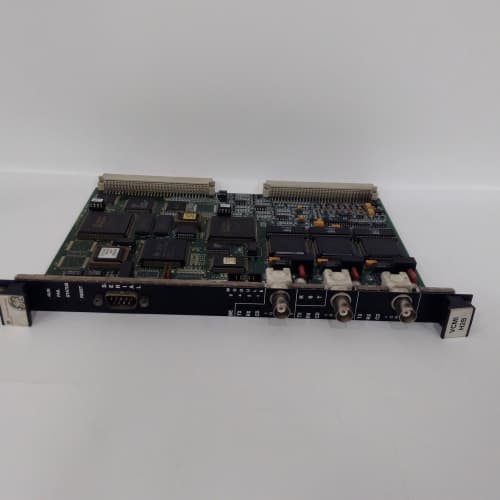
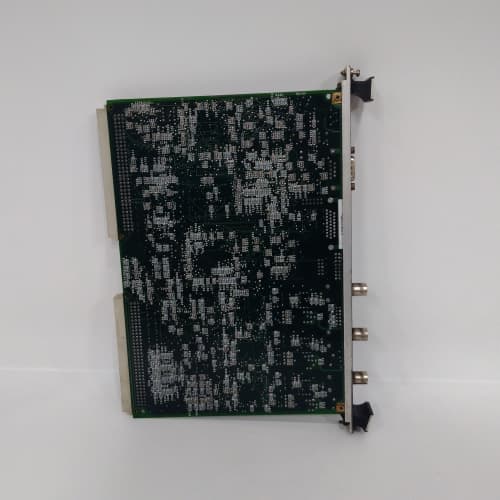
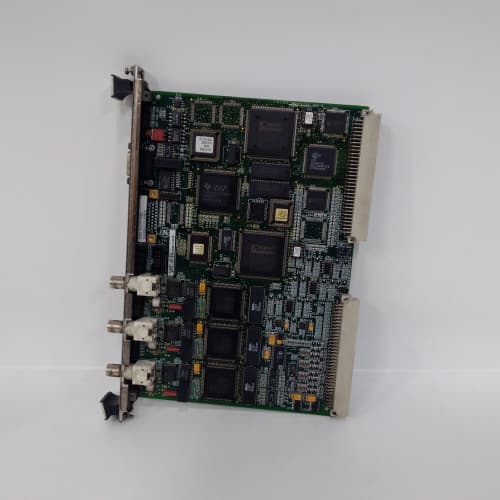
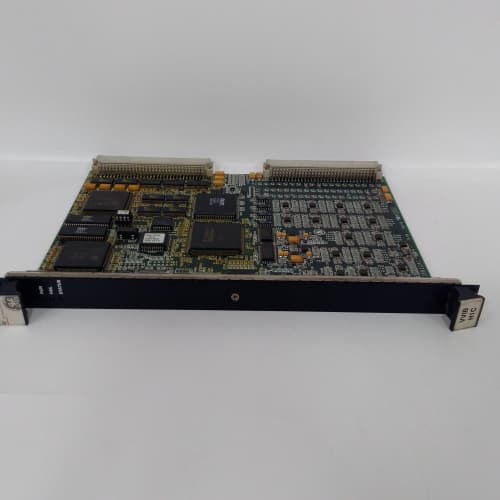
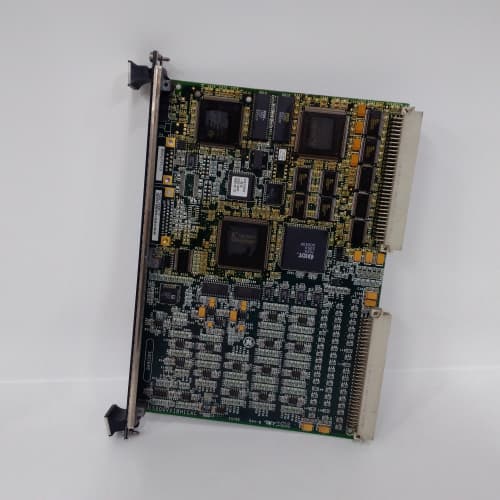
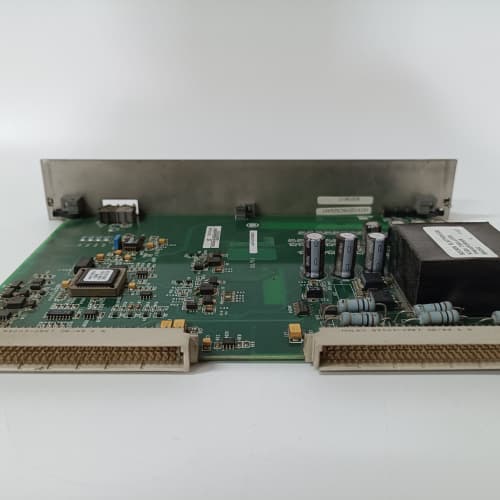
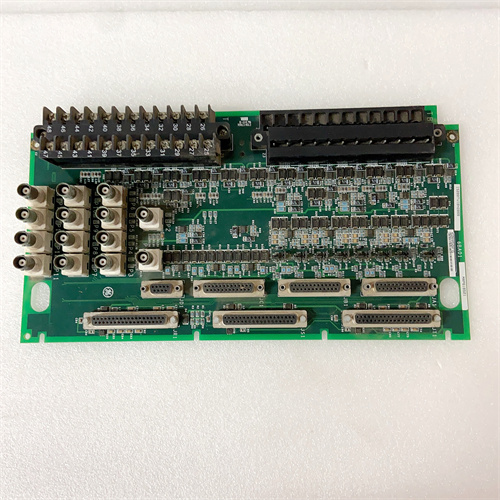
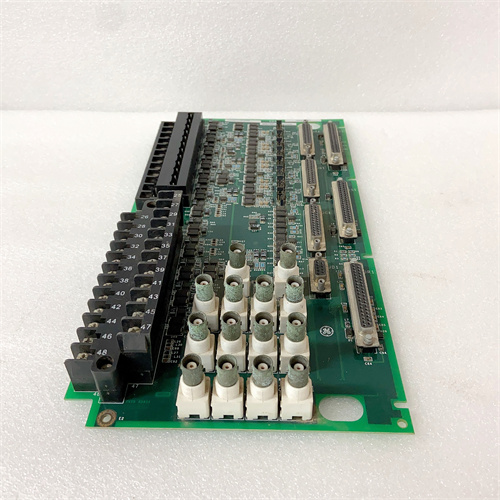
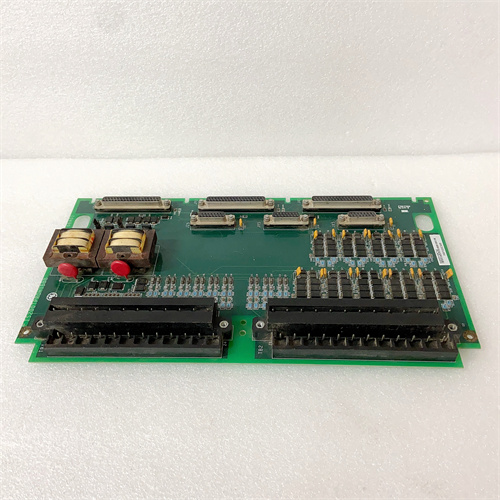
The IS200BLIGH1AAB is a Mark VIe Bridge / Link Interface and Gateway Hub Module manufactured by GE (now Emerson) for the Speedtronic™ Mark V and Mark VIe turbine control systems. The “BLIGH1” designation indicates a module designed for bridge interface, link communication, and gateway hub functions, providing high-density input capabilities with integrated bridge, communication link, and gateway hub for connecting to external systems and plant networks. The “AAB” suffix denotes a specific hardware revision with enhanced diagnostics, advanced signal conditioning, and improved performance optimized for the Mark VIe platform.
The IS200BLIGH1AAB functions as a central bridge, link, and gateway hub module, consolidating multiple input signals, providing bridge functionality for external system connectivity, and acting as a gateway hub for comprehensive plant network integration. It is designed for applications requiring centralized input processing, bridging capabilities, and gateway hub functions.
The IS200BLIGH1A is a Mark VIe Bridge / Link Interface and Gateway Hub Module manufactured by GE (now Emerson) for the Speedtronic™ Mark V and Mark VIe turbine control systems. The “BLIGH1” designation indicates a module designed for bridge interface, link communication, and gateway hub functions, providing high-density input capabilities with integrated bridge, communication link, and gateway hub for connecting to external systems and plant networks. The “A” suffix denotes a specific hardware revision and firmware configuration optimized for the Mark VIe platform.
The IS200BLIGH1A functions as a central bridge, link, and gateway hub module, consolidating multiple input signals, providing bridge functionality for external system connectivity, and acting as a gateway hub for comprehensive plant network integration. It is designed for applications requiring centralized input processing, bridging capabilities, and gateway hub functions.
The IS200BICRH1A is a Mark VIe Bridge / Input and Communication Router Module manufactured by GE (now Emerson) for the Speedtronic™ Mark V and Mark VIe turbine control systems. The “BICRH1” designation indicates a module designed for bridge interface, input processing, and communication router functions, providing high-density input capabilities with integrated bridge and communication routing for flexible data distribution and plant network integration. The “A” suffix denotes a specific hardware revision and firmware configuration optimized for the Mark VIe platform.
The IS200BICRH1A functions as a central bridge, input, and communication router module, consolidating multiple input signals, providing bridge functionality for external system connectivity, and acting as a communication router for flexible data distribution across plant networks. It is designed for applications requiring centralized input processing, bridging capabilities, and communication routing functions.
The IS200BICMH1AAA is a Mark VIe Bridge / Input and Communication Master Module manufactured by GE (now Emerson) for the Speedtronic™ Mark V and Mark VIe turbine control systems. The “BICMH1” designation indicates a module designed for bridge interface, input processing, and master communication link functions, providing high-density input capabilities with integrated bridge and master communication link for centralized data aggregation and plant network integration. The “AAA” suffix denotes a specific hardware revision with enhanced diagnostics, advanced signal conditioning, extended temperature tolerance, and improved processing capabilities optimized for the Mark VIe platform.
The IS200BICMH1AAA functions as a central bridge, input, and master communication link module, consolidating multiple input signals, providing bridge functionality for external system connectivity, and acting as a master communication hub for plant network integration. It is designed for applications requiring centralized input processing, bridging capabilities, and master communication link functions.
The IS200BICMH1A is a Mark VIe Bridge / Input and Communication Master Module manufactured by GE (now Emerson) for the Speedtronic™ Mark V and Mark VIe turbine control systems. The “BICMH1” designation indicates a module designed for bridge interface, input processing, and master communication link functions, providing high-density input capabilities with integrated bridge and master communication link for centralized data aggregation and plant network integration. The “A” suffix denotes a specific hardware revision and firmware configuration optimized for the Mark VIe platform.
The IS200BICMH1A functions as a central bridge, input, and master communication link module, consolidating multiple input signals, providing bridge functionality for external system connectivity, and acting as a master communication hub for plant network integration. It is designed for applications requiring centralized input processing, bridging capabilities, and master communication link functions.
The IS200BICLH1BBA is a Mark VIe Bridge / Input and Communication Link Module manufactured by GE (now Emerson) for the Speedtronic™ Mark V and Mark VIe turbine control systems. The “BICLH1” designation indicates a module designed for bridge interface, input processing, and communication link functions, providing high-density input capabilities with integrated bridge and communication link for connecting to external systems and plant networks. The “BBA” suffix denotes a specific hardware revision with enhanced diagnostics, advanced signal conditioning, improved processing, and extended performance optimized for the Mark VIe platform.
The IS200BICLH1BBA functions as a central bridge, input, and communication link module, consolidating multiple input signals, providing bridge functionality for external system connectivity, and offering communication link functions for plant network integration. It is designed for applications requiring centralized input processing, bridging capabilities, communication link functions, and robust performance.
The IS200BICLH1BAA is a Mark VIe Bridge / Input and Communication Link Module manufactured by GE (now Emerson) for the Speedtronic™ Mark V and Mark VIe turbine control systems. The “BICLH1” designation indicates a module designed for bridge interface, input processing, and communication link functions, providing high-density input capabilities with integrated bridge and communication link for connecting to external systems and plant networks. The “BAA” suffix denotes a specific hardware revision with enhanced diagnostics, advanced signal conditioning, and improved performance optimized for the Mark VIe platform.
The IS200BICLH1BAA functions as a central bridge, input, and communication link module, consolidating multiple input signals, providing bridge functionality for external system connectivity, and offering communication link functions for plant network integration. It is designed for applications requiring centralized input processing, bridging capabilities, communication link functions, and robust performance.
The IS200BICLH1B is a Mark VIe Bridge / Input and Communication Link Module manufactured by GE (now Emerson) for the Speedtronic™ Mark V and Mark VIe turbine control systems. The “BICLH1” designation indicates a module designed for bridge interface, input processing, and communication link functions, providing high-density input capabilities with integrated bridge and communication link for connecting to external systems and plant networks. The “B” suffix denotes a specific hardware revision with enhanced processing power, improved communication capabilities, and extended diagnostics optimized for the Mark VIe platform.
The IS200BICLH1B functions as a central bridge, input, and communication link module, consolidating multiple input signals, providing bridge functionality for external system connectivity, and offering communication link functions for plant network integration. It is designed for applications requiring centralized input processing, bridging capabilities, communication link functions, and robust performance.
The IS200BICLH1AFE is a Mark VIe Bridge / Input and Communication Link Module manufactured by GE (now Emerson) for the Speedtronic™ Mark V and Mark VIe turbine control systems. The “BICLH1” designation indicates a module designed for bridge interface, input processing, and communication link functions, providing high-density input capabilities with integrated bridge and communication link for connecting to external systems and plant networks. The “AFE” suffix denotes a specific hardware revision with enhanced diagnostics, advanced signal conditioning, improved cybersecurity features, enhanced conformal coating, and extended temperature tolerance optimized for the Mark VIe platform.
The IS200BICLH1AFE functions as a central bridge, input, and communication link module, consolidating multiple input signals, providing bridge functionality for external system connectivity, and offering communication link functions for plant network integration. It is designed for applications requiring centralized input processing, bridging capabilities, communication link functions, cybersecurity features, and robust environmental protection.
The IS200BICLH1AFD is a Mark VIe Bridge / Input and Communication Link Module manufactured by GE (now Emerson) for the Speedtronic™ Mark V and Mark VIe turbine control systems. The “BICLH1” designation indicates a module designed for bridge interface, input processing, and communication link functions, providing high-density input capabilities with integrated bridge and communication link for connecting to external systems and plant networks. The “AFD” suffix denotes a specific hardware revision with enhanced diagnostics, advanced signal conditioning, improved cybersecurity features, and enhanced conformal coating optimized for the Mark VIe platform.
The IS200BICLH1AFD functions as a central bridge, input, and communication link module, consolidating multiple input signals, providing bridge functionality for external system connectivity, and offering communication link functions for plant network integration. It is designed for applications requiring centralized input processing, bridging capabilities, communication link functions, cybersecurity features, and robust environmental protection.
The IS200BICLH1AEC is a Mark VIe Bridge / Input and Communication Link Module manufactured by GE (now Emerson) for the Speedtronic™ Mark V and Mark VIe turbine control systems. The “BICLH1” designation indicates a module designed for bridge interface, input processing, and communication link functions, providing high-density input capabilities with integrated bridge and communication link for connecting to external systems and plant networks. The “AEC” suffix denotes a specific hardware revision and firmware configuration with enhanced diagnostics, improved communication, extended temperature tolerance, advanced signal conditioning, cybersecurity features, and conformal coating for harsh environments optimized for the Mark VIe platform.
The IS200BICLH1AEC functions as a central bridge, input, and communication link module, consolidating multiple input signals, providing bridge functionality for external system connectivity, and offering communication link functions for plant network integration. It is designed for applications requiring centralized input processing, bridging capabilities, communication link functions, cybersecurity features, and robust environmental protection.
The IS200BICLH1ACB is a Mark VIe Bridge / Input and Communication Link Module manufactured by GE (now Emerson) for the Speedtronic™ Mark V and Mark VIe turbine control systems. The “BICLH1” designation indicates a module designed for bridge interface, input processing, and communication link functions, providing high-density input capabilities with integrated bridge and communication link for connecting to external systems and plant networks. The “ACB” suffix denotes a specific hardware revision and firmware configuration with enhanced diagnostics, improved communication, extended temperature tolerance, and enhanced signal conditioning optimized for the Mark VIe platform.
The IS200BICLH1ACB functions as a central bridge, input, and communication link module, consolidating multiple input signals, providing bridge functionality for external system connectivity, and offering communication link functions for plant network integration. It is designed for applications requiring centralized input processing, bridging capabilities, and communication link functions.

.jpg)