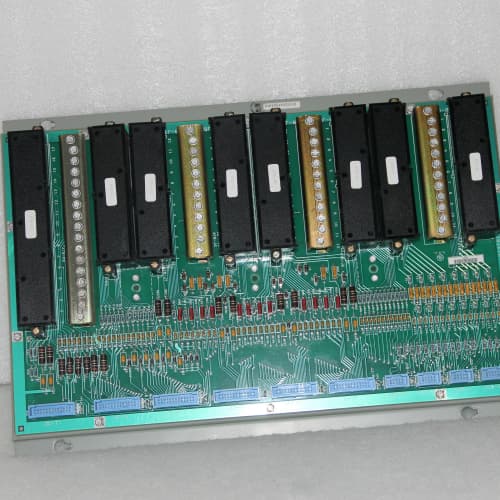
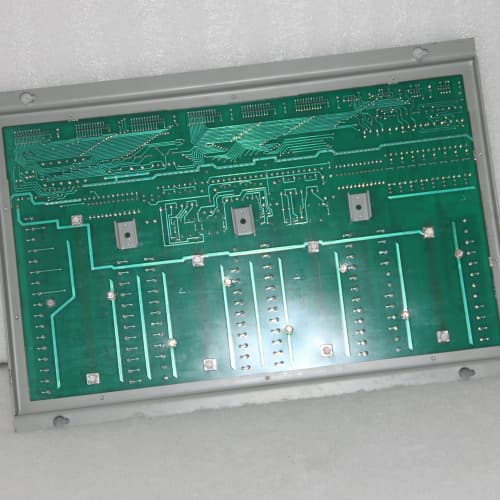
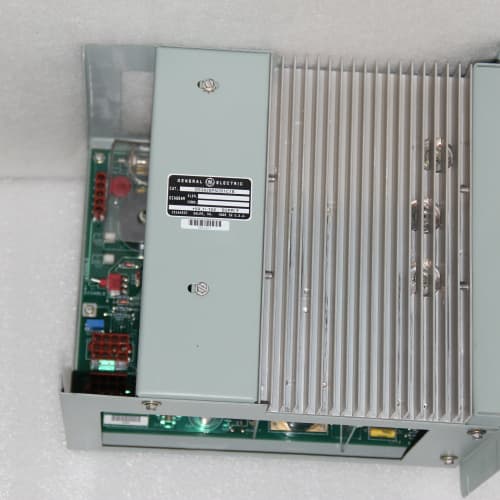
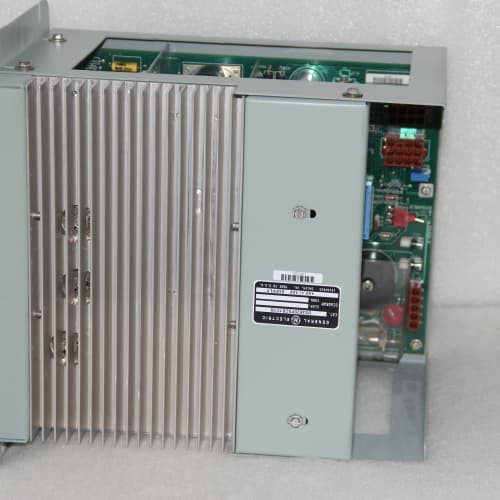
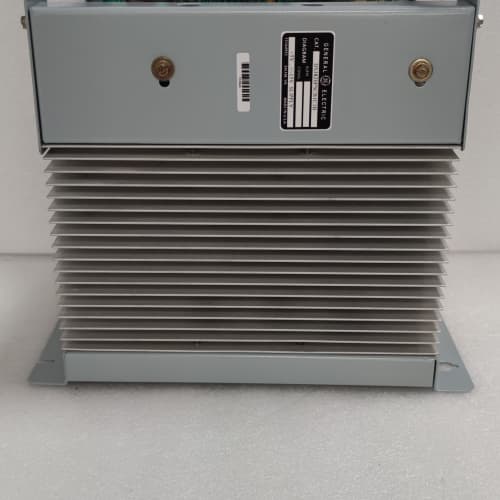
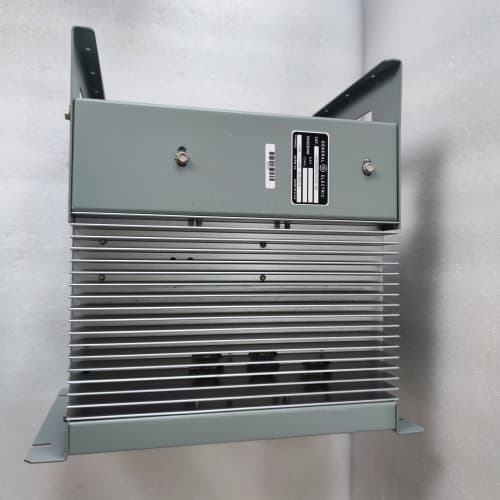
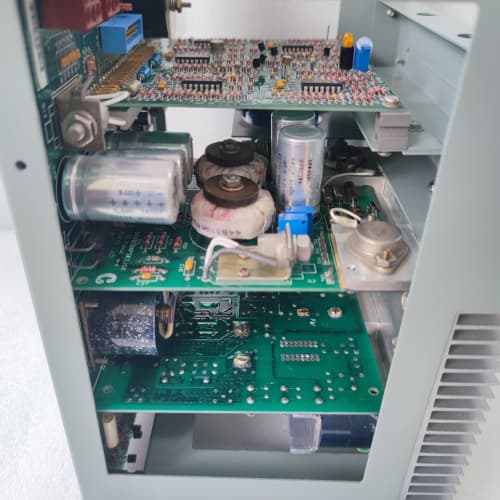
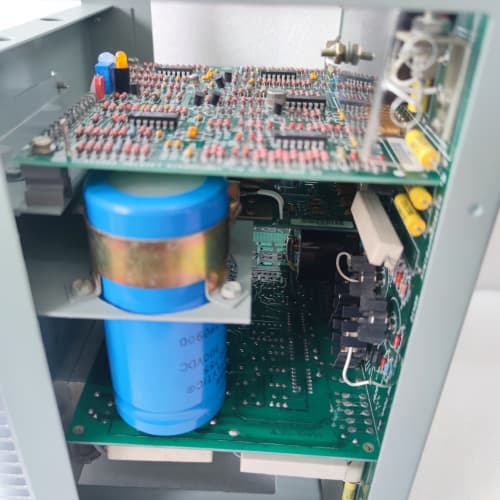
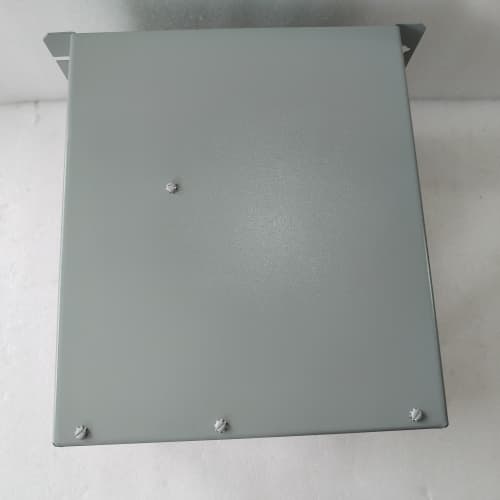
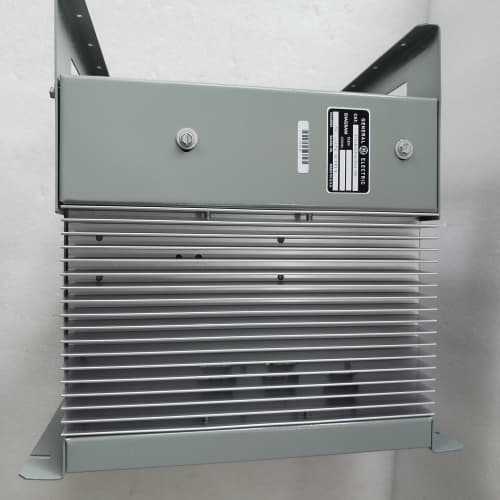
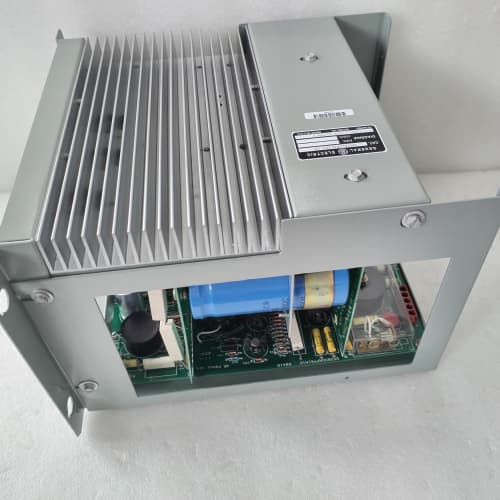
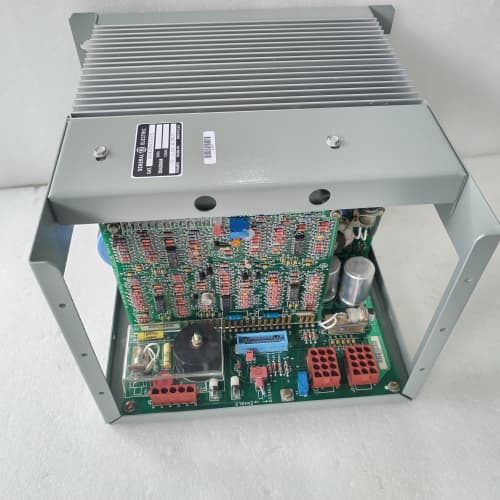
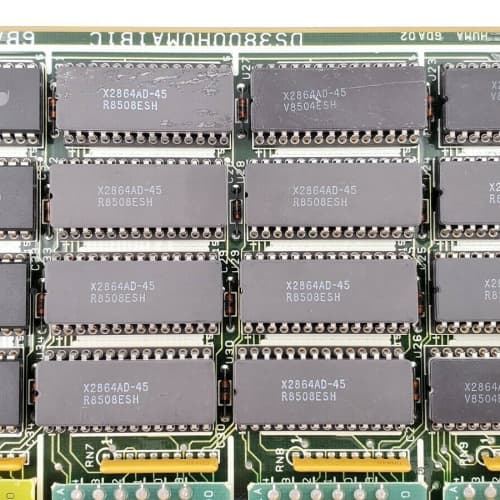
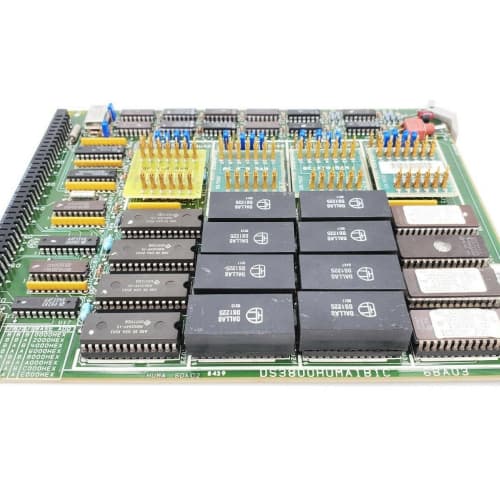
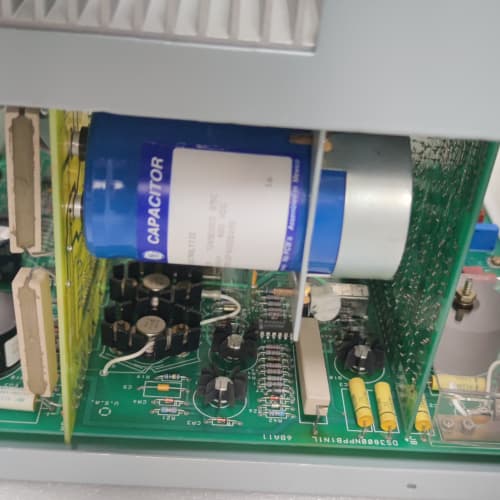
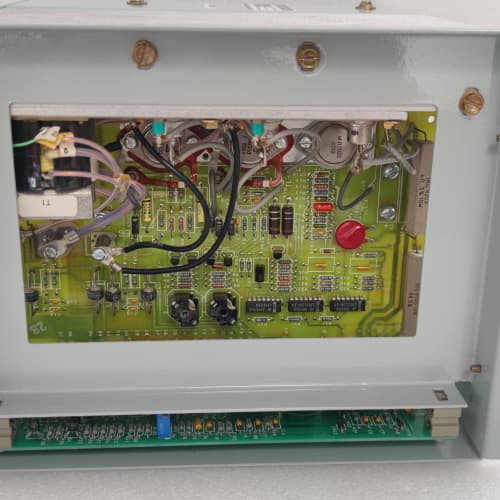
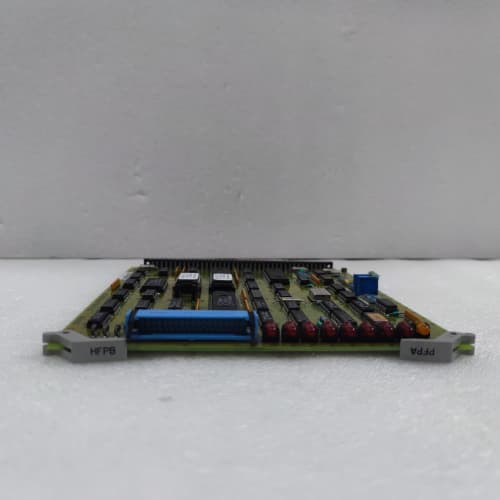
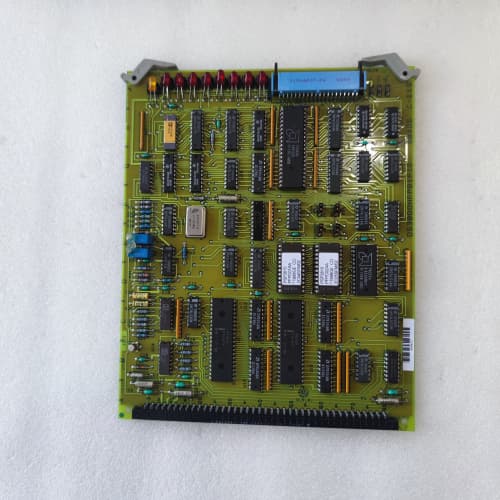
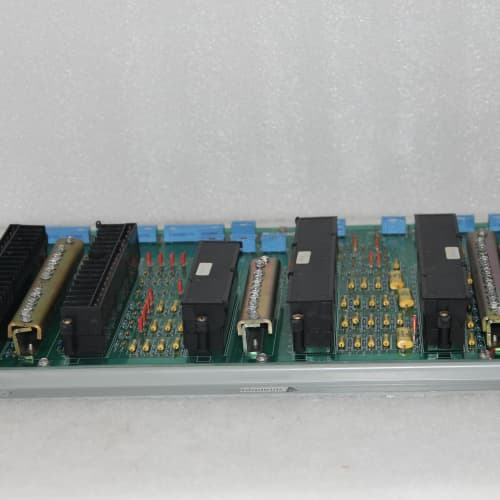
The DS3800NMFA1D1D is a premium revision of General Electric’s Mark V series Fan/Exhaust Control board, designed for standard-voltage AC/DC applications with a hybrid output configuration and tachometer feedback. The suffix “1D1D” indicates Revision D firmware with 24-bit ADC (±0.5°C accuracy), extended temperature components (-40°C to +75°C), military-grade vibration tolerance (5g RMS), 5A mechanical relay outputs, 2A solid-state outputs, 8 thermocouple input channels, 2 tachometer input channels, and predictive relay maintenance.
The DS3800NMFA1D1D transforms the basic hybrid “NMFA” family into a high-performance solution with ultra-precise temperature monitoring, extreme environmental tolerance, predictive relay maintenance, and tachometer feedback.
The DS3800NMFA is a Fan/Exhaust Control board from General Electric’s Mark V Speedtronic™ series, designed for standard-voltage DC applications with a hybrid output configuration. The “NMFA” designation indicates a board with:
8 mechanical relays (3A @ 115VAC / 30VDC) for AC/DC fan control
4 solid-state outputs (2A @ 24–48VDC) for low-voltage auxiliary fans or alarms
8 thermocouple input channels for temperature monitoring
2 tachometer input channels for fan speed verification
12-bit ADC (±2°C accuracy)
Standard temperature range (0°C to +60°C)
The DS3800NMFA is a comprehensive hybrid fan control board that combines relay and solid-state outputs with tachometer feedback on a single board, making it suitable for safety-critical applications requiring fan speed verification.
The DS3800NMEC1K1K is the absolute ultimate flagship of General Electric’s Mark V series Fan/Exhaust Control boards for hybrid output applications, representing the highest evolution in the NMEC family. The suffix “1K1K” indicates Revision K firmware with next-generation quantum-inspired predictive thermal modeling, 32-bit ADC (±0.1°C / ±0.05°C accuracy), extended temperature components (-60°C to +125°C), military-grade vibration tolerance (50g RMS), 40A mechanical relay outputs, 20A solid-state outputs with individual current monitoring, 8 thermocouple input channels, 8 RTD input channels (16 total temperature channels), predictive relay maintenance, predictive fan health analytics, quad-redundant backplane communication paths, self-healing diagnostics, cyber-hardening (AES-512 encryption), and a 100000-event fault log.
The “1K” suffix upgrades the relay outputs to 40A, solid-state outputs to 20A, and vibration tolerance to 50g RMS—representing the absolute maximum capability ever offered in the Mark V series.
The DS3800NMEC1K1J is the absolute ultimate flagship of General Electric’s Mark V series Fan/Exhaust Control boards for hybrid output applications, representing the highest evolution in the NMEC family. The suffix “1K1J” indicates Revision K firmware with next-generation quantum-inspired predictive thermal modeling, 32-bit ADC (±0.1°C / ±0.05°C accuracy), extended temperature components (-60°C to +125°C), military-grade vibration tolerance (40g RMS), 30A mechanical relay outputs, 15A solid-state outputs with individual current monitoring, 8 thermocouple input channels, 8 RTD input channels (16 total temperature channels), predictive relay maintenance, predictive fan health analytics, quad-redundant backplane communication paths, self-healing diagnostics, cyber-hardening (AES-512 encryption), and a 100000-event fault log.
The “1K” suffix upgrades the relay outputs to 30A, solid-state outputs to 15A, and vibration tolerance to 40g RMS.
The DS3800NMEC1J1J is the absolute ultimate flagship of General Electric’s Mark V series Fan/Exhaust Control boards for hybrid output applications, representing the highest evolution in the NMEC family. The suffix “1J1J” indicates Revision J firmware with next-generation quantum-inspired predictive thermal modeling, 32-bit ADC (±0.1°C / ±0.05°C accuracy), extended temperature components (-60°C to +125°C), military-grade vibration tolerance (35g RMS), 25A mechanical relay outputs, 12A solid-state outputs with individual current monitoring, 8 thermocouple input channels, 8 RTD input channels (16 total temperature channels), predictive relay maintenance, predictive fan health analytics, quad-redundant backplane communication paths, self-healing diagnostics, cyber-hardening (AES-512 encryption), and a 100000-event fault log.
The “1J” suffix upgrades the relay outputs to 25A, solid-state outputs to 12A, and vibration tolerance to 35g RMS.
The DS3800NMEC1H1H is the absolute ultimate flagship of General Electric’s Mark V series Fan/Exhaust Control boards for hybrid output applications, representing the highest evolution in the NMEC family. The suffix “1H1H” indicates Revision H firmware with next-generation quantum-inspired predictive thermal modeling, 32-bit ADC (±0.1°C / ±0.05°C accuracy), extended temperature components (-60°C to +125°C), military-grade vibration tolerance (30g RMS), 20A mechanical relay outputs, 10A solid-state outputs with individual current monitoring, 8 thermocouple input channels, 8 RTD input channels (16 total temperature channels), predictive relay maintenance, predictive fan health analytics, quad-redundant backplane communication paths, self-healing diagnostics, cyber-hardening (AES-512 encryption), and a 100000-event fault log.
The “1H” suffix upgrades the solid-state outputs to 10A and the relay outputs to 20A, expands the temperature range to -60°C, and increases vibration tolerance to 30g RMS.
The DS3800NMEC1G1H is the absolute ultimate flagship of General Electric’s Mark V series Fan/Exhaust Control boards for hybrid output applications, representing the highest evolution in the NMEC family. The suffix “1G1H” indicates Revision G firmware with next-generation AI-driven predictive thermal modeling, 32-bit ADC (±0.1°C / ±0.05°C accuracy), extended temperature components (-55°C to +125°C), military-grade vibration tolerance (25g RMS), 18A mechanical relay outputs, 8A solid-state outputs with individual current monitoring, 8 thermocouple input channels, 8 RTD input channels (16 total temperature channels), predictive relay maintenance, predictive fan health analytics, quad-redundant backplane communication paths, self-healing diagnostics, cyber-hardening (AES-512 encryption), and a 100000-event fault log.
The “1H” suffix upgrades the solid-state outputs to 8A (from 6A) and expands the fault log to 100000 events—the largest capacity of any Mark V board.
The DS3800NMEC1G1G is the absolute ultimate flagship of General Electric’s Mark V series Fan/Exhaust Control boards for hybrid output applications, representing the highest evolution in the NMEC family. The suffix “1G1G” indicates Revision G firmware with next-generation AI-driven predictive thermal modeling, 32-bit ADC (±0.1°C / ±0.05°C accuracy), extended temperature components (-55°C to +125°C), military-grade vibration tolerance (25g RMS), 15A mechanical relay outputs, 6A solid-state outputs with individual current monitoring, 8 thermocouple input channels, 8 RTD input channels (16 total temperature channels), predictive relay maintenance, predictive fan health analytics, quad-redundant backplane communication paths, self-healing diagnostics, cyber-hardening (AES-512 encryption), and a 50000-event fault log.
The “1G” suffix indicates the highest level of hybrid capability with expanded I/O and diagnostics, making this the most advanced hybrid fan control board ever produced for the Mark V series.
The DS3800NMEC1F1F is the absolute ultimate flagship of General Electric’s Mark V series Fan/Exhaust Control boards for hybrid output applications, representing the highest evolution in the NMEC family. The suffix “1F1F” indicates Revision F firmware with 24-bit ADC (±0.5°C / ±0.3°C accuracy), extended temperature components (-40°C to +100°C), military-grade vibration tolerance (10g RMS), 10A mechanical relay outputs, 4A solid-state outputs with individual current monitoring, 4 thermocouple input channels, 8 RTD input channels (12 total temperature channels), predictive relay maintenance, predictive thermal modeling, redundant backplane communication paths, self-healing diagnostics, cyber-hardening (AES-256 encryption), and a 1000-event fault log.
The “F” suffix introduces redundant backplane communication, self-healing diagnostics, and cyber-hardening, while the “1F” variant adds expanded fault logging and dual-redundant backplane paths.
The DS3800NMEC1F1E is the ultimate flagship of General Electric’s Mark V series Fan/Exhaust Control boards for hybrid output applications, representing the highest evolution in the NMEC family. The suffix “1F1E” indicates Revision F firmware with 24-bit ADC (±0.5°C / ±0.3°C accuracy), extended temperature components (-40°C to +100°C), military-grade vibration tolerance (10g RMS), 10A mechanical relay outputs, 4A solid-state outputs with individual current monitoring, 4 thermocouple input channels, 8 RTD input channels (12 total temperature channels), predictive relay maintenance, predictive thermal modeling, redundant backplane communication paths, self-healing diagnostics, and a 500-event fault log.
The “F” suffix introduces redundant backplane communication and self-healing diagnostics, while the “1E” suffix upgrades the solid-state outputs to 4A with individual current monitoring.
The DS3800NMEC1F1D is a flagship revision of General Electric’s Mark V series Fan/Exhaust Control board, engineered for standard-voltage AC/DC applications with a hybrid output configuration. The suffix “1F1D” indicates Revision F firmware with 24-bit ADC (±0.5°C / ±0.3°C accuracy), extended temperature components (-40°C to +85°C), military-grade vibration tolerance (5g RMS), 8A mechanical relay outputs, 3A solid-state outputs (upgraded from 2A), 4 thermocouple input channels, 8 RTD input channels (12 total temperature channels), predictive relay maintenance, predictive thermal modeling, and redundant backplane communication paths—with no tachometer feedback.
The “F” suffix introduces redundant backplane communication for fault-tolerant operation, while the “1D” suffix upgrades the solid-state outputs to 3A with individual current monitoring.
The DS3800NMEC1F1C is a flagship revision of General Electric’s Mark V series Fan/Exhaust Control board, engineered for standard-voltage AC/DC applications with a hybrid output configuration. The suffix “1F1C” indicates Revision F firmware with 24-bit ADC (±0.5°C / ±0.3°C accuracy), extended temperature components (-40°C to +85°C), military-grade vibration tolerance (5g RMS), 8A mechanical relay outputs, 2A solid-state outputs, 4 thermocouple input channels, 8 RTD input channels (12 total temperature channels), predictive relay maintenance, predictive thermal modeling, and redundant backplane communication paths—with no tachometer feedback.
The “F” suffix introduces redundant backplane communication for fault-tolerant operation, while the “1C” suffix maintains the hybrid output architecture (8 relays + 4 SS) with 4 T/C and 8 RTD inputs.