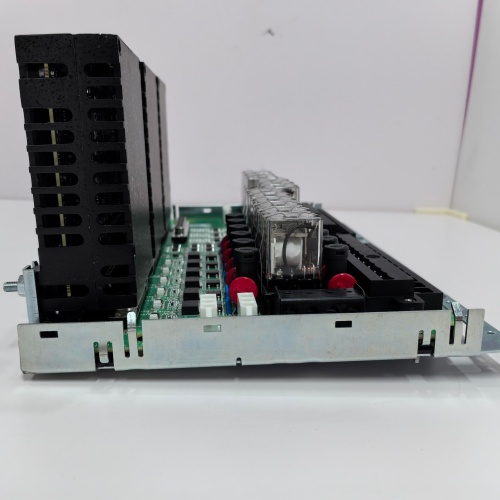
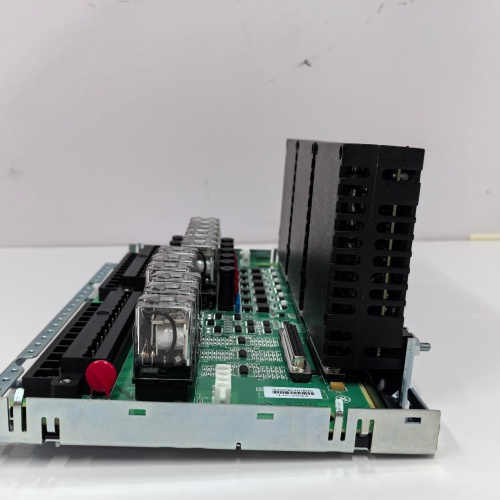
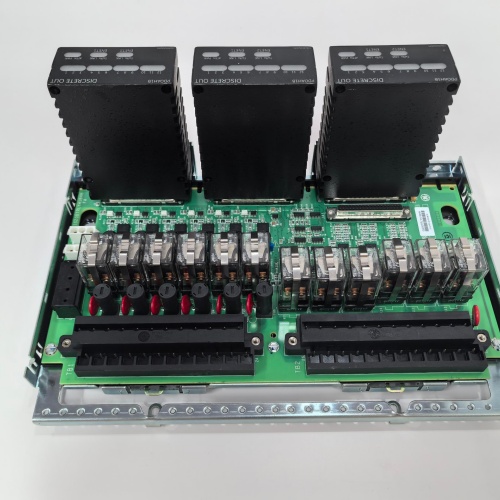
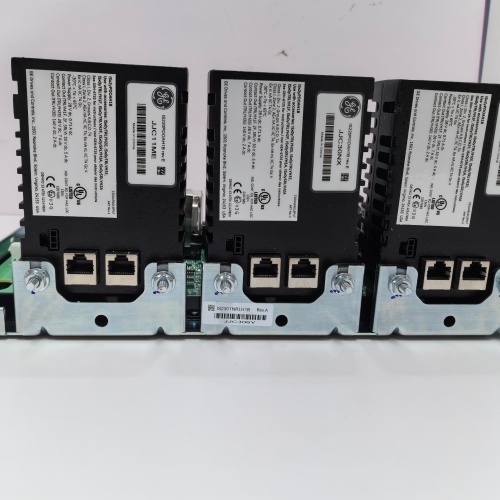
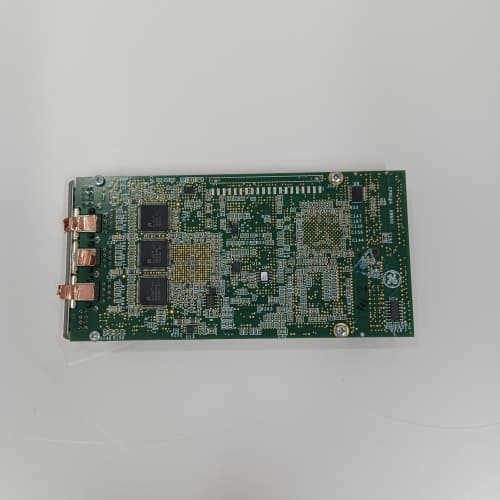
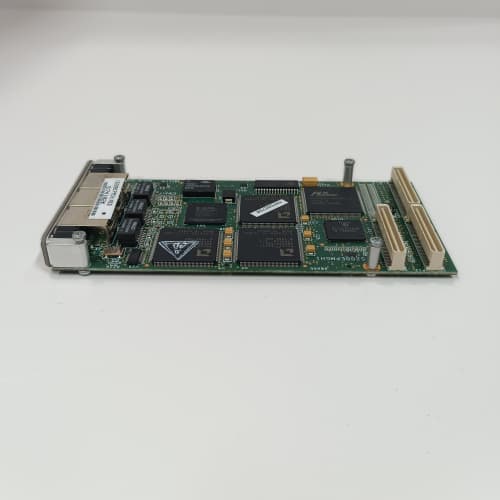
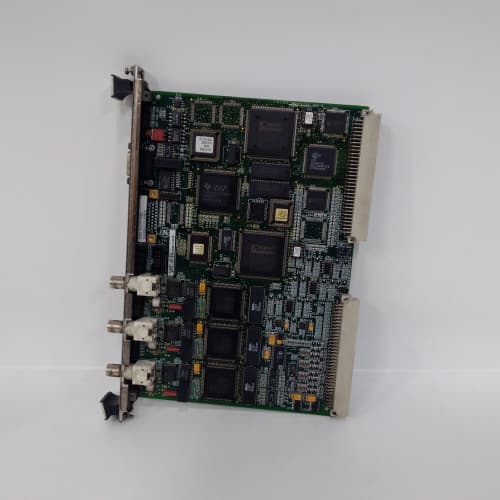
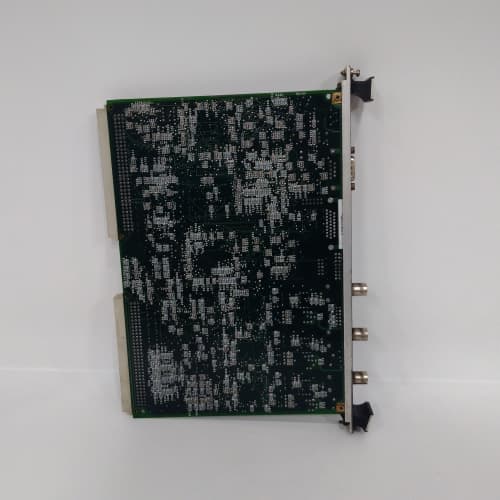
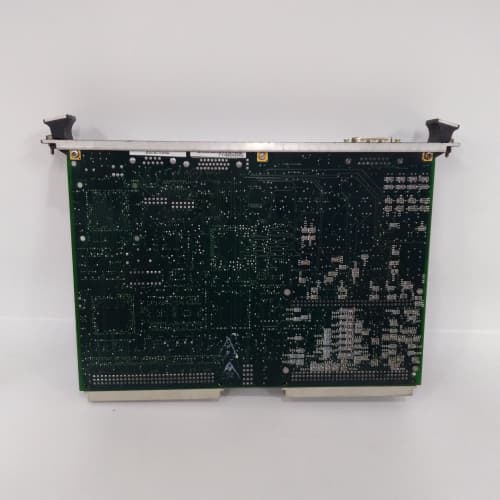
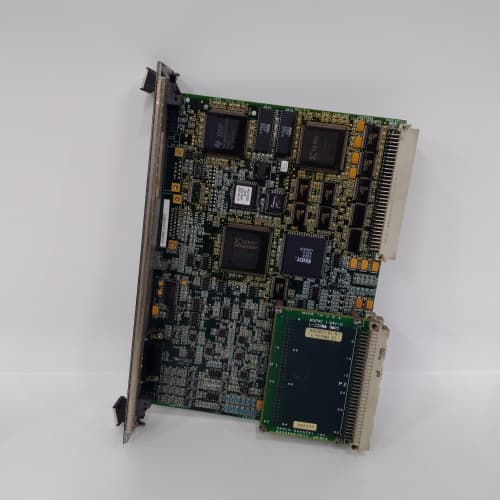
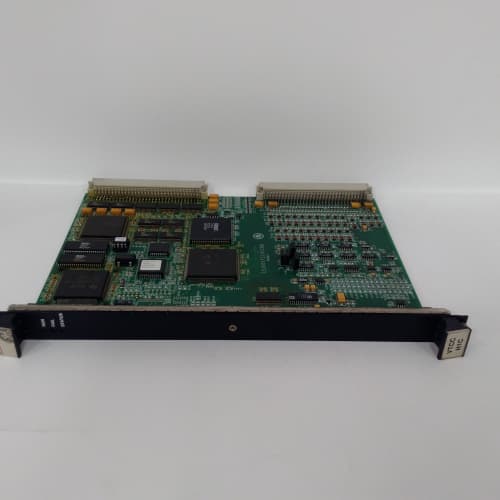
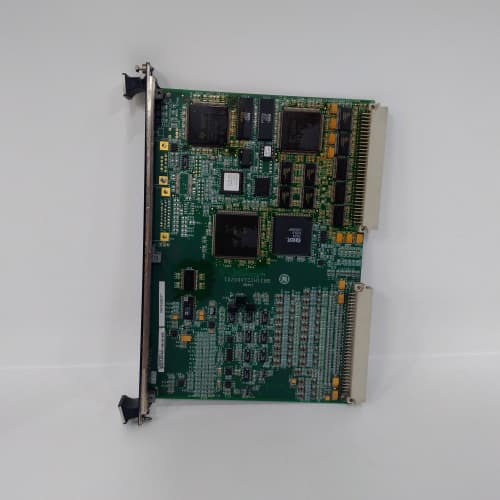
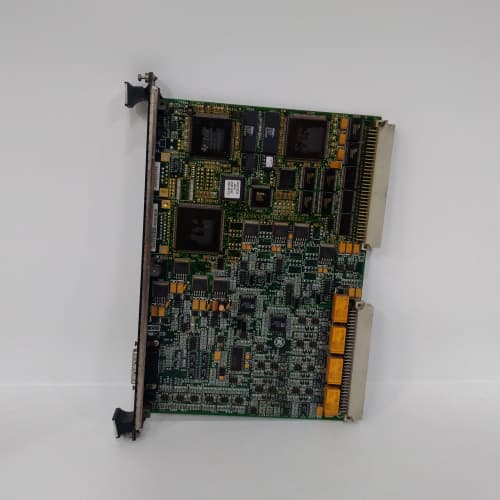
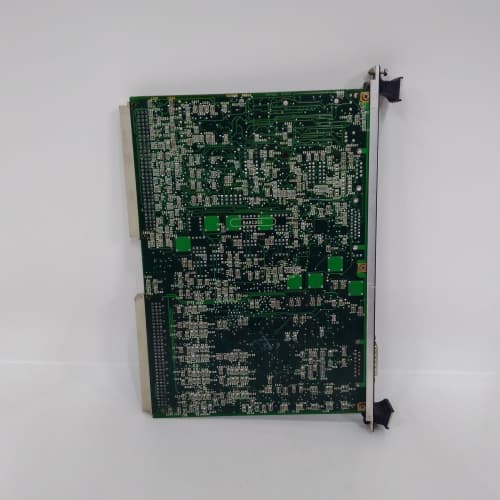
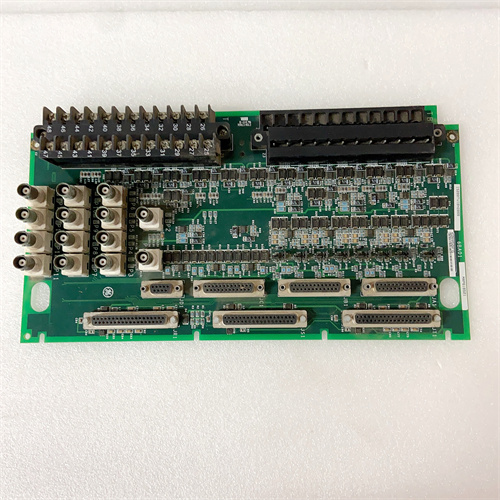
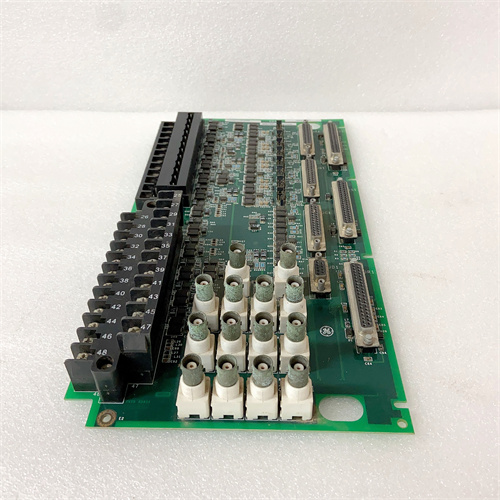
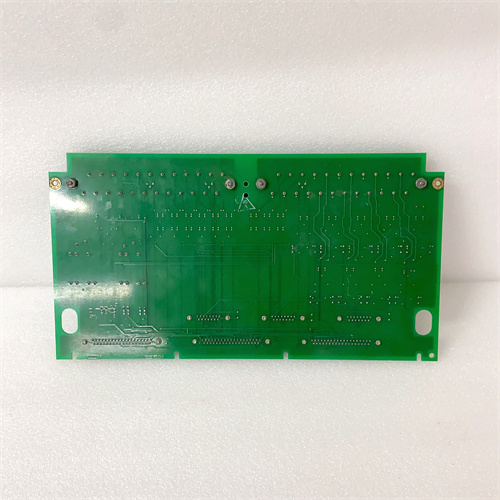
IS200VAICH1DAA is an ultra-high-capacity Terminal Board within the GE Mark VIe Speedtronic control system, designed as a field termination and signal conditioning interface for analog input signals with the absolute maximum channel density, highest accuracy, comprehensive diagnostics, advanced calibration management, and EMI detection. This board provides centralized termination for analog sensors such as pressure transmitters, temperature transmitters, flow meters, position transducers, and other 4–20 mA or voltage-output devices, connecting to the Mark VIe main VME-based controller processors via front-panel I/O cables. The IS200VAICH1DAA features integrated termination points with built-in signal conditioning including filtering, enhanced isolation, and diagnostics. It offers 48 isolated analog input channels—the absolute highest density in the Mark VIe analog input terminal family—with flexible input configuration, highest accuracy, and comprehensive diagnostics including sensor drift detection, calibration management, and EMI detection.
IS200VAICH1D is an ultra-high-capacity Terminal Board within the GE Mark VIe Speedtronic control system, designed as a field termination and signal conditioning interface for analog input signals with the absolute maximum channel density, highest accuracy, comprehensive diagnostics, advanced calibration management, and EMI detection. This board provides centralized termination for analog sensors such as pressure transmitters, temperature transmitters, flow meters, position transducers, and other 4–20 mA or voltage-output devices, connecting to the Mark VIe main VME-based controller processors via front-panel I/O cables. The IS200VAICH1D features integrated termination points with built-in signal conditioning including filtering, enhanced isolation, and diagnostics. It offers 48 isolated analog input channels—the absolute highest density in the Mark VIe analog input terminal family—with flexible input configuration, highest accuracy, and comprehensive diagnostics including sensor drift detection, calibration management, and EMI detection.
IS200VAICH1CCC is an advanced high-capacity Terminal Board within the GE Mark VIe Speedtronic control system, designed as a field termination and signal conditioning interface for analog input signals with extended channel capacity, highest accuracy, comprehensive diagnostics, advanced calibration management, and EMI detection. This board provides centralized termination for analog sensors such as pressure transmitters, temperature transmitters, flow meters, position transducers, and other 4–20 mA or voltage-output devices, connecting to the Mark VIe main VME-based controller processors via front-panel I/O cables. The IS200VAICH1CCC features integrated termination points with built-in signal conditioning including filtering, enhanced isolation, and diagnostics. It offers 32 isolated analog input channels—the highest density in the Mark VIe analog input terminal family—with flexible input configuration, highest accuracy, and comprehensive diagnostics including sensor drift detection, calibration management, and EMI detection.
IS200VAICH1CBC is an advanced high-capacity Terminal Board within the GE Mark VIe Speedtronic control system, designed as a field termination and signal conditioning interface for analog input signals with extended channel capacity, highest accuracy, comprehensive diagnostics, advanced calibration management, and EMI detection. This board provides centralized termination for analog sensors such as pressure transmitters, temperature transmitters, flow meters, position transducers, and other 4–20 mA or voltage-output devices, connecting to the Mark VIe main VME-based controller processors via front-panel I/O cables. The IS200VAICH1CBC features integrated termination points with built-in signal conditioning including filtering, enhanced isolation, and diagnostics. It offers 24 isolated analog input channels with flexible input configuration, highest accuracy, and comprehensive diagnostics including sensor drift detection, calibration management, and EMI detection.
IS200VAICH1CBA is an advanced high-capacity Terminal Board within the GE Mark VIe Speedtronic control system, designed as a field termination and signal conditioning interface for analog input signals with extended channel capacity, highest accuracy, comprehensive diagnostics, and advanced calibration management. This board provides centralized termination for analog sensors such as pressure transmitters, temperature transmitters, flow meters, position transducers, and other 4–20 mA or voltage-output devices, connecting to the Mark VIe main VME-based controller processors via front-panel I/O cables. The IS200VAICH1CBA features integrated termination points with built-in signal conditioning including filtering, enhanced isolation, and diagnostics. It offers 24 isolated analog input channels with flexible input configuration, highest accuracy, and comprehensive diagnostics including sensor drift detection and calibration management.
IS200VAICH1CAB is an advanced high-capacity Terminal Board within the GE Mark VIe Speedtronic control system, designed as a field termination and signal conditioning interface for analog input signals with extended channel capacity, highest accuracy, comprehensive diagnostics, and advanced calibration management. This board provides centralized termination for analog sensors such as pressure transmitters, temperature transmitters, flow meters, position transducers, and other 4–20 mA or voltage-output devices, connecting to the Mark VIe main VME-based controller processors via front-panel I/O cables. The IS200VAICH1CAB features integrated termination points with built-in signal conditioning including filtering, enhanced isolation, and diagnostics. It offers 24 isolated analog input channels with flexible input configuration, highest accuracy, and comprehensive diagnostics including sensor drift detection and calibration management.
IS200VAICH1C is a high-capacity Terminal Board within the GE Mark VIe Speedtronic control system, designed as a field termination and signal conditioning interface for analog input signals with extended channel capacity, enhanced accuracy, extended temperature range, and comprehensive diagnostics. This board provides centralized termination for analog sensors such as pressure transmitters, temperature transmitters, flow meters, position transducers, and other 4–20 mA or voltage-output devices, connecting to the Mark VIe main VME-based controller processors via front-panel I/O cables. The IS200VAICH1C features integrated termination points with built-in signal conditioning including filtering, enhanced isolation, and diagnostics. It offers 24 isolated analog input channels—a 50% increase over IS200VAICH1B (16 channels)—with flexible input configuration, enhanced accuracy, and comprehensive diagnostics.
IS200VAICH1BBB is an advanced high-performance Terminal Board within the GE Mark VIe Speedtronic control system, designed as a field termination and signal conditioning interface for analog input signals with enhanced accuracy, extended temperature range, advanced diagnostics, and comprehensive calibration management. This board provides centralized termination for analog sensors such as pressure transmitters, temperature transmitters, flow meters, position transducers, and other 4–20 mA or voltage-output devices, connecting to the Mark VIe main VME-based controller processors via front-panel I/O cables. The IS200VAICH1BBB features integrated termination points with built-in signal conditioning including filtering, enhanced isolation, and diagnostics. It offers 16 isolated analog input channels with flexible input configuration, enhanced accuracy, and comprehensive diagnostics including sensor drift detection and calibration management.
IS200VAICH1B is an advanced Terminal Board within the GE Mark VIe Speedtronic control system, designed as a field termination and signal conditioning interface for analog input signals with enhanced accuracy, extended temperature range, and comprehensive diagnostics. This board provides centralized termination for analog sensors such as pressure transmitters, temperature transmitters, flow meters, position transducers, and other 4–20 mA or voltage-output devices, connecting to the Mark VIe main VME-based controller processors via front-panel I/O cables. The IS200VAICH1B features integrated termination points with built-in signal conditioning including filtering, enhanced isolation, and diagnostics. It offers 16 isolated analog input channels with flexible input configuration, enhanced accuracy, and comprehensive diagnostics.
IS200VAICH1A is a Terminal Board within the GE Mark VIe Speedtronic control system, designed as a field termination and signal conditioning interface for analog input signals in turbine control applications. This board provides centralized termination for analog sensors such as pressure transmitters, temperature transmitters, flow meters, position transducers, and other 4–20 mA or voltage-output devices, connecting to the Mark VIe main VME-based controller processors via front-panel I/O cables. The IS200VAICH1A features integrated termination points with built-in signal conditioning including filtering, isolation, and diagnostics. It offers 16 isolated analog input channels with flexible input configuration and comprehensive diagnostics.
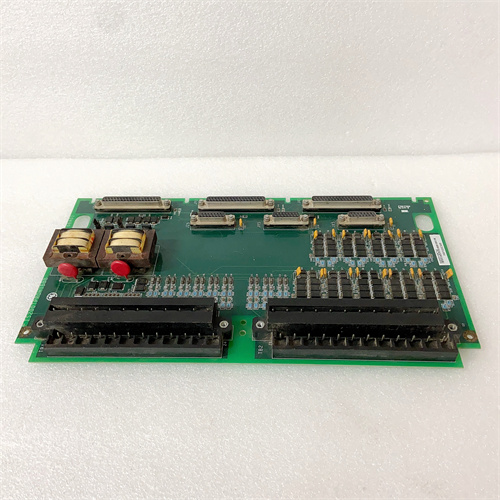
IS200UCVEH2AE is an advanced high-capacity Terminal Board within the GE Mark VIe Speedtronic control system, designed as a field termination and signal conditioning interface for universal controller digital I/O signals with enhanced channel capacity, extended temperature range, and comprehensive diagnostics. This board provides centralized termination for discrete inputs and discrete outputs, connecting field devices such as switches, pushbuttons, solenoids, contactors, and alarms to the Mark VIe main VME-based controller processors via front-panel I/O cables. The IS200UCVEH2AE features integrated termination points with built-in signal conditioning including opto-isolation, filtering, surge protection, and diagnostics. It offers high-density discrete I/O channels with enhanced isolation and extended temperature range.
IS200UCVDH1A is a Terminal Board within the GE Mark VIe Speedtronic control system, designed as a field termination and signal conditioning interface for universal controller digital I/O signals in turbine control applications. This board provides centralized termination for discrete inputs and discrete outputs, connecting field devices such as switches, pushbuttons, solenoids, contactors, and alarms to the Mark VIe main VME-based controller processors via front-panel I/O cables. The IS200UCVDH1A features integrated termination points with built-in signal conditioning including opto-isolation, filtering, surge protection, and diagnostics. It offers high-density discrete I/O channels in a single board, reducing the need for multiple specialized termination boards.

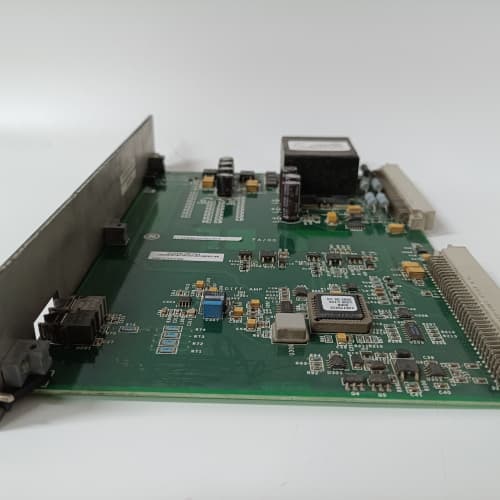
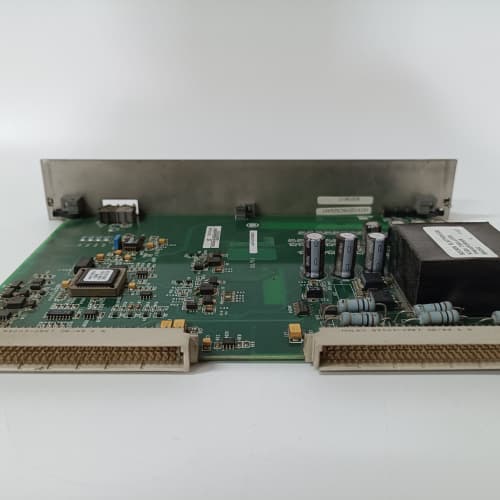
.jpg)
.jpg)