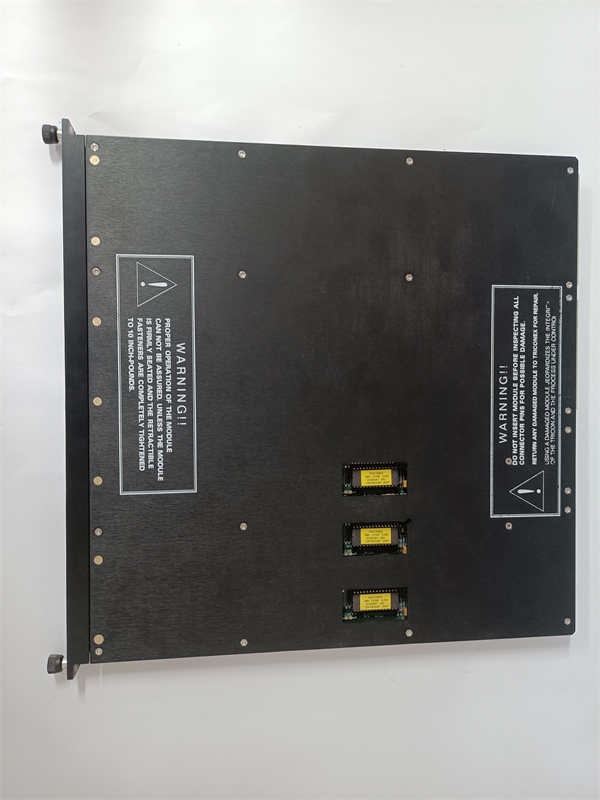
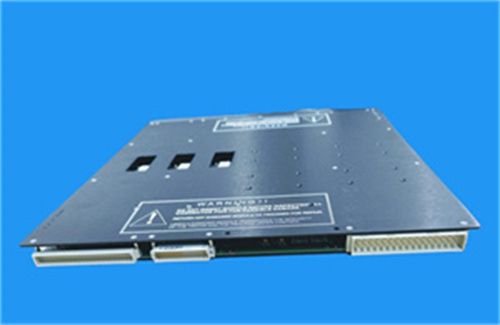
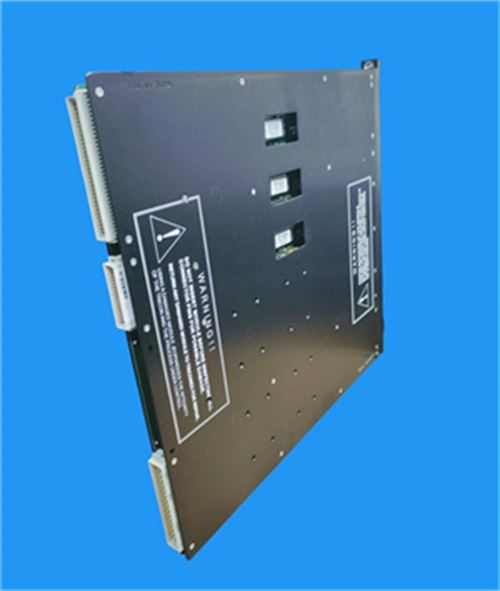
Input/Output Capabilities: The METSO D100644 processor is designed to handle both input and output signals, allowing it to interface with various sensors, actuators, and other devices.
Performance: It exhibits high performance with reliable and stable operation in various industrial environments.
Communication Protocols: Supports multiple communication protocols such as Ethernet, Modbus, and others, enabling seamless integration with other systems and devices.
Dimensions and Weight:
Dimensions: The exact dimensions of the METSO D100644 processor may vary depending on the specific model and configuration. However, you can typically find this information in the product datasheet or manufacturer’s specifications.
Weight: Similarly, the weight of the processor is not provided here but can be found in the official documentation.
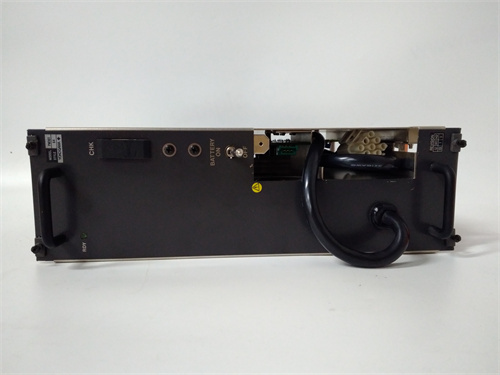
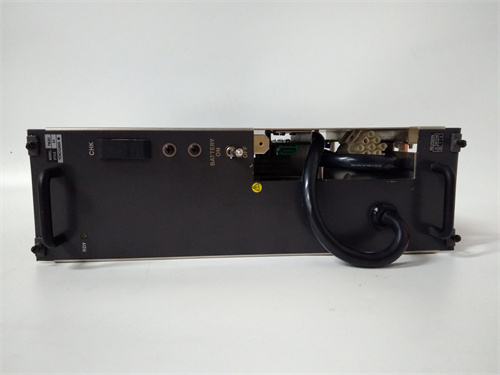
Compatibility: The PW301 is compatible with a range of Yokogawa equipment and systems.
Communication Interfaces: Supports multiple communication interfaces, such as Ethernet, RS-232, and RS-485, enabling seamless integration with other devices and systems.
Protocol Support: Compatible with communication protocols like Modbus, PROFIBUS, and EtherNet/IP, allowing for flexibility in connecting to various devices.
Dimensions and Weight:
Dimensions: Depending on the specific configuration and attachments, the dimensions of the PW301 may vary. However, it is typically designed for a compact footprint, suitable for dense installation environments.
Weight: The weight of the PW301 is relatively lightweight, typically under 2kg, making it easy to handle and install.
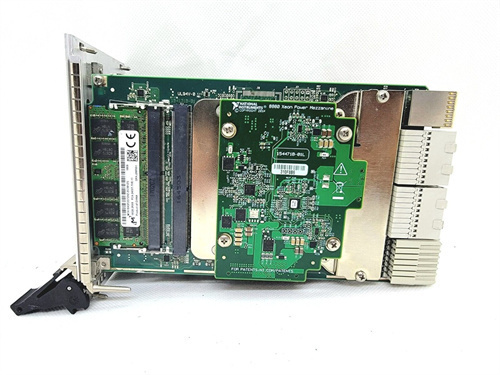
Model Number: NI PXIE-8861.
Processor: Based on high-performance Intel Xeon E3-1515 processor.
I/O Interfaces:
Two Thunderbolt 3.0 ports.
Two Display ports.
Two USB 3.0 and four USB 4 ports.
Two Ethernet ports (one with 1588 timing support).
Serial and GPIB ports.
System Support: Runs Windows 10 applications and interfaces with external PCIe-based instruments.
Dimensions and Weight:
Dimensions:
Width: 229mm
Height: 151mm
Depth: 53mm.
Weight: Not specifically mentioned, but it is typically lightweight and compact for easy integration into PXI systems.
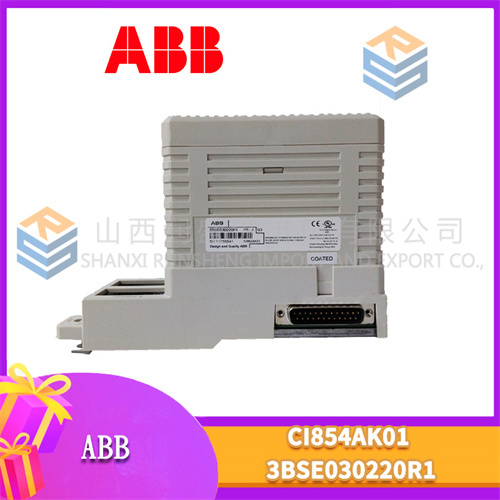
Model Number: TP857 3BSE030192R1.
Manufacturer: ABB (ABB Group).
Compatibility: It is compatible with the ABB 800xA automation system.
Dimensions and Weight:
Dimensions: The exact dimensions may vary slightly, but one source lists it as 23cm in length.
Weight: The weight is approximately 0.1kg according to one source, while another source lists it as 0.2kg.
Features:
Versatility: It can handle input/output (I/O) signals, data collection, communication, and executing specific control logic.
Applications: It is suitable for various applications including industrial automation, process control, power systems, building automation, manufacturing, transportation systems, and logistics.
Model: SM811K01 32SE018173R1.
Manufacturer: ABB.
Type: Central Processing Unit (CPU) Module for Industrial Automation.
Dimensions and Weight:
Exact dimensions are not provided in the search results.
Weight: Approximately 0.6 kilograms for the module with its accessories.
Features:
High Processing Power: Equipped with a powerful CPU and memory, enabling efficient data processing and control functions in industrial automation systems.
Multiple Communication Interfaces: Supports various communication protocols and interfaces, facilitating seamless integration with other devices and systems.
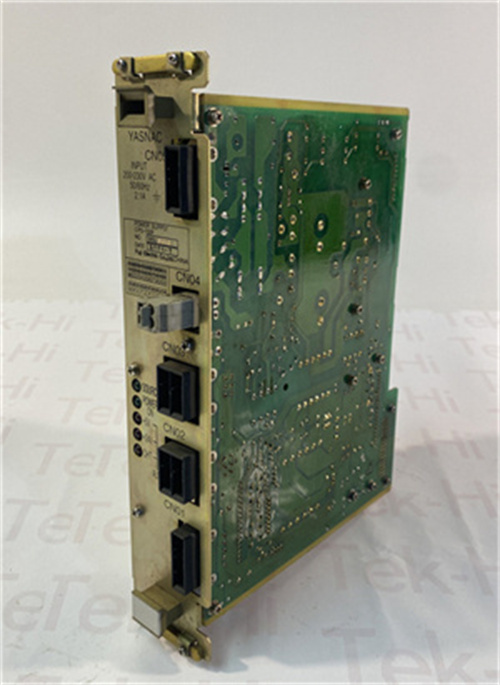
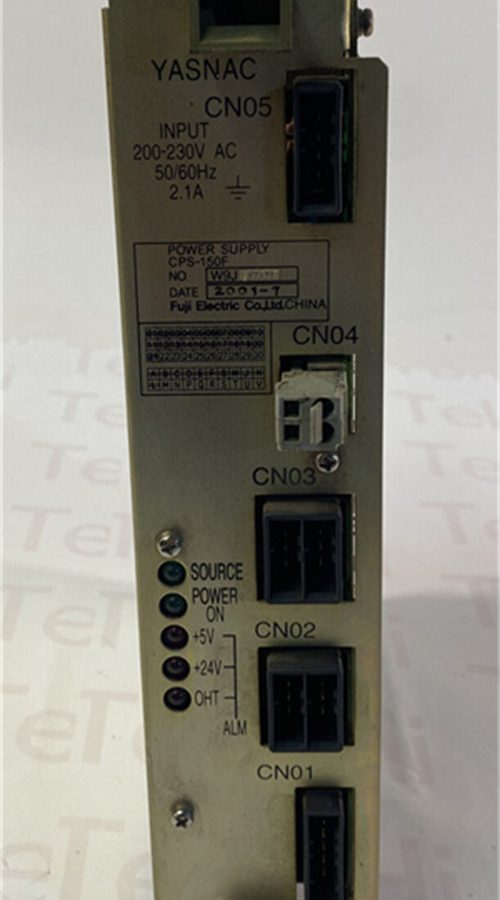
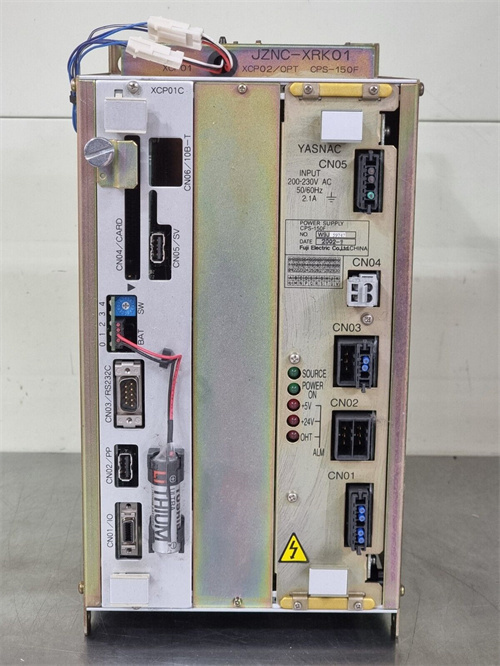
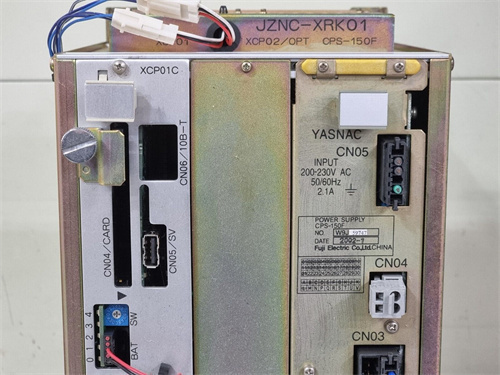
Model: CPS-150F.
Manufacturer: YASKAWA Electric Corporation.
Rated Current: 150A, which means it can provide high-current power supply for industrial equipment.
Power Supply: DC power supply, commonly used to provide stable power for electronic equipment and motors in industrial automation systems.
Features:
High Reliability and Stability: Designed to operate reliably in harsh industrial environments, with high-performance power management capabilities.
Protection Features: Incorporates over-current, over-voltage, and over-temperature protection to ensure the safety of the equipment.
Easy Integration: Can be easily integrated into various industrial automation systems and equipment.
Brand: YASKAWA.
Model: JZNC-XRK01D-1.
Power Input: AC200-240V, 50/60Hz.
Maximum Current: 5A.
Maximum Output Power: 1.5kW.
Supported Programming Languages: C/C++, Java, etc..
Dimensions and Weight:
Dimensions: Compact size with lightweight construction, suitable for installation in confined spaces or mobile equipment.
Weight: Exact weight is not provided, but the module is designed for lightweight and portability.
Model: TRICONEX 4409.
Type: Safety I/O Module, Communication Card (TCM).
Applications: Used in Triconex Tricon series safety programmable logic controllers (PLC) and other industrial automation systems.
Dimensions and Weight:
Dimensions: 3U high x 1HP wide.
Weight: Approximately 1.5kg.
Brand: TRICONEX.
Model: 8306A.
Supported Applications: Widely used in port, heating, gas, water supply, wastewater treatment, metallurgy, and other industries.
Operating System Compatibility: Compatible with PLC systems.
Dimensions:
Size: 21cm (length).
Weight:
Approximate Weight: 0.2kg, 0.8kg, 0.1kg. The weight may vary depending on the specific configuration and manufacturer.
Dimensions: The exact dimensions may vary, but one source indicates 11.5 x 7.5 x 3.5 inches. Another source suggests that the dimensions might be different, but without specifying exact numbers.
Weight: The weight can vary depending on the source. One source gives it as 3.5 pounds, while another suggests it is 1.2kg.
Features:
Communication Capability: It is an I/O (Input/Output) discrete quantity input module that receives and processes discrete input signals from sensors, switches, buttons, etc..
Versatility: It can be used in various industrial automation systems, including manufacturing, energy, water treatment, chemicals, and power, for monitoring and controlling various devices and processes.



.jpg)
.jpg)
-1.jpg)