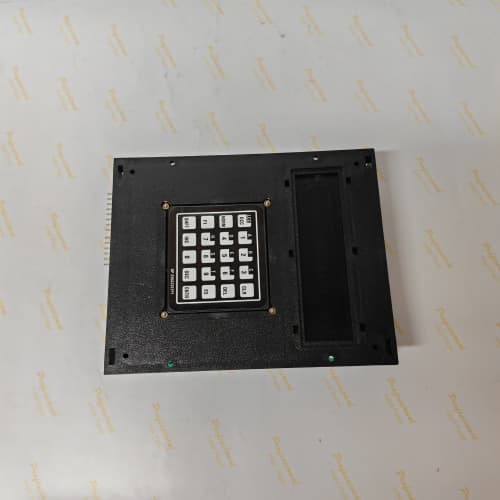
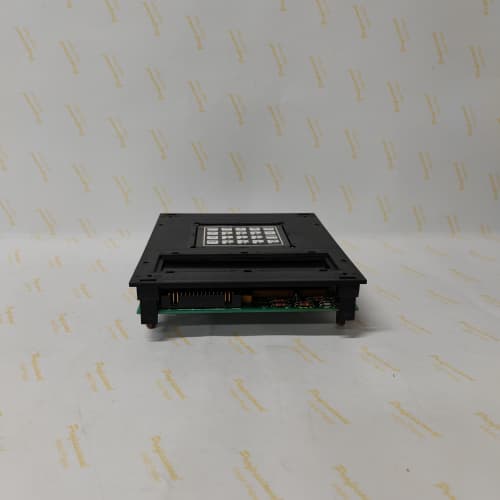
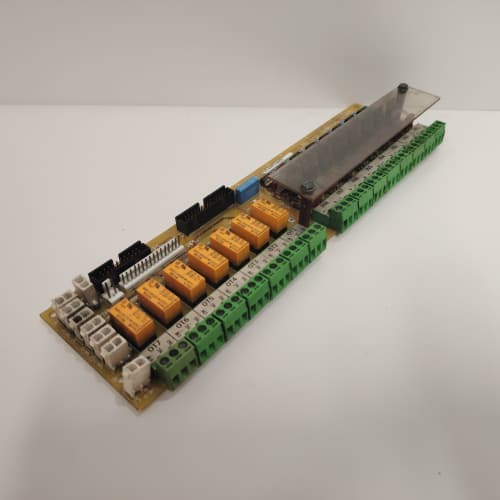
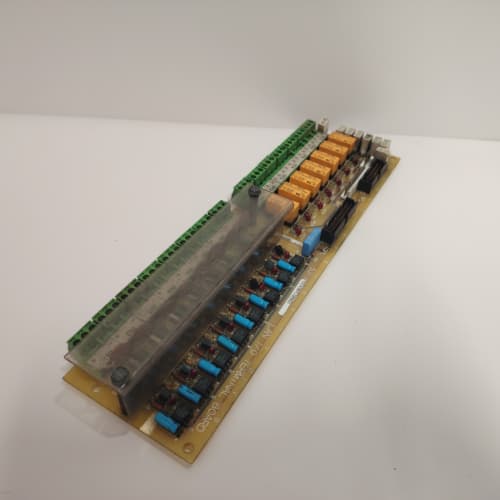
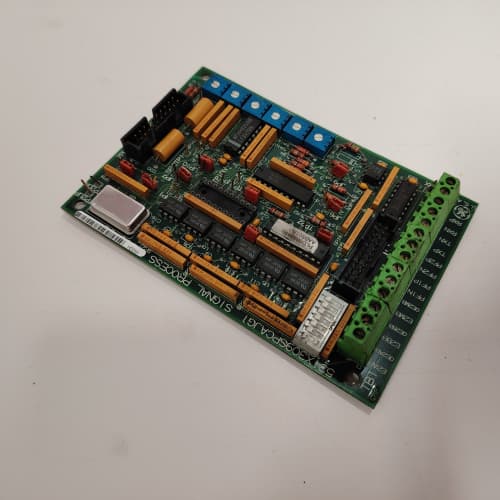
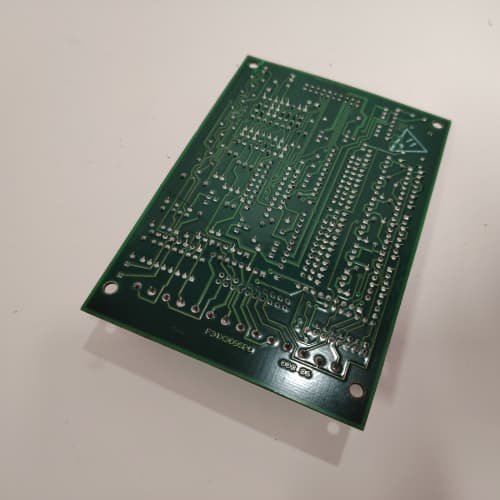
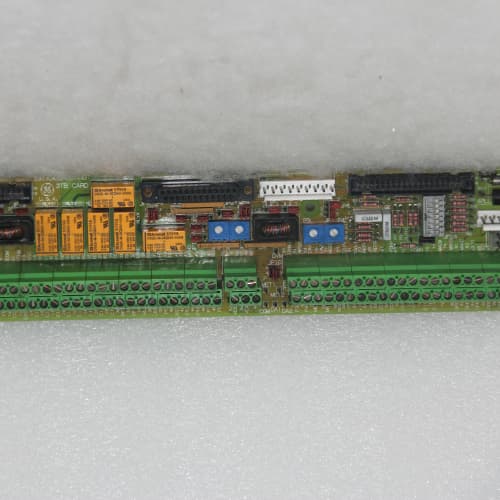
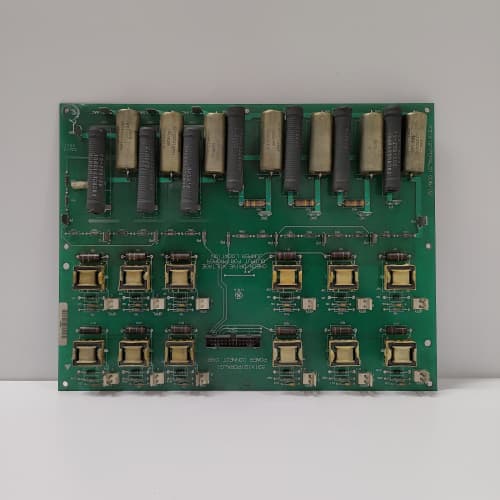
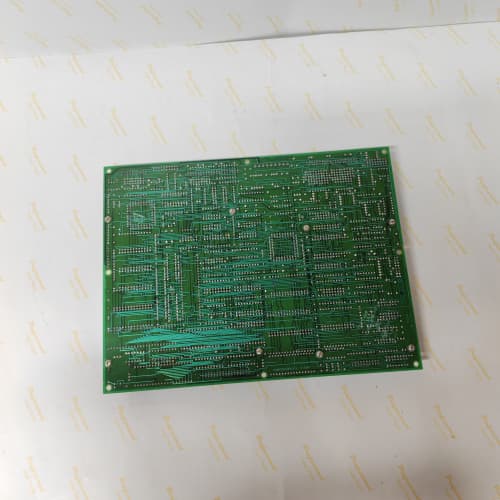
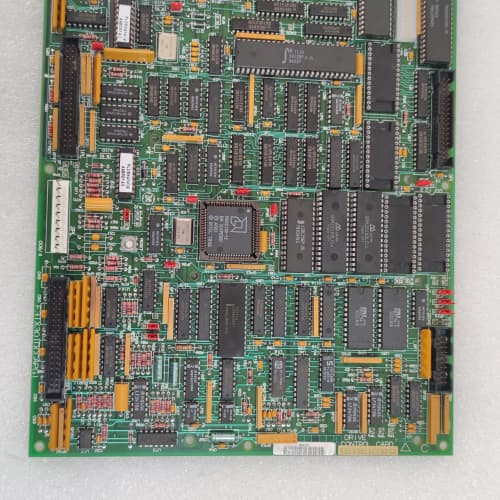
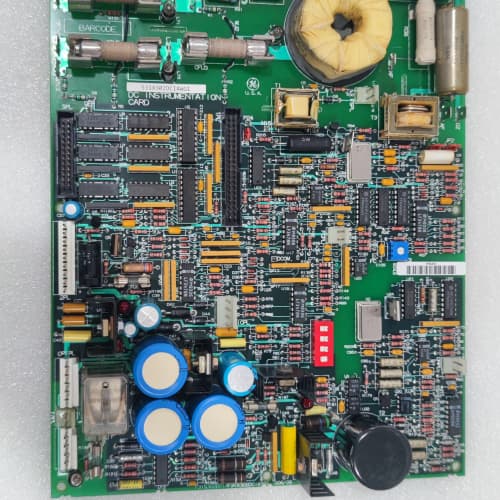
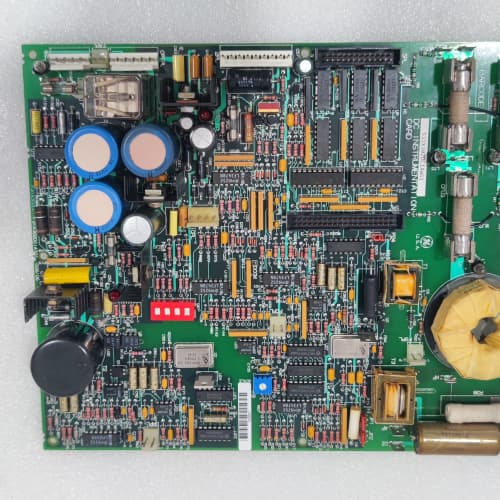
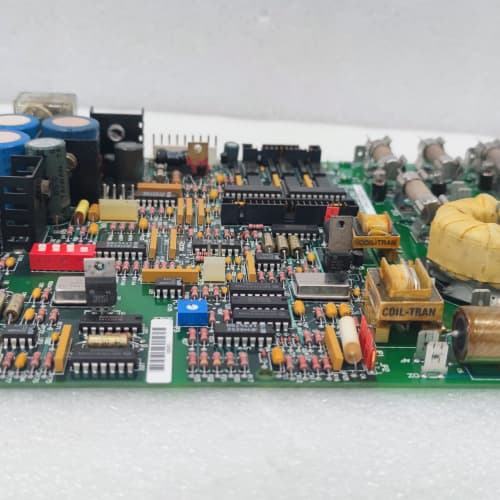
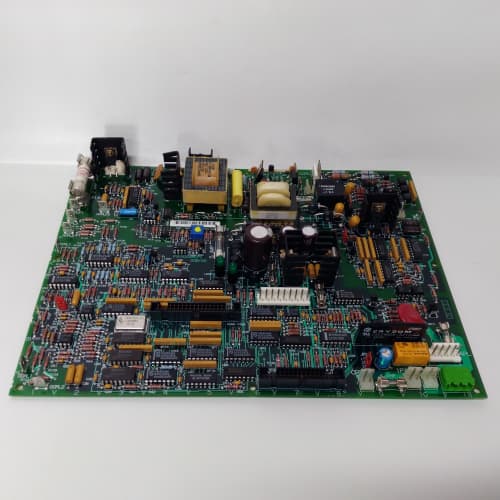
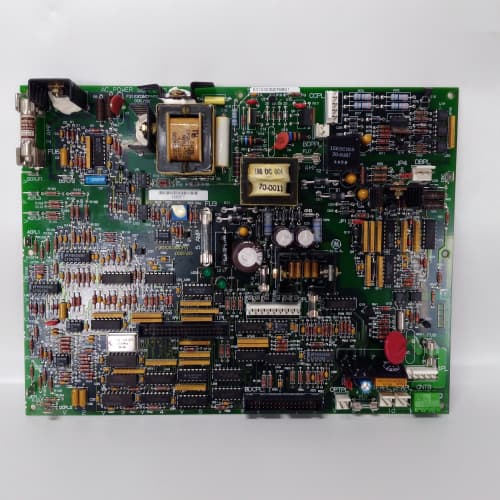
The 531X135PRGAAM3 is a high-performance processor board manufactured by GE Fanuc, designed for the DC300 digital drive series. This model belongs to the 531X135 series, which is a later-generation processor board that incorporates enhanced processing power, expanded memory, and improved communication capabilities compared to the 531X133 series. The “PRGAAM3” designation indicates a specific revision with refined firmware and hardware optimizations for demanding DC motor control applications. The 531X135PRGAAM3 serves as the central control engine for armature voltage regulation, field current management, speed feedback processing, and advanced diagnostics in heavy-duty DC motor applications. For maintenance teams supporting late-generation GE DC300 cabinets, the 531X135PRGAAM3 is a critical spare offering improved performance over earlier processor boards.
The 531X134EPRBNG1 is a high-performance power interface board manufactured by GE Fanuc, designed as a companion to the processor boards in the DC300 digital drive series. This “BNG1” revision builds upon the BMG1 with enhanced gate drive characteristics, improved isolation, advanced commutation control, expanded diagnostic feedback, intelligent gate monitoring, adaptive gate drive optimization, and communication interface enhancement. The 531X134EPRBNG1 handles the critical interface between the control logic and the power bridge—generating firing pulses for SCR/thyristor modules, monitoring bus voltage, and providing isolation between the low-voltage control section and the high-voltage power section. For maintenance engineers supporting the latest GE DC300 drive cabinets, the 531X134EPRBNG1 is the premier spare for reliable power stage operation with enhanced communication capabilities.
The 531X134EPRBMG1 is a high-performance power interface board manufactured by GE Fanuc, designed as a companion to the processor boards in the DC300 digital drive series. This “BMG1” revision builds upon the BJG1 with enhanced gate drive characteristics, improved isolation, advanced commutation control, expanded diagnostic feedback, intelligent gate monitoring, and adaptive gate drive optimization. The 531X134EPRBMG1 handles the critical interface between the control logic and the power bridge—generating firing pulses for SCR/thyristor modules, monitoring bus voltage, and providing isolation between the low-voltage control section and the high-voltage power section. For maintenance engineers supporting the latest GE DC300 drive cabinets, the 531X134EPRBMG1 is the premier spare for reliable power stage operation with adaptive gate drive performance.
The 531X134EPRBJG1 is a high-performance power interface board manufactured by GE Fanuc, designed as a companion to the processor boards in the DC300 digital drive series. This “BJG1” revision builds upon the BHG1 with enhanced gate drive characteristics, improved isolation, advanced commutation control, expanded diagnostic feedback, and intelligent gate monitoring for the most demanding industrial applications. The 531X134EPRBJG1 handles the critical interface between the control logic and the power bridge—generating firing pulses for SCR/thyristor modules, monitoring bus voltage, and providing isolation between the low-voltage control section and the high-voltage power section. For maintenance engineers supporting the latest GE DC300 drive cabinets, the 531X134EPRBJG1 is the premier spare for reliable power stage operation in extreme conditions with intelligent gate feedback.
The 531X134EPRBHG1 is a high-performance power interface board manufactured by GE Fanuc, designed as a companion to the processor boards in the DC300 digital drive series. This “BHG1” revision builds upon the BGG1 with enhanced gate drive characteristics, improved isolation, advanced commutation control, expanded diagnostic feedback, and optimized thermal management for the most demanding industrial applications. The 531X134EPRBHG1 handles the critical interface between the control logic and the power bridge—generating firing pulses for SCR/thyristor modules, monitoring bus voltage, and providing isolation between the low-voltage control section and the high-voltage power section. For maintenance engineers supporting the latest GE DC300 drive cabinets, the 531X134EPRBHG1 is the premier spare for reliable power stage operation in extreme conditions.
The 531X134EPRBGG1 is a high-performance power interface board manufactured by GE Fanuc, designed as a companion to the processor boards in the DC300 digital drive series. This “BGG1” revision builds upon the BFG1 with enhanced gate drive characteristics, improved isolation, refined commutation timing, expanded diagnostic feedback, and optimized thermal management. The 531X134EPRBGG1 handles the critical interface between the control logic and the power bridge—generating firing pulses for SCR/thyristor modules, monitoring bus voltage, and providing isolation between the low-voltage control section and the high-voltage power section. For maintenance engineers supporting late-generation GE DC300 drive cabinets, the 531X134EPRBGG1 is a vital spare for reliable power stage operation in demanding, high-temperature environments.
The 531X134EPRBFG1 is a high-performance power interface board manufactured by GE Fanuc, designed as a companion to the processor boards in the DC300 digital drive series. This “BFG1” revision builds upon the earlier BEG1 with enhanced gate drive characteristics, improved isolation, refined commutation timing, and expanded diagnostic feedback. The 531X134EPRBFG1 handles the critical interface between the control logic and the power bridge—generating firing pulses for SCR/thyristor modules, monitoring bus voltage, and providing isolation between the low-voltage control section and the high-voltage power section. For maintenance engineers supporting late-generation GE DC300 drive cabinets, the 531X134EPRBFG1 is a vital spare for reliable power stage operation.
The 531X134EPRBEG1 is a high-performance power interface board manufactured by GE Fanuc, designed as a companion to the processor boards in the DC300 digital drive series. Unlike the processor boards (PRU series), the 531X134EPRBEG1 handles the critical interface between the control logic and the power bridge—generating firing pulses for SCR/thyristor modules, monitoring bus voltage, and providing isolation between the low-voltage control section and the high-voltage power section. This “EPRBEG1” revision incorporates enhanced gate drive characteristics, improved isolation, and refined commutation timing compared to earlier EP series boards. For maintenance engineers supporting GE DC300 drive cabinets, the 531X134EPRBEG1 is an essential spare for maintaining reliable power stage operation.
The 531X133PRUAZG1 is a high-performance processor interface board manufactured by GE Fanuc for the DC300 digital drive series. This “ZG1” suffix represents a special-order or custom-engineered variant, likely produced for a specific OEM or high-demand application requiring unique firmware and hardware tuning not found on standard revisions (A through P). The 531X133PRUAZG1 serves as the central control engine for armature voltage regulation, field current management, speed feedback processing, and advanced diagnostics. For maintenance teams supporting custom GE DC300 cabinets, the 531X133PRUAZG1 is a highly specialized spare—its exact feature set depends on the original custom order specifications.
The 531X133PRUAPG1 is a high-performance processor interface board manufactured by GE Fanuc for the DC300 digital drive series. This “PG1” revision represents one of the final production variants, incorporating all cumulative improvements with additional enhancements in power stage optimization, energy efficiency management, and regenerative braking control. The 531X133PRUAPG1 serves as the central control engine for armature voltage regulation, field current management, speed feedback processing, and advanced diagnostics in heavy-duty DC motor applications. For maintenance teams supporting late-generation GE DC300 cabinets, the 531X133PRUAPG1 is the premier spare for systems requiring optimized power management and regenerative energy handling.
The 531X133PRUANG1 is a high-performance processor interface board manufactured by GE Fanuc for the DC300 digital drive series. This “NG1” revision represents one of the final production variants, incorporating all cumulative improvements with additional enhancements in network communication, advanced motor modeling, and predictive diagnostics. The 531X133PRUANG1 serves as the central control engine for armature voltage regulation, field current management, speed feedback processing, and advanced diagnostics in heavy-duty DC motor applications. For maintenance teams supporting late-generation GE DC300 cabinets, the 531X133PRUANG1 is the premier spare for systems requiring advanced motor modeling and enhanced communication capabilities.
The 531X133PRUAMG1 is a high-performance processor interface board manufactured by GE Fanuc for the DC300 digital drive series. This “MG1” revision represents one of the most advanced and final production variants, incorporating all cumulative improvements from previous revisions with significant enhancements in motor parameter adaptation, load compensation, and diagnostic intelligence. The 531X133PRUAMG1 serves as the central control engine for armature voltage regulation, field current management, speed feedback processing, and advanced diagnostics in heavy-duty DC motor applications. For maintenance teams supporting late-generation GE DC300 cabinets, the 531X133PRUAMG1 is the ultimate spare for systems requiring adaptive motor control and intelligent load compensation.