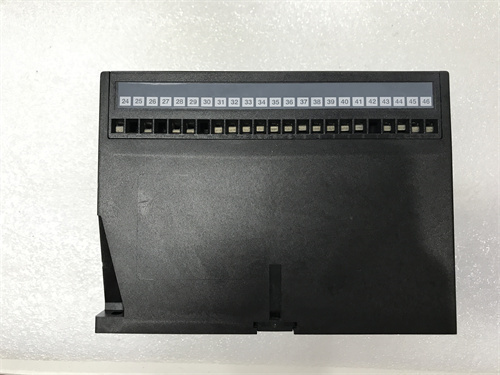
Multiple channel configurations: The module has multiple independent channels, each of which can be configured individually for a different input signal.
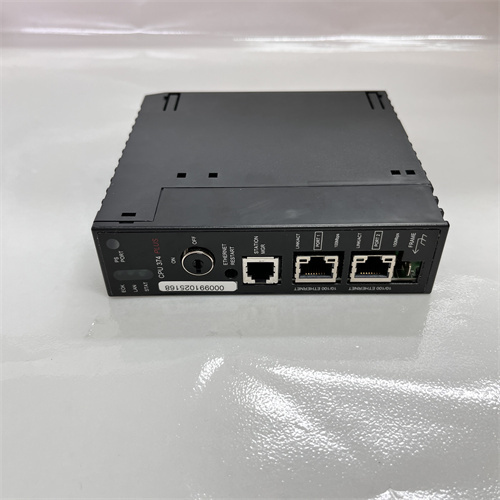
Communication interface: supports a variety of communication protocols and interfaces, such as EtherNet/IP, Profinet, etc., to facilitate connection and communication with various industrial equipment and systems.
Control Modes: Overload Protection, Undervoltage Protection, Overvoltage Protection, Single-phase Power Failure Protection, Ground Fault Protection, etc.
Communication Interface: RS-232
Dimensions and Weight:
Dimensions: 270mm x 180mm x 90mm (L x W x H)
Weight: Approximately 3.5kg
Series:
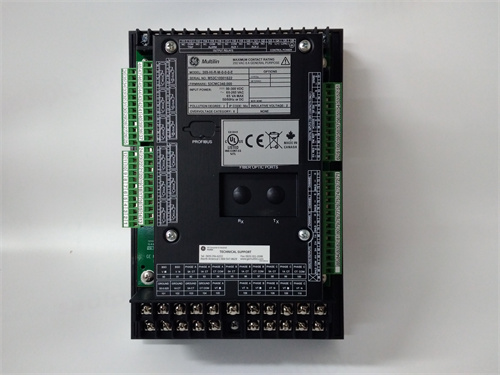
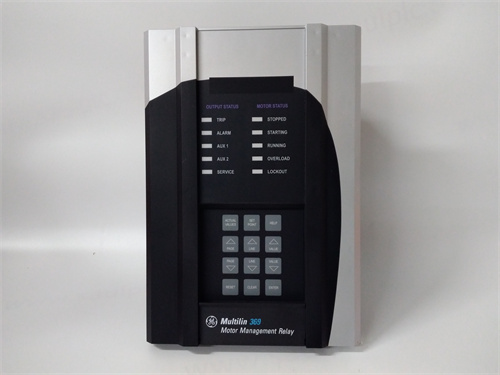
GE-369 Series Motor Protection Relay, offered by GE Automation, which includes various models to meet different power and functional requirements for motor protection applications
Maximum RPI time: ms per connection (specific value not given).
Supported message types: PCCC client connection.
Connection size: 248/248.
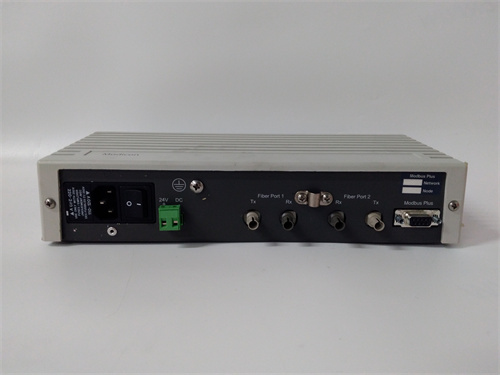
Modbus Serial specification: Supports up to 100 commands per master port, each configurable for function code, slave address, register addressing, and word/bit count.
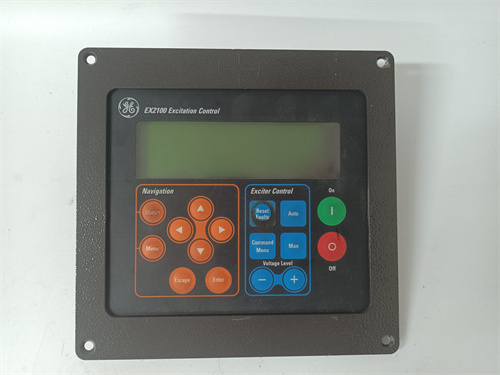
Function: Communicate with the excitation control system to monitor and control the excitation system of the generator to ensure that the voltage and frequency of the generator output are within the required range.
Communication interface: It usually has various communication interfaces, such as Ethernet, Profinet IO, etc., to achieve data exchange and communication with the excitation control system.
Automatic adjustment function: The parameters of the excitation system can be automatically adjusted according to the need to maintain a stable power output.
Control principle: The use of specific control algorithms and technologies to ensure the stable output of power generators.
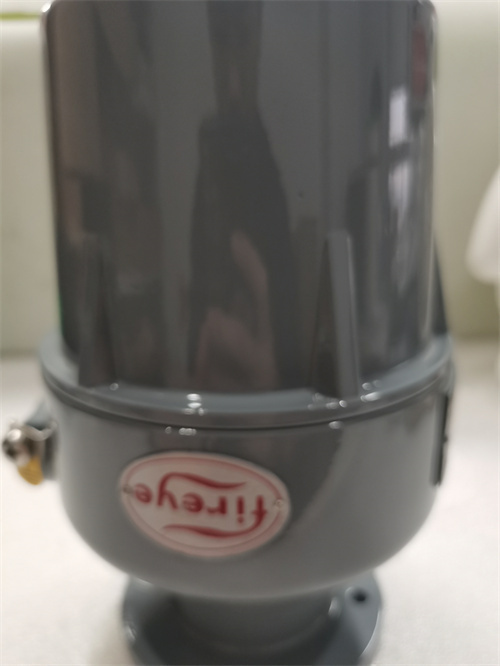
Detection wavelength: UV emission is in the wavelength range of 295 to 340 nm.
Optical sensitivity: With advanced filter adjustment, light wavelengths from standard 310 nm to 500 nm can be picked up.
Automatic setting: Includes an internal flame relay that automatically sets ON/OFF thresholds without the need for a remote flame amplifier or flame switch.
Sensor gain: The appropriate sensor gain can be automatically selected to adapt to different application environments.
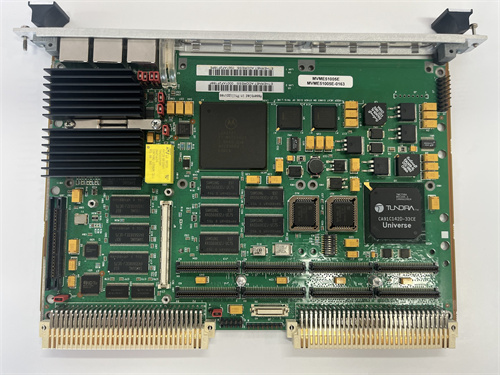
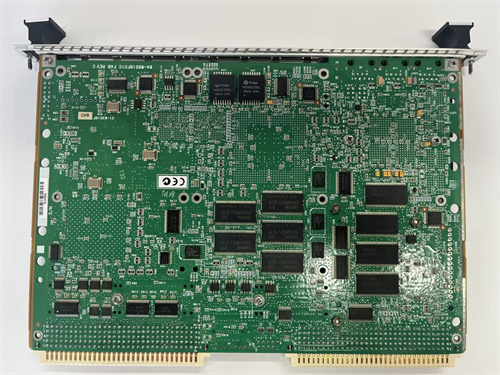
Processor: It may be equipped with a Motorola or Freescale series processor, such as the MPC755, and the clock rate may be different, such as 400 MHz or higher.
Memory: Memory configurations may include 128 MB SDRAM or higher, such as up to 2 GB DDR SDRAM.
Bus interface: Communicates with other devices through the VMEbus interface, supporting VME64x and VMEbus standards.
Network interface: Includes dual 10BaseT/100BaseTX Ethernet or 10/100/1000 Base-T Ethernet ports.
Serial ports: such as RS-232 and RS-485 serial ports.
USB ports: Two USB 2.0 ports may be available.
I/O interfaces and expansion slots: including GPIO, provides a variety of I/O interfaces and expansion slots.

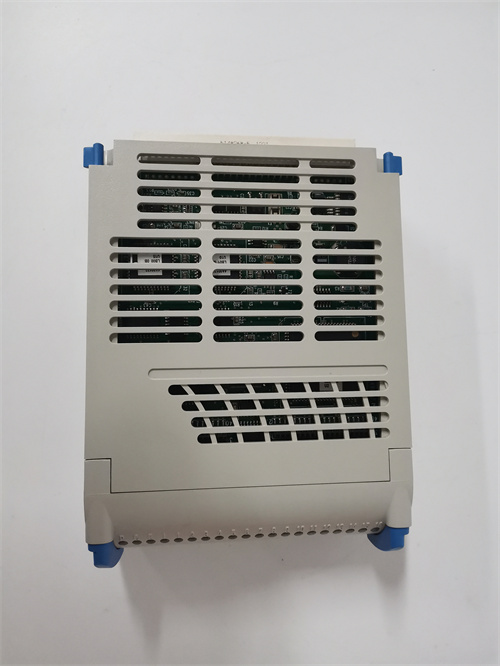
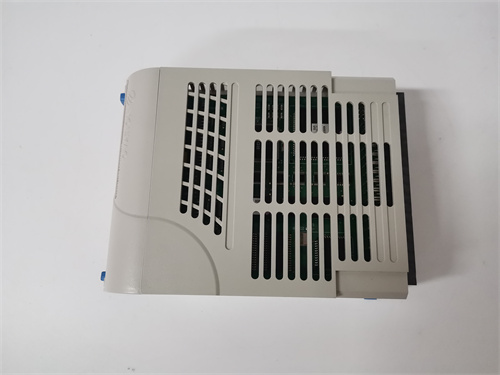
.jpg)