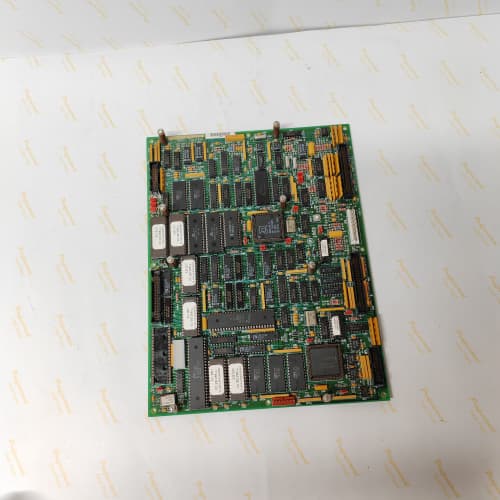
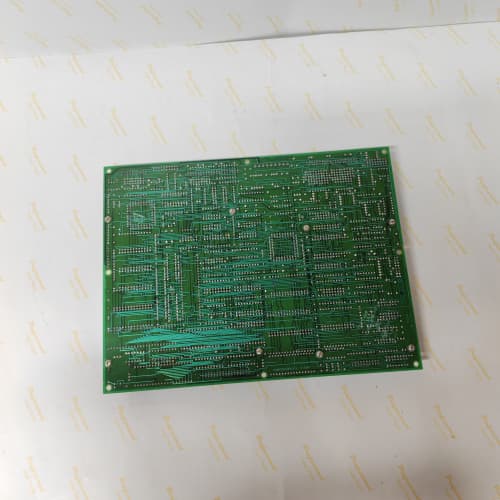
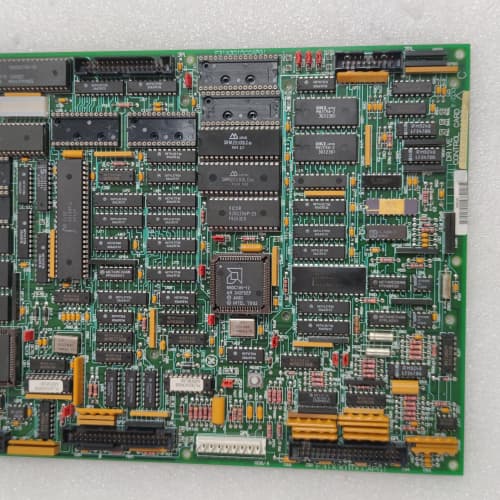
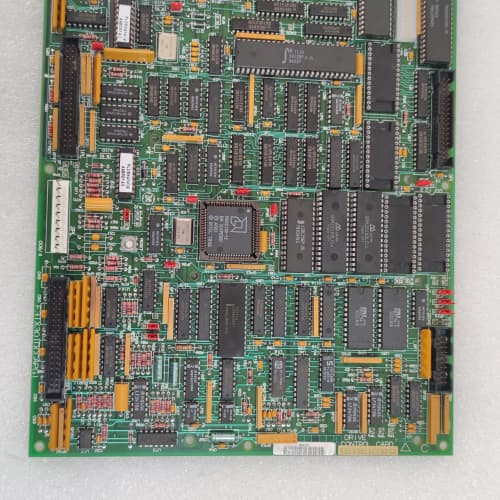
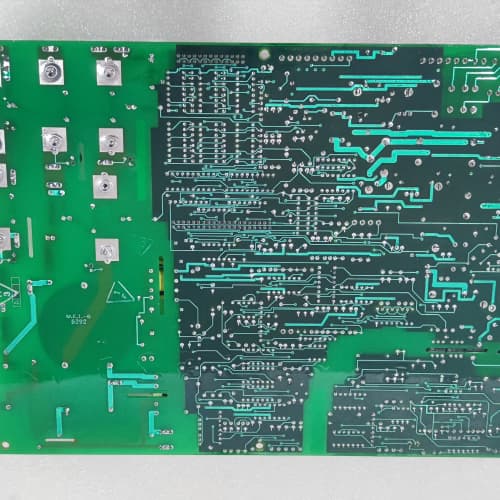
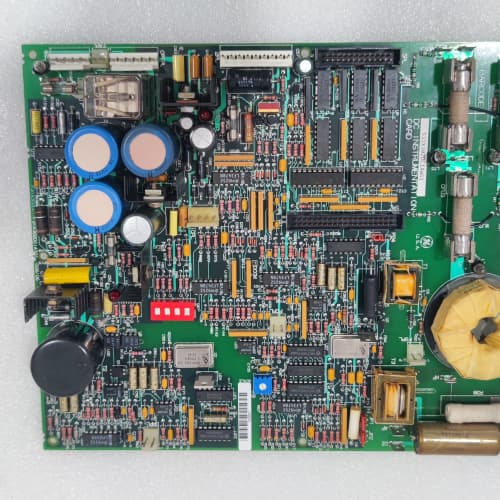
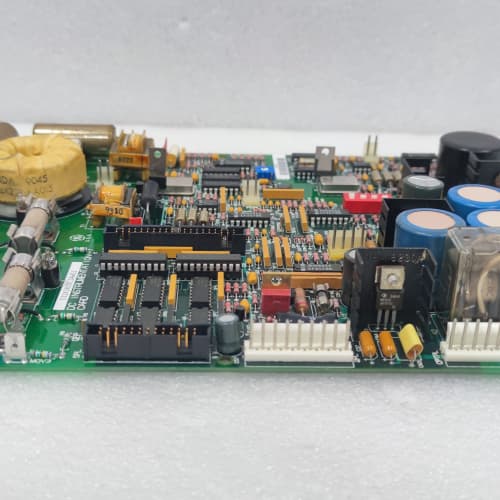
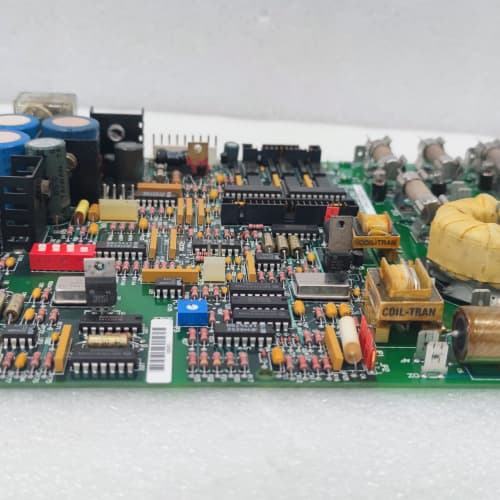
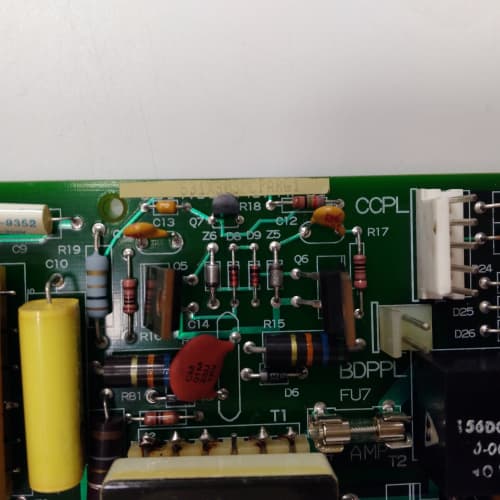
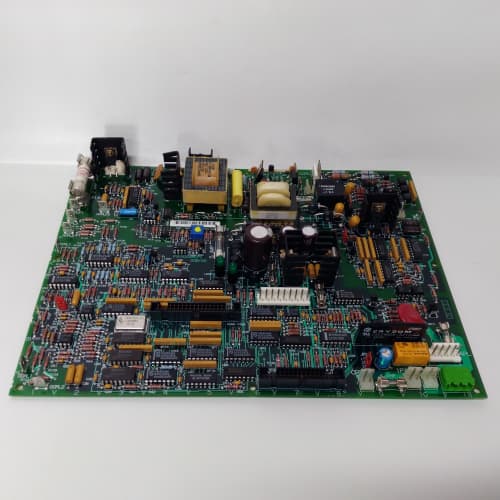
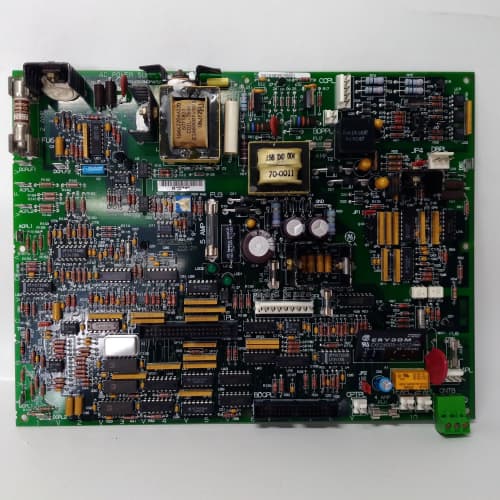
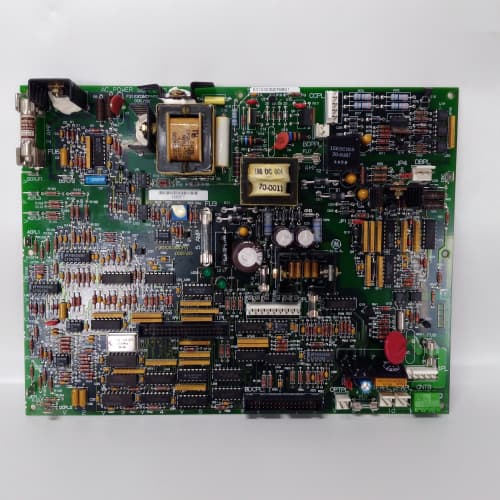
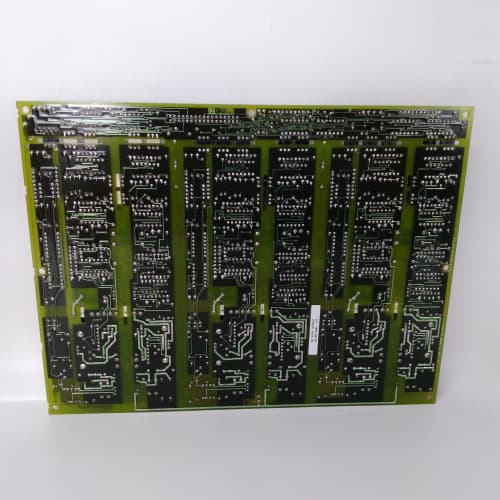
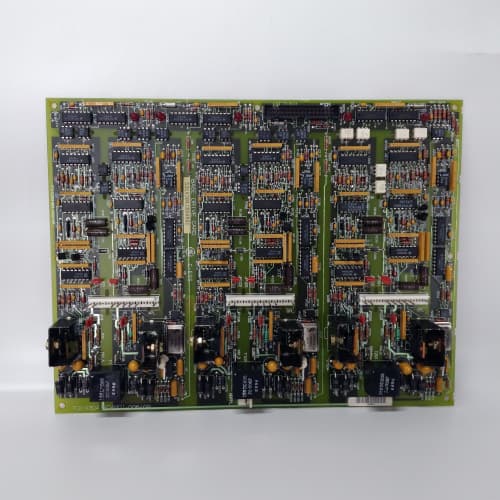
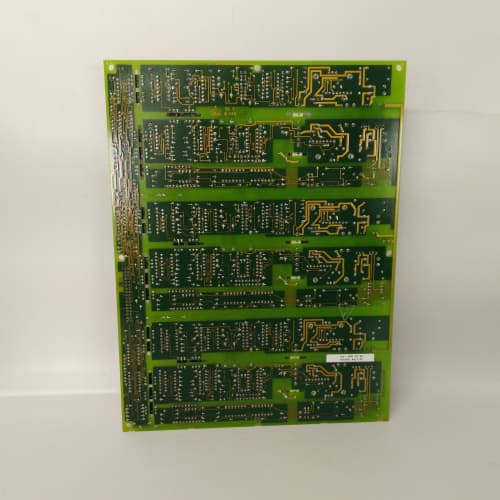
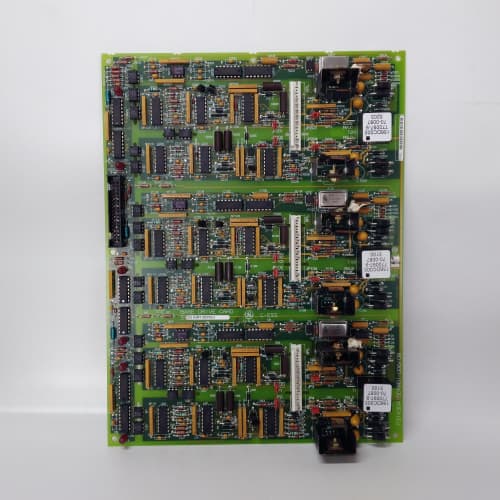
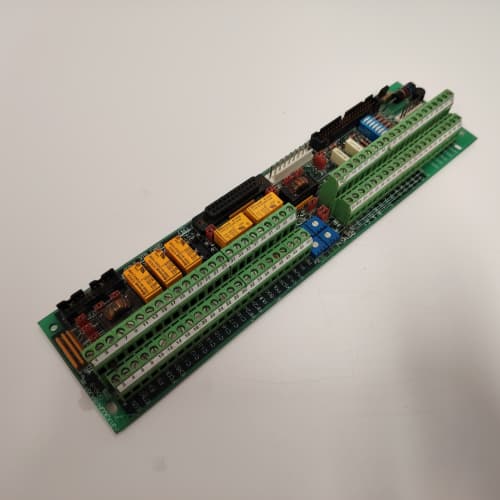
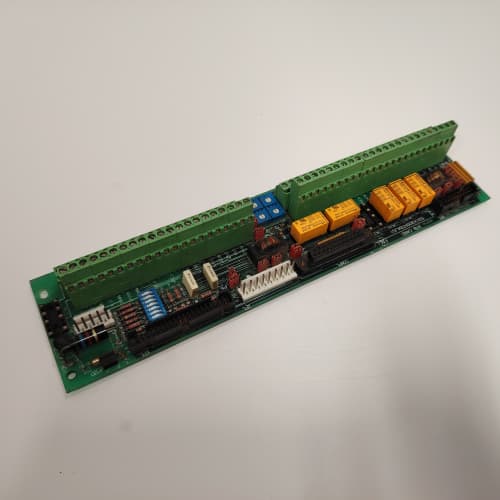
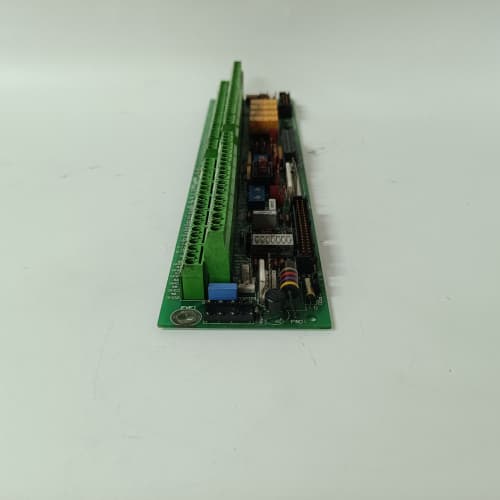
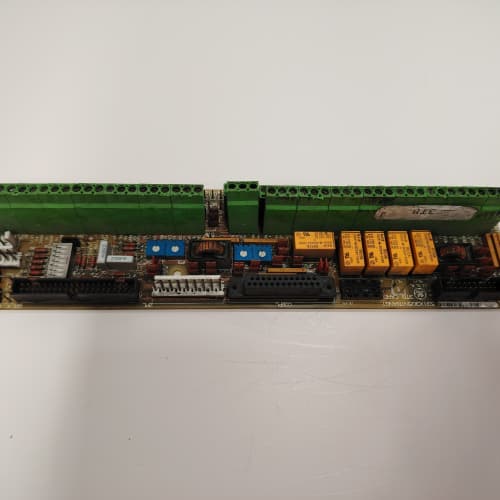
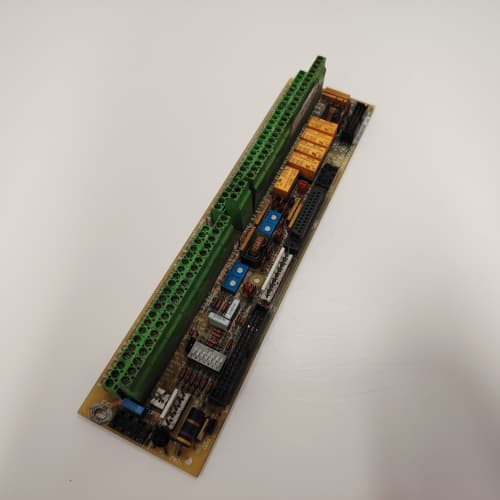
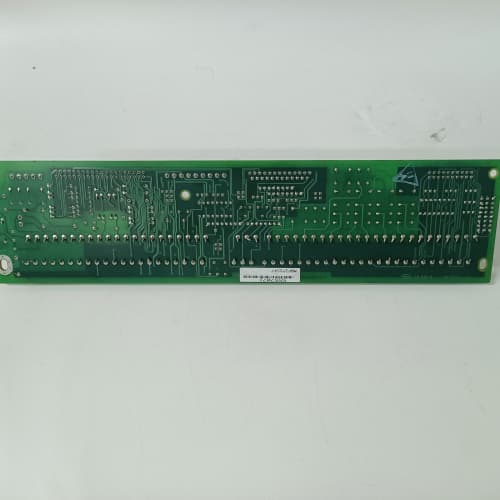
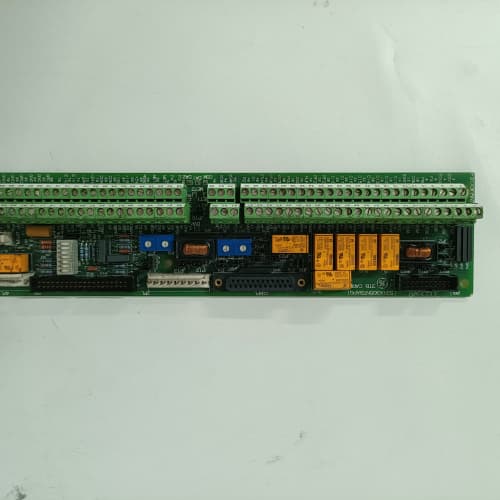
The key technical specifications of the 3BHB003688R0001 include:
Parameter
Value
Input Type
Digital
Number of Channels
16
Input Voltage
24 VDC
Input Current
5 mA per channel
Isolation
Optically isolated
Communication
Profibus DP
Operating Temp.
0°C to +55°C
Compatibility
Schneider Electric PLCs
3. Advantages and Features
The 3BHB003688R0001 stands out for its high reliability, ease of integration, and advanced diagnostics. With a mean time between failures (MTBF) exceeding industry standards, it ensures minimal downtime and maximum system uptime. The module’s compact footprint and modular design facilitate easy installation and maintenance, reducing overall lifecycle costs. Additionally, its advanced diagnostics feature provides real-time feedback on system health, enabling predictive maintenance and reducing unplanned outages. The Profibus DP communication interface allows for seamless integration into modern automation networks.
4. Application Areas and Case Studies
The 3BHB003688R0001 is suitable for various industries, including manufacturing, energy, and process automation. In one specific case study, a large manufacturing plant utilized the module to monitor and control production lines. The module’s high-speed data processing and accurate signal transmission significantly improved production efficiency, reducing defects and enhancing overall system performance. Another application in the energy sector involved using the 3BHB003688R0001 to monitor critical equipment in a power plant, ensuring reliable operation and timely maintenance.
GE 705 – 1512 – 01 is a vital PLC spare part, designed to meet the diverse needs of industrial automation processes. Engineered by GE, a well – established name in the field, this model is crafted to offer reliable and efficient performance across various industrial applications.
The GE 705 – 1512 – 01 serves as a key element for data acquisition and control within a PLC – based system. Its core function is to collect data from a wide variety of sensors, such as temperature sensors in industrial ovens, flow sensors in fluid – handling systems, and pressure sensors in manufacturing equipment. Once the data is gathered, the GE 705 – 1512 – 01 processes it using advanced algorithms. It then relays the processed data to the main PLC controller, enabling the controller to send out accurate control signals to actuators like motors, valves, and solenoids. For example, in a food processing factory, the GE 705 – 1512 – 01 can monitor the temperature and humidity in storage areas. If the conditions deviate from the optimal range, it can send signals to adjust the ventilation or cooling systems, ensuring the quality and shelf – life of food products.
The GE 705 – 1512 – 01 has wide – ranging applications across multiple industries. In the manufacturing industry, it helps optimize production processes, improve product quality, and enhance productivity. In the energy sector, it is used to monitor and control power – generation and distribution systems, ensuring reliable energy supply. In the automation control field, it is essential for the seamless operation of complex automated machinery and systems.
One of the key advantages of the GE 705 – 1512 – 01 is its high reliability. It is built to withstand harsh industrial environments, including high temperatures, humidity, and mechanical vibrations. Additionally, it offers easy integration with existing PLC systems. This allows for quick and seamless incorporation into ongoing projects. It also provides accurate and rapid data processing, which is crucial for real – time control in industrial processes.
TRICONEX 3511 is a crucial PLC spare part that holds significant importance in the industrial automation landscape. Engineered by a company with a long – standing reputation for excellence in PLC technology, this model is designed to meet the diverse and complex requirements of various industrial applications.
The TRICONEX 3511 is a key component for high – reliability control and monitoring within a PLC – based system. Its core function is to collect data from a multitude of sensors across different industrial processes. These sensors can range from pressure sensors in oil refineries, temperature sensors in chemical reactors, to level sensors in storage facilities. Once the data is obtained, the TRICONEX 3511 processes it through sophisticated algorithms. It then communicates the processed data to the main PLC controller, enabling the controller to issue accurate and timely control signals to actuators such as valves, motors, and solenoids. For example, in a petrochemical plant, the TRICONEX 3511 can monitor the pressure and temperature of a reaction vessel. If these parameters deviate from the set values, it can send signals to adjust the flow of reactants or the cooling system, ensuring the safety and efficiency of the chemical reaction.
The TRICONEX 3511 has wide – reaching applications across multiple industries. In the manufacturing industry, it is used to optimize production processes, improve product quality, and enhance production efficiency. In the energy sector, it plays a vital role in the monitoring and control of power – generation, transmission, and distribution systems, ensuring reliable energy supply. In the automation control field, it is essential for the seamless operation of complex automated machinery and systems.
One of the primary advantages of the TRICONEX 3511 is its exceptional reliability. It is built to endure harsh industrial environments, including high temperatures, corrosive substances, and mechanical vibrations. Additionally, it offers easy integration with existing PLC systems. This allows for smooth incorporation into ongoing projects without significant re – engineering. It also provides high – speed and accurate data processing, which is crucial for real – time control in industrial processes.
VIBRO 200 – 595 – 002 – 011 is an essential PLC spare part, designed with precision to meet the diverse demands of industrial automation. Developed by a company renowned for its expertise in PLC – related technologies, this model has become a cornerstone in various industrial setups.
The VIBRO 200 – 595 – 002 – 011 serves as a key component for data collection and control within a PLC – based system. Its core function is to acquire data from a wide range of sensors, especially those related to vibration monitoring. For example, it can gather data from vibration sensors installed on rotating machinery, such as motors, turbines, and pumps. Once the vibration – related data is collected, the VIBRO 200 – 595 – 002 – 011 processes it using advanced algorithms. It then communicates the processed data to the main PLC controller. Based on this information, the controller can send out control signals to actuators like dampers, brakes, or corrective motors to ensure the smooth operation of the machinery. In a manufacturing plant, if the vibration levels of a large – scale motor exceed the normal range, the VIBRO 200 – 595 – 002 – 011 can quickly detect this through the sensors. It will then process the data and send a signal to adjust the motor’s operating parameters or activate additional vibration – damping mechanisms.
The VIBRO 200 – 595 – 002 – 011 has extensive applications across multiple industries. In the manufacturing industry, it plays a crucial role in preventing equipment failures caused by excessive vibration, thus optimizing production processes, enhancing product quality, and reducing unplanned downtime. In the energy sector, it is used to monitor the vibration of power – generation equipment like turbines, ensuring reliable energy production. In the automation control field, it is essential for maintaining the precision and stability of complex automated machinery.
573 – 935 – 202c is a crucial PLC spare part designed to meet the diverse needs of industrial automation. Engineered by a company with a long – standing reputation in the PLC industry, this model is a key component in many industrial control systems.
The 573 – 935 – 202c serves as a vital link for data acquisition and control within a PLC – based setup. Its core function is to gather data from various sensors. These can include level sensors in storage tanks, flow sensors in pipelines, and temperature sensors in industrial dryers. Once the data is collected, the 573 – 935 – 202c processes it using sophisticated algorithms. It then communicates the processed data to the main PLC controller, enabling the controller to issue precise control signals to actuators such as pumps, valves, and motors. For instance, in a chemical processing plant, the 573 – 935 – 202c can monitor the flow rate of reactants. If the flow rate is not within the set parameters, it can send a signal to adjust the pump speed, ensuring smooth chemical reactions.
The 573 – 935 – 202c has wide – reaching applications across multiple industries. In the manufacturing industry, it helps optimize production processes, improve product quality, and increase productivity. In the energy sector, it is used to monitor and control power – generation and distribution systems, ensuring reliable energy supply. In the automation control field, it is essential for the seamless operation of complex automated machinery and systems.
One of the primary advantages of the 573 – 935 – 202c is its high reliability. It is built to withstand harsh industrial environments, including high temperatures, humidity, and mechanical vibrations. Additionally, it offers easy integration with existing PLC systems. This allows for quick and efficient incorporation into ongoing projects. It also provides accurate data processing, which is crucial for precise control in industrial processes.
AS – P892 – 000 is a significant PLC spare part that holds a pivotal position in the industrial automation field. Engineered by a company with profound expertise in PLC technology, this model is designed to meet the diverse and complex requirements of various industrial applications.
The AS – P892 – 000 serves as a key element for data collection and control within a PLC – based system. Its core function is to gather data from a wide array of sensors. These sensors can range from temperature sensors in industrial kilns, pressure sensors in pneumatic systems, to position sensors in automated machinery. Once the data is obtained, the AS – P892 – 000 processes it using advanced algorithms. It then relays the processed data to the main PLC controller, enabling the controller to issue precise control signals to actuators such as motors, valves, and relays. For example, in a textile manufacturing plant, the AS – P892 – 000 can monitor the tension of the fabric during the weaving process. If the tension deviates from the set value, it can send a signal to adjust the speed of the winding machine, ensuring high – quality fabric production.
The AS – P892 – 000 has a broad application scope across multiple industries. In the manufacturing industry, it is used to optimize production processes, enhance product quality, and boost production efficiency. In the energy sector, it aids in the monitoring and control of power – generation and distribution systems, ensuring reliable energy supply. In the automation control field, it is crucial for the seamless operation of complex automated machinery and systems.
One of the key advantages of the AS – P892 – 000 is its high reliability. It is built to endure harsh industrial environments, including high temperatures, vibrations, and electromagnetic interference. Additionally, it offers easy integration with existing PLC systems. This allows for quick and hassle – free incorporation into ongoing projects. It also provides accurate and rapid data processing, which is essential for real – time control in industrial processes.
Digital Inputs: 16 channels, compatible with standard digital sensor outputs; Digital Outputs: 12 channels, suitable for driving common actuators; Analog Inputs: 8 channels, range 0 – 10V or 4 – 20mA; Communication Interface: Ethernet (100Base – T) for high – speed data transfer, RS – 485 for serial communication
Compatibility
Compatible with most major PLC brands, supporting common industrial communication protocols like Modbus TCP/IP and Profibus DP
Operating Temperature
– 25°C to 70°C
Humidity
5% – 95% non – condensing
3. Advantages and Features
High Reliability: A chemical processing plant has been using the A6500 – UM for 10 years. Despite the harsh environment with high temperatures, chemical exposure, and mechanical vibrations, it has only experienced three minor failures. Its Mean Time Between Failures (MTBF) is calculated to be over 800,000 hours. This high reliability has saved the plant approximately $70,000 in potential production losses due to downtime.
Easy Integration: In an automotive manufacturing plant’s expansion project, the A6500 – UM was integrated into the existing PLC – based production system within 6 hours. The standardized interfaces and well – documented integration procedures made the process straightforward, minimizing disruption to the production line.
Accurate Data Processing: In a food processing factory, the A6500 – UM is used to monitor and control the temperature and humidity during the food storage process. Its accurate data processing ensures that the environmental conditions are maintained within a narrow range. As a result, the spoilage rate of food products has decreased by 18%, leading to significant cost savings.
The key technical specifications of the 5205-DFNT-PDPS include:
Parameter
Value
Input/Output Type
Digital
Number of Channels
16
Input Voltage
24 VDC
Output Current
0.5A per channel
Isolation
2500VDC
Communication
Ethernet
Operating Temp.
-25°C to +70°C
Compatibility
Emerson PLC Systems
3. Advantages and Features
The 5205-DFNT-PDPS stands out for its high reliability, ease of integration, and advanced diagnostics. With a mean time between failures (MTBF) exceeding industry standards, it ensures minimal downtime and maximum system uptime. The module’s compact footprint and modular design facilitate easy installation and maintenance, reducing overall lifecycle costs. Additionally, its advanced diagnostics feature provides real-time feedback on system health, enabling predictive maintenance and reducing unplanned outages. The Ethernet communication interface allows for seamless integration into modern automation networks.
RDCU – 02C is a crucial PLC spare part designed to meet the diverse demands of industrial automation. Developed by a company with a reputation for excellence in PLC technology, this model has become an essential component in many industrial setups.
The RDCU – 02C serves as a key unit for data acquisition and control within a PLC – based system. Its core function is to gather data from various sensors. These can be speed sensors in conveyor belts, vibration sensors in rotating machinery, or temperature sensors in industrial dryers. Once the data is obtained, the RDCU – 02C processes it through advanced algorithms. It then relays the processed data to the main PLC controller, enabling the controller to send out accurate control signals to actuators like motors, solenoid valves, and braking systems. For instance, in a manufacturing factory, the RDCU – 02C can monitor the speed of a conveyor belt. If the speed varies from the set value, it can send a signal to adjust the motor speed, ensuring smooth production flow.
The RDCU – 02C has wide – reaching applications across multiple industries. In the manufacturing industry, it helps optimize production processes, improve product quality, and enhance productivity. In the energy sector, it is used to monitor and control power – generation equipment, ensuring reliable energy production. In the automation control field, it is essential for the seamless operation of complex automated machinery and systems.
One of the major advantages of the RDCU – 02C is its high reliability. It is built to withstand harsh industrial environments, including high temperatures, humidity, and mechanical vibrations. Additionally, it offers easy integration with existing PLC systems, allowing for quick and efficient incorporation into ongoing projects. It also provides accurate and fast data processing, which is vital for real – time control in industrial processes.
The key technical specifications of the VM600 RPS6U include:
Parameter
Value
Input Voltage
100-240 VAC
Output Voltage
24 VDC
Output Current
Up to 6A
Power Rating
144W
Interface Type
Hot-swappable
Compatibility
Schneider Electric PLCs
3. Advantages and Features
The VM600 RPS6U stands out for its high reliability, redundancy, and ease of integration. With a mean time between failures (MTBF) exceeding industry standards, it ensures minimal downtime and maximum system uptime. The unit’s hot-swappable feature allows for seamless replacement without disrupting system operation, further enhancing reliability. Additionally, its compact footprint and modular design facilitate easy installation and maintenance, reducing overall lifecycle costs.
FBM230 P0926GU is a significant PLC spare part, a linchpin in the industrial automation landscape. Developed by a company renowned for its PLC – related expertise, this model is tailored to meet the diverse needs of numerous industrial applications.
The FBM230 P0926GU serves as a key component for data handling and control within a PLC – based system. Its core function is to gather data from a wide array of sensors. These sensors can include pressure sensors in industrial pipelines, temperature sensors in heat – treatment processes, and flow sensors in fluid – handling systems. Once the data is collected, the FBM230 P0926GU processes it using specialized algorithms. It then communicates the processed data to the main PLC controller, enabling the controller to issue precise control signals to actuators such as pumps, fans, and control valves. For example, in a water treatment plant, the FBM230 P0926GU can monitor the water flow rate and pressure. If these parameters deviate from the set values, it can send signals to adjust the pump speed or open/close valves, ensuring the efficient treatment of water.
The FBM230 P0926GU has extensive applications across multiple industries. In the manufacturing industry, it is used to optimize production processes, enhance product quality, and increase production efficiency. In the energy sector, it plays a crucial role in the monitoring and control of power – generation equipment, ensuring reliable energy production. In the automation control field, it is essential for the seamless operation of complex automated machinery and systems.
One of the primary advantages of the FBM230 P0926GU is its high reliability. It is designed to endure harsh industrial environments, including high temperatures, humidity, and mechanical stress. Additionally, it offers easy integration with existing PLC systems. This allows for smooth incorporation into ongoing projects without significant re – engineering. It also provides accurate and rapid data processing, which is vital for real – time control in industrial processes.
High Reliability: A chemical manufacturing plant has been using the YNT512D for 10 years. Despite the harsh environment with high temperatures, chemical exposure, and mechanical vibrations, it has only experienced three minor failures. Its Mean Time Between Failures (MTBF) is calculated to be over 850,000 hours. This high reliability has saved the plant approximately $80,000 in potential production losses due to downtime.
Easy Integration: In an automotive manufacturing plant’s expansion project, the YNT512D was integrated into the existing PLC – based production system within 5 hours. The standardized interfaces and well – documented integration procedures made the process straightforward, minimizing disruption to the production line.
Accurate and Rapid Data Processing: In a semiconductor manufacturing facility, the YNT512D is used to monitor and control the temperature and pressure during the wafer – processing stage. It can process data and send control signals within 10 milliseconds, ensuring that the process parameters are maintained within a very narrow range. As a result, the product yield has increased by 18%, and the amount of waste has decreased by 15%.
4. Application Areas and Application Cases
Application Areas: The YNT512D is applicable in industries such as manufacturing (automotive, electronics, food & beverage), energy (power generation, renewable energy), and automation control (industrial robots, smart factories).
Application Case: In a large – scale solar power plant, the YNT512D was installed to monitor the performance of solar panels. It collected data on solar irradiance, panel temperature, and power output. By accurately and rapidly processing this data, the operators could optimize the operation of the solar panels. This led to a 14% increase in the overall power generation efficiency of the solar power plant.