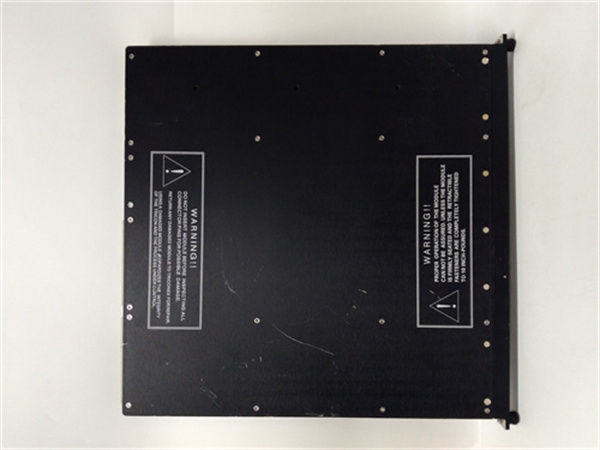
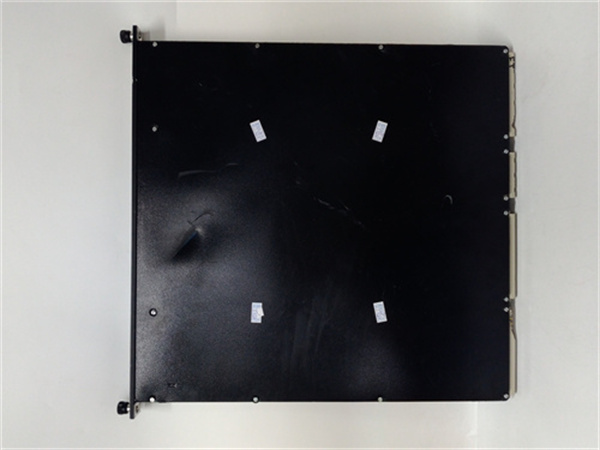
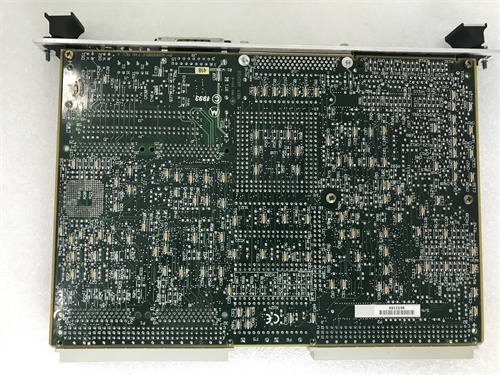
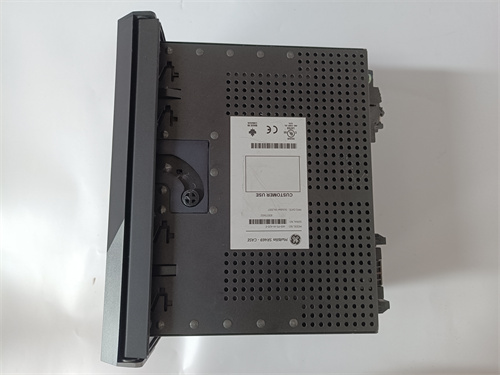
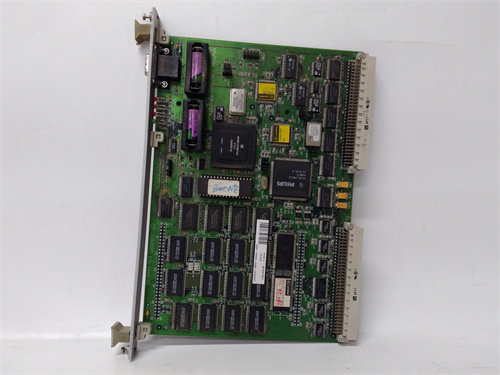
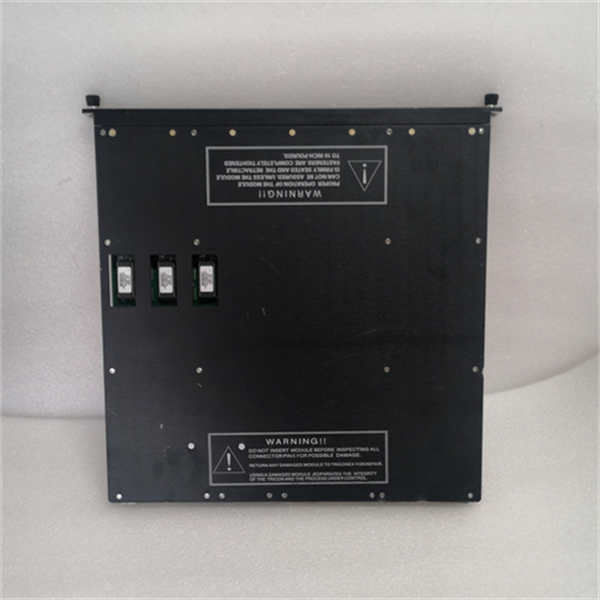
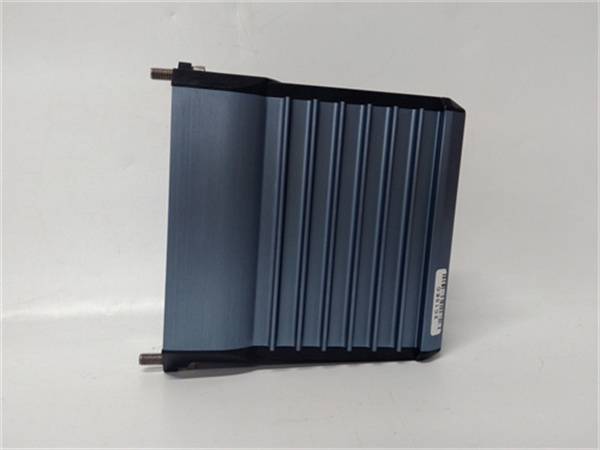
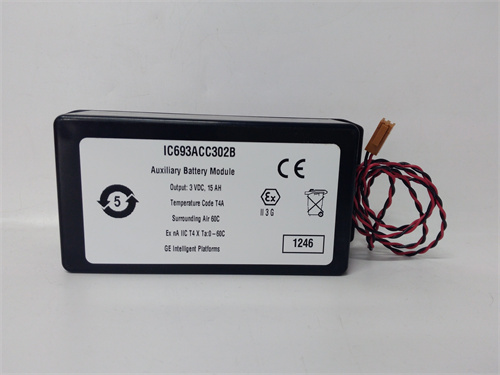
The TRICONEX 3625 stands out for its high reliability and fault tolerance. With a proven track record in critical process control applications, it ensures minimal downtime and maximum uptime. The module’s configurable I/O points provide flexibility, allowing it to adapt to various automation tasks. Additionally, its support for multiple communication protocols ensures seamless integration with existing systems. The TRICONEX 3625 is designed to meet the highest safety standards, providing peace of mind in demanding industrial environments.
4. Application Areas and Case Studies
The TRICONEX 3625 is ideal for applications in the oil and gas, chemical, and power generation industries. Its high availability and fault tolerance make it a perfect choice for critical process control systems. In one case study, a major oil and gas company used the TRICONEX 3625 to upgrade their existing PLC system. The module’s superior performance and reliability led to significant improvements in process efficiency and safety. The company reported reduced downtime and increased productivity after the upgrade.
5. Competitive Comparison
When compared to similar PLC spare parts in the market, the TRICONEX 3625 offers superior reliability, fault tolerance, and flexibility. Its configurable I/O points and support for multiple communication protocols set it apart from competitors, providing users with a more versatile and adaptable solution. Additionally, the module’s compliance with high safety standards ensures peace of mind in demanding industrial environments.
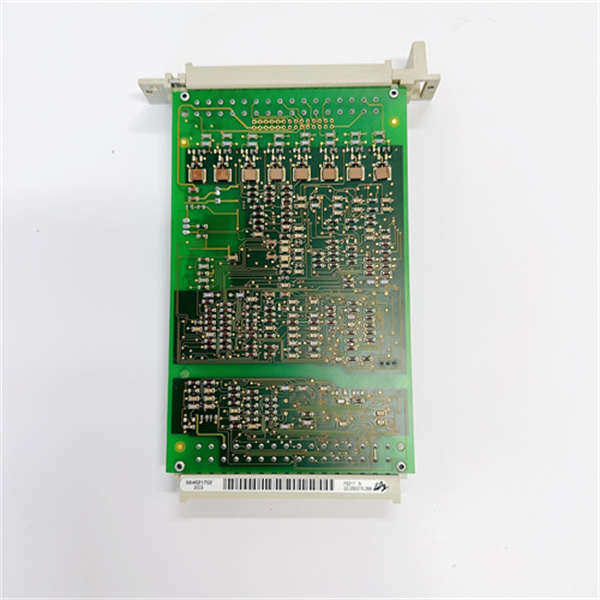
Compatibility: Ensure that the F6217 is compatible with your existing control system and other devices. Check if the communication protocol, input/output requirements, and electrical parameters match your system’s needs.
Installation Space: Consider the installation space available in your control cabinet or equipment. The compact size of the F6217 is an advantage in tight spaces, but make sure it can be properly installed and connected without causing any interference.
Function Requirements: Based on your specific application, evaluate whether the 8-channel design, input range, and resolution of the F6217 meet your measurement and control requirements. If you need to monitor and control a large number of analog signals with high precision, the F6217 is a good choice.
Budget: While considering the performance and features, also take into account your budget. The HIMA F6217 offers high performance and reliability at a reasonable price, but make sure it fits within your financial plan.
7. Precautions
Installation: Follow the installation instructions provided in the documentation carefully. Ensure proper grounding to prevent electrical interference and ensure the safety of the system. When connecting the module to sensors and other devices, make sure the connections are secure and the wiring is correct to avoid signal errors.
Power Supply: Use a stable power supply within the specified voltage range to avoid damage to the module or incorrect operation. It is recommended to use a power supply with filtering and protection functions to prevent voltage spikes and fluctuations.
Maintenance: Regularly check the module’s operation status and clean the surface to remove dust and dirt. Check for any loose connections or signs of damage. If any problems are found, refer to the troubleshooting guide in the documentation or contact HIMA’s technical support for assistance.
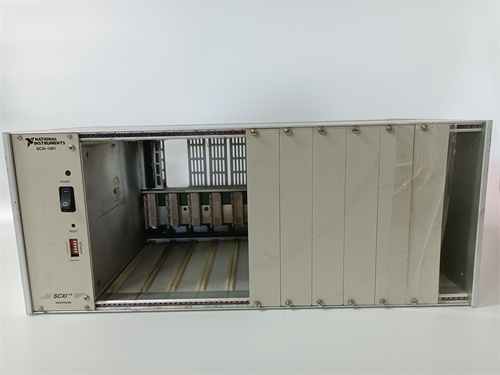
The SCXI-1001 stands out for its high reliability and flexibility. With a relay life of up to 50 million cycles, it ensures long-term durability and minimal downtime. The module’s programmable configuration allows it to be used as a four-way 8×1 multiplexer or a four-way 4×1 terminated multiplexer, catering to various application needs. Additionally, its high-density design maximizes space utilization within a PXI slot, making it an excellent choice for systems with limited space.
4. Application Areas and Case Studies
The SCXI-1001 is suitable for a wide range of industries, including manufacturing, aerospace, and automotive. In one specific case study, a major automotive manufacturer used the SCXI-1001 to monitor vibration levels in their production line. The module’s high precision and real-time data acquisition capabilities enabled the company to detect and rectify potential issues before they led to costly downtime. This resulted in significant improvements in production efficiency and product quality.
High Flexibility: The SCXI-1100 offers a wide range of configurable options, allowing users to customize the signal conditioning settings according to their specific needs. It can handle different types of sensors and input signals, and the gain, filter, and excitation parameters can be easily adjusted.
Accurate Signal Conditioning: With high-resolution analog-to-digital conversion and precise signal processing, the SCXI-1100 ensures accurate and reliable measurement results. The built-in filters can effectively remove noise and interference, improving the signal quality.
Modular Design: The module is part of the SCXI modular system, which enables easy expansion and integration with other SCXI modules. This allows users to build complex measurement and control systems by combining different modules according to their requirements.
The SR469-P5-HI-A20-E is widely used in various industries, including:
Manufacturing: For monitoring and controlling production lines.
Energy: In power distribution systems for real-time data acquisition.
Transportation: For railway signaling and traffic control systems.
Water Treatment: To monitor and manage water quality and flow rates.
Case Study:
In a large-scale manufacturing plant, the SR469-P5-HI-A20-E was integrated into the automation system to monitor and control robotic assembly lines. The module’s high precision and reliability significantly improved production efficiency and reduced downtime, resulting in a 15% increase in overall output.
5. Competitive Comparison
Compared to similar products in the market, the SR469-P5-HI-A20-E offers:
Superior precision with 16-bit resolution.
Enhanced durability in harsh environments.
Advanced communication interfaces for seamless integration.
Redundancy features that ensure uninterrupted operation.
High Performance: The module supports high-speed data acquisition and transmission, ensuring real-time control and data processing capabilities.
Versatile I/O: With multiple input and output types, it can cater to a wide range of automation control applications.
Flexibility: The modular design and PXI interface allow for easy integration into existing systems and future expansions.
Precision and Reliability: High-precision analog I/O and low noise ensure accurate signal acquisition and output, providing reliable performance in demanding environments.
FPGA Programming: Customizable digital signal processing and control algorithms through LabVIEW FPGA enhance the module’s versatility and performance.
4. Application Areas
The WESDAC D20ME 526-2004-03A-270957 module is widely applicable in various industrial sectors, including but not limited to:
Industrial Automation: For controlling production processes, equipment, and mechanical systems.
Power Systems: Monitoring and controlling equipment in power generation and distribution networks.
Manufacturing: Automating production lines, machinery, and processes.
Process Control: Regulating parameters in chemical, petroleum, and natural gas processes.
Energy Management: Monitoring and optimizing energy systems for efficiency.
High Reliability: It adopts Triple Modular Redundancy (TMR) technology to ensure high availability and fault tolerance in critical applications, enabling continuous and stable operation in industrial environments.
Flexible Configuration: The configurable input types can meet the specific requirements of different application scenarios and adapt to a variety of digital signal accesses.
Powerful Diagnostic Function: The built-in diagnostic function can detect its own faults in real time and provide detailed fault information, facilitating quick positioning and troubleshooting, reducing maintenance time and cost.
Wide Operating Range: It has a wide operating temperature and humidity range, as well as good vibration and shock resistance, enabling it to adapt to harsh industrial environments.
4. Application Areas and Application Cases
Application Areas: The TRICONEX 3503E is widely used in the oil and gas industry, such as offshore platforms, pipelines, refineries; the chemical industry, including chemical plants, petrochemical plants, pharmaceutical plants; the power industry, such as power plants, substations, transmission lines; the nuclear industry, nuclear power plants; and the water and wastewater treatment industry, water treatment plants, wastewater treatment plants, etc.
Application Case: In the production unit of a large petrochemical enterprise, the TRICONEX 3503E is used to connect various sensors and switches to monitor parameters such as pressure, temperature and liquid level in the production process in real time. Through its highly reliable digital input function, it ensures the safe and stable operation of the production process, timely detects and handles many potential safety hazards, effectively avoids production accidents and ensures the safety of personnel and equipment.
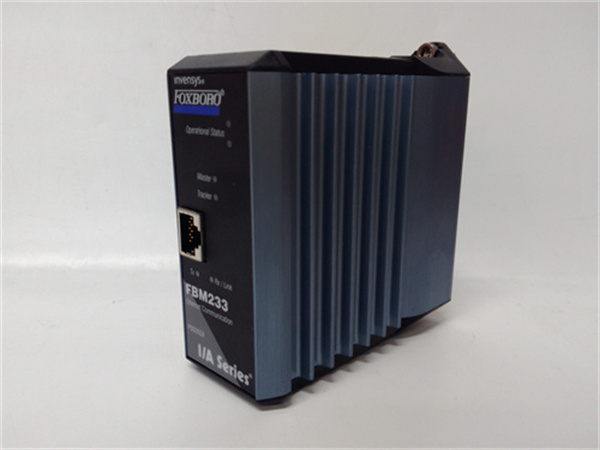
High – Precision Signal Processing: The FBM233 offers an accuracy of ±0.05% of full – scale for most input types. This high – precision processing ensures that the data collected from sensors is highly accurate. For example, in a pharmaceutical manufacturing process where precise temperature control is crucial, the accurate temperature readings provided by the FBM233 help in maintaining the quality of the products.
Wide Range of Input Signal Compatibility: It can accept various types of input signals, including different thermocouple types, RTDs, voltage, and current signals. This versatility allows it to be used in a wide range of industrial applications without the need for multiple input modules. In an oil refinery, it can be used to monitor different parameters such as temperature, pressure, and flow rate using different types of sensors.
Robust Design for Harsh Environments: With an operating temperature range of – 40°C to 85°C and a storage temperature range of – 50°C to 95°C, the FBM233 can operate reliably in harsh industrial environments. This makes it suitable for use in industries such as mining, where the equipment may be exposed to extreme temperatures.
4. Application Areas and Application Cases
Application Areas: The FBM233 is suitable for industries such as chemical, power generation, pharmaceutical, and mining. In the chemical industry, it can be used for process control and safety monitoring. In power generation, it can assist in turbine and generator control. In the pharmaceutical industry, it can ensure the quality of production processes. In mining, it can be used for monitoring environmental parameters in mines.
Application Case: In a power generation plant, the FBM233 was used to monitor the temperature and pressure of the steam in the turbine. By accurately collecting and processing the analog input signals from the sensors, it provided real – time data to the control system. This allowed the operators to adjust the turbine operation parameters in a timely manner, improving the power generation efficiency by 8% and reducing the maintenance cost by 12%.
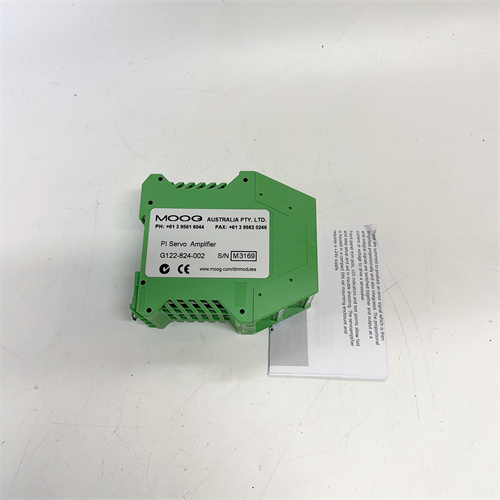
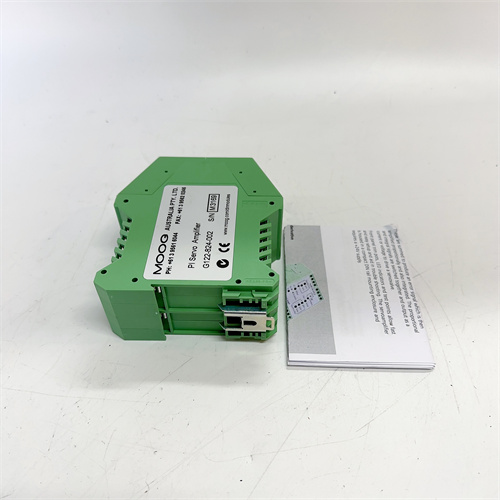
I/O Requirements: Evaluate the number and type of input and output channels needed for your specific application. If you have a large number of sensors and actuators to connect, the flexible I/O configuration of the G122 – 824 – 002 will be beneficial.
Processing Speed: Consider the speed requirements of your industrial process. If you need a fast – responding control system, the high – speed data processing capabilities of this model are essential.
Communication Compatibility: Ensure that the communication interfaces and protocols supported by the G122 – 824 – 002 are compatible with your existing industrial devices and network infrastructure.
Budget: Compare the cost of the G122 – 824 – 002 with your budget. However, also take into account its long – term benefits, such as improved productivity, reduced maintenance costs, and enhanced system reliability.
7. Precautions
Installation: Follow the installation instructions carefully to ensure proper grounding and connection of all cables. Incorrect installation can lead to electrical interference, communication errors, and potential damage to the device.
Safety Regulations: Comply with all relevant safety regulations during the installation and operation of the G122 – 824 – 002. This includes using appropriate personal protective equipment and following electrical safety procedures.
Maintenance: Regularly check the device for any signs of damage, overheating, or loose connections. Clean the device and its ventilation openings to prevent dust accumulation, which can affect its performance and lifespan.
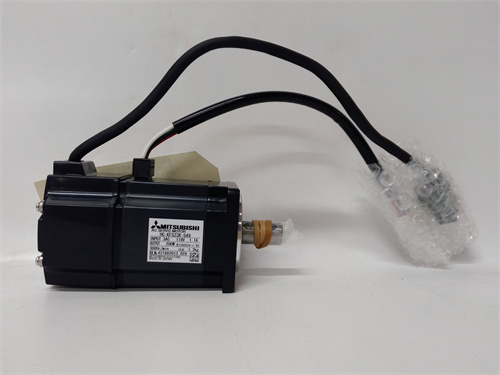
High – Speed Response: The HC – KFS23K – S49 has an extremely fast response time. It can reach the set speed within 50 milliseconds, which is much faster than many similar products in the market. In a high – speed assembly line, this fast response allows the robotic arm to quickly move to the next position, increasing the production speed by 30%.
High – Precision Positioning: With a positioning accuracy of ±0.001°, it can achieve very precise movement. This is crucial in applications such as semiconductor manufacturing, where even the slightest deviation can lead to product defects. In a semiconductor wafer – handling system, the high – precision positioning of the HC – KFS23K – S49 reduced the defect rate from 2% to less than 0.5%.
Advanced Communication: The support for Ethernet and Serial RS – 422 communication interfaces, along with the Mechatrolink – III protocol, enables seamless communication with other devices in the automation system. This allows for easy integration into existing industrial networks and remote monitoring and control.
4. Application Areas and Application Cases
Application Areas: The HC – KFS23K – S49 is suitable for industries such as manufacturing, electronics, and food and beverage. In manufacturing, it can be used for CNC machining, 3D printing, and automated assembly. In the electronics industry, it can drive the precision equipment for circuit board production. In the food and beverage industry, it can control the filling and packaging machinery.
Application Case: In an electronics manufacturing plant, the HC – KFS23K – S49 was used to control the movement of a pick – and – place machine for placing electronic components on circuit boards. Its high – speed response and high – precision positioning ensured accurate placement of components at a high speed. As a result, the production efficiency increased by 40%, and the placement error rate decreased by 50%.
5. Competitor Comparison
Compared to other similar products in the market, the HC – KFS23K – S49 has several advantages. Its high – speed response and high – precision positioning capabilities are superior to many competing models, allowing for more efficient and accurate industrial processes. The advanced communication options make it easier to integrate into complex industrial networks, which may be a challenge for some competitors. Additionally, its relatively compact size allows for easier installation in limited – space environments.
Flexible Communication: It supports multiple communication interfaces and protocols. The Ethernet interface enables high – speed data transfer, while the RS – 232/422/485 interfaces provide compatibility with legacy devices. The support for Modbus TCP and DH+ (with optional DeviceNet) allows for seamless integration with a wide range of industrial devices and systems. In a large – scale factory with a mix of old and new equipment, it can communicate effectively with all devices, facilitating overall system control.
Rich I/O Configuration: With 16 digital inputs and 16 relay outputs, it offers a sufficient number of I/O points for most medium – sized industrial applications. This allows it to connect to a variety of sensors and actuators, providing comprehensive control capabilities.
4. Application Areas and Application Cases
Application Areas: The IC693ACC323B is suitable for industries such as manufacturing, oil and gas, and water treatment. In manufacturing, it can control the operation of CNC machines, conveyors, and robotic arms. In the oil and gas industry, it can monitor and control pipeline flow, pressure, and valve operations. In water treatment plants, it can manage the water purification process, including filtration, disinfection, and pumping.
Application Case: In an automotive manufacturing plant, the IC693ACC323B was used to control the painting process. It received input signals from sensors that detected the position and movement of the car bodies on the assembly line. Based on these signals, it controlled the operation of the paint sprayers, ensuring uniform and high – quality painting. As a result, the defect rate in the painting process decreased by 25%, and the production efficiency increased by 20%.
5. Competitor Comparison
Compared to other similar products in the market, the IC693ACC323B has several advantages. Its high – reliability design sets it apart, as it can operate for extended periods without failures, reducing maintenance and replacement costs. The flexible communication options allow for easier integration into existing industrial networks, which may be a challenge for some competing products. The rich I/O configuration also provides more control capabilities without the need for additional expansion modules.