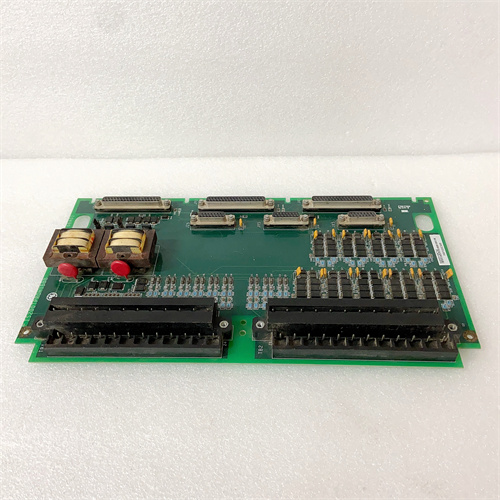
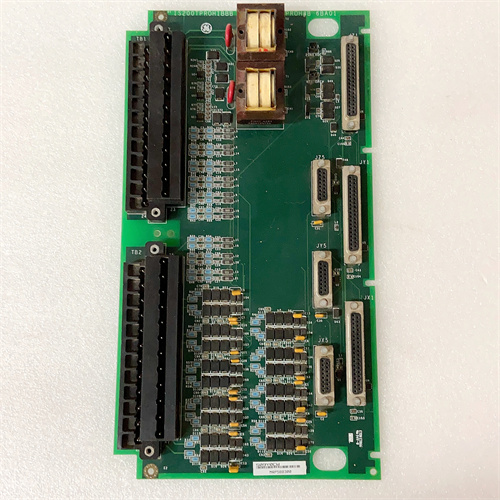
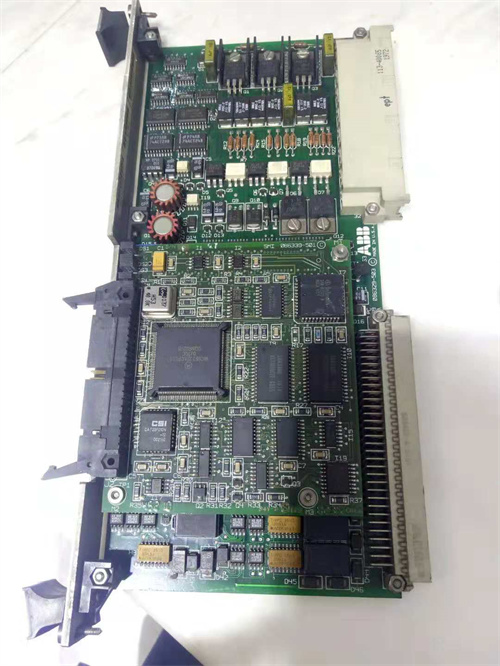
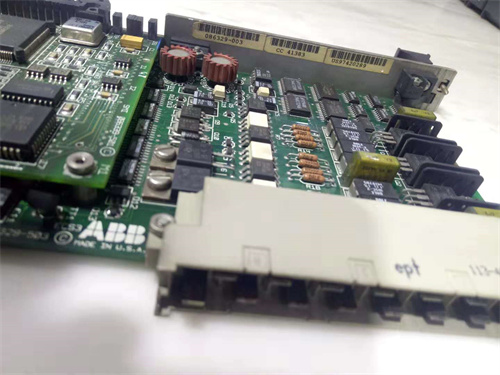
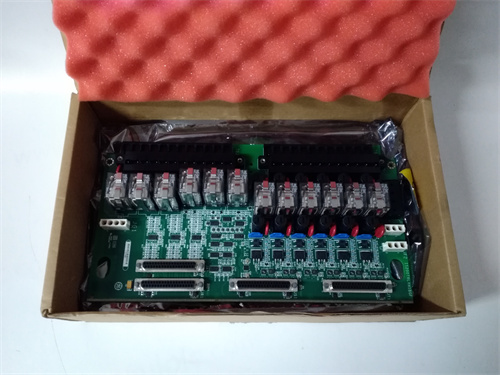
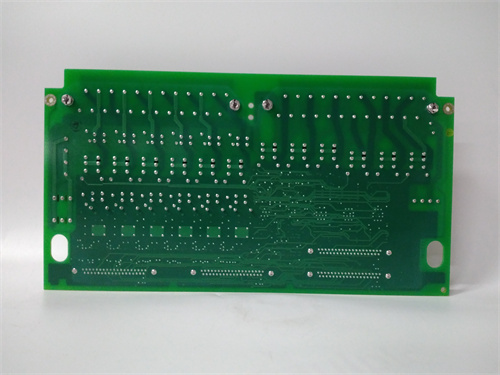
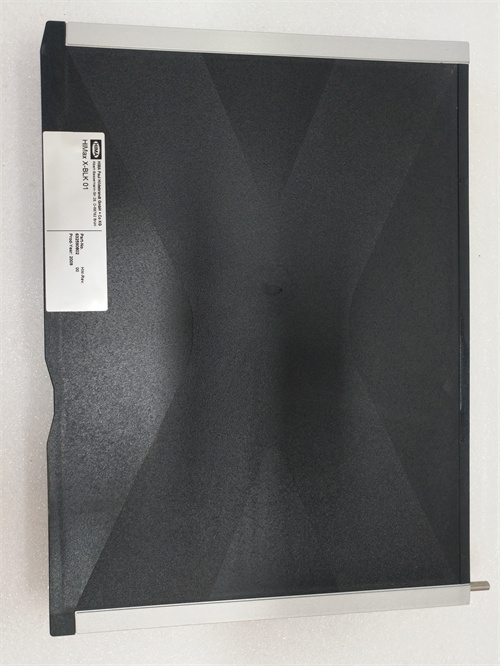
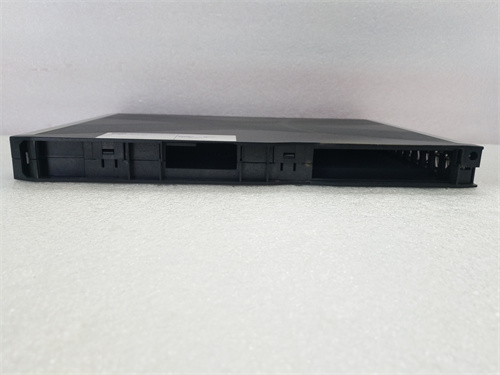
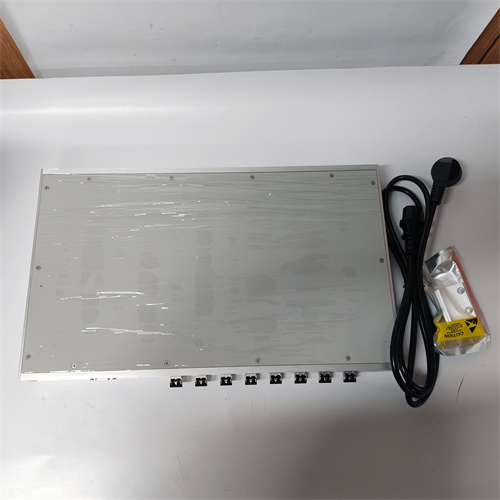
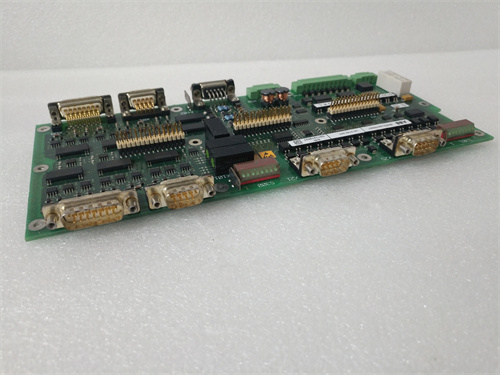
Processor: Usually equipped with a high-performance PowerPC processor, which can provide high computing power for various applications.
Memory: It may have different configurations of RAM and flash memory. For example, it could have 512 MB or more of DDR3 SDRAM and several gigabytes of flash memory for data storage.
Communication Interfaces: It typically offers Ethernet interfaces for network connection, serial ports for serial communication, and may also have other interfaces like USB for peripheral connection.
Power Supply: Operates at a specific voltage range, usually 5V DC with a certain current consumption depending on the load.
Applications
Industrial Automation: It can be used in factory automation systems to control production lines, monitor equipment status, and manage the overall production process.
Test and Measurement: In test benches, it is used to collect and analyze data from various sensors and instruments, and control the testing process.
Military and Aerospace: It is suitable for applications in military avionics systems, missile guidance, and other aerospace-related fields that require high reliability and performance.
Weight and Dimensions
Weight: Approximately 1.5 kg.
Dimensions: Usually has a standard VMEbus form factor, with dimensions of about 160 mm x 233.35 mm.
Digital Outputs: There are a corresponding number of digital outputs, with each output capable of driving a load up to 0.5 – 1A. This enables the control of relays, solenoid valves, and small – scale motors in industrial control systems.
Analog Inputs/Outputs: Some configurations may include analog I/O. Analog inputs can accept signals in the range of 0 – 10V or 4 – 20mA for measuring physical quantities such as temperature, pressure, and flow rate. The analog – to – digital conversion resolution is often 12 – 16 bit for accurate data acquisition.
Communication Interfaces: It commonly supports communication protocols such as Modbus RTU over RS – 485. This allows for seamless integration into existing industrial control networks, enabling data exchange with other devices like programmable logic controllers (PLCs), human – machine interfaces (HMIs), and other intelligent sensors and actuators.
2. Applications
Industrial Automation: In manufacturing plants, it can be used to control and monitor production lines. For example, in a metal – processing factory, it can control the operation of cutting machines, robotic arms, and conveyor belts. It can also monitor sensors to ensure product quality and production efficiency.
Power Generation and Distribution: In power plants and substations, this device can monitor electrical parameters such as voltage, current, and frequency. It can also control the operation of circuit breakers, power switches, and other electrical equipment to ensure a stable power supply.
HVAC Systems: In heating, ventilation, and air – conditioning systems, UNS3670A – Z,V2 HIEE205011R0002 can monitor environmental parameters like temperature, humidity, and air quality. It can then control the operation of fans, heaters, and air – conditioners to maintain a comfortable indoor environment.
3. Weight and Dimensions
Weight: The module weighs approximately 0.5 kg, which is relatively lightweight and easy to install in control cabinets or on DIN rails.
Dimensions: It typically has dimensions of around 150 mm in length, 100 mm in width, and 50 mm in height. These compact dimensions make it suitable for installation in various industrial settings, even those with limited space.
Digital Outputs: There are 16 corresponding digital outputs. Each output has the capacity to drive a load with a current of up to 0.5A. This enables the control of various industrial devices, including relays, solenoid valves, and small – scale motors, in industrial control systems.
Analog Inputs/Outputs: Some versions of the USIO21 may include analog I/O functionality. The analog inputs are designed to accept signals in the range of 0 – 10V or 4 – 20mA, which are crucial for measuring physical quantities like temperature, pressure, and flow rate. The analog – to – digital conversion resolution is often 12 – bit, providing accurate data acquisition for precise process control.
Communication Interfaces: It usually supports communication protocols like Modbus RTU over RS – 485. This support for a widely – used industrial communication protocol enables easy integration into existing industrial control networks. It allows for seamless data exchange with other devices such as programmable logic controllers (PLCs), human – machine interfaces (HMIs), and other intelligent sensors and actuators.
2. Applications
Industrial Automation: In manufacturing plants, the USIO21 plays a vital role in controlling and monitoring production lines. For example, in an electronics manufacturing factory, it can be used to control the operation of pick – and – place machines, conveyor belts, and robotic arms. By monitoring sensors, it ensures product quality and production efficiency, making the production process more automated and efficient.
HVAC Systems: In heating, ventilation, and air – conditioning systems, the USIO21 can monitor environmental parameters such as temperature, humidity, and air quality. Based on the data collected, it can control the operation of fans, heaters, and air – conditioners to maintain a comfortable indoor environment. This not only improves the comfort level for occupants but also helps in energy – saving by optimizing the system operation.
Water Treatment Plants: In water treatment facilities, the USIO21 can monitor water quality parameters such as pH value, turbidity, and chlorine level. It can also control the opening and closing of valves, as well as the operation of pumps, to ensure the proper treatment and distribution of water. This is essential for providing clean and safe water to consumers.
3. Weight and Dimensions
Weight: The module weighs approximately 0.3 kg, which is relatively lightweight. This makes it easy to install in control cabinets or on DIN rails. Its light weight also reduces the overall load on the mounting structures, making the installation process more convenient.
Dimensions: It typically has dimensions of around 120 mm in length, 80 mm in width, and 30 mm in height. These compact dimensions make it suitable for installation in various industrial settings, especially those with limited space. It can be easily integrated into existing control systems without taking up too much space.
Purpose
The R911171949-AG1 is a drive controller module designed for precise motion control in industrial automation systems. It is used to control servo motors and other motion devices in applications requiring high accuracy and dynamic performance.
Features
High-performance motion control for servo motors.
Supports multiple communication protocols (Ethernet, CANopen, Profibus, etc.).
Integrated safety functions (STO, SS1, etc.) for compliance with safety standards.
Modular design for easy integration and scalability.
Advanced diagnostics and parameterization tools for efficient setup and maintenance.
Compatible with Bosch Rexroth IndraDrive system components.
Analog Outputs: There are 2 analog outputs with a 12 – bit resolution and an update rate of up to 1 MS/s (mega – samples per second). The output voltage range is typically ±10V, suitable for driving analog – controlled devices.
Digital I/O: The device offers 32 TTL – compatible digital I/O lines, which can be used for general – purpose digital control and communication, such as triggering external devices or receiving status signals.
Counter/Timer: It includes 3 24 – bit counter/timers, which are useful for tasks like measuring frequencies, generating pulses, and implementing time – based control.
2. Applications
Data Acquisition in Research Labs: In scientific research, the PXI – 6052E is used to collect data from a wide range of sensors. For example, in a physics experiment, it can measure electrical signals from sensors detecting physical phenomena such as temperature, pressure, and magnetic fields.
Automotive Testing: In the automotive industry, it is used for vehicle component testing. It can measure the performance of engines, transmissions, and electrical systems by collecting data from sensors placed on these components.
Industrial Process Monitoring: In manufacturing plants, the PXI – 6052E can monitor industrial processes. It can measure parameters like the temperature, pressure, and flow rate of fluids in a chemical manufacturing process, ensuring the process runs smoothly and within the specified parameters.
3. Weight and Dimensions
Weight: Since it is a PXI – module, its weight is relatively light, approximately 0.2 kg. This lightweight design is convenient for installation within a PXI chassis, which may house multiple modules.
Dimensions: It follows the standard PXI form – factor. The dimensions are typically 100 mm in width, 160 mm in height, and 160 mm in depth, allowing it to be easily integrated into a PXI system.
Digital Outputs: There are 16 corresponding digital outputs, each capable of driving a load with a current of up to 0.5A. This allows for controlling relays, solenoid valves, and small – scale motors in industrial control systems.
Analog Inputs/Outputs: Some models may include analog I/O. The analog inputs can receive signals in the range of 0 – 10V or 4 – 20mA for measuring physical quantities like temperature, pressure, and flow rate. The analog – to – digital conversion resolution is often 12 – bit, providing accurate data for process control.
Communication Interfaces: It usually supports communication protocols like Modbus RTU over RS – 485. This enables seamless integration into existing industrial control networks, allowing data exchange with other devices such as PLCs, HMIs, and other intelligent sensors.
2. Applications
Industrial Automation: In manufacturing plants, the 5205 – DFNT – PDPS can be used to control and monitor production lines. For example, in a plastic injection – molding factory, it can control the operation of injection – molding machines, conveyor belts, and robotic arms. It can also monitor sensors to ensure product quality and production efficiency.
HVAC Systems: In heating, ventilation, and air – conditioning systems, it can monitor environmental parameters such as temperature, humidity, and air quality. It can then control the operation of fans, heaters, and air – conditioners to maintain a comfortable indoor environment.
Water Treatment Plants: In water treatment facilities, the device can monitor water quality parameters such as pH value, turbidity, and chlorine level. It can control the opening and closing of valves, as well as the operation of pumps, to ensure the proper treatment and distribution of water.
3. Weight and Dimensions
Weight: The module weighs approximately 0.35 kg, which is lightweight and easy to install in control cabinets or on DIN rails. Its light weight also makes it convenient for transportation and handling during installation and maintenance.
Dimensions: It typically has dimensions of around 130 mm in length, 90 mm in width, and 35 mm in height. These compact dimensions make it suitable for installation in various industrial settings, even those with limited space.
Input Signals: This device is engineered to receive signals from a variety of sensors. For instance, it can interface with proximity probes used to measure shaft displacement and vibration sensors for monitoring the mechanical condition of rotating machinery. The input impedance is optimized to ensure accurate signal reception, usually in the range of several kilo – ohms, depending on the sensor type.
Output Signals: It provides analog and digital output signals. The analog outputs are commonly in the 4 – 20mA or 0 – 10V range, which can be used to transmit measured data to other control systems, such as a distributed control system (DCS) or a programmable logic controller (PLC). Digital outputs are used for alarm signaling and status indication, and they may communicate via protocols like Modbus RTU or Profibus DP for seamless integration into industrial networks.
2. Applications
Rotating Equipment Monitoring: Primarily used in industries with rotating machinery, such as power generation plants, oil refineries, and chemical processing facilities. In a power plant, it can monitor the condition of steam turbines, ensuring that the shaft displacement and vibration levels are within safe limits to prevent catastrophic failures.
Industrial Machinery Maintenance: In manufacturing plants, it helps in predicting maintenance needs of industrial machinery. By continuously monitoring parameters like vibration and temperature, it can detect early signs of component wear or misalignment, allowing maintenance teams to schedule repairs proactively.
3. Weight and Dimensions
Weight: The unit weighs approximately 0.5 kg, which is relatively lightweight. This makes it easy to install in various locations, such as on machinery frames or in control cabinets, without adding excessive weight to the overall setup.
Dimensions: It has dimensions of around 150 mm in length, 100 mm in width, and 50 mm in height. These compact dimensions enable it to fit into standard industrial enclosures or be mounted in tight spaces where space is a constraint.
Industrial Automation: In manufacturing plants, the CI840 can be used to control and monitor production lines. For example, in an electronics manufacturing factory, it can control the operation of pick – and – place machines, conveyor belts, and robotic arms. It can also monitor sensors to ensure product quality and production efficiency.
HVAC Systems: In heating, ventilation, and air – conditioning systems, the CI840 can monitor environmental parameters like temperature, humidity, and air quality. It can then control the operation of fans, heaters, and air – conditioners to maintain a comfortable indoor environment.
Water Treatment Plants: In water treatment facilities, the CI840 can monitor water quality parameters such as pH value, turbidity, and chlorine level. It can control the opening and closing of valves, as well as the operation of pumps, to ensure the proper treatment and distribution of water.
3. Weight and Dimensions
Weight: The module weighs approximately 0.3 kg, which is lightweight and convenient for installation in control cabinets or on DIN rails.
Dimensions: It typically has dimensions of around 120 mm in length, 80 mm in width, and 30 mm in height. These compact dimensions make it suitable for installation in various industrial settings, even those with limited space.
Rotating Machinery Monitoring: This device is mainly used for monitoring the condition of rotating machinery such as turbines, compressors, and pumps in power plants, oil refineries, and chemical plants. It can measure parameters like shaft vibration, displacement, and speed, which are crucial for predicting equipment failures and ensuring safe operation.
Industrial Equipment Maintenance: In manufacturing plants, it helps in proactive maintenance of industrial equipment. By continuously monitoring the machine’s condition, it can detect early signs of wear, misalignment, or imbalance, allowing maintenance teams to schedule repairs before major breakdowns occur.
3. Weight and Dimensions
Weight: The module weighs approximately 1 kg, which is relatively lightweight considering its functionality. This makes it easy to install and handle during the setup and maintenance processes.
Dimensions: It has dimensions of around 200 mm in length, 150 mm in width, and 80 mm in height. These compact dimensions enable it to fit into standard industrial control cabinets without taking up excessive space.
4. Features
High – Precision Monitoring: It offers high – precision measurement capabilities, with a resolution of up to 0.1μm for displacement measurements. This allows for accurate detection of even the smallest changes in machine conditions.
Multiple Parameter Monitoring: The ability to monitor multiple parameters simultaneously provides a comprehensive view of the machine’s health, enabling more effective decision – making for maintenance and operation.
Industrial Automation: In manufacturing plants, it can be used in automated production lines. For example, in an automotive parts manufacturing factory, it can monitor the pressure in hydraulic presses used for metal stamping, ensuring the correct forming of parts and preventing over – pressure situations that could damage the equipment or result in defective products.
HVAC Systems: In heating, ventilation, and air – conditioning systems, it can measure the pressure in air ducts or refrigerant lines. By accurately monitoring these pressures, it helps to optimize the performance of the HVAC system, ensuring proper air circulation and temperature control in buildings.
Water and Wastewater Treatment: In water treatment plants, it can be used to monitor the pressure in pipelines, pumps, and treatment tanks. This helps in maintaining the correct flow rate and pressure for efficient water treatment processes, such as filtration, disinfection, and distribution.
3. Weight and Dimensions
Weight: The device weighs approximately 0.2 kg, which is relatively lightweight and easy to install in different industrial setups. Its light weight also means less strain on mounting brackets and fixtures.
Dimensions: It has compact dimensions, with a length of around 80 mm, a width of 50 mm, and a height of 30 mm. These small dimensions allow it to be installed in tight spaces, such as within control panels or on machinery with limited space for additional components.
Digital Inputs: It is equipped with multiple digital inputs, often around 16. These inputs can receive signals from digital sensors such as proximity sensors, limit switches, and photoelectric sensors. The input voltage range commonly supports 5 – 24V DC, ensuring compatibility with a wide range of industrial – grade sensors.
Digital Outputs: There are 16 corresponding digital outputs. Each output is capable of driving a load with a current of up to 0.5A. This allows for controlling devices like relays, solenoid valves, and small – scale indicators in industrial control systems.
Analog Inputs/Outputs: Some models may include analog inputs and outputs. The analog inputs can accept signals in the range of 0 – 10V or 4 – 20mA for measuring physical quantities like temperature, pressure, and level. The analog – to – digital conversion resolution is usually 12 – bit, providing accurate data acquisition for process control.
Communication Interface: It commonly supports the RS – 485 communication protocol. This enables it to communicate with other devices in an industrial network, such as programmable logic controllers (PLCs), human – machine interfaces (HMIs), and other intelligent sensors or actuators, facilitating seamless data exchange and system integration.
2. Applications
Industrial Automation: In manufacturing plants, 8922 – RB – IS can be used to control and monitor production lines. For example, in a plastic – processing factory, it can control the operation of injection – molding machines, conveyor belts, and robotic arms. It can also monitor sensors to ensure product quality and production efficiency.
HVAC Systems: In heating, ventilation, and air – conditioning systems, this device can monitor environmental parameters like temperature, humidity, and air quality. It can then control the operation of fans, heaters, and air – conditioners to maintain a comfortable indoor environment. For instance, in an office building, it can adjust the HVAC system based on the occupancy and environmental conditions detected by sensors.
Water Treatment Plants: In water treatment facilities, 8922 – RB – IS can monitor the water quality parameters such as pH value, turbidity, and chlorine level. It can control the opening and closing of valves, as well as the operation of pumps, to ensure the proper treatment and distribution of water.
Processor and Memory: Equipped with a high – performance processor, it can handle complex control algorithms efficiently. The module usually comes with a sufficient amount of onboard memory, including both random – access memory (RAM) for real – time data processing and non – volatile memory (such as flash memory) for storing configuration settings and historical data. The RAM capacity might be in the range of 512MB – 1GB, and the flash memory could be around 1GB – 2GB.
Input/Output (I/O) Capabilities:
Digital I/O: It features a large number of digital inputs and outputs. For example, it may have up to 64 digital inputs capable of handling signals from various sensors like proximity sensors, limit switches, and digital encoders. The digital outputs, also around 64, can drive loads with a current capacity of up to 1A each, suitable for controlling relays, solenoid valves, and small – scale motors.
Analog I/O: Some configurations include analog inputs and outputs. The analog inputs can accept signals in standard ranges such as 0 – 10V or 4 – 20mA for measuring physical parameters like temperature, pressure, and flow rate. The analog – to – digital conversion resolution is often 16 – bit, ensuring high – accuracy data acquisition. The analog outputs can provide similar – range signals for controlling actuators.
2. Applications
Oil and Gas Industry: In oil refineries and gas processing plants, the T8110B is used to control and monitor critical processes. It can manage the operation of pumps, valves, and compressors, ensuring the safe and efficient production, transportation, and storage of oil and gas products.
Power Generation: In power plants, whether they are coal – fired, gas – fired, or nuclear, this module plays a vital role in controlling the generation, distribution, and monitoring of electrical power. It can regulate the operation of turbines, generators, and switchgear, maintaining grid stability.
Chemical Plants: For chemical manufacturing processes, the T8110B is used to control chemical reactions, monitor the flow of raw materials and products, and ensure the safety of the production environment by controlling ventilation and safety systems.