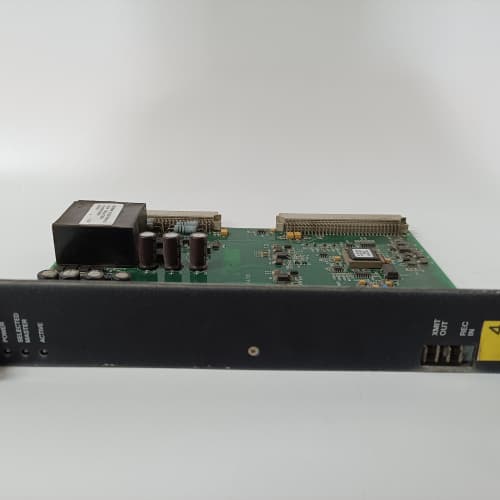
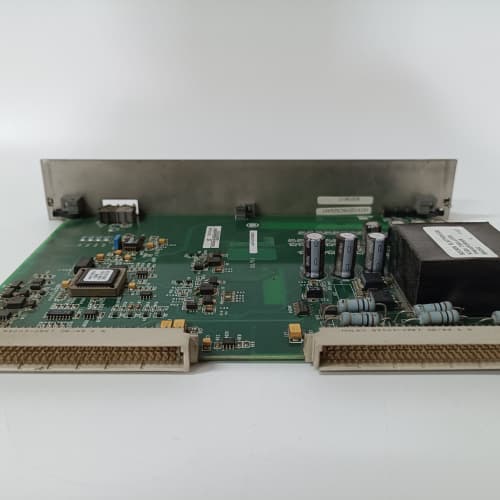
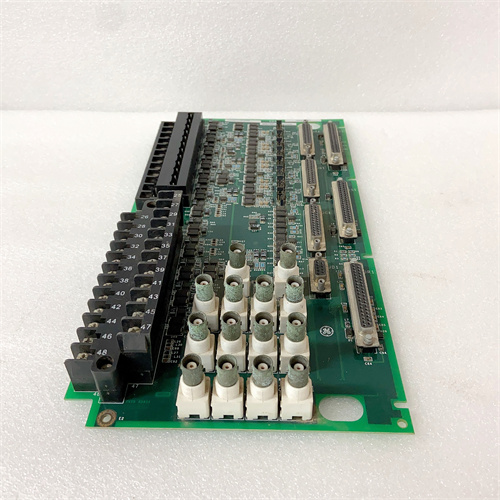
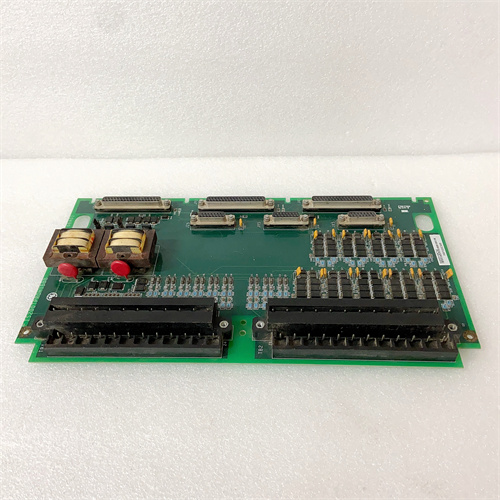
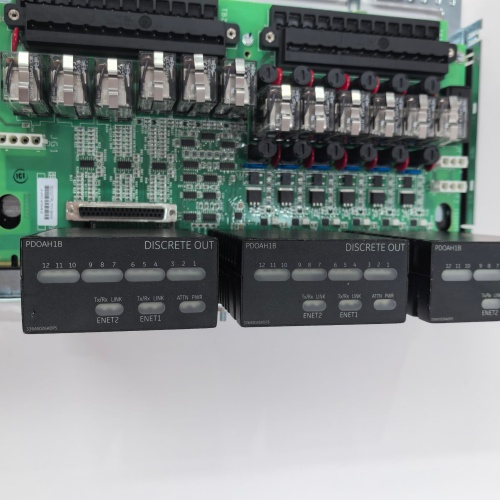
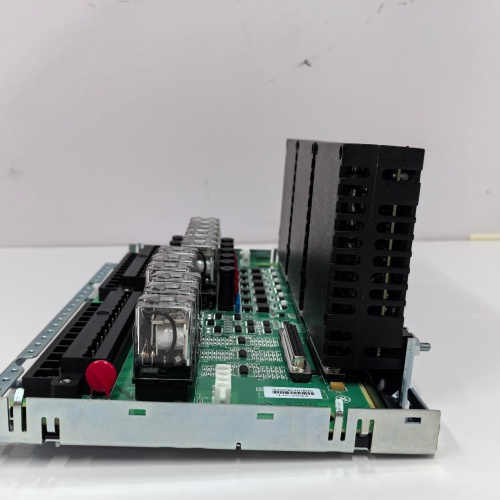
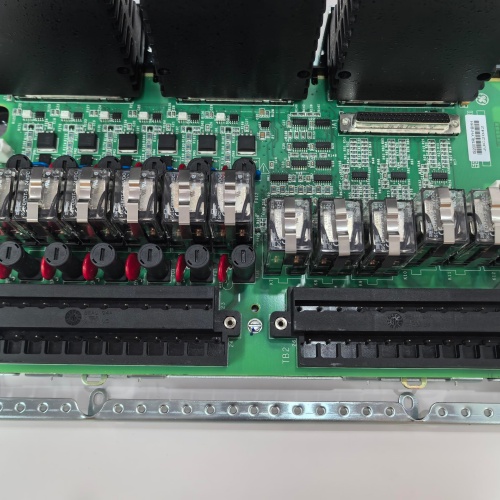
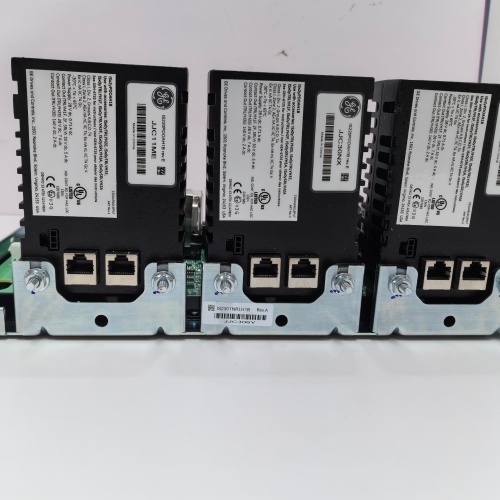
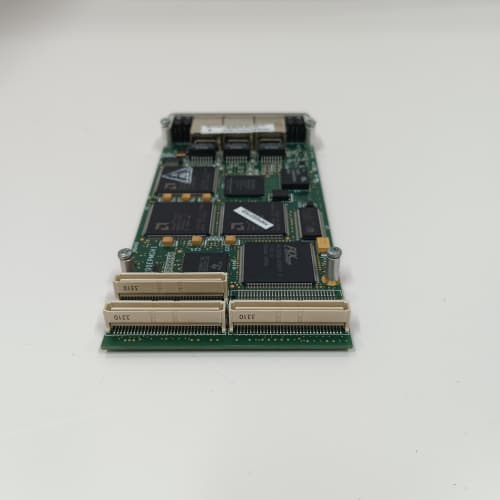
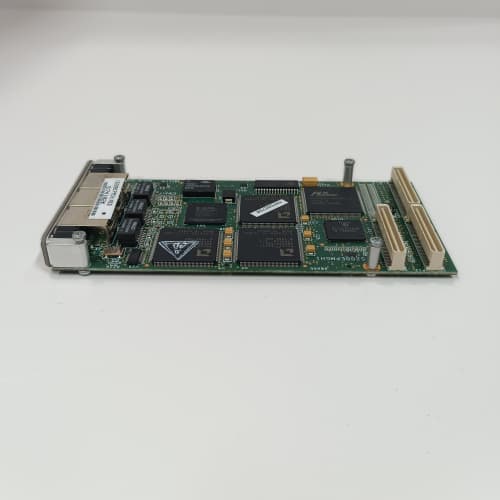
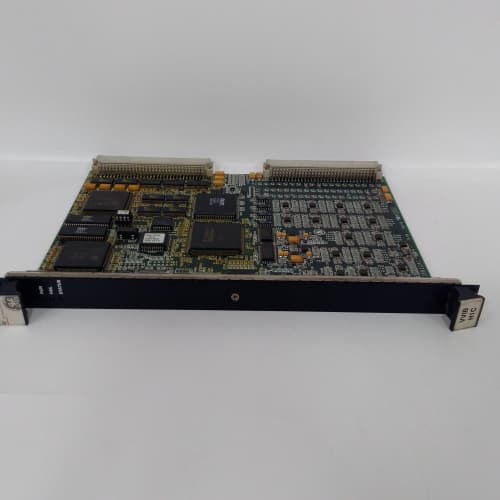
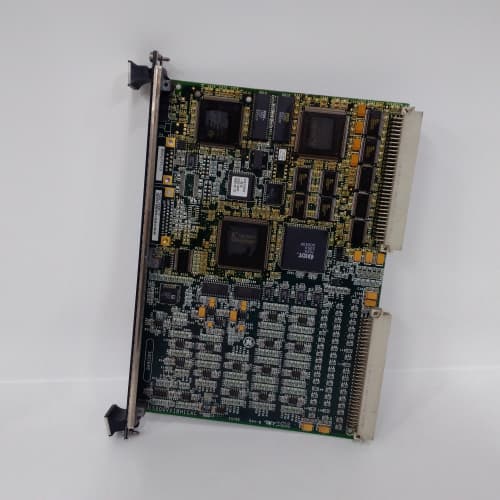
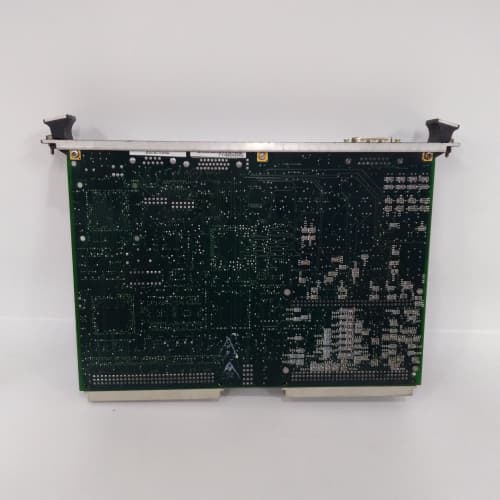
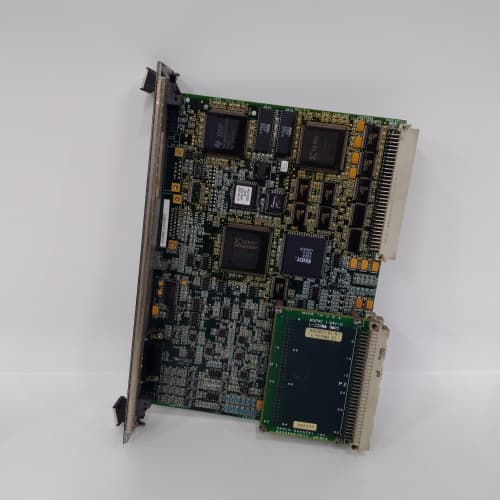
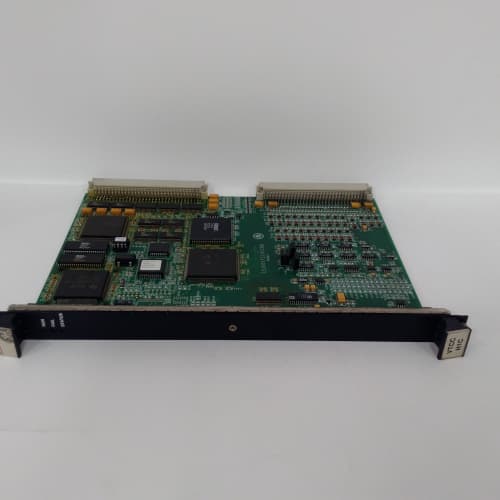
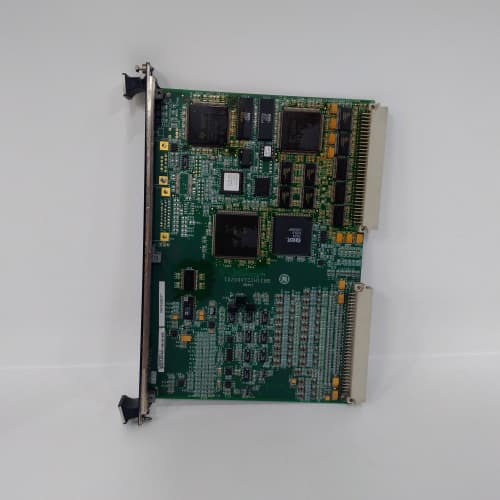
Compared with other similar products in the market, the VME172PA652SE VME172PA – 652SE has several advantages. It offers higher reliability with a lower failure rate, which means less downtime and maintenance costs. Its energy – saving feature also makes it more cost – effective in the long – term operation. Additionally, its easy integration property allows for faster deployment in industrial systems.
6. Selection Suggestions
Compatibility: Ensure that the VME172PA652SE VME172PA – 652SE is compatible with your existing industrial automation system, including sensors, actuators, and other control devices.
Installation Environment: Consider the installation environment, such as temperature, humidity, and the presence of dust or corrosive substances. Make sure the model can operate reliably in such conditions.
Budget: Compare the price of the VME172PA652SE VME172PA – 652SE with your budget. However, also take into account its long – term benefits, such as energy savings and reduced maintenance costs.
7. Precautions
Installation: Follow the installation instructions carefully. Ensure proper grounding and wiring to prevent electrical interference and ensure the safety of the equipment.
Safety Regulations: Comply with all relevant safety regulations during the installation and operation of the VME172PA652SE VME172PA – 652SE.
Maintenance: Regularly check the device for any signs of damage or wear. Clean the device and its connectors to prevent dust accumulation.
Industrial Automation: In manufacturing plants, it can be used for process monitoring and control. For example, it can count the number of parts produced on an assembly line, measure the speed of production machinery, and trigger alarms if certain thresholds are exceeded.
Energy Management: In power generation and distribution systems, it can measure the frequency of the electrical grid, monitor the consumption of electricity in industrial facilities, and help in optimizing energy usage.
Transportation: In automotive and aerospace industries, it can be used for engine speed monitoring, wheel rotation counting, and other applications related to vehicle performance and safety.
6. Selection Suggestions
Function Requirements: Determine your specific needs, such as the required counting range, frequency measurement range, and the type of input signals. Make sure the CC – PCNT02 can meet these requirements.
Compatibility: Check the compatibility of the device with your existing control system, including the power supply voltage, communication interfaces, and software. Ensure that it can integrate smoothly into your current setup.
Environment: Consider the installation environment, such as temperature, humidity, and the presence of electrical noise. Choose a device that can operate reliably in these conditions.
Cost – Benefit Analysis: Compare the cost of the product with its features and performance. Consider the long – term benefits, such as improved productivity, reduced downtime, and better quality control.
7. Precautions
Installation: Follow the installation instructions carefully to ensure proper grounding and connection. Incorrect installation can lead to inaccurate counting or measurement, as well as electrical safety hazards.
Maintenance: Regularly check the device for any signs of damage or wear. Clean the device and its connectors if necessary, especially if it’s installed in a dusty environment.
Calibration: Periodically calibrate the device to maintain its accuracy. Calibration ensures that the counting and frequency measurement results are reliable.
Industrial Manufacturing: In factories, it can be used to monitor and control production processes, such as in automotive manufacturing, food processing, and chemical production.
Energy Management: In power plants, it can collect data from sensors on generators, transformers, and power lines to optimize energy production and distribution.
Environmental Monitoring: For monitoring environmental parameters such as air quality, water quality, and weather conditions.
If it’s a Network Communication Device
Broadcast and Media: In television studios, it can be used to distribute and manage SDI – based video and audio signals between cameras, switchers, and recorders.
Surveillance Systems: To connect multiple SDI – enabled cameras in a large – scale surveillance network and transmit the video signals to a central monitoring station.
6. Selection Suggestions
Function Requirements: Clearly define your specific requirements. If you need a data acquisition device, determine the number of channels, the type of signals (analog or digital), and the required sampling rate and resolution. If it’s a network communication device, consider the number of ports and the supported protocols.
Compatibility: Ensure that the FC – SDI – 1624 is compatible with your existing equipment, including sensors, actuators, network switches, and control systems. Check the electrical specifications, communication interfaces, and software compatibility.
Environment: Consider the installation environment, such as temperature, humidity, and the presence of dust or corrosive substances. Make sure the device can operate reliably in such conditions.
Cost – Benefit Analysis: Compare the cost of the product with its features and performance. Consider the long – term benefits, such as improved efficiency, reduced downtime, and better system integration.
Flexible Control Options: It can be configured to control different processes or devices, providing flexibility in industrial and automation applications.
Remote Monitoring and Control: The communication interfaces enable remote monitoring and control, which is useful for large – scale industrial systems or for applications where access to the device is difficult.
Reliability: Designed to operate in a wide temperature range and with low power consumption, it offers reliable performance over an extended period.
5. Potential Application Areas
If it’s a Test and Measurement Instrument
Electronics Manufacturing: Used to test the quality of electronic components and circuits during the manufacturing process.
Telecommunications: To analyze and troubleshoot communication signals in telephone networks, wireless systems, and data communication networks.
Research and Development: In laboratories, it can be used to conduct experiments and measure electrical parameters in new technologies and products.
If it’s a Control Device
Industrial Automation: In manufacturing plants, it can control conveyor belts, robotic arms, and other automated equipment.
Building Automation: For controlling HVAC systems, lighting, and security systems in commercial buildings to optimize energy consumption and comfort.
Renewable Energy Systems: To control the operation of solar panels, wind turbines, and energy storage systems for efficient power generation and distribution.
Power Generation Plants: The UNITROL 1010 is widely used in different types of power generation plants, including hydroelectric, thermal, and gas – fired power plants. It ensures the stable and efficient operation of the generators, which is essential for providing a continuous supply of electricity to the grid.
Industrial Power Systems: In large industrial facilities, such as steel mills, chemical plants, and mining operations, the UNITROL 1010 can be used to control the generators that supply power to the industrial processes. This helps in maintaining the power quality and stability required for the smooth operation of the industrial equipment.
Renewable Energy Systems: With the increasing use of renewable energy sources like wind and solar, the UNITROL 1010 can be used in synchronous generators in wind farms or in hybrid power systems. It helps in integrating the renewable energy into the power grid by providing stable voltage and reactive power control.
6. Selection Considerations
Generator Capacity: Choose a UNITROL 1010 model with an appropriate output current capacity based on the size and rating of the generator. Ensure that the excitation system can provide sufficient excitation power to the generator under all operating conditions.
Grid Requirements: Consider the specific requirements of the power grid, such as voltage regulation accuracy, reactive power control capabilities, and communication protocols. Make sure the UNITROL 1010 can meet these grid requirements.
Environmental Conditions: Evaluate the operating environment, including temperature, humidity, and the presence of dust or corrosive substances. Select a model that can operate reliably in the given environmental conditions.
Cost – Benefit Analysis: Compare the cost of the UNITROL 1010 with its features and performance. Consider the long – term benefits, such as reduced maintenance costs, improved power quality, and enhanced system reliability.
The MVME162 – 213 is a single – board computer (SBC) from Motorola (now part of NXP Semiconductors in some contexts), which was a significant player in the embedded computing and industrial control market. Single – board computers like the MVME162 – 213 are designed to provide a complete computing solution on a single printed circuit board, making them suitable for a wide range of industrial and military applications where space, reliability, and performance are crucial.
2. Key Functions
Computation and Processing: At its core, the MVME162 – 213 is equipped with a processor that can perform various computational tasks. It can execute software programs, process data from sensors or other input devices, and generate control signals for actuators. For example, in an industrial automation setting, it can calculate the optimal speed and position for a robotic arm based on the input from position sensors.
Data Storage and Retrieval: It has memory modules (both RAM for temporary data storage during processing and potentially non – volatile memory for long – term storage) to store programs, data, and configuration settings. This allows it to operate independently and maintain important information even when power is cycled.
Communication: The board is likely to have multiple communication interfaces. It can communicate with other devices in a system, such as input/output (I/O) modules, network servers, or other SBCs. This communication is essential for coordinating the operation of different components in an industrial or military system.
Industrial Automation: In manufacturing plants, it could be used to control and monitor production processes. For example, it could regulate the operation of a robotic arm, monitor the quality of a product on an assembly line, or control the flow of materials in a warehouse.
Building Automation: In commercial buildings, it could be used to control and monitor HVAC systems, lighting systems, and security systems. This helps to optimize energy consumption and improve the comfort and safety of building occupants.
Energy Management: In power plants, renewable energy facilities, or large – scale industrial complexes, it could be used to monitor and control energy consumption. It can collect data on power usage, voltage, and current, and send control signals to adjust equipment operation for better energy efficiency.
6. Selection Suggestions
Function Requirements: Clearly define your specific requirements, such as the number of inputs/outputs, the type of control or monitoring functions needed, and the communication protocols required.
Compatibility: Ensure that the G122 – 829 – 001 is compatible with your existing industrial equipment, including sensors, actuators, and control systems. Check the electrical specifications, communication interfaces, and software compatibility.
Environment: Consider the installation environment, such as temperature, humidity, and the presence of dust or corrosive substances. Make sure the device can operate reliably in such conditions.
Cost – Benefit Analysis: Compare the cost of the product with its features and performance. Consider the long – term benefits, such as reduced maintenance costs, improved efficiency, and increased productivity.
High Precision: Fanuc’s reputation for high – precision control is likely reflected in this product. The ability to achieve fine – grained control over motion and motor parameters results in superior machining quality and robotic performance. In a high – end automotive manufacturing plant, this precision can lead to better – fitting engine components and more accurate assembly processes.
Reliability: Fanuc products are known for their reliability. The A05B – 2255 – C102 is likely to be built with high – quality components and undergo rigorous testing. This reduces the risk of breakdowns and ensures continuous operation in industrial environments, minimizing production downtime.
Compatibility: It is designed to be compatible with other Fanuc products and components. This makes it easy to integrate into existing Fanuc – based automation systems, allowing for seamless communication and coordinated operation between different parts of the system.
5. Application Areas
Machine Tool Industry: In CNC machining centers, lathes, and grinders, the A05B – 2255 – C102 can be used to control the movement of the cutting tools and workpieces. This enables the production of complex and high – precision parts for industries such as aerospace, automotive, and medical device manufacturing.
Robotics: In robotic systems, it can control the movement of robot arms, grippers, and other end – effectors. This is crucial for applications such as pick – and – place operations, welding, and painting in manufacturing plants.
Automated Assembly Lines: In industries where products are assembled automatically, the component can be used to control the movement of conveyor belts, positioning devices, and other assembly equipment. This ensures efficient and accurate assembly processes.
6. Selection Considerations
Application Requirements: Determine the specific requirements of your application, such as the required motion control precision, the power requirements of the connected motors, and the communication needs. Make sure the A05B – 2255 – C102 can meet these requirements.
Compatibility: Ensure that it is compatible with your existing automation system, including the CNC controller, servo motors, and other control modules. Check the communication protocols, electrical specifications, and mechanical dimensions.
Industrial Automation: In manufacturing plants, it could be used to power control panels, sensors, and actuators. If it’s a sensor, it could be used to monitor process parameters such as temperature, pressure, or flow.
Building Automation: In commercial buildings, it could be used to power and control HVAC systems, lighting systems, and security systems.
Renewable Energy Systems: In solar or wind power plants, it could be used to power control and monitoring equipment.
6. Selection Suggestions
Function Requirements: Clearly define your specific requirements, such as the power rating (if it’s a power supply), the type of sensing or control function needed, and the environmental conditions in which it will operate.
Compatibility: Ensure that the EST0240Z05WBX00 is compatible with your existing equipment, including the input and output voltage requirements, communication protocols, and mechanical dimensions.
Safety and Reliability: Look for products with appropriate safety certifications and a reputation for reliability. Consider factors such as over – voltage protection, over – current protection, and the product’s operating temperature range.
Cost – Benefit Analysis: Compare the cost of the product with its features and performance. Consider the long – term benefits, such as reduced maintenance costs and increased system efficiency.
Without specific details from the manufacturer, we can make some general inferences about the AS – J890 – 102. Based on common naming in industrial and electronic products, “AS” might be the brand or product series name, and it could be a device used in automation, control, or data – handling applications. It may be a control module, a sensor, or a communication device.
2. Hypothetical Functions
Control Function: If it’s a control module, it could be used to regulate industrial processes. For example, in a manufacturing line, it might control the speed of conveyor belts, the temperature of a heating element, or the pressure in a hydraulic system. It would receive input signals from sensors (such as temperature sensors, pressure sensors) and send output signals to actuators (such as motors, valves) to maintain the desired process parameters.
Data Acquisition and Transmission: As a data – handling device, it could collect data from various sensors in an industrial environment. This data could then be transmitted to a central control system or a monitoring station. For instance, in a smart building, it might gather data on temperature, humidity, and occupancy from different rooms and send it to a building management system.
Communication Interface: It may serve as a communication interface between different devices in a network. For example, it could convert signals from one communication protocol to another, enabling seamless communication between legacy devices and modern control systems.
Industrial Automation: In manufacturing plants, it can be used to monitor and control various processes. For example, it can measure the temperature and pressure of a furnace in a metal – smelting process and send the data to a PLC for control.
Building Automation: In commercial buildings, it can be used to measure environmental parameters such as temperature, humidity, and light intensity. This data can be used to control the HVAC (Heating, Ventilation, and Air – Conditioning) and lighting systems.
Energy Management: In power plants or energy – consuming facilities, it can measure parameters such as power consumption, voltage, and current. This data can be used for energy – efficiency analysis and optimization.
6. Selection Considerations
Channel Requirements: Determine the number of sensors you need to connect and choose a module with an appropriate number of input channels.
Input Signal Types: Ensure that the module can accept the types of analog signals produced by your sensors.
Resolution and Sampling Rate: Consider the level of measurement accuracy and the speed at which you need to acquire data. For applications requiring high – precision and fast – changing signals, a module with higher resolution and sampling rate is needed.
Industrial Automation: In manufacturing plants, the SCXI – 1104C can be used to monitor and control various processes. For example, it can measure the temperature, pressure, and flow rate of fluids in a chemical process, and the data can be used to adjust the process parameters in real – time.
Research and Development: In laboratories, it is used for data acquisition in experiments. For instance, in a materials testing laboratory, it can measure the strain and stress of materials under different loads.
Test and Measurement: It is widely used in test and measurement applications, such as in the automotive industry to test the performance of engines or in the aerospace industry to measure the vibrations of aircraft components.
6. Selection Considerations
Channel Requirements: Determine the number of input channels you need based on the number of sensors you want to connect. If you have multiple sensors measuring different parameters, choose a module with an appropriate number of channels.
Input Voltage Range: Consider the range of voltages that your sensors will output. Make sure the module can handle the input voltage range of your sensors without saturation or loss of accuracy.
Sampling Rate and Resolution: For applications where fast – changing signals need to be measured, a higher sampling rate is required. Similarly, for applications that demand high – precision measurements, a higher – resolution module is preferable.
Compatibility: Ensure that the SCXI – 1104C is compatible with your existing data acquisition system and software. Check the communication protocols and the programming interfaces.