Showing 16945–16956 of 24500 results
¥ 6,205.00
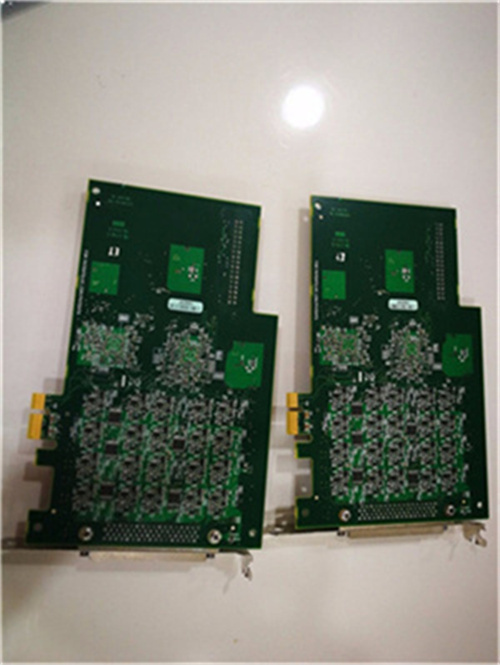
1.Parameters :
Counter/Timer Channels: 8, 32-bit
Digital I/O Lines: 40, TTL/CMOS compatible
Maximum Source Frequency: 100 MHz
External Source Frequency: 80 MHz
DMA Channels: 3 for high-speed data transfers
2.Specifications :
Bus Interface: PCI Express
Logic Levels: 5V TTL
Software Support: NI-DAQmx driver software
Timing Chip: X Series NI-STC3 for advanced triggering and synchronization
3.Dimensions & Weight :
Exact dimensions and weight are not explicitly mentioned in the search results.
However, as a PCIe device, it is designed to fit standard PCIe slots and should be lightweight for easy installation.
¥ 6,320.00
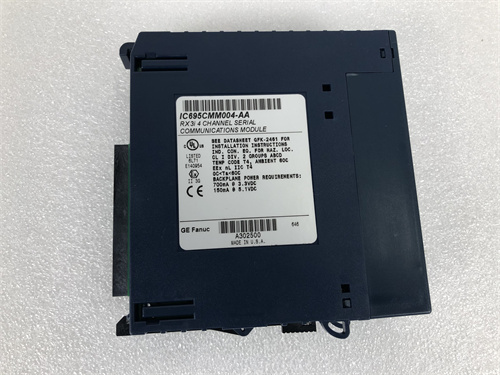
Series : GE Fanuc RX3i PACSystems
Dimensions : Not specified, but typical industrial modules are compact
Weight : Not specified, varies based on manufacturer and packaging
Features :
8 independent and isolated serial ports
Configurable as Modbus Master/Slave, CCM Slave, DNP3 Master/Slave
RS-232, RS-485, RS-422 serial communication
Full/half-duplex operation
Fault status reporting, port-to-backplane isolation
¥ 6,235.00
1.Parameters :
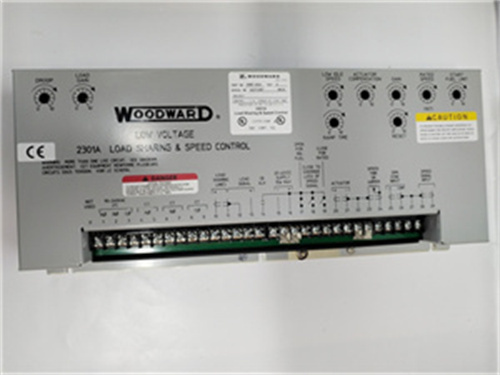
Model: 9907-018 2301A
Input Channels: 8 analog input channels
Output Channels: 4 analog output channels
Input Voltage Range: ±10VDC
Output Voltage Range: ±10VDC
Input Impedance: 250Ω, 500Ω, 1200Ω, 2500Ω
Accuracy: ±0.10% F.S.
Response Time: 200ms
Operating Temperature Range: -40°C to +70°C
2.Specifications :
Controller Type: Digital speed controller
Compatible with Woodward SPM-A synchronizer for automatic generator load control
Process input/output control and automatic power transfer and load control
¥ 6,235.00
Series : S800 series processor module
Dimensions : 12x12x12 (approximate, may vary)
Weight : Not specified, but typical industrial modules are lightweight
Voltage : 220V
Current : 5A
Resistance : 5Ω
Features :
High-precision control
Multiple control modes (position, speed, torque)
Real-time monitoring of servo motor status
Rich communication interfaces (Modbus RTU, Modbus TCP/IP, etc.)
¥ 4,251.00
Parameters : Input voltage range of 12-48VDC, output voltage of 5VDC, maximum output current of 10A, and efficiency greater than 90%.
Specifications : Designed for industrial automation applications, with a 32-bit RISC processor.
Dimensions : 170mm x 105mm x 32mm.
Weight : Approximately 120g to 0.82kg, depending on sources.
Series : Part of the FOXBORO FBM201 series.
¥ 6,235.00
1.Parameters :
Sensing Range: 190-350 nanometers of the ultraviolet spectrum1
Sensitivity: High, capable of detecting small flames1
Input Signal: 4-20mA analog input signal and red digital pulse input signal1
2.Specifications :
Designed for real-time, fast response to flame signals2
Suitable for detecting flames from alkyl, olefins, alkanes, and other combustible gases2
High temperature stability and reliability for long-term stable operation1
3.Dimensions & Weight :
Size: 119mm x 89mm x 70mm (as mentioned in one source)1
Weight: Approximately 1kg (estimated based on typical industrial scanner weights; exact weight may vary)3
Note: Another source mentions 56*89mm for dimensions, which could be a typographical error or a specific variant. Always refer to official documentation3
¥ 4,695.00
Parameters : Voltage: 24V, Current range: 100-400A1
Specifications : Designed for use in B&R industrial automation systems, offering reliable performance1
Dimensions : Exact dimensions may vary, but typical industrial modules are compact for easy installation
Weight : Approximately 2KG1
Series : Part of B&R’s 2005 series interface modules1
Features :
Equipped with communication interfaces such as RS485, enabling data exchange and communication with other devices^^
Electrical isolation for enhanced safety and reliability^^
Supports Profibus DP protocol, facilitating integration into various automation networks^^
¥ 6,532.00
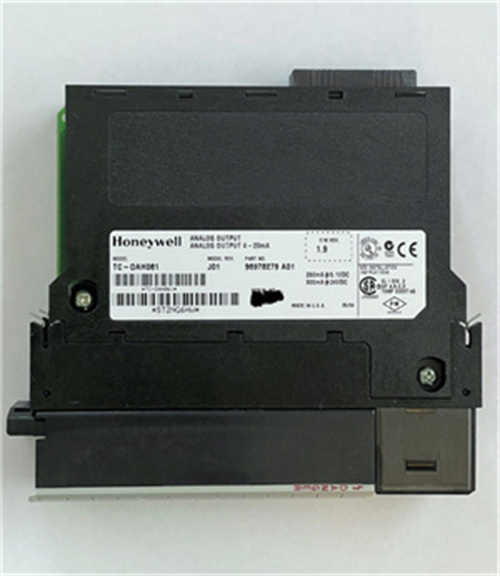
1.Parameters :
Brand: Honeywell
Model: TC-RPFM01
Voltage: 24V (mentioned in context with other products)1
Work Voltage: 455V (specific to TC-RPFM01)1
Output Frequency: 532 kHz1
2.Specifications :
Designed for use in industrial automation and control systems1
Part of Honeywell’s DCS or automation module range2 3
Provides advanced control and monitoring capabilities1
¥ 6,235.00
–Series : FOXBORO P09XX Series
–Parameters :
Voltage: Depending on the model, it can operate with a wide range of DC or AC voltages suitable for industrial applications.
Current: Designed to handle significant current loads, ensuring reliable power supply and control.
–Specifications :
High availability with redundant path control servers1
Configurable for various automation tasks, including process control and monitoring2
Advanced diagnostics and monitoring capabilities1
¥ 6,352.00
1.Parameters :
Communication Protocol: PROFIBUS DP V1
Supported Services: Class 1 and Class 2 DPV1
Processor and Memory: High-performance processor and memory for fast data calculation and processing
2.Specifications :
Compatible with ControlLogix processors from Rockwell Automation1
Uses proprietary backplane technology for robust data exchange1
Supports up to 125 slave devices via PROFIBUS network1 2
Maximum 1536 input and 1536 output data bytes per cycle1
3.Dimensions & Weight :
Dimensions: 320mm x 240mm x 150mm3 4
Weight: Approximately 1.2kg3 4
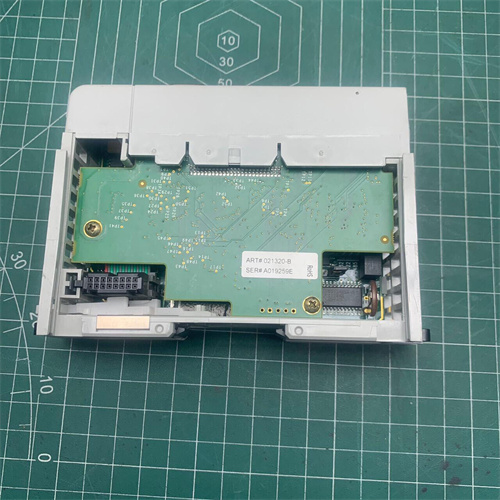
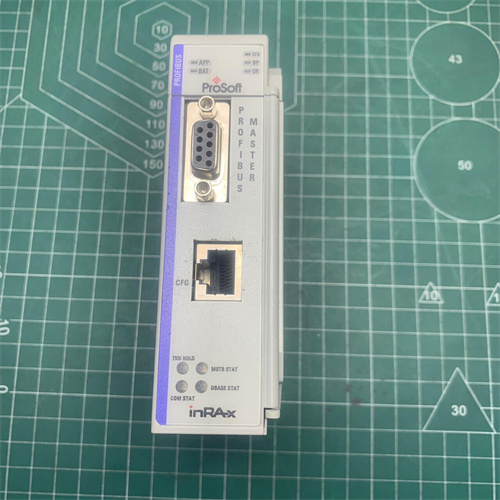
¥ 5,418.00
–Series : ProSoft MVI69 Series
–Parameters :
Communication Protocol: PROFIBUS DP, DP-v11
Data Transmission Rates: Supports standard communication rates up to 12MBit/s2 3
Power Supply: Typically 24V DC4 3
–Specifications :
Configurable data mapping and DP port operations2
Supports CompactLogix and MicroLogix 1500 LRP controllers (excluding certain models)2
Advanced fault diagnosis and monitoring capabilities2
IP30 protection rating with rugged aluminum housing3
¥ 4,158.00
1.Parameters :
Keyswitch Compatibility: MX, Alps, Choc, etc. (depending on design)
Layout: Customizable (TKL, 60%, 65%, etc.)
2.Specifications :
Material: Aluminum or plastic case, brass or steel plate
PCB: Hot-swappable or soldered
3.Dimensions & Weight :
Length: Varies depending on layout (e.g., 300mm for TKL)
Width: Varies depending on layout (e.g., 135mm for TKL)
Height: Around 30-40mm
Weight: 1-1.5kg (approximate)
4.Series :
Custom mechanical keyboard series designed by AI03 or a collaborative project

-1.jpg)
-1.jpg)
-1.jpg)