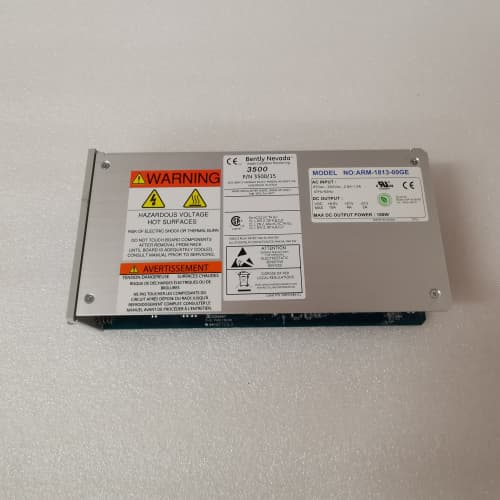
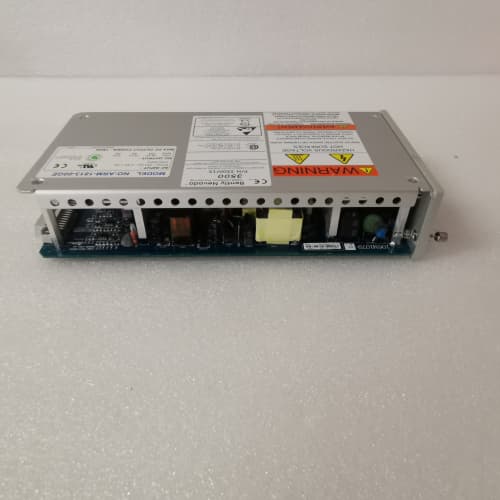
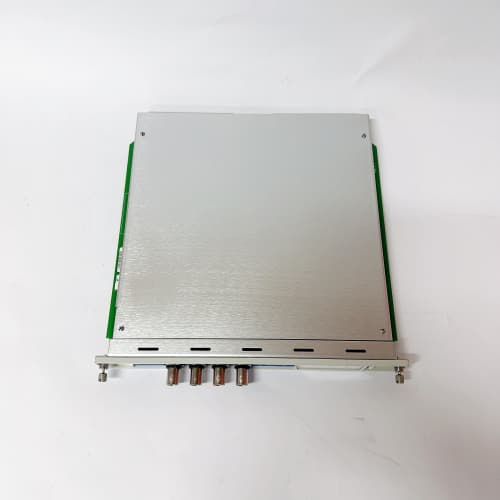
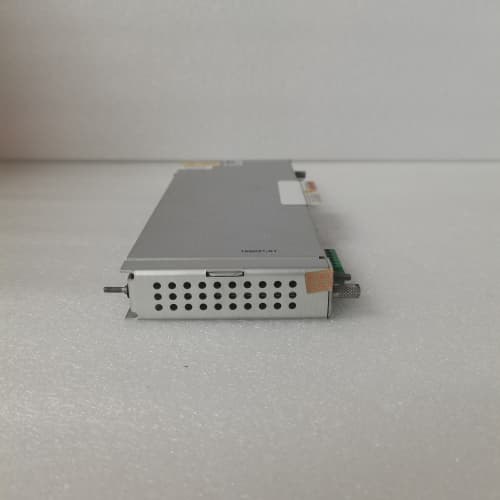
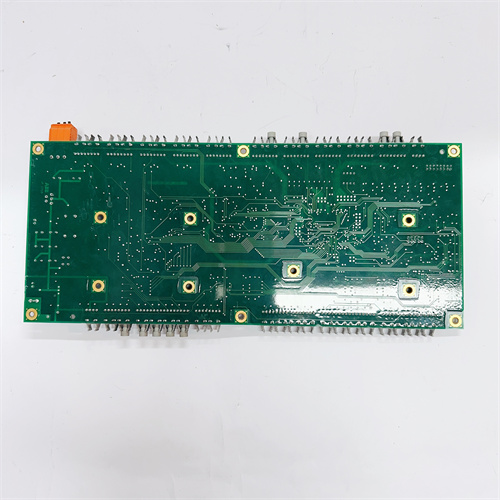
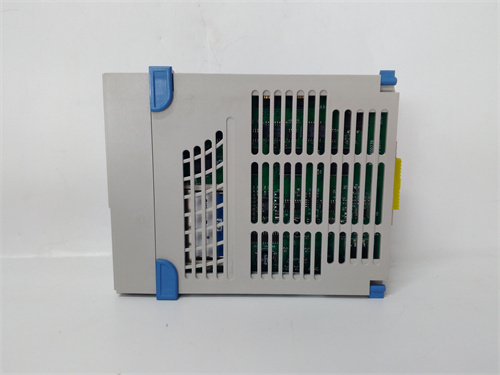
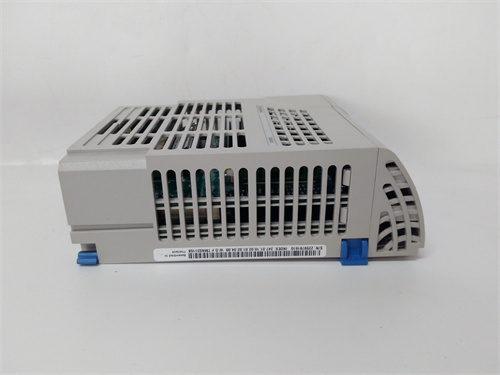
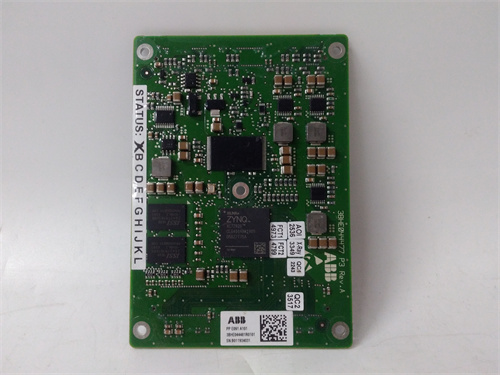
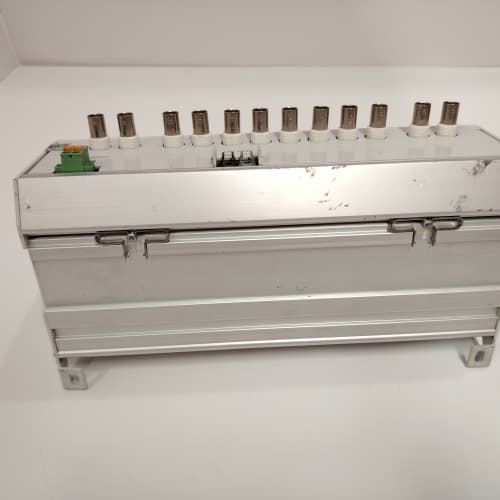
Core Functions: 8-channel analog signal acquisition, differential input support, signal conditioning, built-in fault diagnosis, cold-junction compensation for thermocouple inputs
Input Specifications: Supports 4–20 mA current loops, 0–10 V voltage signals, thermocouples (Type J, K, T, E, R, S, B), RTDs (PT100, PT1000); input impedance ≥ 1 MΩ for voltage signals
Communication Interface: Integrates with Westinghouse Ovation DCS via backplane bus; data transmission rate up to 10 Mbps; real-time status feedback to the control server
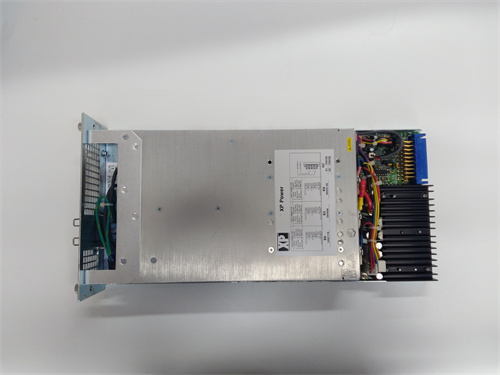
Power Supply: 24 V DC ±10%; power consumption ≤ 12 W; reverse polarity protection to prevent module damage from incorrect wiring
Operating Conditions: Temperature range -40°C to +70°C; relative humidity 5%–95% (non-condensing); vibration resistance up to 2g (10–2000 Hz) per IEC 60068-2-6
Safety & Certification: Complies with IEC 61010-1, UL 508, and CSA C22.2 standards; IP20 enclosure rating for cabinet mounting
Compatibility: Fully compatible with Westinghouse Ovation DCS series controllers; supports integration with third-party PLC/DCS (Siemens S7, ABB AC800M) via communication gateways
Mechanical Dimensions: 180×120×40 mm; standard DIN-rail mounting; hot-swappable design for maintenance without system shutdown
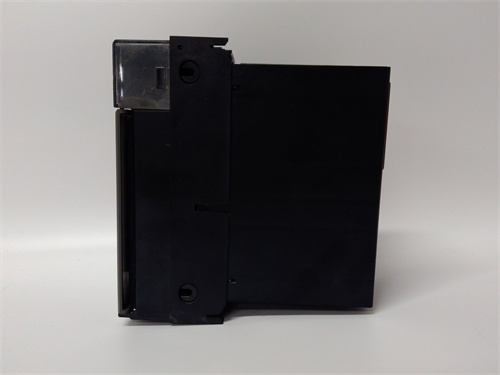
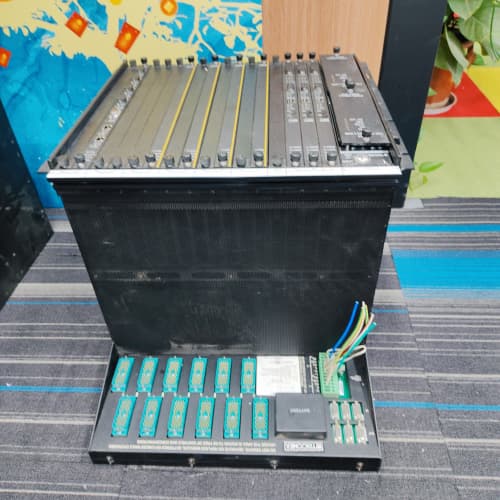
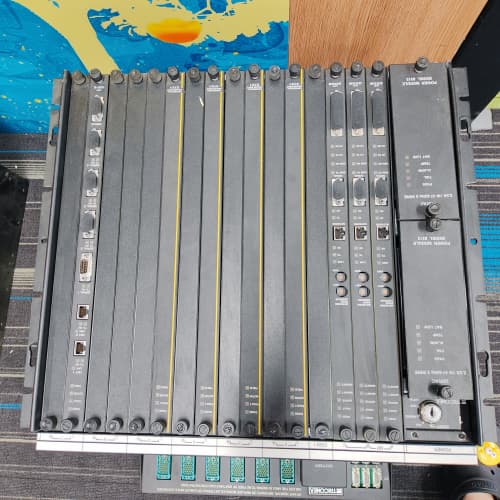
Core Functions: 8-channel digital output switching, fail-safe signal transmission, TMR system synchronization, built-in diagnostic monitoring, short-circuit protection for output channels
Output Specifications: 8 isolated digital output channels, rated voltage 24 V DC, maximum switching current 0.5 A per channel, support for both sink and source output configurations
Communication Interface: Seamless integration with Triconex TMR controllers (Trident, TS3000, Tricon) via the Triconex backplane bus, data transmission rate up to 10 Mbps, real-time status feedback to the control system
Power Supply: 24 V DC ±10%, power consumption ≤ 8 W, reverse polarity protection to prevent module damage from incorrect wiring
Operating Conditions: Temperature range -40°C to +70°C, relative humidity 5%–95% (non-condensing), vibration resistance up to 2g (10–2000 Hz) in accordance with IEC 60068-2-6
Safety & Certification: Complies with IEC 61508 SIL 3, ISO 13849-1 PL e, and ATEX Zone 2 standards; IP20 enclosure rating for panel mounting
Compatibility: Fully compatible with Triconex TMR safety systems, supports integration with third-party DCS/PLC systems (Siemens S7, ABB AC800M) via communication gateways
Mechanical Dimensions: 175×125×35 mm, standard DIN-rail mounting, compact design suitable for installation in densely packed control cabinets