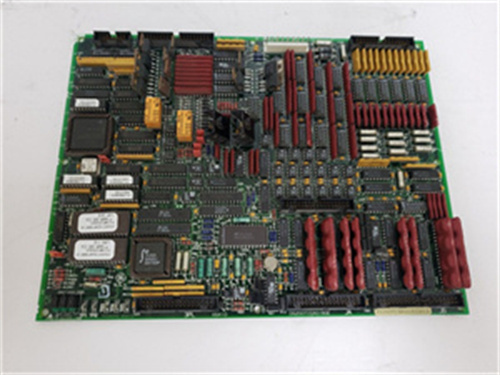
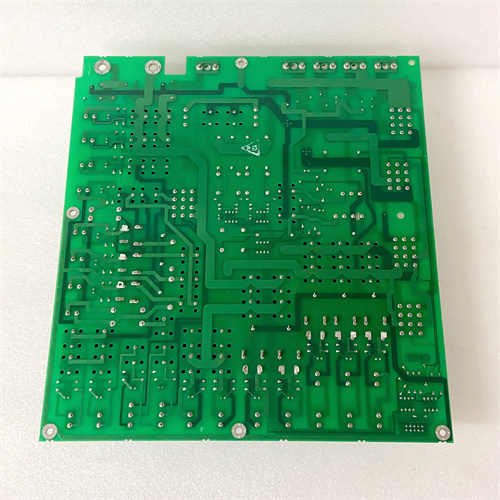
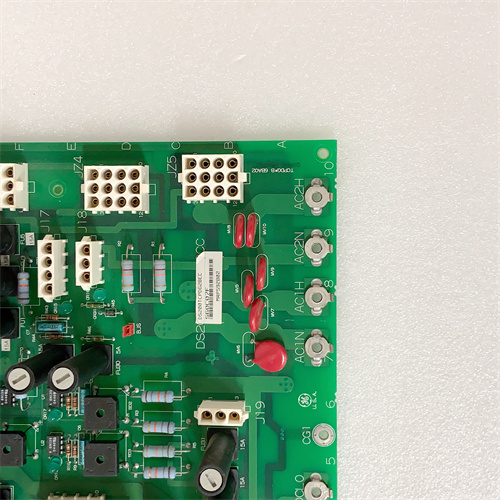
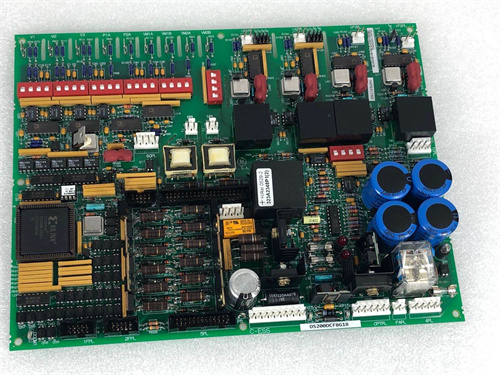
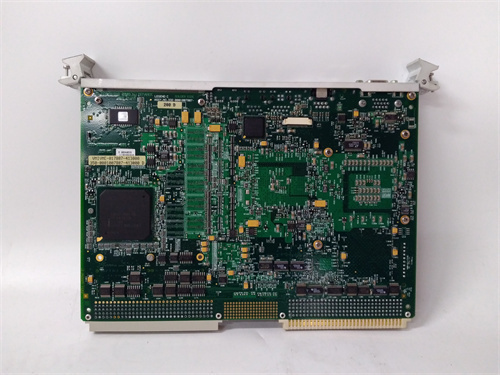
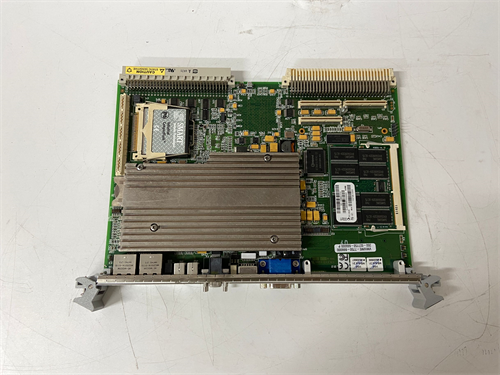
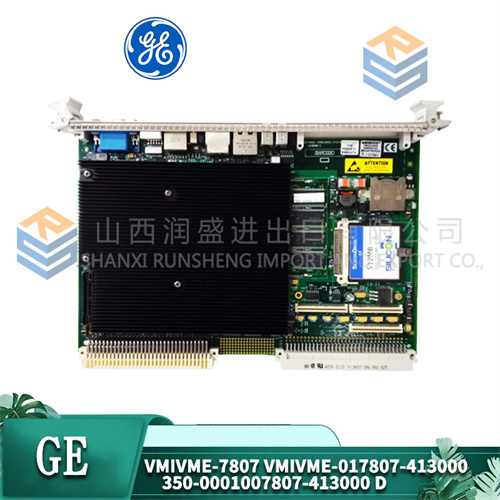
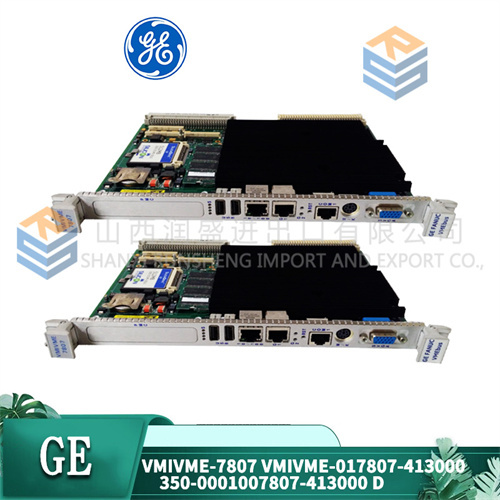
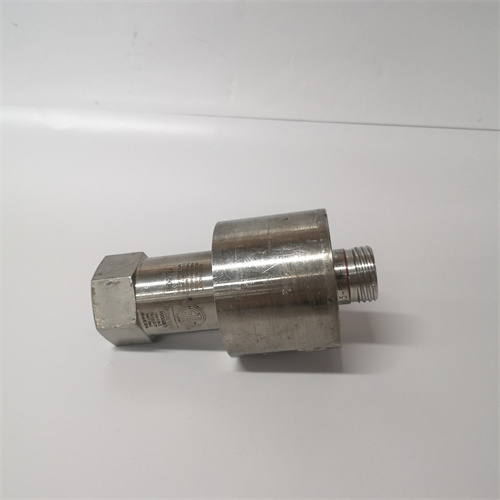
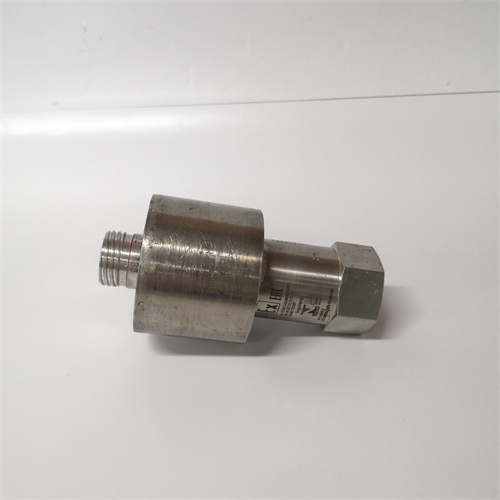
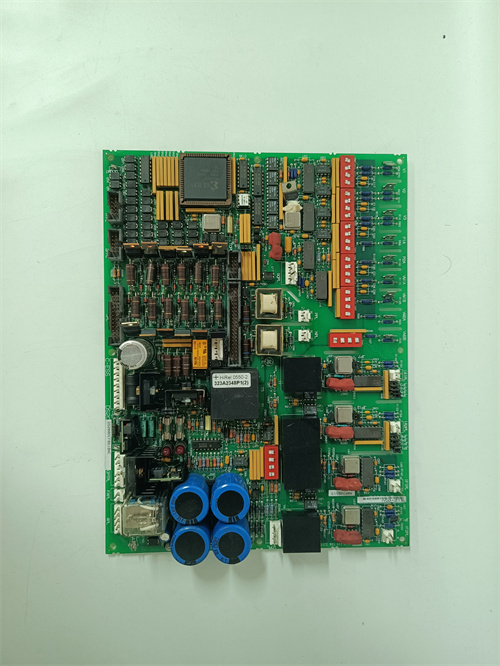
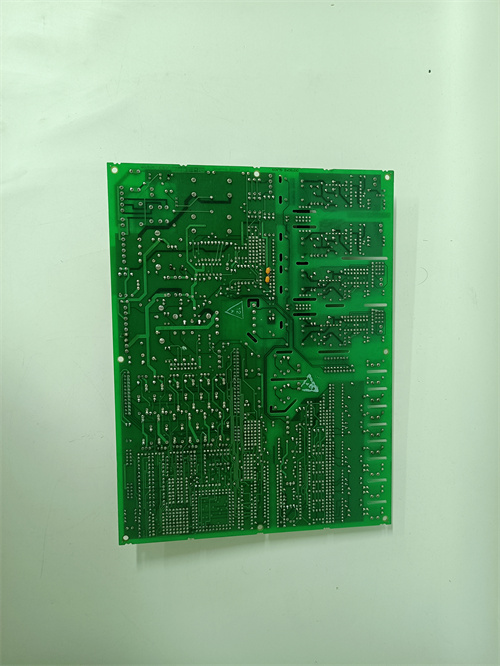
The GE DS200TCPSG1APE is a temperature sensor specifically designed for use in industrial automation and control systems. Here are the product parameters, specifications, and application areas in English, in order:
Product Parameters and Specifications:
Sensor Type: Temperature Sensor
Measurement Range: Typically, this range is specified by the manufacturer and can vary depending on the specific model. It is essential to refer to the datasheet for accurate measurement range information.
Accuracy: Specifies the closeness of the measured temperature to the actual temperature. Accuracy is typically expressed in degrees Celsius or Fahrenheit.
Response Time: The time it takes for the sensor to reach a stable output after a change in temperature.
Operating Temperature Range: The range of temperatures within which the sensor can operate safely and accurately.
Output Signal: The type of signal generated by the sensor, such as analog (e.g., 4-20mA or 0-10V) or digital (e.g., RS485 or Modbus).
Power Requirements: The voltage and current required to operate the sensor.
Physical Dimensions: Length, width, height, and any other relevant dimensions of the sensor.
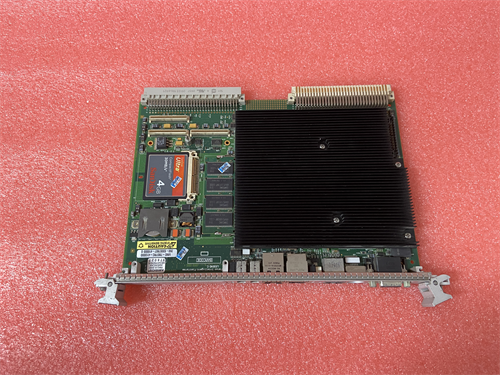
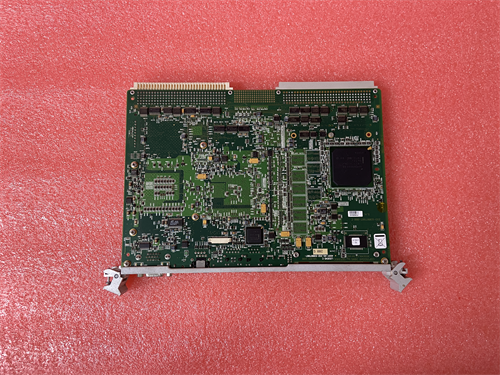
GE PCIE-5565RC-100000 is a PCIe (Peripheral Component Interconnect Express) adapter card from General Electric (GE) that likely supports high-speed data transmission and processing. This type of card is typically used in servers, data centers, or other high-performance computing environments.
The GE DS200DCFBG1BNC appears to be a security camera or a similar video surveillance device. Without direct access to the latest product specifications from GE, I can provide a general overview of the types of parameters, specifications, and application areas that are typically associated with such products. Please note that the specific details may vary for the DS200DCFBG1BNC model.
Product Parameters:
Image Sensor: The type and resolution of the image sensor, such as a CMOS or CCD sensor, and its maximum resolution (e.g., 1080p, 4K).
Lens: The type of lens, its focal length, aperture range, and whether it’s fixed or variable focus.
Field of View (FOV): The angular extent of the scene that can be seen through the camera’s lens.
Minimum Illumination: The lowest level of light intensity at which the camera can still produce a usable image.
Dynamic Range: The ability of the camera to capture both very bright and very dark areas in a scene without过度曝光或过度阴影.
Low-Light Performance: How well the camera performs in dimly lit environments.
Electronic Shutter Speed: The range of shutter speeds available to control exposure time.
White Balance: How the camera compensates for different color temperatures of light sources to produce natural-looking colors.
Signal Output: The type of video signal output, such as analog CVBS, digital HDMI, or IP streaming.