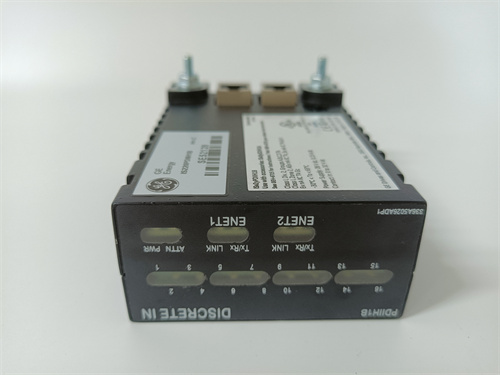
GE Fanuc IC698CRE020 is a significant part of GE Fanuc’s industrial automation product range. It plays a vital role in enhancing the control and communication capabilities of industrial systems, serving as a key component for system operation and data management.
The IC698CRE020 functions as a communication and redundancy module. Its core function is to enable reliable communication between different parts of the industrial control system, such as PLCs, HMIs, and other field devices. It also provides redundancy features to ensure continuous operation even in the event of a component failure. For example, in a large manufacturing plant, the GE Fanuc IC698CRE020 can be installed to connect multiple PLCs on different production lines. It allows for seamless data transfer and coordination between these PLCs, ensuring the smooth operation of the entire manufacturing process. In an energy production facility, it can be used to maintain communication between the control system and various sensors and actuators, and its redundancy feature ensures that the system can continue to operate without interruption if one communication path fails.
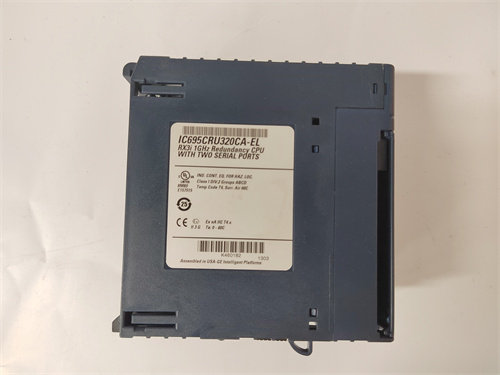
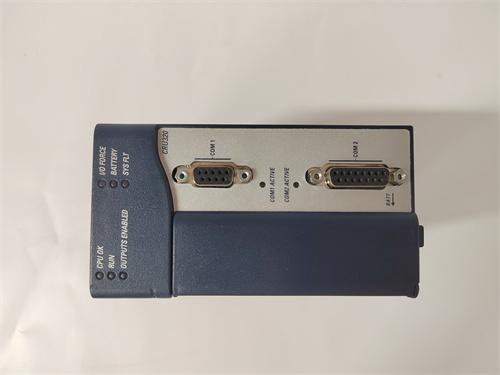
GE Fanuc IC695CRU320 is a crucial component within GE Fanuc’s industrial automation product lineup. It plays a significant role in enhancing the control and communication capabilities of industrial systems.
The IC695CRU320 functions as a central rack unit in GE Fanuc’s PLC systems. Its core function is to manage the communication and data transfer between different modules installed in the rack, such as input/output modules, communication modules, and processor modules. It also provides power distribution to these modules. For example, in a manufacturing facility, the GE Fanuc IC695CRU320 can be at the heart of a PLC system. It enables seamless communication between the digital input modules that receive signals from sensors on the production line and the output modules that control actuators like motors and valves. In an energy management system of a large commercial building, it coordinates the data flow between various modules monitoring and controlling the power usage of different areas.
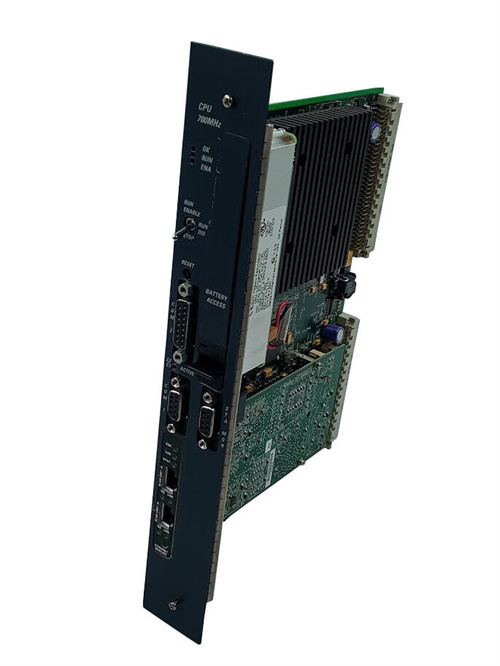
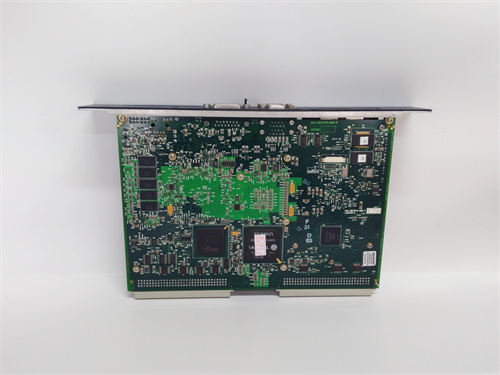
GE Fanuc IC698CPE030 is a significant component within GE Fanuc’s range of industrial automation offerings. It plays a pivotal role in enhancing the control and processing capabilities of industrial systems.
The IC698CPE030 serves as a high-performance programmable logic controller (PLC) processor module. Its core function is to execute control programs, process input data from various sensors and devices, and manage the communication and operation of the entire PLC system. It can receive signals from sensors such as temperature sensors, pressure sensors, and position sensors, and based on the programmed logic, it sends control commands to actuators like motors, valves, and relays. For example, in a large manufacturing plant, the GE Fanuc IC698CPE030 can be installed as the central processing unit of a PLC system. It controls the production line by coordinating the movement of robotic arms, regulating the speed of conveyor belts, and ensuring the quality of the products being manufactured. In an energy management system of a commercial building, it monitors the power consumption of different areas and adjusts the operation of HVAC systems to optimize energy usage.
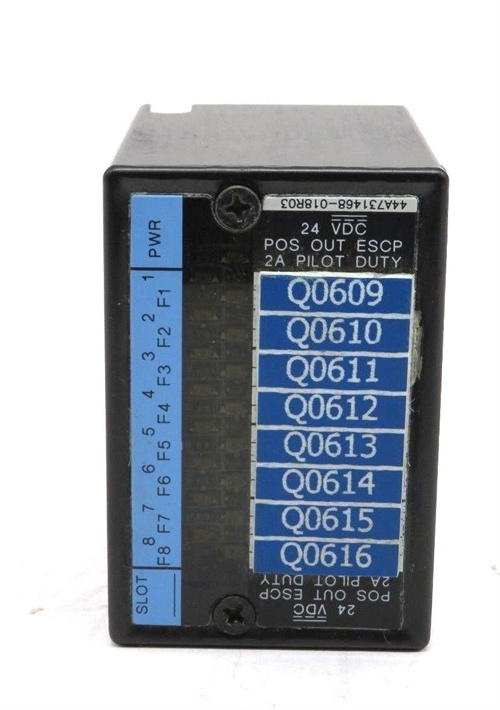
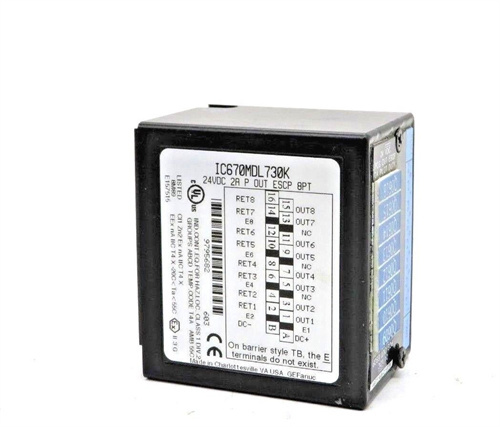
GE Fanuc IC670MDL730K is a notable component within GE Fanuc’s portfolio of industrial automation products. It plays a crucial role in the control and monitoring of industrial processes by providing reliable digital input/output functionality.
The IC670MDL730K is mainly used as a digital input/output module. Its core function is to interface with external devices such as switches, sensors, and actuators, and transfer digital signals between them and the control system. It can receive status signals from digital sensors (e.g., limit switches, proximity sensors) and send control signals to digital actuators (e.g., solenoid valves, relays). For example, in a manufacturing plant, the GE Fanuc IC670MDL730K can be installed in a PLC system. It can monitor the position of conveyor belts using limit switches connected to its input channels and control the start and stop of motors connected to its output channels. In a power distribution substation, it can monitor the status of circuit breakers and send commands to operate them as needed.
Phoenix Contact 8910-PS-DC is a significant component in the field of automation power supply systems. It plays a crucial role in ensuring a stable and reliable power supply for various industrial automation devices.
The 8910-PS-DC is mainly used as a DC power supply module. Its core function is to convert the incoming electrical input (usually from the main power grid) into a stable direct current output suitable for powering different automation components such as programmable logic controllers (PLCs), sensors, and actuators. It continuously monitors the input and output electrical parameters to ensure the quality of the power supply. For example, in a manufacturing plant, the 8910-PS-DC can provide a stable power source for the PLCs that control the production line, ensuring that they operate without interruption. In an industrial control room, it can power various sensors that monitor environmental conditions and process parameters, enabling accurate data collection and control.
Woodward F650-G-N-A-B-F-2-G-1-HI-C-E is a significant component in Woodward’s PLC automation systems. It plays a crucial role in the efficient operation and control of various industrial processes.
The F650-G-N-A-B-F-2-G-1-HI-C-E is mainly used as a high-performance control module. Its core function is to receive input signals from different sensors, such as temperature sensors, pressure sensors, and flow sensors. Then, it processes these signals through advanced control algorithms and outputs appropriate control signals to actuators like valves and motors. For example, in a power generation plant using gas turbines, the F650-G-N-A-B-F-2-G-1-HI-C-E can monitor the turbine’s speed, temperature of the combustion chamber, and fuel flow rate. Based on the received data, it precisely adjusts the fuel supply to maintain the optimal operating conditions of the gas turbine. In a chemical manufacturing facility, this module can control the reaction process by adjusting the flow rate of reactants according to the changes in process parameters, ensuring the stability and efficiency of the chemical reactions.
IS420UCSBH1A is a significant component in Programmable Logic Controller (PLC) based automation systems. Manufactured by a well-established company with a strong foothold in industrial automation, this product plays a crucial role in the efficient operation of automated processes.
The core function of IS420UCSBH1A primarily focuses on communication and control within the PLC system. It acts as a key interface that enables seamless data exchange between the PLC and various field devices. For example, it can receive digital and analog input signals from sensors such as temperature sensors, pressure sensors, and flow sensors in an industrial setting. These signals are then processed by IS420UCSBH1A and transmitted to the PLC for further analysis and decision-making. On the other hand, it can send control signals from the PLC to actuators like motors, valves, and relays. In a manufacturing plant, IS420UCSBH1A can receive signals indicating the status of production machinery and send commands to adjust the operation, ensuring smooth production flow. In an energy management system, IS420UCSBH1A can communicate with power generation and distribution equipment to monitor and control the power output.
IS200DSPXH1DBC is a significant component in Programmable Logic Controller (PLC) based automation systems. Manufactured by a well-respected company with a wealth of experience in industrial automation, this product plays a crucial role in the efficient operation of automated processes.
The core function of IS200DSPXH1DBC is mainly centered around digital signal processing and communication within the PLC system. It acts as a key interface that enables the PLC to receive digital input signals from various field devices, such as sensors and switches, and process them. These processed signals can then be used by the PLC to make control decisions and send out appropriate digital output signals to actuators. For example, in a manufacturing plant, IS200DSPXH1DBC can receive digital input signals from proximity sensors that detect the position of workpieces on a conveyor belt. It processes these signals and relays the information to the PLC, which can then control the movement of robotic arms or other machinery. In a power plant, IS200DSPXH1DBC can be used to monitor and control the status of electrical equipment by processing digital signals related to voltage, current, and power.
IS220PTCCH1Bis a significant component in Programmable Logic Controller (PLC) based automation systems. This product, brought to the market by a company renowned for its expertise in industrial automation, plays a pivotal role in ensuring the efficient operation of various automated processes.
The core function of IS220PTCCH1Bis to handle temperature control and monitoring tasks within the automation system. It can receive temperature signals from various sensors such as thermocouples and resistance temperature detectors (RTDs). After receiving these signals, IS220PTCCH1Bprocesses them and sends out appropriate control signals to heating or cooling devices. For instance, in a manufacturing plant where precise temperature control is crucial for the production process, IS220PTCCH1Bcan adjust the operation of heaters or chillers to maintain the desired temperature. In a power generation facility, it can monitor the temperature of critical components like generators and transformers and trigger alarms or take corrective actions if the temperature exceeds the safe range.
IS220PDOAH1Bis a crucial component in Programmable Logic Controller (PLC) based automation systems. Manufactured by a well-established company with a strong reputation in industrial automation, this part plays a vital role in ensuring the smooth operation of automated processes.
The core function of IS220PDOAH1Bis to serve as a digital output interface within the automation system. It receives control signals from the PLC and then accurately transmits these signals to external devices such as relays, solenoid valves, and indicator lights. For example, in a manufacturing assembly line, IS220PDOAH1Bcan send commands to activate a robotic arm to pick and place components at specific positions. In a power distribution system, it can control the opening and closing of circuit breakers based on the signals from the PLC.
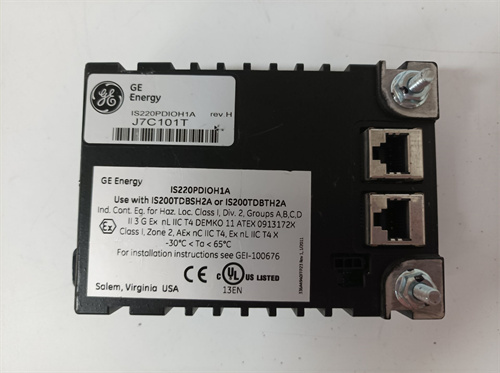
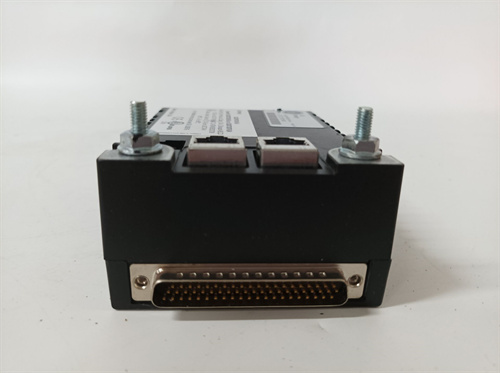
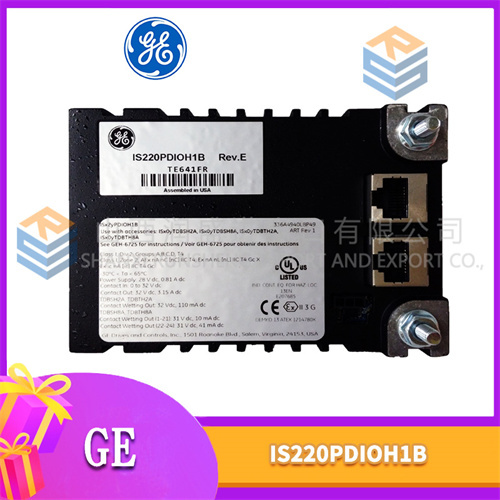
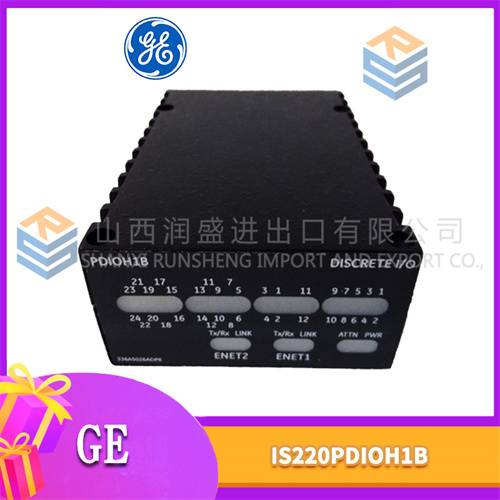
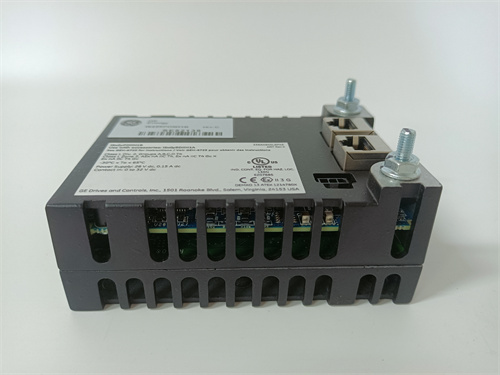
IS220PDIOH1B is a significant component in Programmable Logic Controller (PLC) based automation systems. This product, developed by a well – known entity with extensive expertise in industrial automation, plays a crucial role in facilitating the smooth operation of automated processes.
The core function of IS220PDIOH1B is to handle digital input and output operations within an automation system. It serves as a bridge between various field devices and the PLC. On the input side, it can receive signals from sensors like proximity sensors, limit switches, and pushbuttons. For example, in a manufacturing assembly line, it can detect the presence of a part at a specific station through a proximity sensor. On the output side, it can send control signals to actuators such as relays, solenoid valves, and small motors. In a packaging machine, it can control the opening and closing of a valve to regulate the flow of products.
IS220PDIIH1B is a significant component within Programmable Logic Controller (PLC) automation systems. Crafted by a well – respected entity with a wealth of experience in industrial automation, this part is essential for the seamless operation of diverse automated processes.
The core function of IS220PDIIH1B is to receive and process digital input signals from various sensors and devices in an automation setup. It acts as an interface between the field devices and the PLC, ensuring accurate transmission of information. For instance, in a factory setting, it can gather signals from photoelectric sensors that detect the presence of objects on a production line, or from pushbutton switches used for manual control inputs.

.jpg)