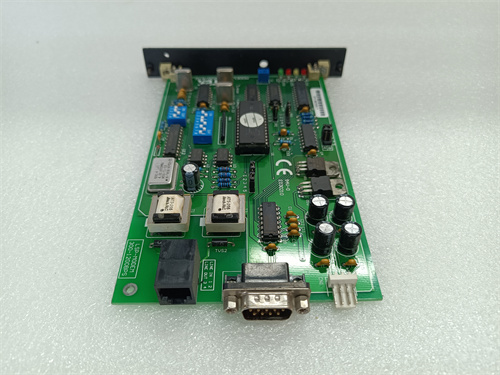
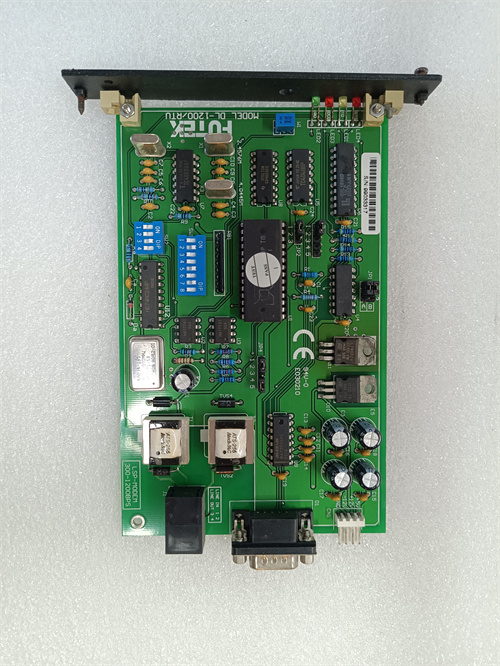
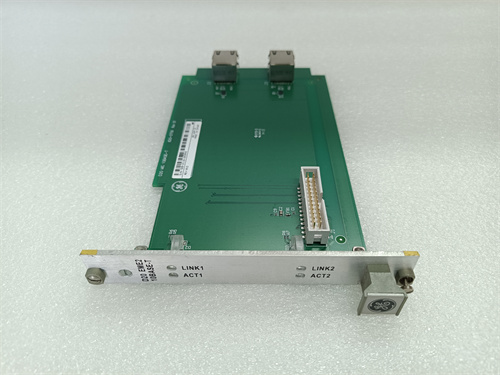
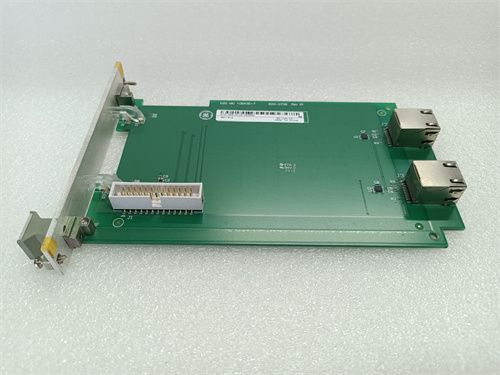
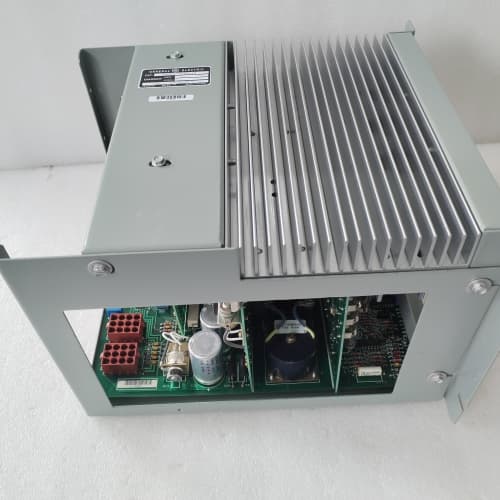
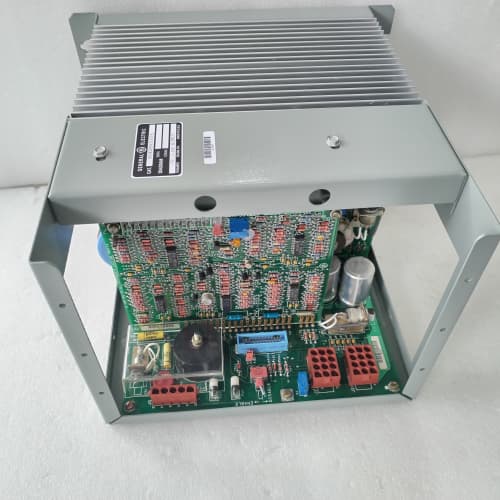
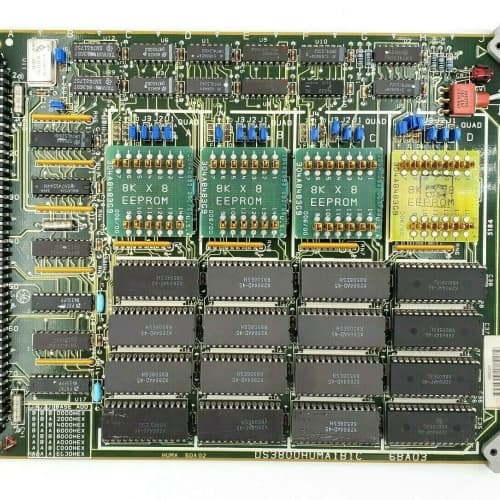
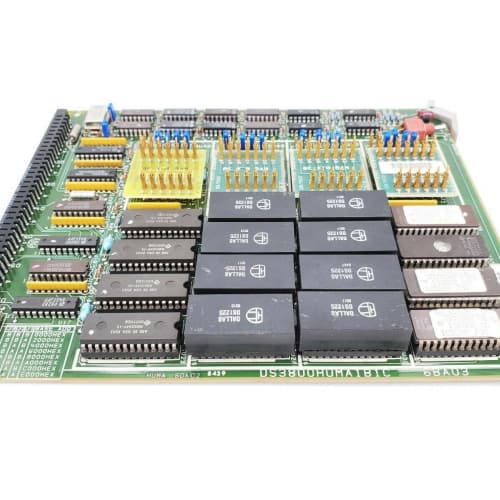
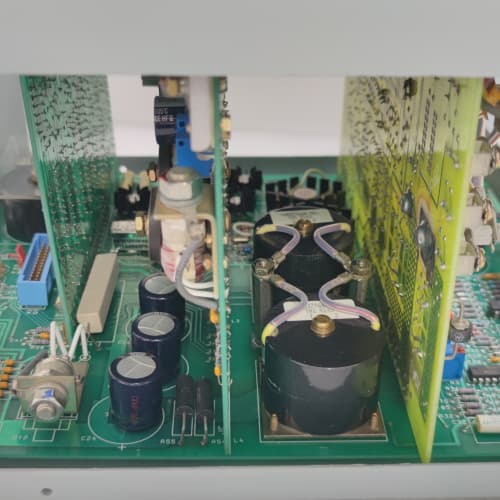
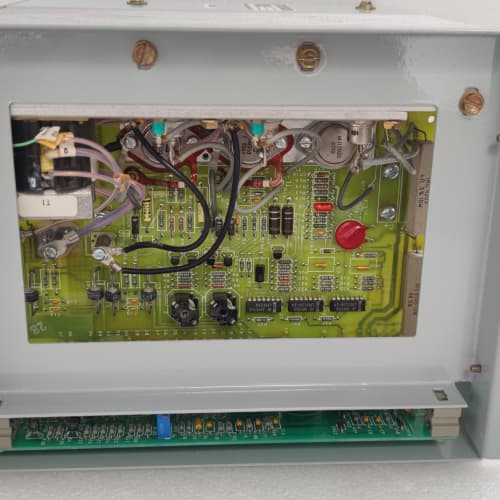
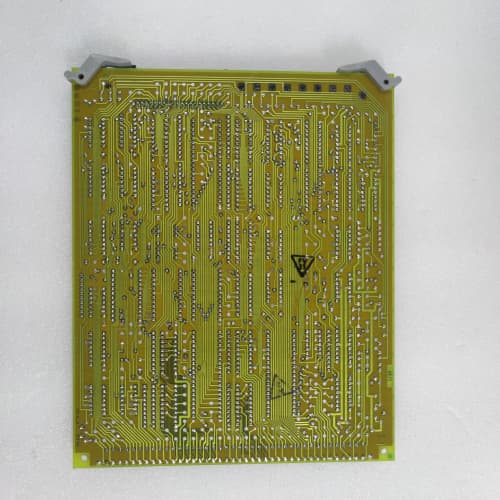
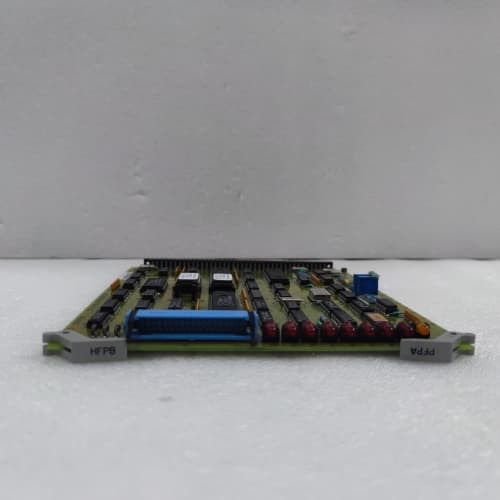
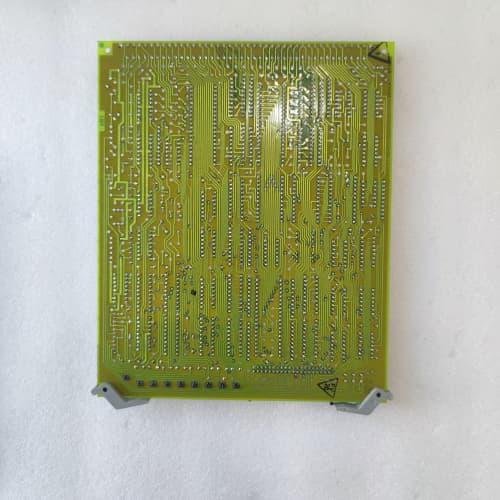
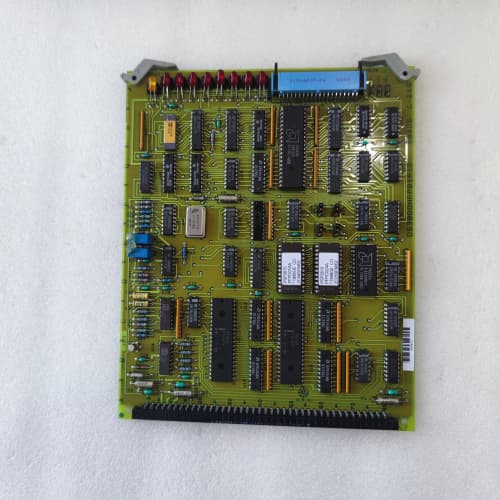
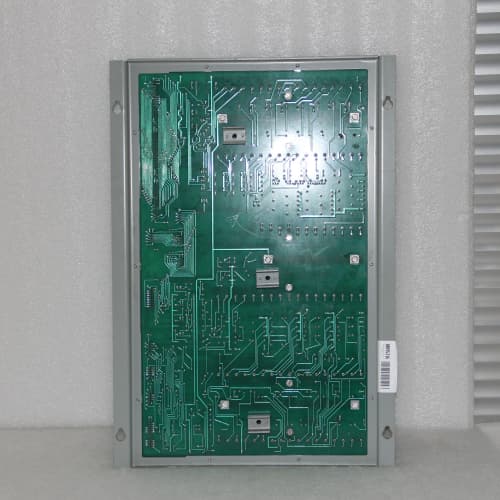
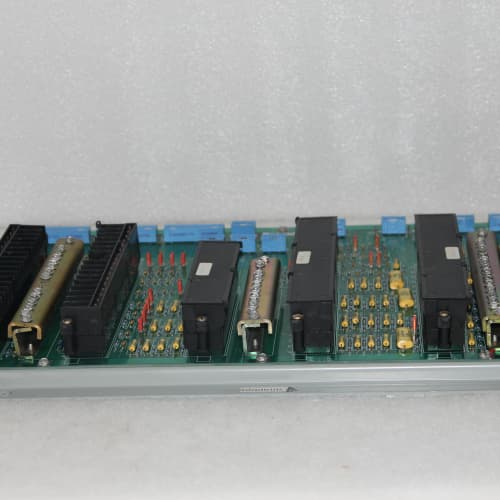
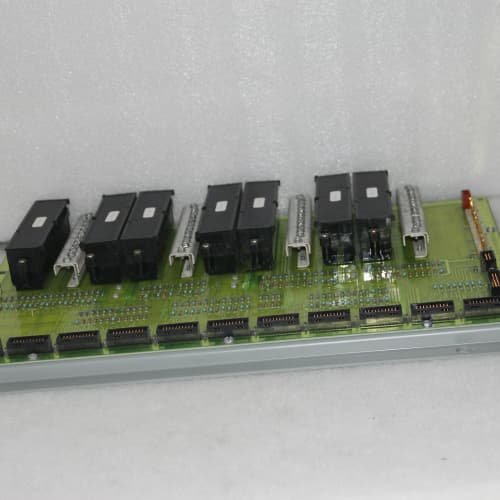
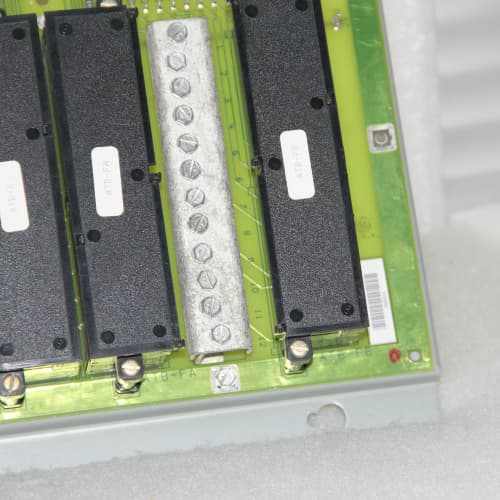
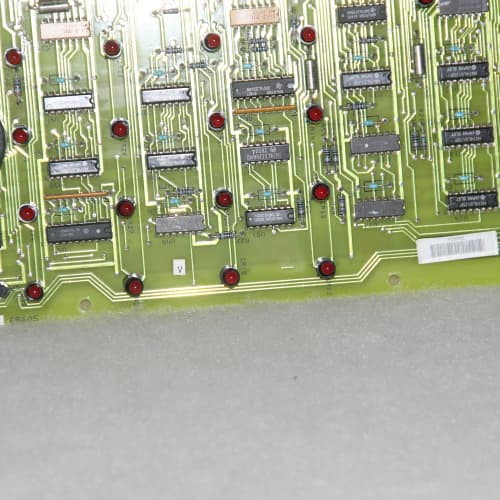
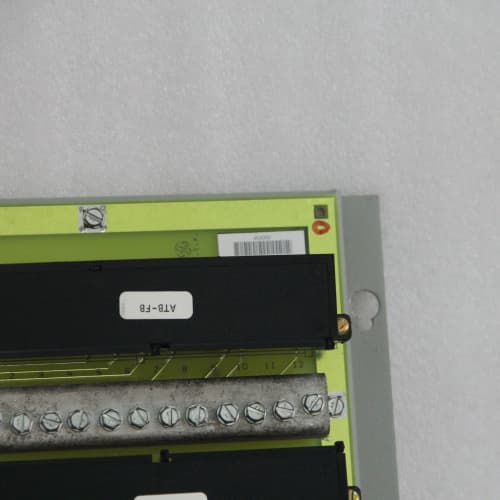
The GE DL-1200 RTU is a compact, high-performance Remote Terminal Unit (RTU) from GE Grid Solutions, designed for distributed control and telemetry applications in power utilities, oil & gas, water/wastewater, and infrastructure monitoring. The “DL” designation indicates the DataLink series, and the GE DL-1200 RTU serves as a standalone intelligent controller that acquires data from field sensors, executes local logic, and communicates with SCADA master stations. It is a self-contained unit that combines processing power, I/O, and communication interfaces in a single rugged package suitable for outdoor and harsh environments.
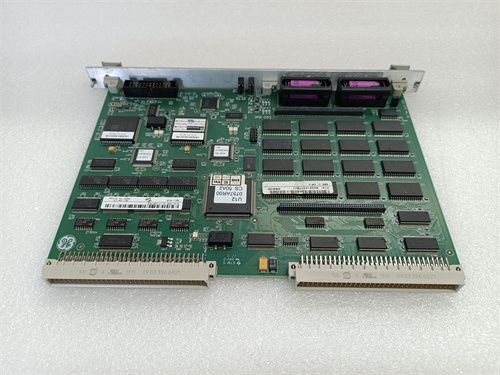
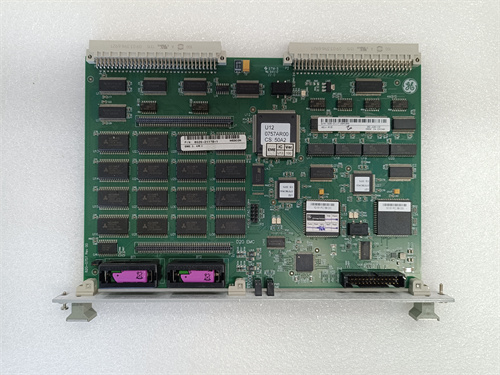
The GE D20 MIC 10BASE-T is a Main Intelligent Controller (MIC) module from GE Grid Solutions, serving as the central processor unit for the D20 series distributed control and substation automation platform. This unit acts as the “brain” of the RTU (Remote Terminal Unit), executing application logic, managing all I/O communication (including connected GE D20 EME expansion modules), and handling protocol conversion to SCADA master stations. The “MIC” designation indicates the primary controller, and the “10BASE-T” suffix specifies the Ethernet physical layer standard (10 Mbps, twisted-pair) on its network interface. The GE D20 MIC 10BASE-T is designed for power utilities, oil & gas, and infrastructure applications requiring reliable, hardened computing in extreme electrical utility environments.
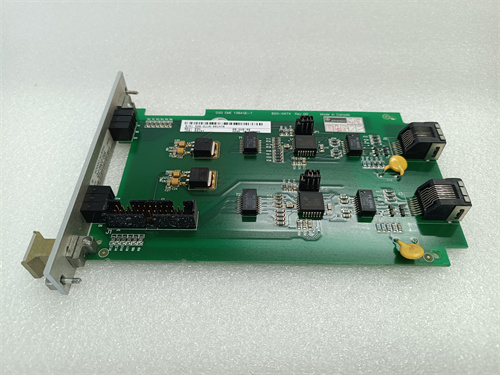
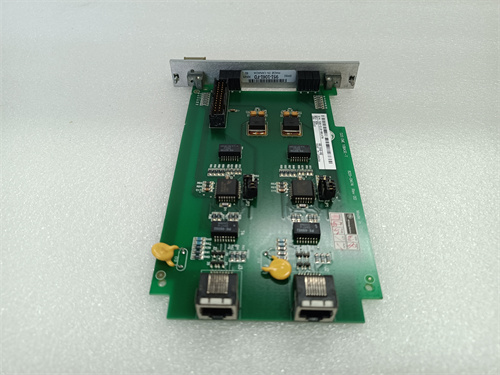
The GE D20 EME 10BASE-T is an I/O expansion module from GE Grid Solutions (formerly GE Energy), part of the D20 series distributed control and substation automation platform. This specific variant includes a 10BASE-T Ethernet communication port (10 Mbps, twisted-pair) for connectivity to legacy SCADA networks. The “EME” designation indicates an Enhanced I/O Module, and the “10BASE-T” suffix explicitly denotes the Ethernet physical layer standard used on its primary network interface. The GE D20 EME 10BASE-T is designed for power utilities, oil & gas, and water/wastewater SCADA applications, offering reliable I/O expansion in harsh electrical utility environments.
The GE D20 EME is an I/O expansion module from GE Grid Solutions (formerly GE Energy), part of the D20 series distributed control and substation automation platform. This unit serves as a remote terminal unit (RTU) expansion module, providing additional digital and analog I/O points for power utilities, oil & gas, and water/wastewater SCADA applications. The “EME” designation indicates an Enhanced I/O Module with Ethernet communication capability. The GE D20 EME is designed for harsh electrical utility environments, offering high reliability and extended temperature operation.
The GE DS4820R20 is a high-density analog input module with dual redundant measurement channels for the GE Mark VIe control system, designed for critical process monitoring requiring the highest level of sensor input availability. The suffix -R20 indicates Redundant 20-channel configuration, providing 20 analog input channels, each with dual redundant ADC paths and full channel-to-channel isolation. This module provides 20 differential analog input channels, configurable for ±10V, 0–20mA, or 4–20mA signals. The GE DS4820R20 is optimized for large-scale safety-critical monitoring applications such as turbine exhaust temperature monitoring (multiple thermocouples), bearing temperature monitoring, and pressure protection loops across multiple systems. Each channel features 16-bit ADC with dual measurement paths, programmable input filtering, and comprehensive diagnostics including over-range, under-range, open-wire detection, and channel-to-channel comparison.
The GE DS4820R10 is a high-density analog input module with redundant measurement channels for the GE Mark VIe control system, designed for critical process monitoring requiring redundant sensor inputs. The suffix -R10 indicates Redundant 10-channel configuration, providing 10 analog input channels with internal redundancy and cross-checking. This module provides 10 differential analog input channels, each with dual ADC paths for redundancy, and configurable for ±10V, 0–20mA, or 4–20mA signals. The GE DS4820R10 is optimized for safety-critical measurements such as turbine exhaust temperature, bearing temperature, and pressure protection loops where a single sensor failure cannot be tolerated. Each channel features 16-bit ADC with redundant measurement paths, programmable input filtering, and comprehensive diagnostics including over-range, under-range, open-wire detection, and channel-to-channel comparison.
The GE DS4820B1SA is a high-performance analog input module with enhanced accuracy and advanced signal conditioning for the GE Mark VIe control system, designed for precision measurement of voltage and current signals in turbine and generator applications. The suffix -B1SA indicates Analog B-series 1st-generation Standard Accuracy with improved noise rejection and advanced diagnostics compared to the A-series. This module provides 16 differential analog input channels, each configurable for ±10V, 0–20mA, or 4–20mA signals. The GE DS4820B1SA is optimized for critical process measurements such as pressure, temperature (via transmitters), flow, and level in power generation environments. Each channel features 16-bit ADC with programmable gain, input filtering, and comprehensive diagnostics including over-range, under-range, and open-wire detection. The module communicates via the Mark VIe high-speed backplane with configurable scan rates from 10ms to 1s.
The GE DS4820A1SA is a high-performance analog input module for the GE Mark VIe control system, designed for precision measurement of standard analog signals in turbine and generator applications. The suffix -A1SA indicates Analog 1st-generation Standard Accuracy with enhanced noise rejection and per-channel configurability. This module provides 16 differential analog input channels, each configurable for ±10V, 0–20mA, or 4–20mA signals. The GE DS4820A1SA is optimized for pressure, temperature (via transmitters), flow, and level monitoring in power generation environments. Each channel features 16-bit ADC, programmable input filtering, and comprehensive diagnostics including over-range, under-range, and open-wire detection. The module communicates via the Mark VIe high-speed backplane with configurable scan rates from 10ms to 1s.
The GE DS4815PRTA is a high-performance pulse/rate input module with advanced time-stamping and frequency measurement capabilities for the GE Mark VIe control system, designed for precision speed, flow, and frequency monitoring in turbine and generator applications. The suffix -PRTA indicates Pulse/Rate with Time-stamping and Advanced Diagnostics, featuring hardware-assisted frequency measurement, edge detection, and event capture. This module provides 16 independent pulse input channels, each configurable for magnetic pickups (MPU), proximity probes, encoders (A/B/Z), or general-purpose frequency signals. The GE DS4815PRTA is optimized for turbine speed measurement, flow meter pulse counting, and shaft position tracking. Each channel includes programmable debounce, 1µs time-stamping, and built-in diagnostics. The module features high-speed input capture up to 500kHz, with a dedicated counter and frequency measurement per channel.
The GE DS4815OIFA is a high-density digital output module with advanced fault detection and load monitoring capabilities for the GE Mark VIe control system, designed for high-reliability actuator and contactor control in turbine and generator applications. The suffix -OIFA indicates Output with Integrated Fault Annunciation and Load Monitoring, featuring per-channel output diagnostics and load integrity verification. This module provides 32 digital output channels, each rated for 24–250VAC/VDC operation with 2A continuous output current. The GE DS4815OIFA is optimized for driving solenoid valves, contactor coils, motor starters, and alarm annunciators. Each channel includes built-in open-load detection, short-circuit detection, and overcurrent shutdown with programmable current thresholds. The outputs are arranged in 4 isolated groups (8 outputs per group), each with a separate common return. The module communicates via the Mark VIe high-speed backplane with deterministic 1ms output updates.
The GE DS4815DTDB is a high-density digital input module with advanced time-stamping and diagnostic capabilities for the GE Mark VIe control system, designed for precise sequence-of-events recording and high-speed digital input monitoring in turbine and generator protection applications. The suffix -DTDB indicates Digital Input with Time-stamping and Diagnostic Bus, featuring hardware-assisted time-stamping, high-speed input capture, and dedicated diagnostic reporting. This module provides 32 digital input channels, each with independent debounce filtering, event time-stamping (1µs resolution), and built-in diagnostics. The GE DS4815DTDB is optimized for turbine trip signal monitoring, breaker status tracking, and sequence-of-events recording in power generation environments. Each channel accepts 24–250VAC/VDC signals with programmable wetting current for dry contact sensing, and includes high-voltage transient protection. The module communicates via the Mark VIe high-speed backplane with deterministic scan rates down to 1ms.
The GE DS4815COME is a high-performance communication and digital I/O module for the GE Mark VIe control system, offering the highest communication density in the DS4815 series. The suffix -COME indicates Communication with Enhanced Ethernet and Serial Capabilities, adding dual Ethernet ports to the combined I/O and serial functionality. This module provides 8 digital input channels, 8 digital output channels, 2 serial communication ports (RS-232/RS-485), and 2 Ethernet ports (10/100BASE-T) in a single slot. The GE DS4815COME is optimized for turbine auxiliary control applications requiring both discrete I/O and networked communication (Modbus TCP, OPC UA, or DNP3) alongside serial device connections. Each digital channel is rated for 125VDC or 240VAC operation, while the Ethernet ports support Modbus TCP, OPC UA, and GE-proprietary protocols. The module features hardware-level isolation between the communication sections and I/O, ensuring reliable operation in electrically noisy environments.