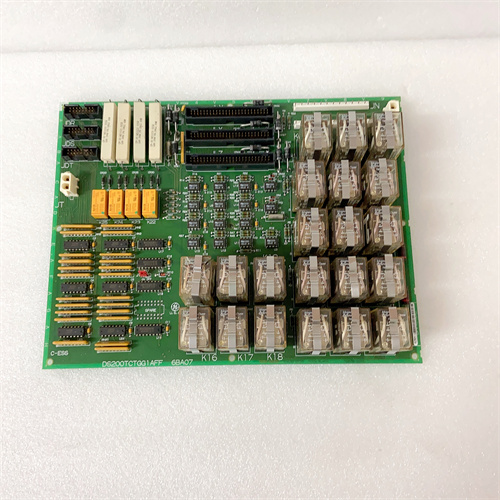
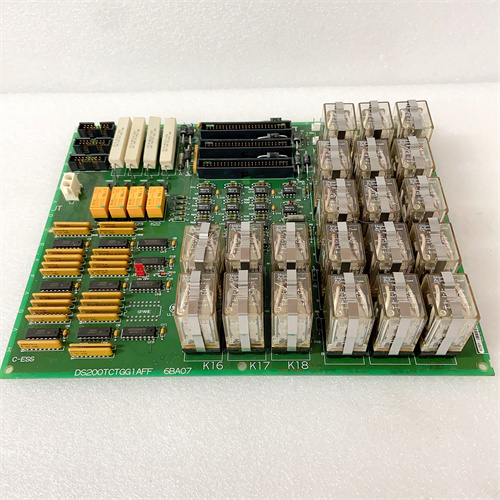
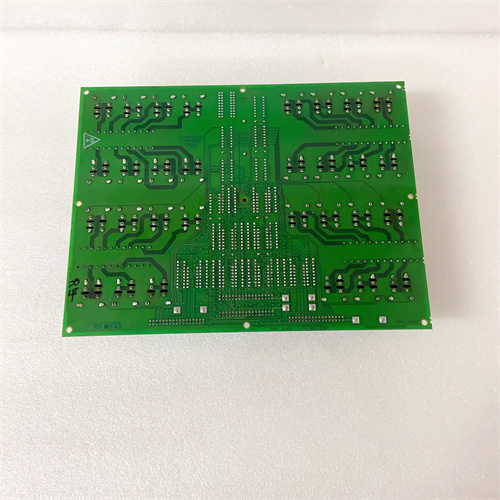
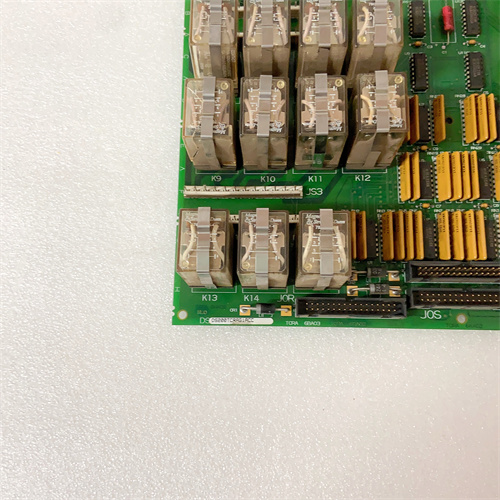
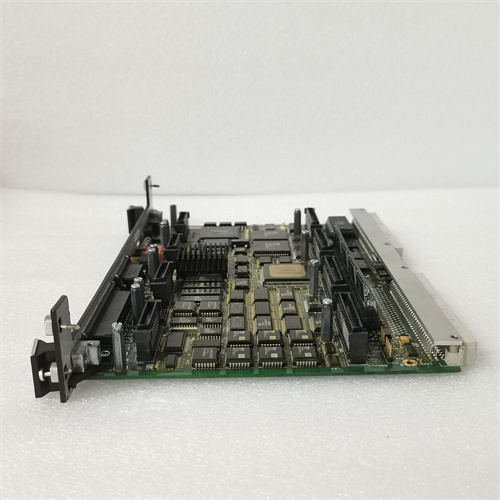
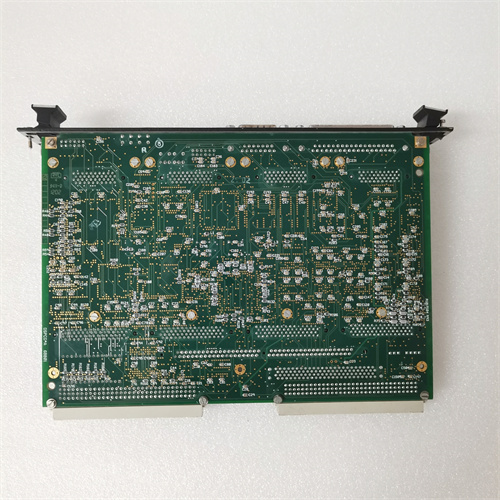
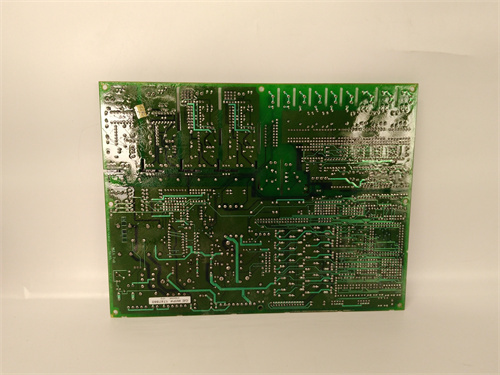
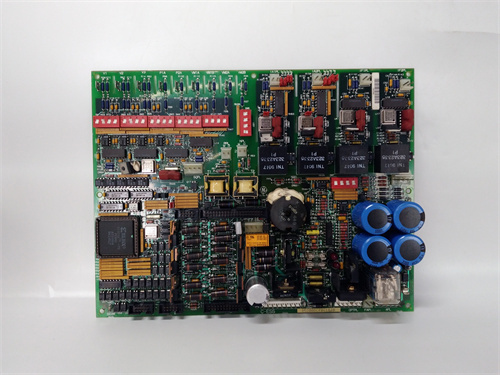
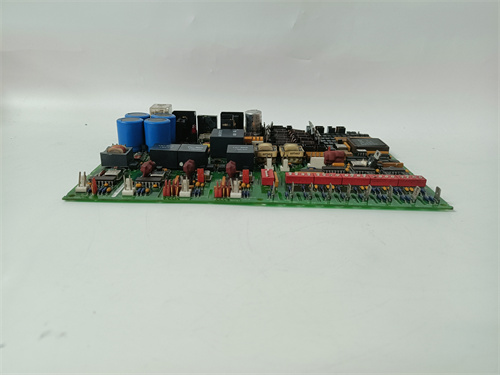
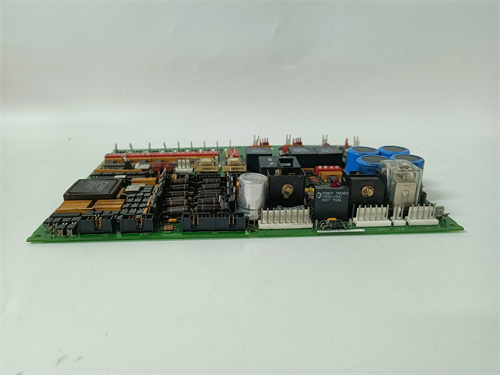
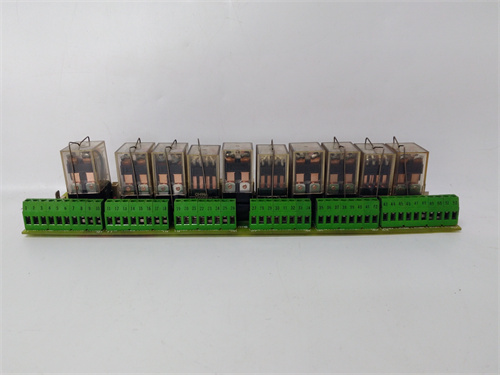
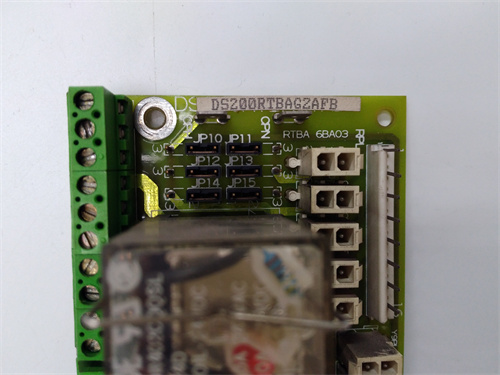
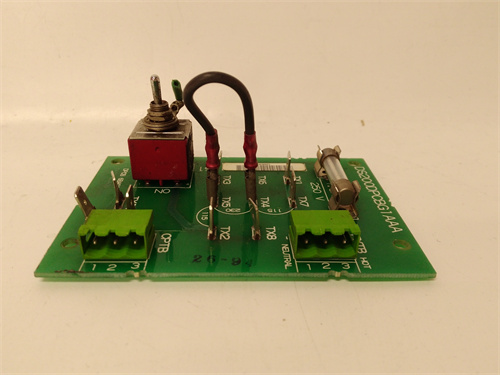
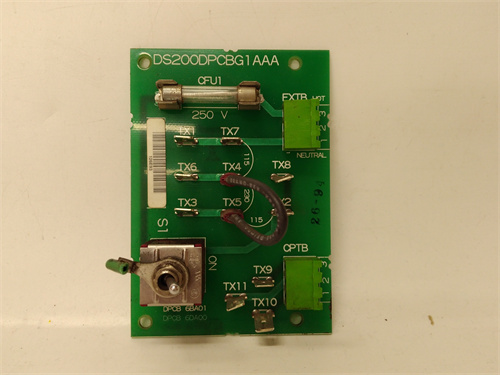
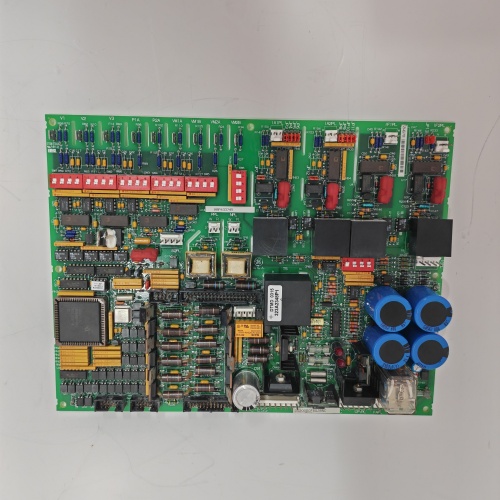
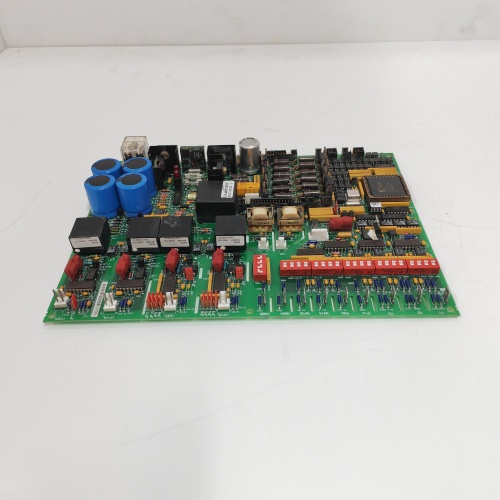
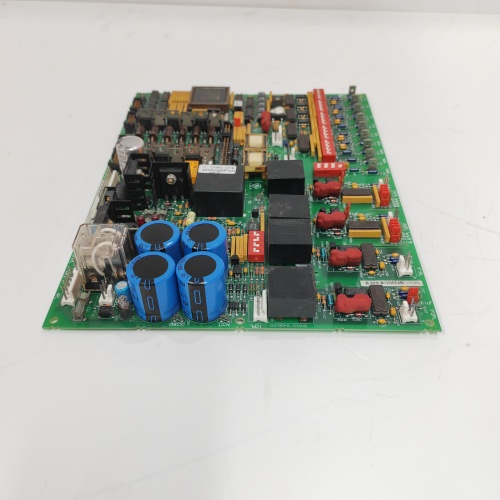
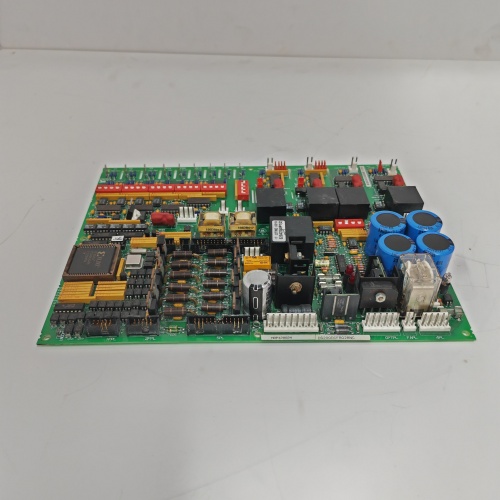
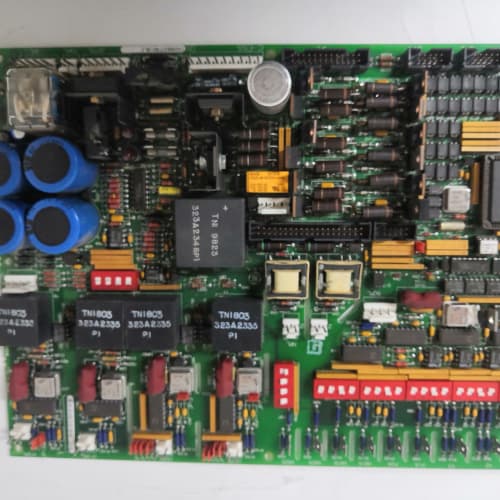
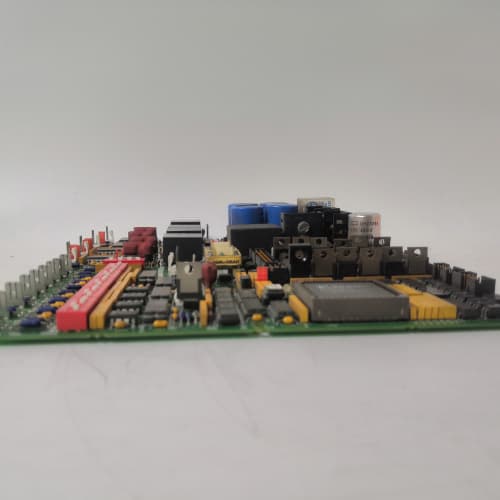
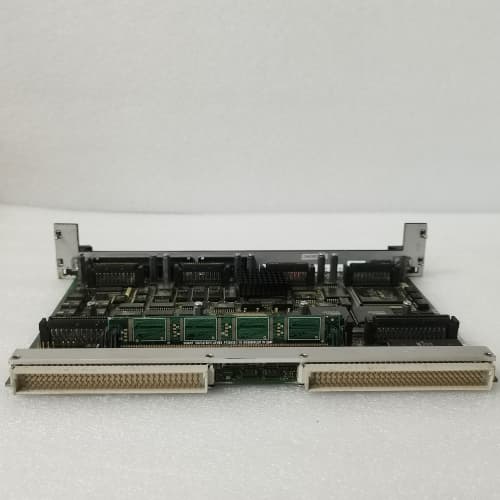
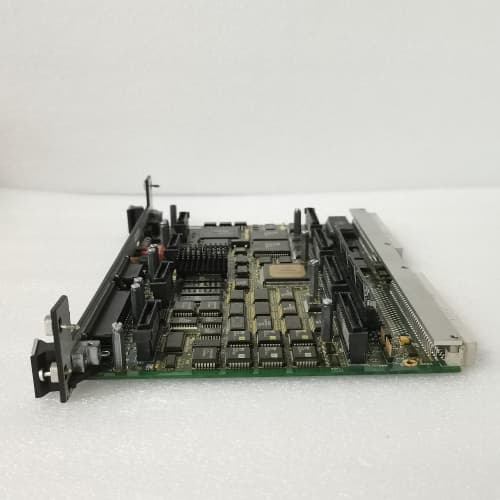
The DS200FCRLG1AFC is a fiber optic communication receiver/link board within the General Electric Mark V Speedtronic turbine control system. This model represents the AFC revision of the fiber optic receiver board series, incorporating the longest distance capability, highest-performance optical receivers, most advanced diagnostics with waveform analysis, and upgraded component reliability compared to earlier versions such as DS200FCRLG1 and DS200FCRLG1A. The DS200FCRLG1AFC is specifically designed to receive and process optical signals from fiber optic communication links, converting them back to electrical signals for the Mark V control rack. It serves as the companion receiver board for fiber optic communication networks, typically paired with fiber optic transmitter or gateway boards such as DS200FCGDH1, DS200FCGDH1B, and DS200FCGDH1BAA. The DS200FCRLG1AFC provides reliable, noise-immune optical-to-electrical conversion for communication with remote I/O panels, other control systems, and operator interfaces. This board is essential for installations with widely distributed equipment, harsh electrical environments, or requirements for electrical isolation, commonly used in large gas turbines, steam turbines, and compressor stations where reliable, high-speed, long-distance communication is critical for system operation and monitoring.
The DS200FCRLG1A is a fiber optic communication receiver/link board within the General Electric Mark V Speedtronic turbine control system. This model represents the Revision A of the fiber optic receiver board series, incorporating enhanced optical receivers, improved diagnostic capabilities, and upgraded component reliability compared to the base version DS200FCRLG1. The DS200FCRLG1A is specifically designed to receive and process optical signals from fiber optic communication links, converting them back to electrical signals for the Mark V control rack. It serves as the companion receiver board for fiber optic communication networks, typically paired with fiber optic transmitter or gateway boards such as DS200FCGDH1, DS200FCGDH1B, and DS200FCGDH1BAA. The DS200FCRLG1A provides reliable, noise-immune optical-to-electrical conversion for communication with remote I/O panels, other control systems, and operator interfaces. This board is essential for installations with distributed equipment, harsh electrical environments, or requirements for electrical isolation, commonly used in gas turbines, steam turbines, and compressor stations where reliable, high-speed communication is critical for system operation and monitoring.
The DS200FCRLG1 is a fiber optic communication receiver/link board within the General Electric Mark V Speedtronic turbine control system. This board is specifically designed to receive and process optical signals from fiber optic communication links, converting them back to electrical signals for the Mark V control rack. The DS200FCRLG1 serves as the companion receiver board for fiber optic communication networks, typically paired with fiber optic transmitter or gateway boards such as DS200FCGDH1, DS200FCGDH1B, and DS200FCGDH1BAA. It provides reliable, noise-immune optical-to-electrical conversion for communication with remote I/O panels, other control systems, and operator interfaces. This board is essential for installations with distributed equipment, harsh electrical environments, or requirements for electrical isolation, commonly used in gas turbines, steam turbines, and compressor stations where reliable, high-speed communication is critical for system operation and monitoring.
The DS200FCGDH1BAA is a fiber optic communication gateway board within the General Electric Mark V Speedtronic turbine control system. This model represents the BAA revision of the fiber optic gateway board series, incorporating the longest distance capability, highest performance optical transceivers, most advanced diagnostics, and upgraded component reliability compared to earlier versions such as DS200FCGDH1 and DS200FCGDH1B. The DS200FCGDH1BAA is specifically designed to provide high-speed, noise-immune fiber optic communication between the Mark V control rack and external devices, including remote I/O panels, other control systems, and operator interfaces. It converts electrical signals from the VME backplane to optical signals for transmission over fiber optic cables, and vice versa. This enables extended long-distance communication (up to 5 km) without susceptibility to electromagnetic interference, making it essential for installations with widely distributed equipment, harsh electrical environments, or requirements for electrical isolation. It is commonly used in large gas turbines, steam turbines, and compressor stations where reliable, high-speed, long-distance communication is critical for system operation and monitoring.
The DS200FCGDH1B is a fiber optic communication gateway board within the General Electric Mark V Speedtronic turbine control system. This model represents the Revision B of the fiber optic gateway board series, incorporating enhanced optical transceivers, improved diagnostic capabilities, and upgraded component reliability compared to the base version DS200FCGDH1. The DS200FCGDH1B is specifically designed to provide high-speed, noise-immune fiber optic communication between the Mark V control rack and external devices, including remote I/O panels, other control systems, and operator interfaces. It converts electrical signals from the VME backplane to optical signals for transmission over fiber optic cables, and vice versa. This enables long-distance communication (up to 3 km) without susceptibility to electromagnetic interference, making it essential for installations with distributed equipment, harsh electrical environments, or requirements for electrical isolation. It is commonly used in gas turbines, steam turbines, and compressor stations where reliable, high-speed communication is critical for system operation and monitoring.
The DS200FCGDH1 is a fiber optic communication gateway board within the General Electric Mark V Speedtronic turbine control system. This board is specifically designed to provide high-speed, noise-immune fiber optic communication between the Mark V control rack and external devices, including remote I/O panels, other control systems, and operator interfaces. The DS200FCGDH1 converts electrical signals from the VME backplane to optical signals for transmission over fiber optic cables, and vice versa. This enables long-distance communication (up to 2 km) without susceptibility to electromagnetic interference, making it essential for installations with distributed equipment, harsh electrical environments, or requirements for electrical isolation. It is commonly used in gas turbines, steam turbines, and compressor stations where reliable, high-speed communication is critical for system operation and monitoring.
The DS200EXPSG1ACB is an extended power supply and power supervision board within the General Electric Mark V Speedtronic turbine control system. This model represents the ACB revision of the power supervision board series, incorporating enhanced monitoring accuracy, increased event logging capacity, advanced power quality analysis, and upgraded component reliability compared to earlier versions such as DS200EXPSG1, DS200EXPSG1A, and DS200EXPSG1ABB. The DS200EXPSG1ACB is specifically designed to provide state‑of‑the‑art power distribution, supervision, and diagnostic monitoring for the Mark V control rack. It enhances system reliability by monitoring critical power supply parameters with the highest precision, providing redundant power paths, and generating alerts for power-related anomalies. This board is commonly used in gas turbines, steam turbines, and compressor stations where power supply redundancy, supervision, and advanced diagnostics are required for system availability and maintenance planning.
The DS200EXPSG1ABB is an extended power supply and power supervision board within the General Electric Mark V Speedtronic turbine control system. This model represents the ABB revision of the power supervision board series, incorporating the highest monitoring accuracy, maximum event logging capacity, advanced power quality analysis, and upgraded component reliability compared to earlier versions such as DS200EXPSG1 and DS200EXPSG1A. The DS200EXPSG1ABB is specifically designed to provide state‑of‑the‑art power distribution, supervision, and diagnostic monitoring for the Mark V control rack. It enhances system reliability by monitoring critical power supply parameters with the highest precision, providing redundant power paths, and generating alerts for power-related anomalies. This board is commonly used in gas turbines, steam turbines, and compressor stations where power supply redundancy, supervision, and advanced diagnostics are required for system availability and maintenance planning.
The DS200EXPSG1A is an extended power supply and power supervision board within the General Electric Mark V Speedtronic turbine control system. This model represents the Revision A of the power supervision board series, incorporating enhanced monitoring accuracy, increased event logging capacity, and upgraded component reliability compared to the base version DS200EXPSG1. The DS200EXPSG1A is specifically designed to provide advanced power distribution, supervision, and diagnostic monitoring for the Mark V control rack. It enhances system reliability by monitoring critical power supply parameters, providing redundant power paths, and generating alerts for power-related anomalies. This board is commonly used in gas turbines, steam turbines, and compressor stations where power supply redundancy, supervision, and advanced diagnostics are required for system availability and maintenance planning.
The DS200EXPSG1 is an extended power supply and power supervision board within the General Electric Mark V Speedtronic turbine control system. This board is specifically designed to provide additional power distribution, supervision, and diagnostic monitoring for the Mark V control rack. The DS200EXPSG1 enhances system reliability by monitoring critical power supply parameters, providing redundant power paths, and generating alerts for power-related anomalies. It is commonly used in gas turbines, steam turbines, and compressor stations where power supply redundancy, supervision, and advanced diagnostics are required for system availability and maintenance planning.
The DS200EXDEG1AEA is an extended diagnostic and expansion board within the General Electric Mark V Speedtronic turbine control system. This model represents the AEA revision of the extended diagnostic board series, incorporating the most advanced diagnostic resolution, maximum event logging capacity, superior analog monitoring accuracy, and upgraded component reliability compared to earlier versions such as DS200EXDEG1A and DS200EXDEG1ABA. The DS200EXDEG1AEA is specifically designed to provide state‑of‑the‑art diagnostic monitoring, signal conditioning, and expansion capabilities for the Mark V control rack. It enhances system diagnostics by monitoring critical internal signals, power supply health, and communication integrity with the highest precision, while also providing additional I/O points for system expansion. This board is commonly used in gas turbines, steam turbines, and compressor stations where advanced diagnostics, predictive maintenance, and expanded monitoring are required for reliability and maintenance planning.
The DS200EXDEG1ABA is an extended diagnostic and expansion board within the General Electric Mark V Speedtronic turbine control system. This model represents the ABA revision of the extended diagnostic board series, incorporating enhanced diagnostic resolution, increased event logging capacity, improved analog monitoring accuracy, and upgraded component reliability compared to the base version DS200EXDEG1A. The DS200EXDEG1ABA is specifically designed to provide advanced diagnostic monitoring, signal conditioning, and expansion capabilities for the Mark V control rack. It enhances system diagnostics by monitoring critical internal signals, power supply health, and communication integrity, while also providing additional I/O points for system expansion. This board is commonly used in gas turbines, steam turbines, and compressor stations where advanced diagnostics, predictive maintenance, and expanded monitoring are required for reliability and maintenance planning.