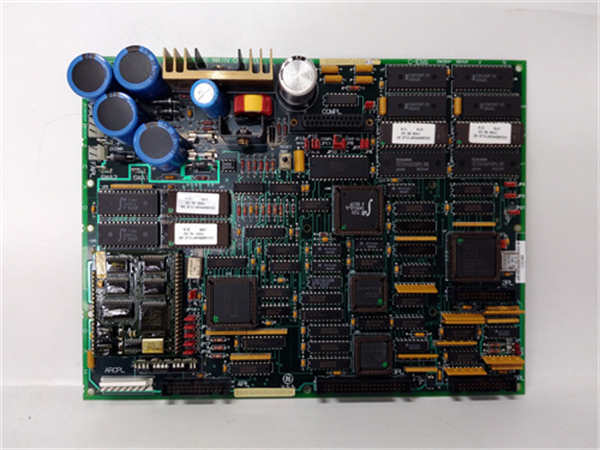
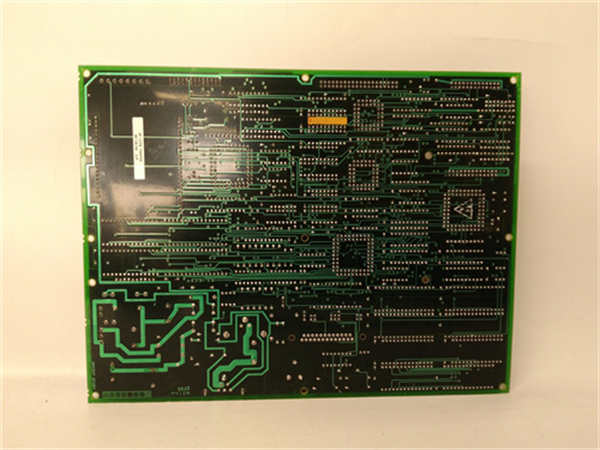
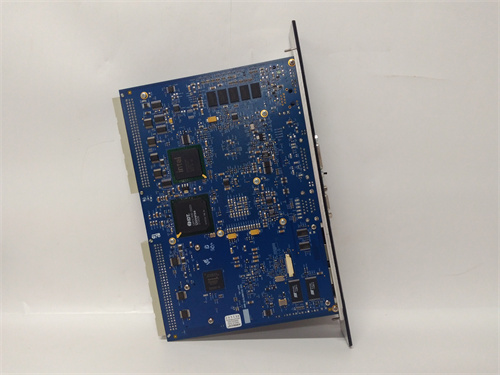
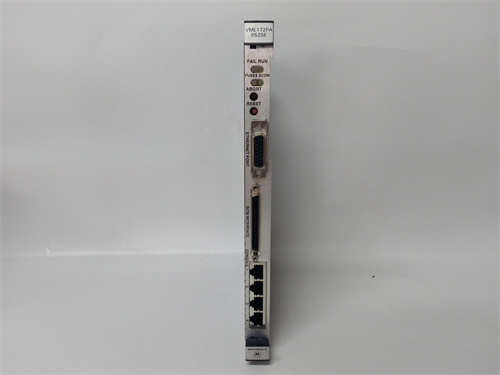
DS215DMCBG1A serves as a high-performance motor controller, designed to provide precise and reliable control over motor operations in various industrial settings.
Weight and Dimensions:
Weight: Approximately 1.5kg
Dimensions: 170mm x 90mm x 195mm
Features:
High Performance: Capable of handling high power outputs and currents, suitable for demanding industrial applications.
Vector Control: Provides smooth and efficient motor control, enhancing system performance and reliability.
Compact Design: With dimensions suitable for wall-mounting, it saves space and is easy to install.
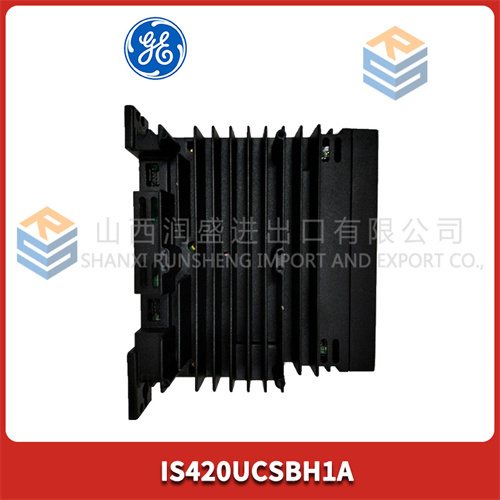
IS420UCSBH1A serves as an independent computer executing control system logic for specific applications. It does not host any application I/O and receives all input data from connected I/O networks.
Weight and Dimensions:
Weight: Approximately 120g (or 0.8KG, varying based on sources)
Dimensions: 170mm x 105mm x 32mm (or stated as 324*115mm in some listings, which may refer to a packaging or mounting dimension)
Features:
Pre-installed Software: The controller comes with dedicated software pre-installed.
Online Edits: Minor changes to the control software can be made online without restarting the system.
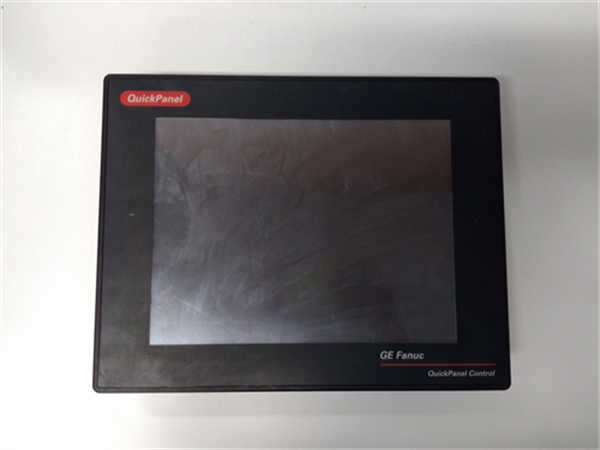
The approximate weight and dimensions of the IC754CSF12CTD are not specifically mentioned in the available information, but similar models within the series have a weight of around 3 kg and dimensions of approximately 305 x 235 x 68 mm.
Features:
High-definition display for clear and crisp visuals.
Robust functionality to meet various industrial automation needs.
Easy-to-use interface and programming software.
IP65 protection rating for enhanced durability in harsh environments.
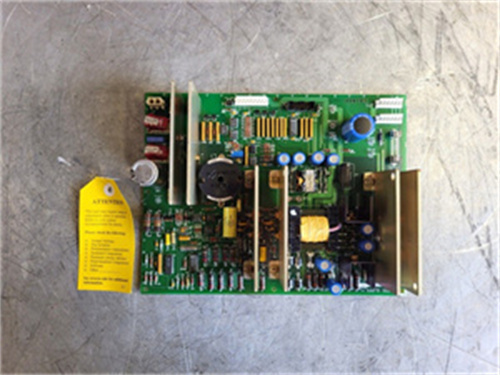
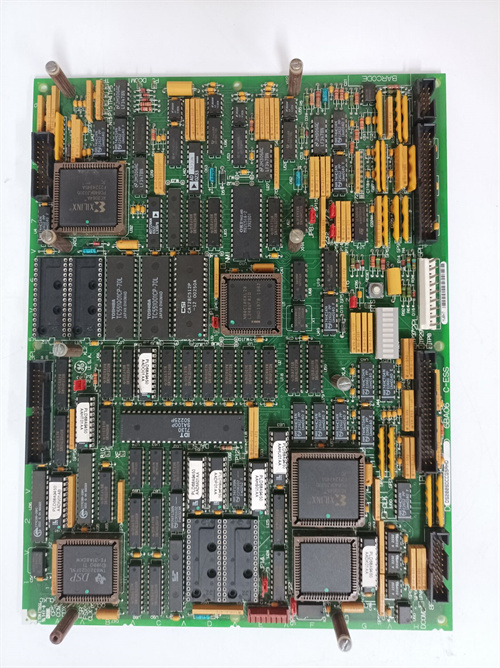
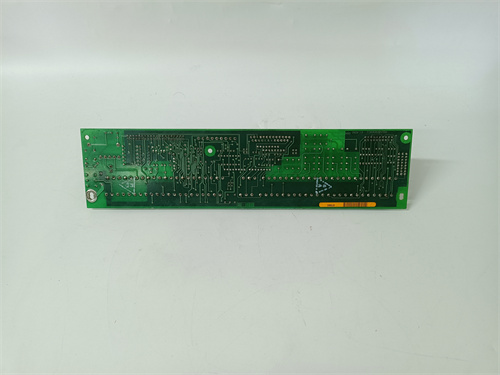
Acts as a versatile printed circuit board for various industrial applications
Facilitates data communication and processing between different devices
Weight and Dimensions:
Weight: Approximately 250g (alternative specification states about 200g or 1.2kg, but 250g is a more likely value for a circuit board of this type)
Dimensions: 150mm x 100mm x 20mm (alternative specification states 96mm x 48mm x 16mm, but 150mm x 100mm x 20mm is provided by a more detailed source)
Characteristics:
Highly versatile and can support multiple functions
Manufactured with high-quality components for reliability and stability
Provides clear documentation and user-friendly programming tools
It is designed to convert pressure changes into electrical signals, which can be further processed, displayed, or used for control purposes.
Commonly used in process control systems to monitor and regulate pressure levels.
Weight & Dimensions:
The exact weight and dimensions of the IGP10-A22E1F-M1 may not be provided here due to varying manufacturer specifications.
However, it is typically designed for compact installation and ease of use, with dimensions and weight optimized for industrial settings.
Features:
High precision and reliability.
Robust construction suitable for harsh environments.
Easy installation and maintenance.
Wide measurement range and high accuracy.
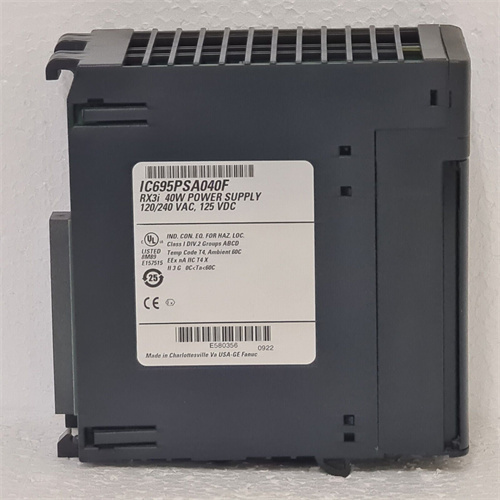
The IC695RMX128 serves as a redundant memory exchange module within the PACSystems RX3i platform, functioning as a single node in a reflective memory topology or as a dedicated memory module for redundant RX3i CPU pairs.
Characteristics:
Redundancy and Reliability: Provides memory redundancy to ensure continuous operation of industrial control systems even in the event of failures.
Reflective Memory Technology: Ensures data consistency across the system by reflecting updates from one node to all other nodes connected to the same network.
Optical Fiber Connectivity: Supports high-speed and reliable data transmission between nodes, crucial for maintaining system performance and reducing downtime.
Programmable Configuration: Allows for easy modification and updating of configurations without the need for hardware changes, ensuring flexibility and ease of maintenance
The IC698CPE030 serves as an input/output module, facilitating the exchange of data between the PLC and external devices.
Weight and Dimensions:
Weight: Approximately 0.2kg
Dimensions: 21cm in length (specific width and height not provided)
Characteristics:
High Compatibility: Designed to work seamlessly with PLC systems, ensuring smooth data flow and efficient process contro.
Compact Design: Its compact size allows for easy installation and integration into existing systems.
Reliability: Built to withstand industrial environments, ensuring long-term performance and stability.
Supports G-Talk free video calls due to the front-facing VGA camera and Android 2.3.4 OS.
Equipped with light and proximity sensors.
Offers a capacitive touchscreen with haptic feedback.
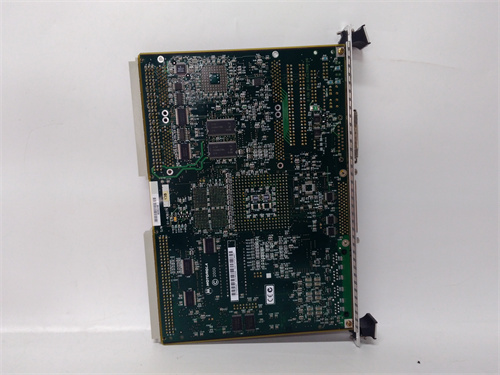
It serves as an embedded controller module, specifically designed for industrial automation and control systems.
Weight and Dimensions:
Weight: 2.3 kg
Dimensions: Approximately 26*33*37 (units not specified, possibly mm)
Characteristics:
It is a powerful processor module with a compact square shape and standard color.
It is noted for its original and non-imported status, produced in the USA.