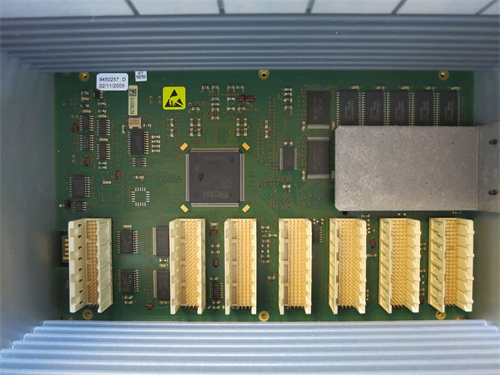
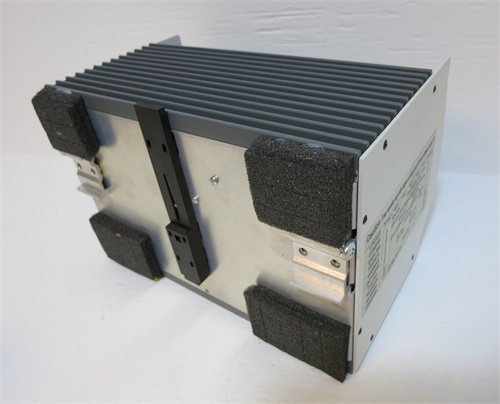
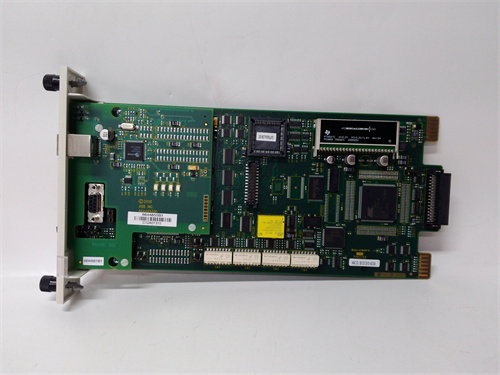
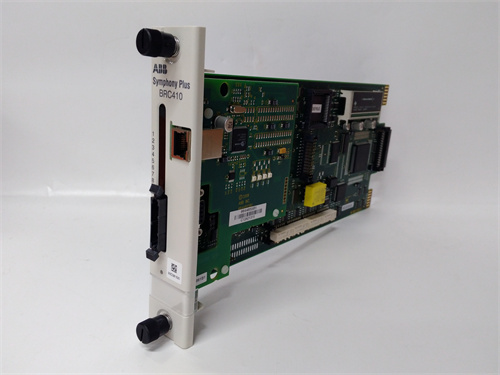
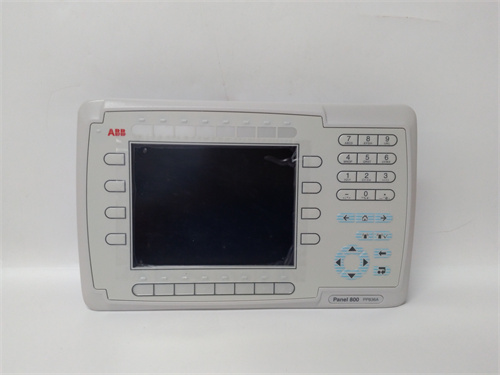
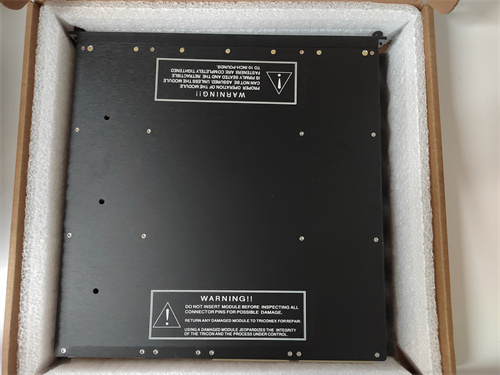
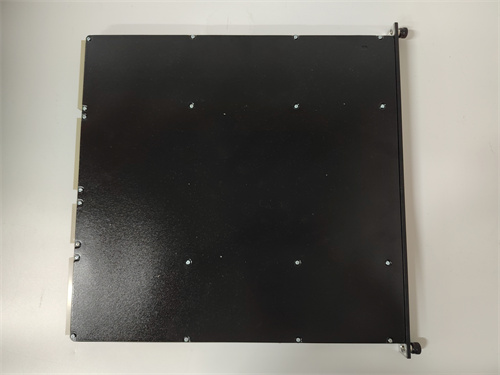
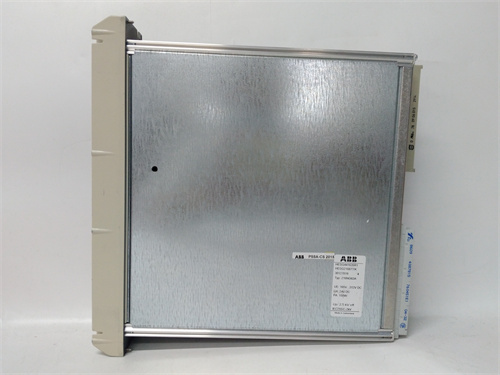
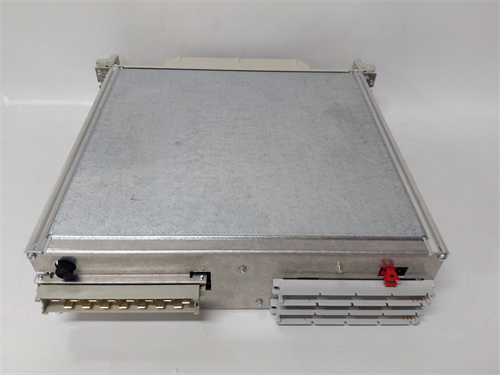
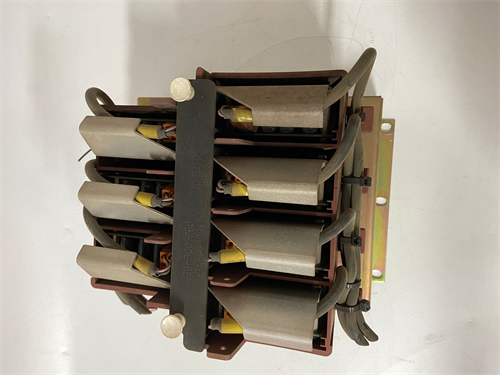
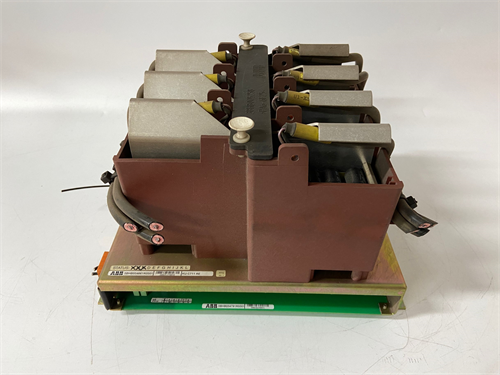
Weight: The PM783F 3BDH000364R0001 weighs approximately 1.5 kg. Its relatively light weight makes it easy to install and handle during the setup and maintenance processes.
Dimensions: It has dimensions of around 200 mm in length, 150 mm in width, and 80 mm in height. These dimensions allow it to be easily installed in standard control cabinets or on DIN rails in industrial environments.
4. Features
High – Performance Processing: The powerful CPU enables fast and accurate execution of control algorithms, ensuring real – time control of industrial processes.
Flexible I/O Configuration: The ability to support a wide range of I/O modules provides flexibility in designing control systems for different applications.
Multiple Communication Options: The support for both fieldbus and Ethernet communication allows for easy integration with other devices and systems, facilitating data exchange and remote monitoring.
User – Friendly Programming: It supports common programming languages such as ladder logic, function block diagrams, and structured text. This makes it easy for engineers and technicians to develop and modify control programs.
Weight: The TB711F 3BDH000365R0001 weighs approximately 0.7 kg. Its relatively light weight makes it easy to install and handle during the setup and maintenance processes.
Dimensions: It has compact dimensions, typically around 140 mm in length, 90 mm in width, and 40 mm in height. These dimensions allow it to be easily installed in control cabinets or on DIN rails in industrial environments.
4. Features
Compact Design: The small form factor of the TB711F makes it suitable for applications where space is limited. It can be easily integrated into existing control systems without taking up excessive space.
Flexible Configuration: The module can be configured using software tools. Users can set up the input/output functions, communication parameters, and alarm thresholds according to their specific requirements. This flexibility allows for customization in different industrial applications.
Diagnostic Functions: It is equipped with built – in diagnostic functions that can detect faults in the input/output circuits and the communication interface. The diagnostic information can be displayed on a human – machine interface (HMI) or sent to a PLC for further analysis, facilitating quick troubleshooting.
Weight: The DSQC236G YB560103 – CE weighs approximately 0.7 kg. Its relatively light weight makes it easy to install and handle during the setup and maintenance processes.
Dimensions: It has compact dimensions, typically around 140 mm in length, 90 mm in width, and 40 mm in height. These dimensions allow it to be easily installed in control cabinets or on DIN rails in industrial control panels.
4. Features
Compact Design: Its small form factor makes it suitable for applications where space is limited. It can be easily integrated into existing control systems without taking up excessive space.
Flexible Configuration: The module can be configured using software tools. Users can set up the input/output functions, communication parameters, and alarm thresholds according to their specific requirements. This flexibility allows for customization in different industrial applications.
Diagnostic Functions: It is equipped with built – in diagnostic functions that can detect faults in the input/output circuits and the communication interface. The diagnostic information can be displayed on a human – machine interface (HMI) or sent to a PLC for further analysis, facilitating quick troubleshooting.
Weight: The DSQC236T YB560103 – CD weighs approximately 0.7 kg. Its light weight makes it easy to install and handle during the setup and maintenance processes.
Dimensions: It has a compact design with dimensions of around 140 mm in length, 90 mm in width, and 40 mm in height. This compact size allows it to be easily installed in control cabinets or on DIN rails in industrial control panels.
4. Features
Compactness: Its small size makes it suitable for applications where space is limited, allowing for flexible installation in various industrial control setups.
Flexible Configuration: The module can be configured using software tools. Users can customize the input and output functions, communication parameters, and set alarm thresholds according to their specific requirements.
Diagnostic Capabilities: It has built – in diagnostic functions. These functions can detect faults in the I/O circuits and the communication interface. Diagnostic information can be displayed on an HMI (Human – Machine Interface) or sent to a PLC for further analysis, facilitating quick troubleshooting.
5. Stability and Reliability
Robust Build: It is housed in a durable enclosure that can withstand harsh industrial environments, including dust, moisture, and mechanical vibrations.
Quality Components: The use of high – quality electronic components ensures long – term reliability and stable performance. These components are selected for their ability to operate consistently under industrial conditions.
Redundancy Options (Optional): In some critical applications, optional redundancy features can be implemented. For example, redundant communication paths can be set up to ensure continuous data transfer in case of a communication failure.
Electronics Manufacturing: In an electronics manufacturing plant, the DSQC236T is used to control the pick – and – place process of electronic components on printed circuit boards (PCBs). The digital inputs receive signals from vision sensors that detect the position and orientation of the components on the PCB. Based on these signals, the digital outputs control the movement of the robotic pick – and – place head and the activation of the vacuum gripper. The diagnostic functions of the DSQC236T help to quickly identify and resolve any issues that may arise during the process, such as a misaligned component or a malfunctioning gripper, minimizing downtime and ensuring high – quality production.
Pharmaceutical Production: In a pharmaceutical production facility, the DSQC236T is used to control the filling and capping process of medicine bottles. The digital inputs monitor the level of the liquid in the filling tanks and the position of the bottles. The digital outputs control the opening and closing of the filling valves and the operation of the capping machines. The stable performance of the DSQC236T ensures accurate filling and capping, reducing product waste and maintaining high – quality standards.
1. Parameter Specifications
Power Supply: The DSQC236T YB560103 – CD operates on a 24V DC power supply. The power consumption is relatively low, around 3 – 5W, ensuring energy – efficient operation in industrial settings.
Input/Output Configuration:
Digital Inputs: It is equipped with 16 digital inputs. These inputs are designed to receive signals from various industrial sensors such as proximity sensors, limit switches, and photoelectric sensors. The input voltage range is 24V DC ±10%, which is a common standard in industrial applications.
Digital Outputs: There are 16 digital outputs. Each output can handle a maximum current of 0.5A, suitable for driving small – to medium – sized loads like indicator lights, relays, and solenoid valves.
Communication Interface: The module supports the PROFIBUS DP communication protocol. It can communicate at a rate of up to 12 Mbps, enabling fast and reliable data transfer between the module and other devices in the industrial network, such as programmable logic controllers (PLCs).
Electrical Isolation: It has electrical isolation between the input/output circuits and the communication interface. This isolation helps protect the module from electrical interference, short – circuits, and voltage spikes, enhancing its overall reliability.
Automotive Assembly Line: In an automotive assembly plant, the DSQC406 is used to control the operation of a robotic arm that installs car seats. The digital inputs receive signals from sensors that detect the position and alignment of the seats and the vehicle chassis. Based on these signals, the digital outputs control the movement and force of the robotic arm to ensure proper installation. The diagnostic functions of the DSQC406 help to quickly identify and resolve any issues that may arise during the assembly process, minimizing downtime and ensuring high – quality production.
Textile Manufacturing: In a textile factory, the DSQC406 is used to control the operation of weaving machines. The digital inputs monitor the status of the yarn supply, such as whether the yarn is running out or has broken. The digital outputs can then control the speed and operation of the weaving machines to prevent production errors. The stable performance of the DSQC406 ensures continuous and efficient operation of the textile production line.
1. Parameter Specifications
Power Supply: The DSQC406 operates on a 24V DC power supply. The power consumption is relatively low, approximately 4 – 6W, ensuring energy – efficient operation in industrial settings.
Input/Output Configuration:
Digital Inputs: It is furnished with 16 digital inputs. These inputs are designed to interface with common industrial sensors such as proximity sensors, limit switches, and magnetic sensors. The input voltage range is 24V DC ±10%, which is well – suited for standard industrial sensor outputs.
Digital Outputs: There are 16 digital outputs. Each output can handle a maximum current of 0.5A. This allows it to drive a variety of loads, including relays, solenoid valves, and indicator lights.
Communication Interface: The module supports the PROFIBUS DP communication protocol. It can communicate at a rate of up to 12 Mbps, enabling fast and reliable data transfer between the module and other devices in the industrial network, such as programmable logic controllers (PLCs).
Electrical Isolation: It features electrical isolation between the input/output circuits and the communication interface. This isolation helps protect the module from electrical interference, short – circuits, and voltage surges, enhancing its overall reliability.
Weight: The DSQC205 weighs approximately 0.7 kg. Its relatively light weight makes it easy to install and handle during the setup and maintenance processes.
Dimensions: It has compact dimensions, typically around 140 mm in length, 90 mm in width, and 40 mm in height. These dimensions allow it to be easily installed in control cabinets or on DIN rails in industrial environments.
4. Features
Compact Design: The small form factor of the DSQC205 makes it suitable for applications where space is limited. It can be easily integrated into existing control systems without taking up excessive space.
Flexible Configuration: The module can be configured using software tools. Users can set up the input/output functions, communication parameters, and alarm thresholds according to their specific requirements. This flexibility allows for customization in different industrial applications.
Diagnostic Functions: It is equipped with built – in diagnostic functions that can detect faults in the input/output circuits and the communication interface. The diagnostic information can be displayed on the human – machine interface (HMI) or sent to the programmable logic controller (PLC) for further analysis, facilitating quick troubleshooting.
5. Stability and Reliability
Robust Construction: The DSQC205 is built with a durable housing that can withstand harsh industrial environments, including dust, moisture, and mechanical vibrations.
Quality Components: It uses high – quality electronic components that are selected for their reliability and long – term performance. This helps to ensure stable operation over an extended period.
Redundancy Support: In some applications, redundancy options can be implemented to further enhance the reliability of the system. For example, redundant communication paths can be set up to ensure continuous data transfer in case of a communication failure.
Weight: The PM810V2 weighs approximately 1 kg. Its relatively light weight makes it easy to install and handle during the setup and maintenance processes.
Dimensions: It has compact dimensions, typically around 96 mm (width) x 96 mm (height) x 80 mm (depth). These dimensions allow it to be easily installed in standard electrical panels and control cabinets.
4. Features
Comprehensive Measurement: The PM810V2 can measure a wide range of electrical parameters, providing a comprehensive view of the electrical system’s performance.
High – Accuracy Measurement: With its high – accuracy measurement capabilities, it can provide reliable data for energy management, power quality analysis, and equipment monitoring.
Flexible Communication: The support for multiple communication protocols allows for easy integration with different types of control systems and data acquisition devices, enabling seamless data exchange.
User – Friendly Interface: The large LCD display and intuitive menu system make it easy for users to configure the device, view measurement data, and set up alarms.
5. Stability and Reliability
Robust Design: The PM810V2 is built with a sturdy housing that can withstand harsh industrial environments, including dust, moisture, and mechanical vibrations.
Electrical Protection: It is equipped with over – voltage, over – current, and short – circuit protection mechanisms. These protections help to prevent damage to the device from electrical faults, ensuring its long – term stability and reliability.
Quality Components: The use of high – quality electronic components in the manufacturing process contributes to the overall reliability of the PM810V2. These components are selected for their performance and durability.
Power Distribution Systems: In industrial and commercial buildings, the PM803F is used to monitor the electrical parameters of power distribution systems. It can measure the voltage, current, and power consumption of different circuits, helping to manage energy usage, detect faults, and ensure the stable operation of the power supply.
Renewable Energy Systems: In solar and wind power plants, the PM803F is used to monitor the power generation and grid – connected performance. It can measure the output power, voltage, and frequency of the renewable energy sources, and also monitor the power flow between the renewable energy system and the grid.
Industrial Automation: In manufacturing plants, the PM803F is used to monitor the electrical parameters of motors, generators, and other electrical equipment. By monitoring the power consumption and performance of these devices, it can help to optimize the production process, reduce energy waste, and prevent equipment failures.
3. Weight and Dimensions
Weight: The PM803F weighs approximately 1.2 kg. Its relatively light weight makes it easy to install and handle during the setup and maintenance processes.
Dimensions: It has compact dimensions, typically around 200 mm in length, 150 mm in width, and 80 mm in height. These dimensions allow it to be easily installed in standard control cabinets or on DIN rails in industrial environments.
4. Features
Comprehensive Measurement: The PM803F can measure a wide range of electrical parameters, providing a comprehensive view of the electrical system’s performance.
High – Accuracy Measurement: With its high – accuracy measurement capabilities, it can provide reliable data for energy management, power quality analysis, and equipment monitoring.
Flexible Communication: The support for multiple communication protocols allows for easy integration with different types of control systems and data acquisition devices, enabling seamless data exchange.
User – Friendly Interface: It usually comes with a user – friendly interface, such as a back – lit LCD display, which allows operators to easily view and configure the measured parameters.
Renewable Energy Systems: In solar and wind power plants, the DSAI145 can monitor parameters such as solar irradiance, wind speed, and battery voltage. This data is used to optimize the power generation process and ensure the stable operation of the renewable energy systems.
Building Automation: In large commercial buildings, the DSAI145 can be used to monitor environmental parameters such as temperature, humidity, and air quality in different zones. This information helps in controlling the HVAC (Heating, Ventilation, and Air – Conditioning) systems to maintain a comfortable and energy – efficient indoor environment.
3. Weight and Dimensions
Weight: The DSAI145 weighs approximately 0.7 kg. Its relatively light weight makes it easy to install and handle during the setup and maintenance processes.
Dimensions: It has compact dimensions, typically around 180 mm in length, 120 mm in width, and 60 mm in height. These dimensions allow it to be easily installed in standard control cabinets or on DIN rails in industrial settings.
4. Features
High – Density Inputs: With 16 analog input channels in a single module, the DSAI145 provides a high – density solution for applications that require monitoring multiple analog signals simultaneously.
Flexible Input Configuration: The ability to accept different types of analog input signals offers flexibility in connecting various sensors. This allows users to choose the most appropriate sensors for their specific application requirements.
Accurate Measurement: The 16 – bit resolution and high – speed sampling rate ensure accurate and real – time measurement of analog signals, providing reliable data for process control and monitoring.
Easy Integration: The support for the Modbus RTU protocol simplifies the integration of the DSAI145 into existing industrial control networks. It can communicate with other devices without the need for complex programming, reducing the development time and cost.
Environmental Monitoring: In environmental monitoring stations, the DSAI130 can be used to measure parameters such as air quality (e.g., concentration of pollutants), water quality (e.g., pH value, dissolved oxygen), and meteorological data (e.g., temperature, humidity, wind speed). This data is crucial for environmental protection and resource management.
Energy Management: In power plants and large – scale industrial facilities, the DSAI130 can monitor energy – related parameters, such as voltage, current, and power consumption. This information helps in optimizing energy usage, reducing waste, and improving the overall energy efficiency of the facility.
3. Weight and Dimensions
Weight: The DSAI130 weighs approximately 0.6 kg. Its relatively light weight makes it easy to install and handle during the setup and maintenance processes.
Dimensions: It has compact dimensions, typically around 150 mm in length, 100 mm in width, and 50 mm in height. These dimensions allow it to be easily installed in control cabinets or on DIN rails in industrial environments.
4. Features
High – Precision Measurement: With its 16 – bit resolution, the DSAI130 can provide highly accurate analog signal measurement. This is essential for applications that require precise monitoring of physical parameters, such as in the pharmaceutical and food industries.
Flexible Input Configuration: The ability to accept different types of analog input signals (voltage and current) provides flexibility in connecting various sensors. This allows users to choose the most suitable sensors for their specific applications.
Easy Integration: The support for the Modbus RTU protocol simplifies the integration of the DSAI130 into existing industrial control networks. It can communicate with other devices without the need for complex programming, reducing the development time and cost.
Weight: The DSQC639 weighs approximately 0.8 kg. Its relatively light weight makes it easy to install and handle during the setup and maintenance processes.
Dimensions: It has compact dimensions, typically around 150 mm in length, 100 mm in width, and 50 mm in height. These dimensions allow it to be easily installed in control cabinets or on DIN rails in industrial environments.
4. Features
Compact Design: The small form factor of the DSQC639 makes it suitable for applications where space is limited. It can be easily integrated into existing control systems without taking up excessive space.
Flexible Configuration: The module can be configured using software tools. Users can set up the input/output functions, communication parameters, and alarm thresholds according to their specific requirements. This flexibility allows for customization in different industrial applications.
Diagnostic Functions: It is equipped with built – in diagnostic functions that can detect faults in the input/output circuits and the communication interface. The diagnostic information can be displayed on the HMI or sent to the PLC for further analysis, facilitating quick troubleshooting.