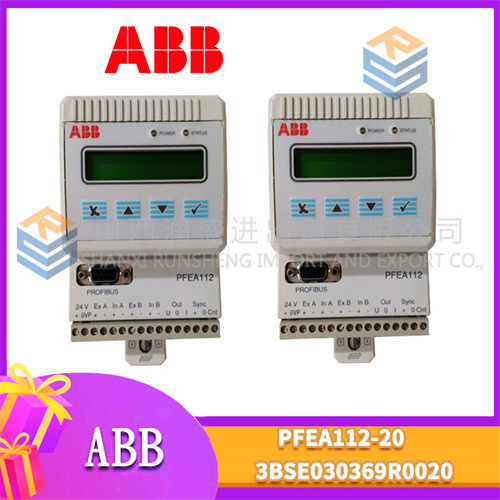
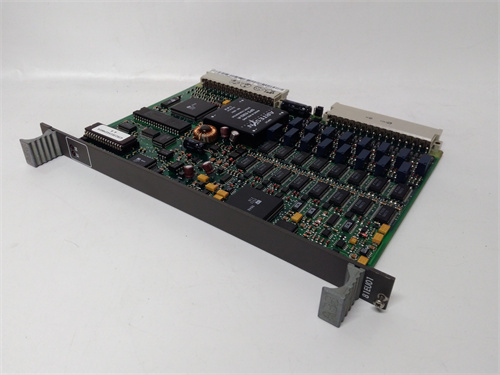
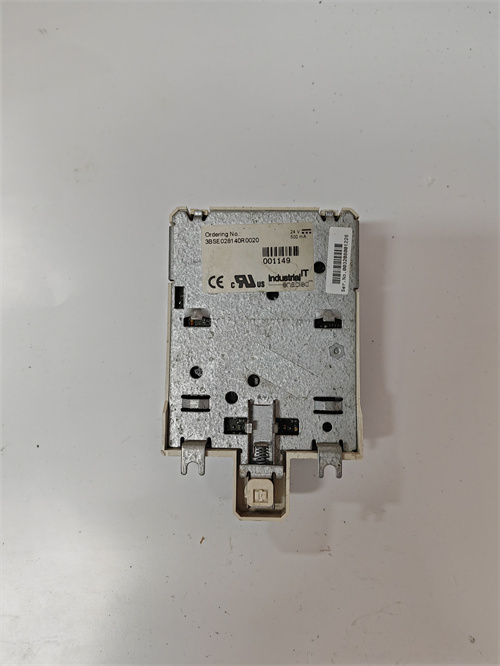
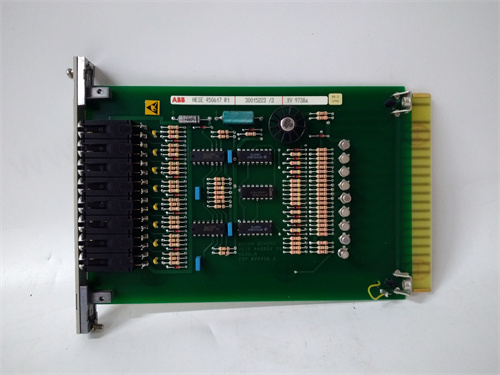
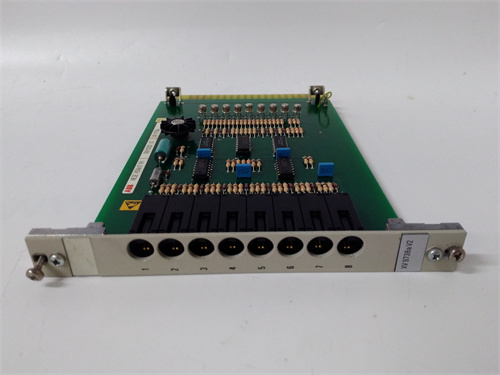
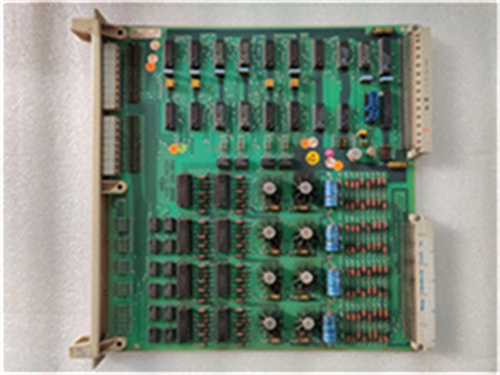
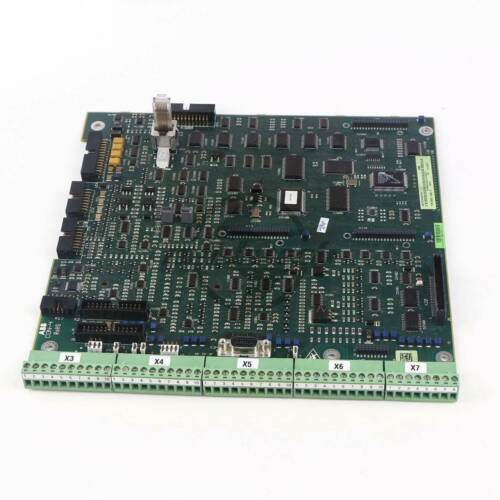
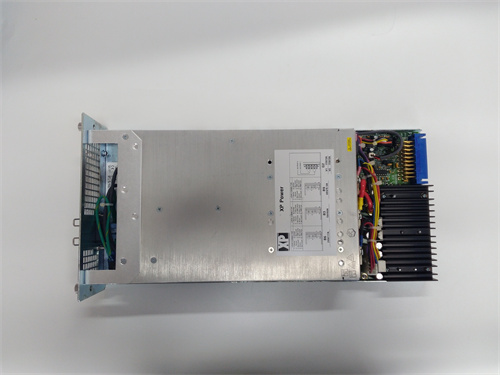
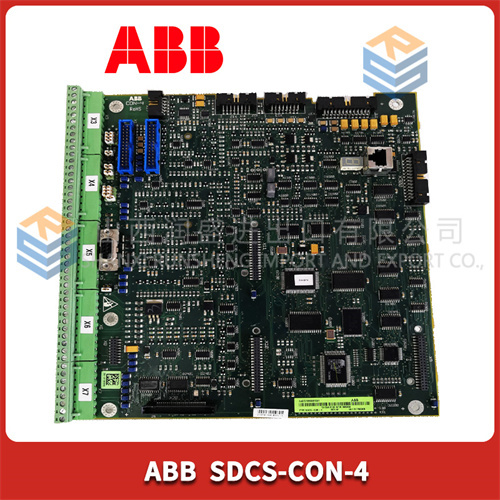
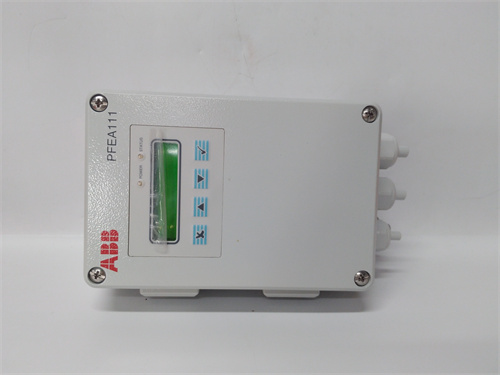
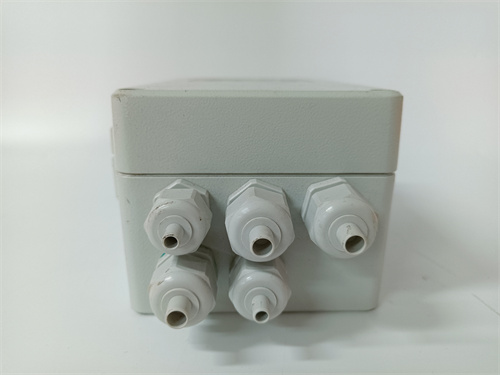
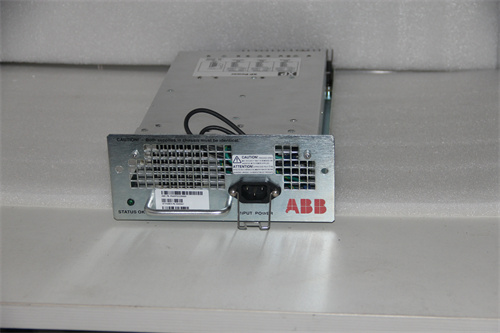
Purpose: ABB PFEA112-20 is a tension controller, mainly used to monitor and control tension, to ensure the stability and consistency of materials during processing.
Power supply voltage: 24V DC.
Control accuracy: ±0.1%.
Operating temperature: -10℃~+50℃.
Application: Widely used in the production and processing of paper, film, metal foil, fiber, wire and cable materials to prevent problems caused by insufficient or excessive tension.
Environmental data: Operating conditions 0 to +55°C (storage -40 to +70°C), protection class IP20, compliance with G3 corrosion protection, compliance with EMC Directive 2004/108/EC, passing EN 61000-6-4 and EN 61000-6-2 EMC tests, Comply with UL508, IEC/EN 61131-2 electrical safety standards, suitable for UL/CSA 60079-15 hazard classification sites.
Rated Voltage: For the inverter, the rated voltage mainly includes single-phase 220~240V and three-phase 220V or 380~460V. In China, the rated voltage of low-voltage inverters is mostly three-phase 380V13.
Rated Frequency: Typically set to 50Hz or 60Hz, with 50Hz being the standard in China13.
Output Voltage: The rated output voltage is defined as the maximum value in the output voltage range since it varies with frequency. It is often equal to the rated input voltage1.
Output Current: The rated output current refers to the maximum current that can be output continuously, which is the main basis for users to choose an inverter3.
Output Capacity: The rated output capacity is determined by the product of the rated output voltage and the rated output current3.