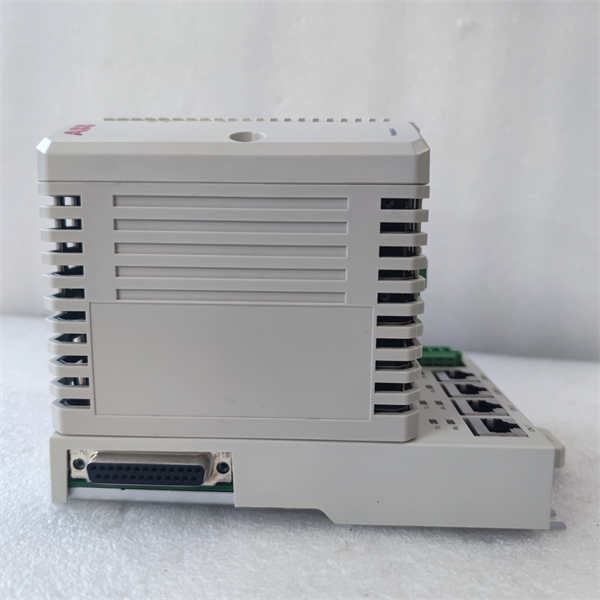
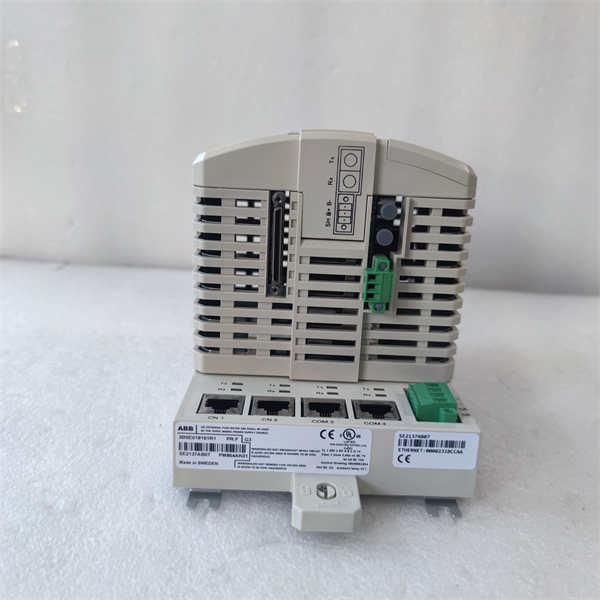
Input voltage range: 12-48VDC (in some descriptions)
Output voltage range: 5VDC (in some descriptions)
Output current: up to 10A (in some descriptions)
Efficiency: greater than 90% (in some descriptions)
Operating temperature:
-20°C to +50°C (in some descriptions)
26 ° C (in another description)
Storage temperature: -40°C to +70°C (in some descriptions)
Ambient humidity:
60% (in one description)
5% to 95% relative humidity (no condensation) (in another description)
specification
Brand: ABB
Model: GJR5252300R3101 07AC91F
Type: Analog input/output module
Size and weight
Size:
1200mm (in one description, may refer to the overall mounting size or packaging size of the module)
170mm x 105mm x 32mm (in another description, more likely the actual size of the module)
Up to 100 m (330 ft) in level applications
Up to 150 m (500 ft) in positioning applications
Accuracy: up to 25mm/1 “(accuracy may vary depending on model and application scenario)
Resolution: High, but the specific value is not explicitly given in the search results
Input voltage: 100-277VAC
Rated current: 350mA
Operating temperature: -40℃ to +85℃
Protection level: IP67
specification
Size: 109mm x 53mm x 32mm (may vary by model and version)
Weight: Approx. 0.2kg (may vary by model and configuration)
Material: Aluminum alloy housing provides a strong and durable structure
Input voltage range: 12-48VDC (some information indicates)
Output voltage range: 5VDC (some information indicates)
Output current: up to 10A (some information indicates)
Efficiency: greater than 90% (some information indicates)
specification
Brand: ABB
Model: 3BDH000741R1
Material: Aluminum alloy
Software support: NI-DAQmx driver and LabVIEW programming environment
dimension
Size: There are two different size information:
10cm x 10cm x 10cm
170mm x 105mm x 32mm
0.5 kg
About 120g
Dimensions: Front panel width x height x depth 285 x 177 x 6 mm, mounting depth 56 mm (156 mm including clearance).
Weight: Approx. 2KG (weight may vary depending on configuration and accessories).
series
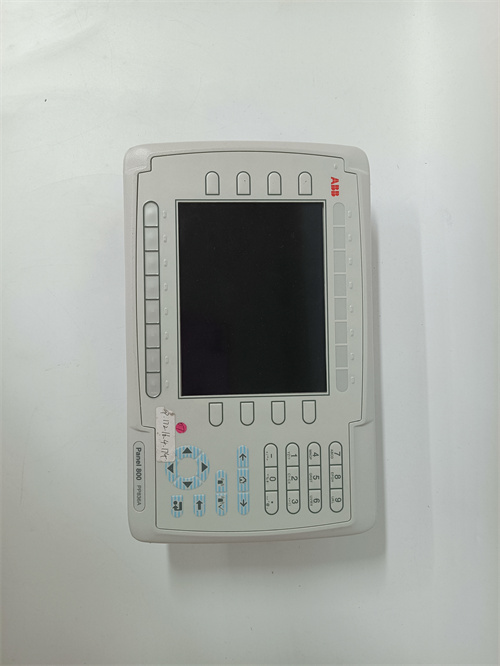
The PP836A is part of ABB’s P800 family of touchscreen operating panel controllers.
trait
Rugged: Designed for demanding industrial environments and able to withstand harsh environmental conditions.
High resolution display: 8-inch TFT color touch screen provides clear and bright display effect.
Multiple communication interfaces: Support serial port, USB interface, Ethernet interface and other communication methods, easy to communicate and interact with other devices or systems.
Flexible input and output: provides a variety of input and output modes to achieve flexible connection and control with external devices.
High protection rating: IP65 (when properly installed on the switchboard) or IP66 (front panel seals).
Product type: Piezomagnetic tension sensor
Application environment: Usually used in conventional metal processing lines, and not specifically designed for use in environments with emulsifiers
Rated voltage: +24V/2A (one way to say it) or compatible with 90-305VAC input voltage range
Output power: 60W, 80W, 100W, 120W, 150W, 180W, 200W and other 7 power segments
Output voltage range: 15-428V
Rated output current: 10A, instant current 30A
specification
Range: 0.5KN (kN)
Accuracy: Calibrated at delivery to ensure accuracy
Function: Driver module, designed for industrial automation control system
Voltage: Variable voltage range depending on model and configuration
Current: Variable current range depending on model and configuration. It is mentioned that the current is 100-400A, but please note that this may be the value for specific configurations.
Efficiency: High efficiency, can reduce energy consumption
Protection function: over current protection, over voltage protection, short circuit protection, etc
Working mode: Forced air cooling or cooled water cooling (depending on model)
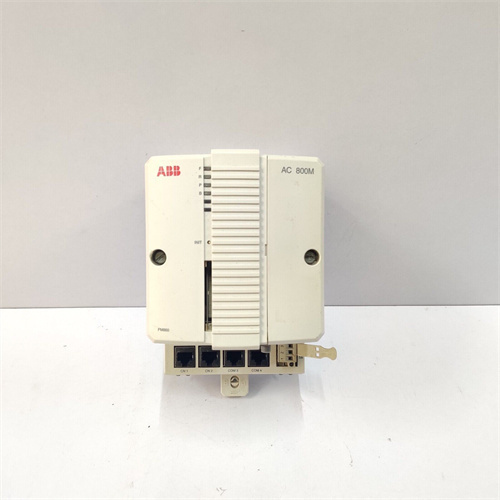
Voltage: Depending on some search results, the operating voltage of the PM864 may be 24V (for some modules or devices), but please note that for the controller itself, the specific operating voltage may vary by model and configuration. In addition, it is also mentioned that the working voltage is 220V.
Current: Some modules or devices associated with the PM864 may have a current specification of 100-400A.
Memory: The PM864 is equipped with sufficient memory capacity to store control programs, data, and history, which may vary by model and configuration.
Communication interface: Supports a variety of communication interfaces and buses, such as Ethernet, PROFIBUS DP, etc., and has built-in redundant Ethernet communication ports.
Size and weight
Dimensions: External dimensions may vary depending on the specific model or module. It has been mentioned that the dimensions of some modules are 132mm105mm52mm,

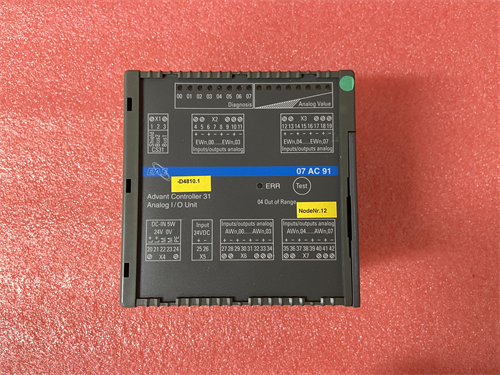
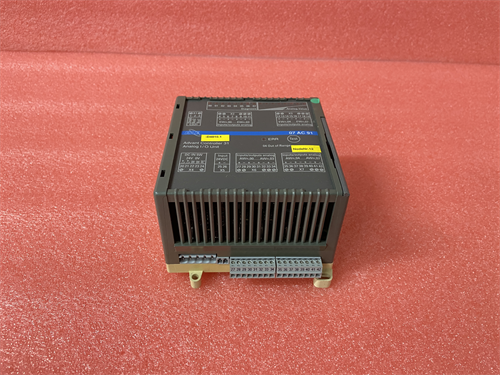


-2.jpg)