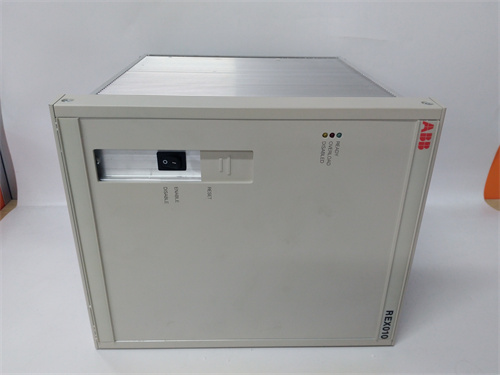
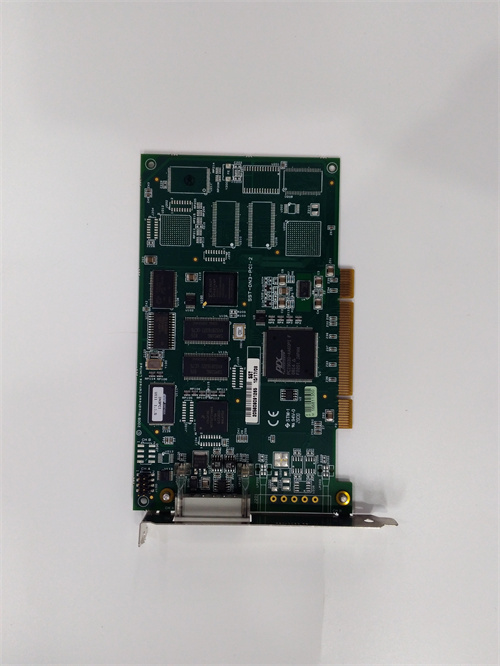
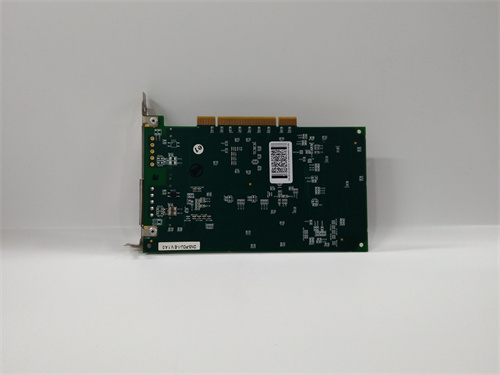
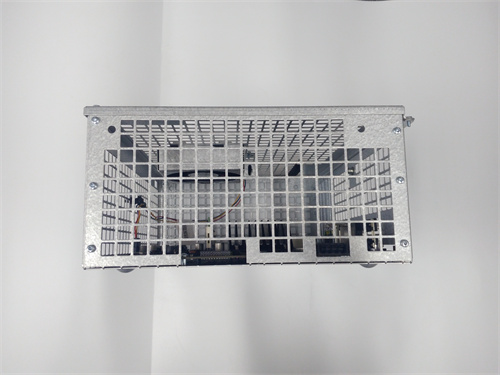
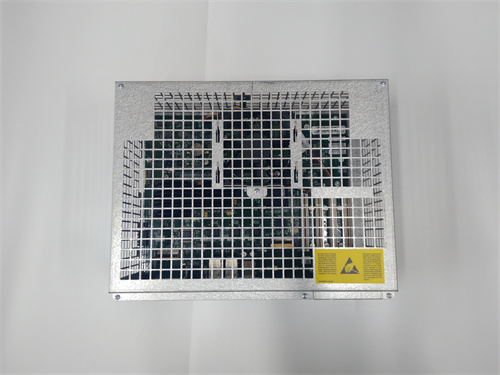
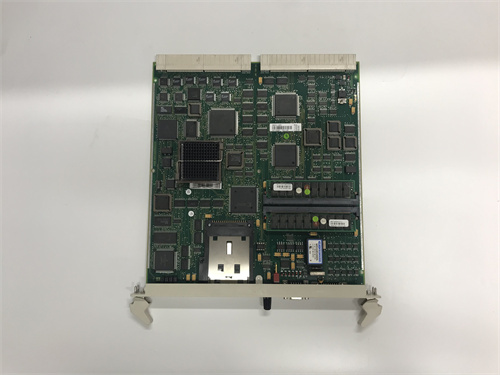
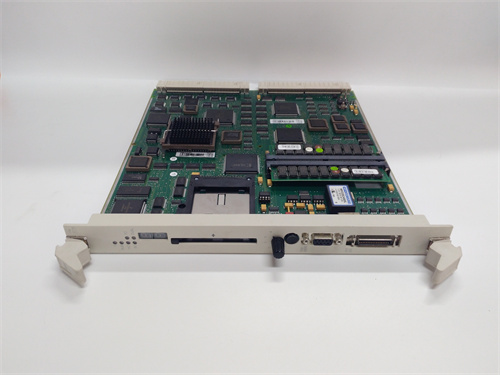
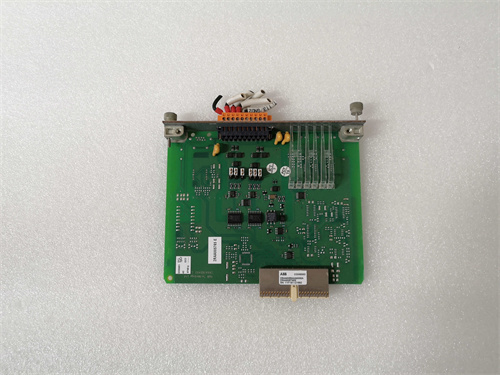
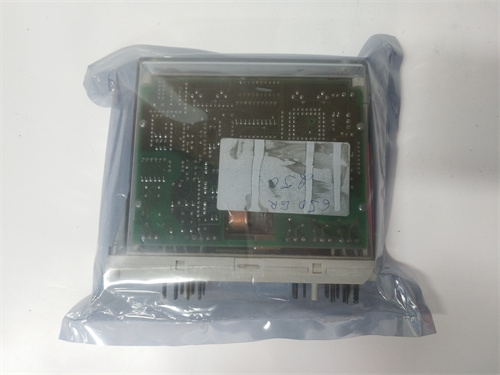
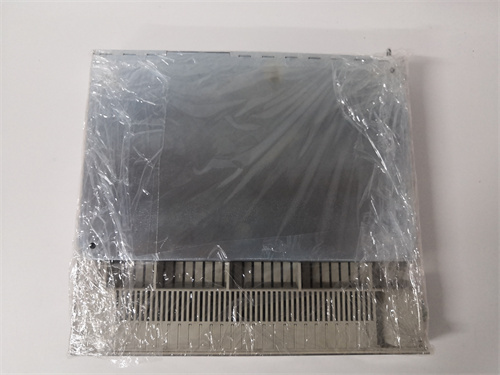
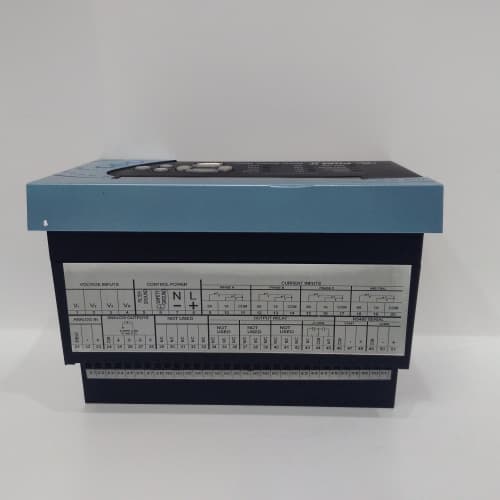
The ABB REX521GHHPSH07G is a sophisticated numerical protection relay from ABB’s renowned REX521 series, designed for feeder protection, motor protection, and control applications in medium voltage and low voltage power distribution systems. This unit combines advanced protection functions, measurement capabilities, and control logic within a compact, panel-mounted enclosure. As a member of the ABB REX521 product family, the ABB REX521GHHPSH07G offers programmable logic, extensive communication options, and user-friendly local interface, making it a versatile solution for industrial and utility power networks. It is recognized as a reliable OEM component for safeguarding critical electrical infrastructure and enabling intelligent substation automation.
The ABB DSQC 266G is a high-performance I/O (Input/Output) communication board designed for use with ABB’s IRC5 and earlier S4C+ robot controller platforms. This board serves as the primary interface between the robot controller and external field devices, providing isolated digital inputs and outputs for applications such as gripper control, conveyor tracking, safety interlocks, and peripheral equipment coordination. As an integral component within the ABB robotics ecosystem, the ABB DSQC 266G enables seamless integration of the robot into automated production cells, offering reliable signal processing and robust electrical isolation. It is recognized as a standard OEM replacement part for maintaining and upgrading ABB robotic systems in manufacturing environments.
The ABB BDPS-11C 3AXD50000000051 is a dedicated power supply module designed for use within ABB’s ACS800 and ACS880 series drives, as well as related DC drive platforms. This board functions as the auxiliary power source, converting incoming AC or DC voltage into the low-voltage DC supplies required to operate control boards, I/O interfaces, and communication adapters. As a critical component in ABB’s drive ecosystem, the ABB BDPS-11C 3AXD50000000051 ensures stable and isolated power delivery, enabling reliable drive operation in demanding industrial applications. It is recognized as a genuine OEM replacement part, essential for maintaining system uptime in legacy and current ABB drive installations.
The ABB SDCS-POW-1 is a critical power supply module originally designed as part of the ABB DCS (Distributed Control System) 500 series. This board serves as the primary power conversion unit, typically used to supply the necessary DC voltages for processor units, communication interfaces, and I/O modules within a control cabinet. As a dedicated component within the ABB Drives and DCS ecosystem, the ABB SDCS-POW-1 ensures that the system receives stable, filtered power to maintain operational integrity in industrial environments. It is recognized for its robust construction and is a standard replacement part for maintaining legacy ABB automation systems.
The ABB COM0034 2RCA023019A0004C is a communication interface module belonging to ABB’s AC500 series, a flexible and scalable PLC platform widely used in mid-range to high-end industrial automation applications. This specific unit, ABB COM0034 2RCA023019A0004C, is designed to provide multiple communication interfaces, enabling integration with various fieldbus networks, SCADA systems, and enterprise-level information systems.
Engineered with ABB’s commitment to open standards and interoperability, the ABB COM0034 2RCA023019A0004C supports a wide range of industrial communication protocols, including PROFIBUS DP, Modbus RTU, Modbus TCP/IP, and CANopen. The module features a compact form factor that mounts directly onto the AC500 CPU or expansion rack, providing a dedicated communication pathway that offloads network processing from the main processor.
For system integrators and end users requiring flexible connectivity between ABB controllers and diverse field devices—such as drives, HMIs, remote I/O, and sensors—the ABB COM0034 2RCA023019A0004C represents a versatile and reliable solution that simplifies system architecture while ensuring robust data exchange.
The ABB HAC319AEV1 is a communication interface module belonging to ABB’s extensive portfolio of control system components. This specific unit, ABB HAC319AEV1, is engineered to provide robust connectivity between ABB’s high-performance controllers and various industrial communication networks. As part of the AC 800M and System 800xA ecosystem, the ABB HAC319AEV1 enables integration with fieldbus protocols such as PROFIBUS, Modbus, and other industry-standard communication frameworks.
Designed with ABB’s commitment to reliability and interoperability, the ABB HAC319AEV1 incorporates advanced signal processing, galvanic isolation, and comprehensive diagnostic capabilities to ensure robust communication in electrically noisy industrial environments. The module is typically mounted in the S800 I/O rack or directly connected to the AC 800M controller backplane, providing a dedicated communication pathway that offloads network processing from the main CPU.
For facilities requiring integration between ABB control systems and third-party equipment—such as variable frequency drives, remote I/O panels, HMIs, or SCADA systems—the ABB HAC319AEV1 represents a proven, field-tested solution for reliable data exchange.
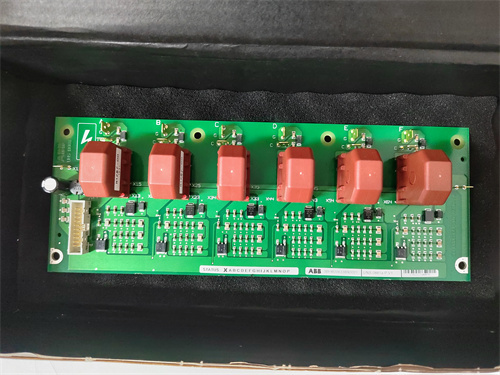
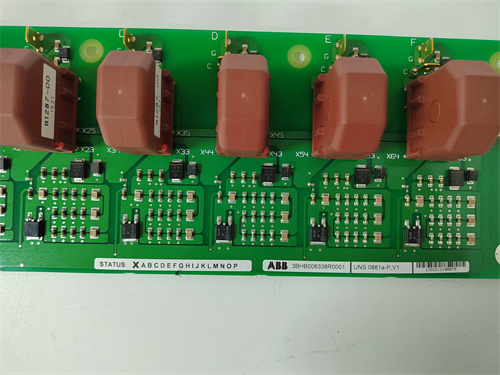
The ABB UNS0884A-V1 3BHE004385R0001 is a high-efficiency power supply module that belongs to ABB’s advanced control system infrastructure. This specific unit, ABB UNS0884A-V1 3BHE004385R0001, is engineered to deliver precise, filtered DC power to the AC 800PEC controller and associated I/O modules, which are widely used in high-performance applications such as drive control, power conversion, and complex motion control systems.
Designed with ABB’s commitment to reliability and industrial durability, the ABB UNS0884A-V1 3BHE004385R0001 incorporates extensive input filtering, overvoltage protection, and thermal management features to ensure continuous operation even in electrically noisy environments. The module is part of ABB’s PEC (Programmable Electronic Controller) family, which is known for its exceptional computational power and real-time performance in applications requiring sub-millisecond response times.
For facilities utilizing ABB’s high-performance control platforms—particularly in drive systems, renewable energy applications, and advanced manufacturing—the ABB UNS0884A-V1 3BHE004385R0001 serves as an indispensable component that ensures system stability and protects sensitive electronics from power anomalies.
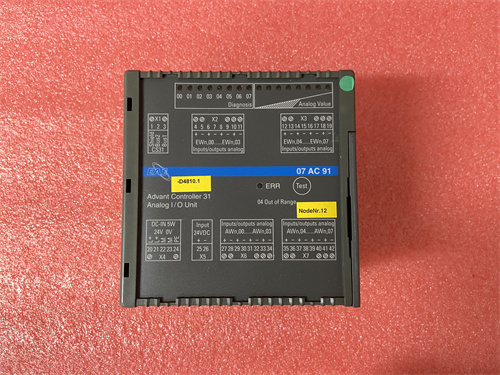
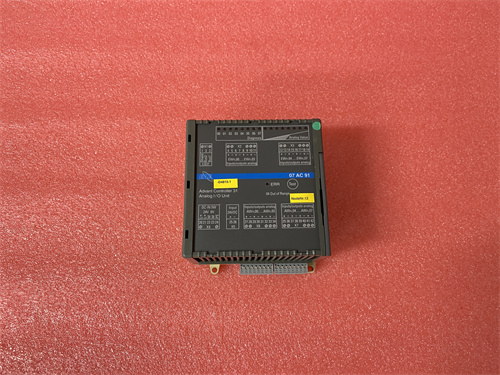
The ABB GJR5252300R3101 07AC91F is a Digital Input/Output module that represents ABB’s commitment to high-density, reliable automation. It is part of the S800 I/O family, known for its modularity and robustness. This specific variant, ABB GJR5252300R3101 07AC91F, is characterized by its ability to handle complex logic operations while maintaining isolation between channels to protect the controller from field-side surges. For critical applications requiring high availability, the ABB GJR5252300R3101 07AC91F supports hot-swapping, allowing for replacement without system shutdown.
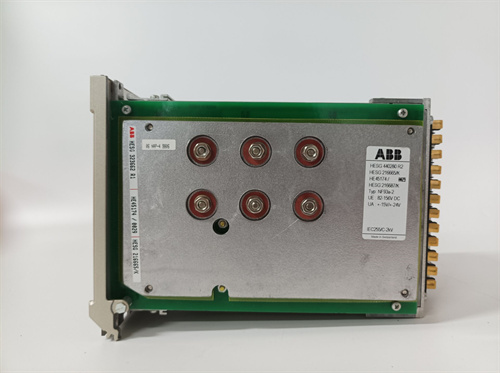
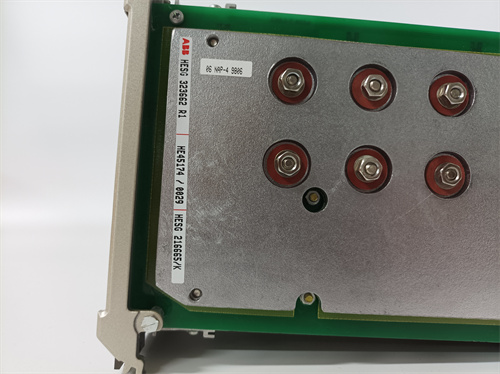
The [ABB NF93A-2 HESG440280R2 HESG323662R1/HESG216665/K](Insert Link Here) is a Power Supply and Control Interface Module designed for ABB‘s legacy industrial automation and drive systems, particularly within the ABB Procontrol, S100, or Advant OCS platforms. This module serves as a critical component for power distribution, signal conditioning, and control interfacing in heavy industrial applications. The ABB NF93A-2 HESG440280R2 HESG323662R1/HESG216665/K represents a multi-functional assembly that integrates power conversion with control logic interfacing, reflecting ABB’s robust engineering for demanding environments such as power generation, marine propulsion, and heavy industrial processing.
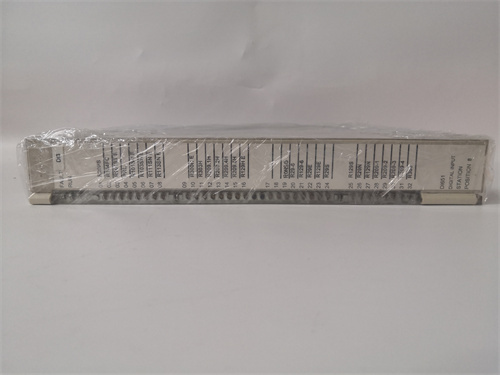
The [ABB DI610](Insert Link Here) is a Digital Input Module designed for the ABB AC500 and AC500-eCo series programmable logic controller (PLC) platforms. This module provides reliable interfacing between field devices and the control system, accepting discrete input signals from sensors, switches, and pushbuttons. The ABB DI610 is engineered for high-density digital input applications, offering robust electrical isolation and diagnostic capabilities that make it suitable for a wide range of industrial automation environments, from discrete manufacturing to process control.
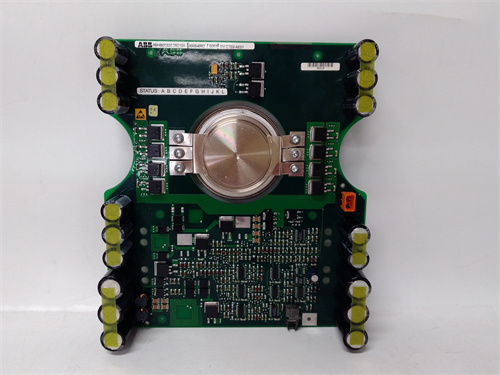
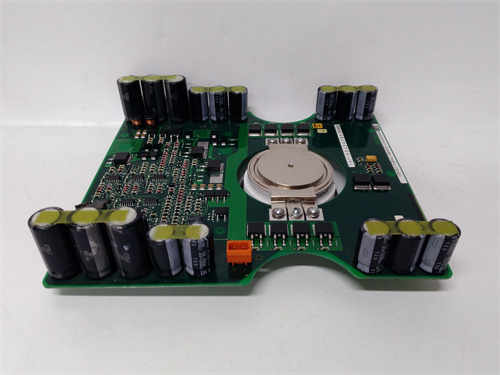
The [ABB 5SHX08F4502](Insert Link Here) is a High-Power IGCT (Integrated Gate-Commutated Thyristor) Module manufactured by ABB as part of their semiconductor power control portfolio. This component is a critical element within ABB‘s medium-voltage drives, including the ACS6000, ACS5000, and other high-performance variable frequency drive (VFD) systems. The ABB 5SHX08F4502 is designed for high-power switching applications, providing exceptional efficiency and reliability in demanding industrial environments such as mining, marine propulsion, and large-scale pumping stations.
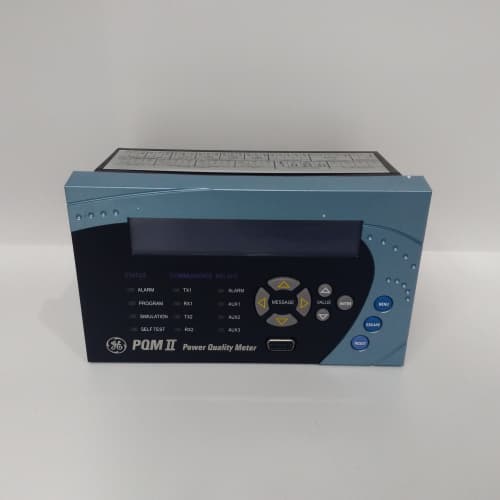
The GE PQMII-T20 is a sophisticated power quality meter and digital indicator designed for industrial and commercial electrical power distribution systems. This multifunctional device provides comprehensive measurement, monitoring, and display of electrical parameters, enabling operators to maintain power quality, optimize energy usage, and troubleshoot electrical disturbances. As part of GE’s Power Management product line, the GE PQMII-T20 delivers accurate power monitoring and analysis capabilities essential for modern electrical infrastructure.