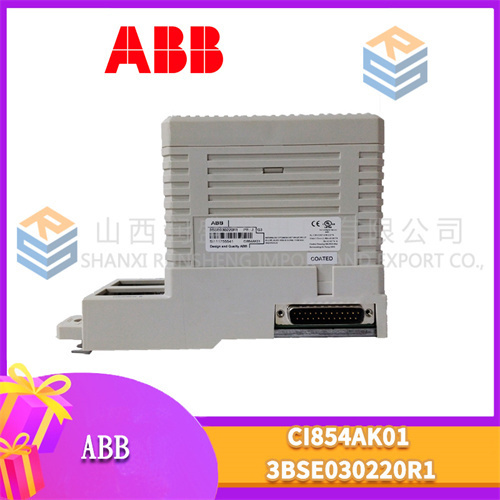
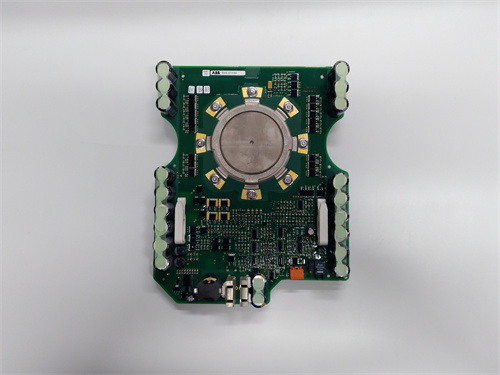
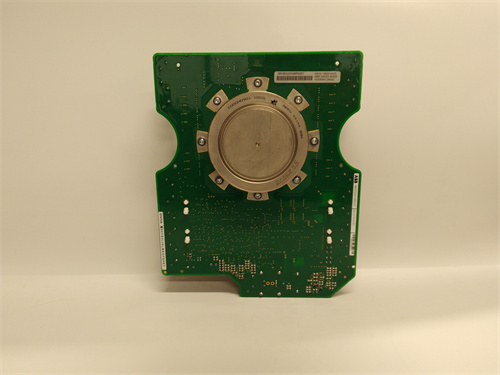
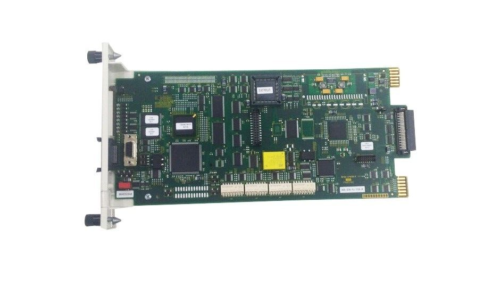
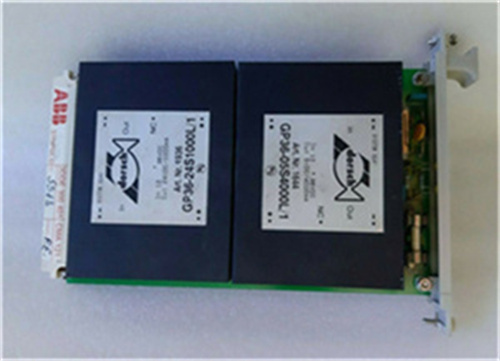
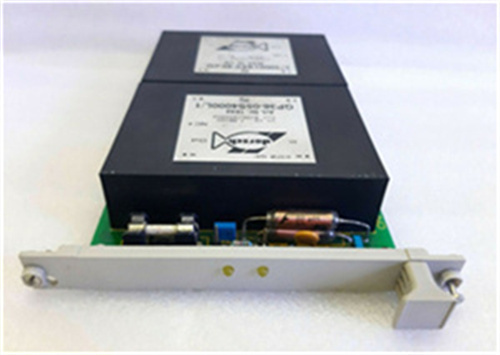
The ABB CI840A SCR is a high-performance control module designed specifically for industrial applications. It provides advanced control and monitoring capabilities, allowing for precise and reliable operation.
Product parameters :* * * *
– Input voltage :24vdc
– Maximum load current :10a
– Communication interface :Modbus TCP
– Operating temperature :-40 ° C to 70 ° C
– Size :120mm × 75mm × 59mm
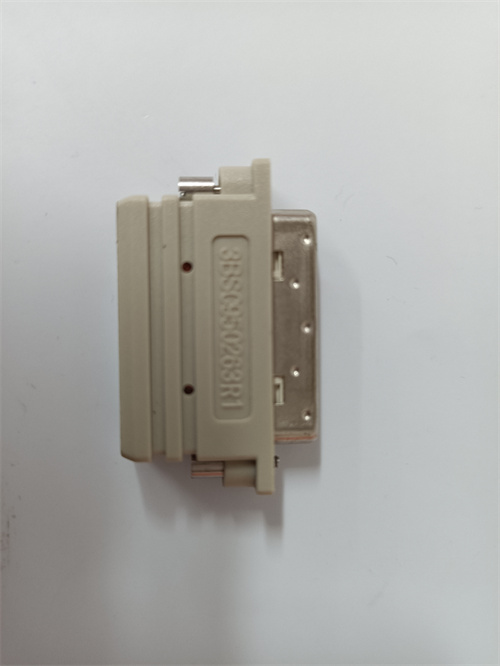
The ABB TB852 3BSC950263R1 controller is a high-performance industrial controller designed for a wide range of automation applications. It provides advanced functionality and reliability for effective control and monitoring of industrial processes.
– ** Product parameters :**
– Power supply mode :24vdc
– Communication port: Ethernet or RS485
– Memory capacity :8mb
– Processor speed :1ghz
– Model :5SHX1060H0003
– Type: Frame
– Manufacturer :ABB
– Compatibility: Compatible with various systems and Settings
– Material: High quality material, durable
– Size: Standard size for easy installation
– Voltage range :600V
– Rated current :10A
– Gate trigger voltage :1.3V
– Hold current :20mA
– Maximum surge current :250A
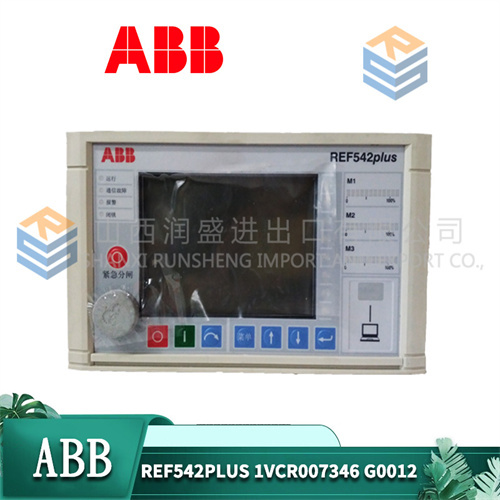
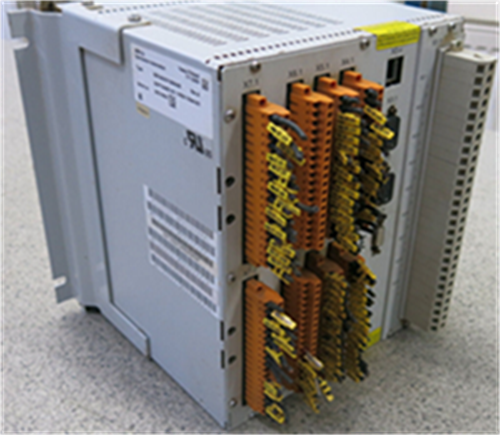
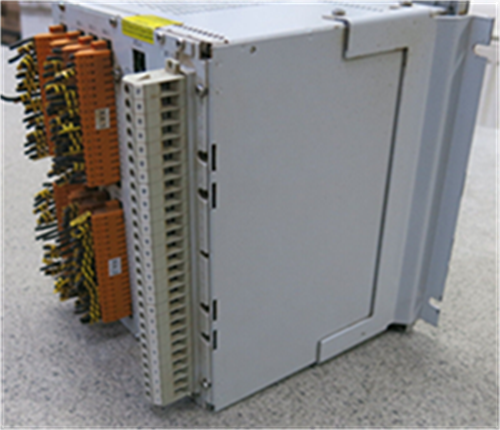
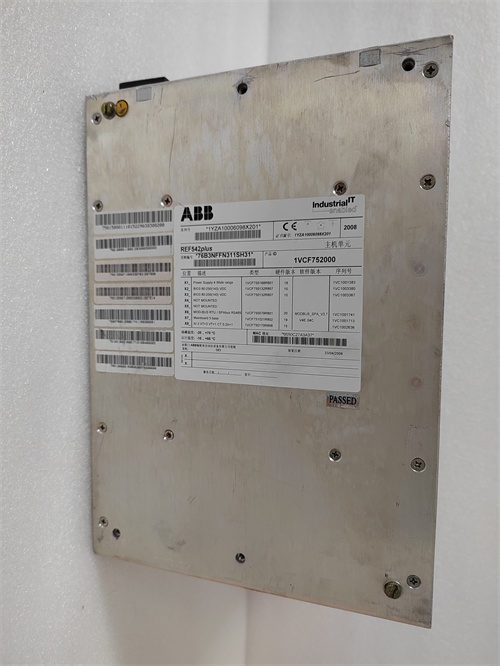
The parameters of ABB’s REF542plus feeder protection and measurement and control unit are as follows:
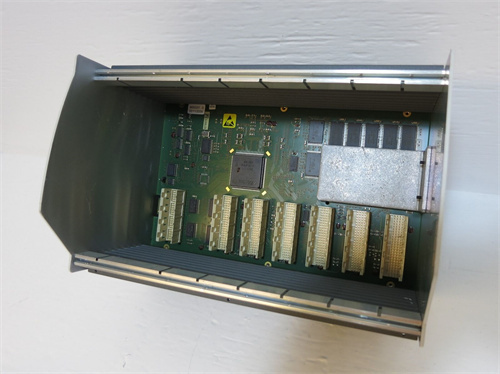
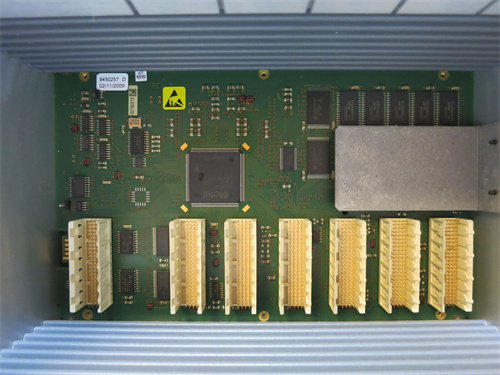
Power supply: The host includes power supply board, motherboard, analog and switching input and output, and some other extended function cards.
Man-machine interface: Graphical man-machine interface, support Chinese.
Communication protocols: Supports a variety of communication protocols, including IEC61850.
Certification qualification: a variety of certification qualifications, domestic and foreign years of application performance.
Additional features: Seamless integration with other ABB distribution automation products, as well as with third-party substation automation systems.
The ABB PM802F module is a versatile and reliable product designed for industrial applications. It offers advanced features and high performance to meet the needs of various automation systems.
* * Product Description :* *
The ABB PM802F module is a compact, modular device that provides a flexible solution for process control and monitoring. It is equipped with advanced communication capabilities that allow seamless integration with other automation components.
Product parameters :* * * *
– Voltage :24V DC
– Current :1A
– Operating temperature :-40 ° C to +70 ° C
– Communication protocols :Modbus, TCP/IP, Ethernet /IP
The ABB PM510V16 module provides advanced functionality and flexibility for power monitoring applications. It has a user-friendly interface, is easy to install, and integrates seamlessly with existing power management systems.
Product parameter
– Voltage range: AC 100 to 480v
– Current range :AC 0 to 1000a
– Frequency range :45 to 65hz
– Communication mode :Modbus, TCP/IP, Ethernet
* * Product Description :* *
The ABB SPNPM22 controller is a high-performance industrial controller designed for a wide range of automation applications. It offers advanced features and flexibility that make it suitable for a wide range of industrial processes.
Product parameters :* * * *
– Input voltage :24vdc
– Output voltage :0 to 10vdc
– Communication interfaces: Ethernet and Modbus
– Operating temperature :-10 ° C to +60 ° C
– Size :120mm × 80mm × 40mm
The ABB CSA464AE touch screen has a stylish and modern design for both indoor and outdoor installations. It has a durable and rugged construction that ensures optimal performance even in harsh environments. The touch screen interface allows for easy navigation and operation, increasing productivity and efficiency in industrial environments.
Product parameter
– Type: Touch screen
– Model :CSA464AE
– Power input :24V DC
– Operating temperature :-40 ° C to 70 ° C
– Communication protocol :Modbus TCP/IP, Profibus DP
Input voltage range: DC 24V
Output voltage range: DC 0-30V
Output current: 3A Max
Efficiency: greater than 90%
Dimensions: 175mm x 125mm x 39mm
Weight: About 1.2kg
The ABB CMA121 module is a compact, modular device that seamlessly integrates with other industrial equipment. It provides a wide range of communication interfaces and supports a variety of protocols, making it suitable for a variety of applications.
Product parameter
– Input voltage :24V DC
– Operating temperature :-40 ° C to +85 ° C
– Communication ports: Ethernet, RS485, and Modbus