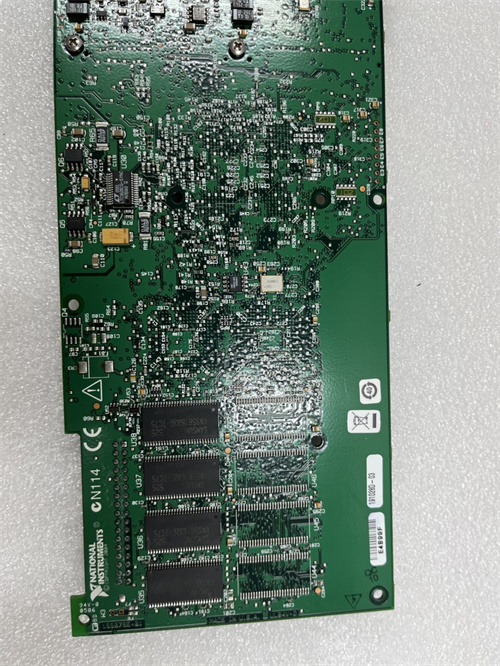
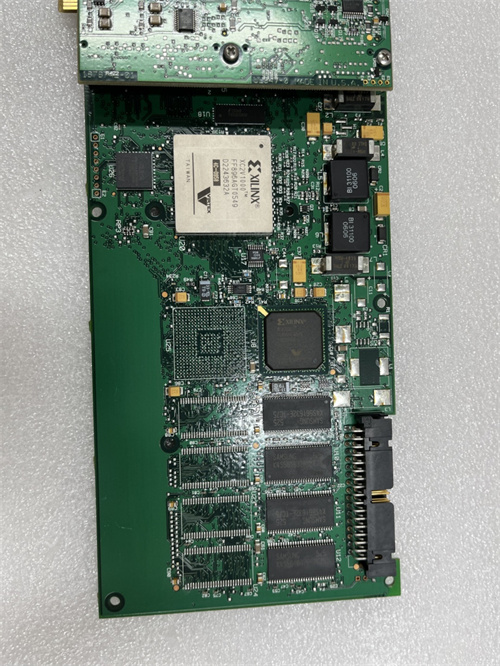
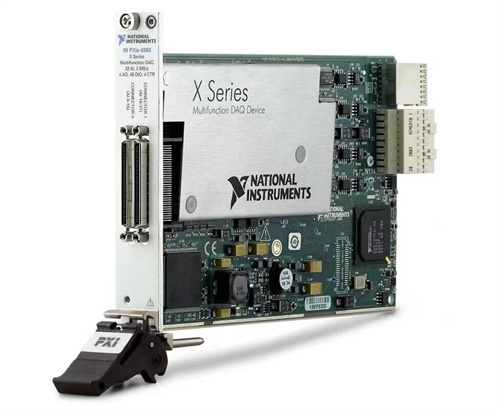
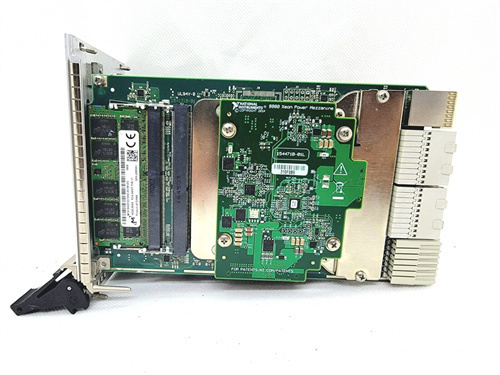
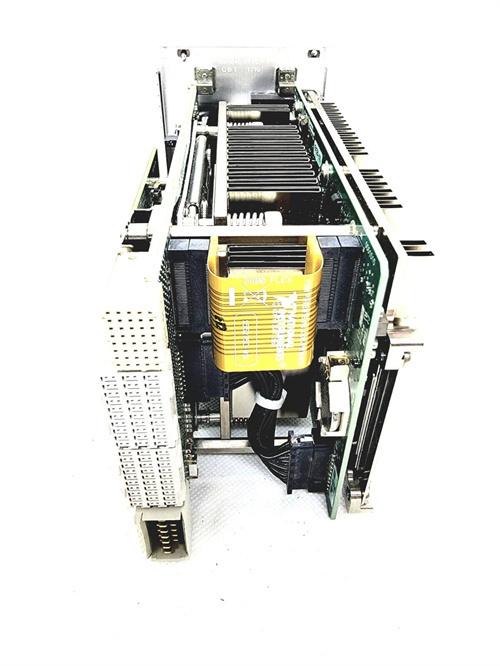
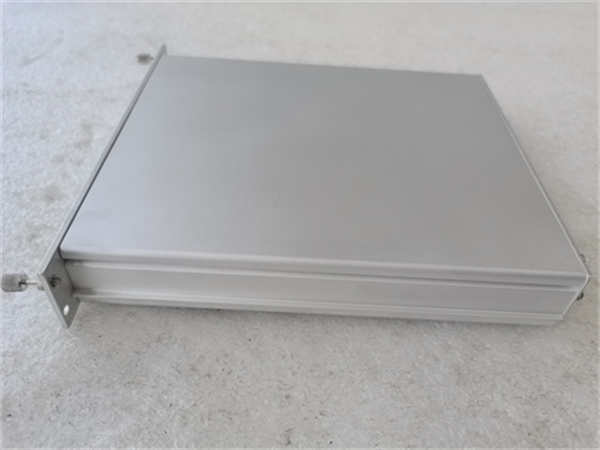
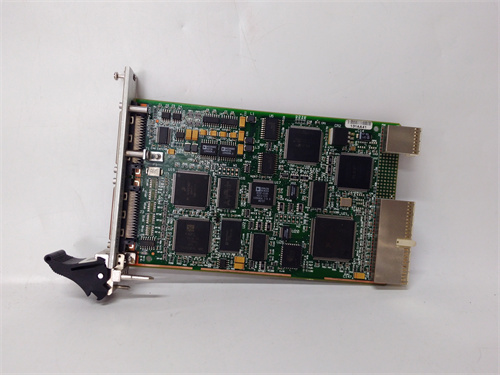
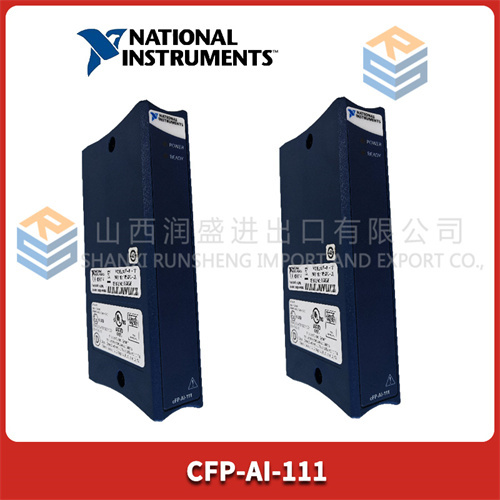
National Instruments PCI-5421 is a remarkable component in the realm of automation and control systems. It plays a pivotal role in facilitating precise data acquisition and signal generation, which are essential for various industrial and scientific applications.
The PCI-5421 is mainly used as a high-performance arbitrary waveform generator and digitizer. Its core function is to generate a wide variety of waveforms, such as sine waves, square waves, triangle waves, and custom waveforms, with high precision and flexibility. It can also digitize incoming analog signals, converting them into digital data for further processing. For example, in an electronics manufacturing plant, the PCI-5421 can be used to generate test signals for quality control of electronic components. It can send out specific waveforms to test the response of components like integrated circuits and sensors. In a research laboratory, it can digitize signals from experimental setups, allowing researchers to analyze and interpret the data accurately.
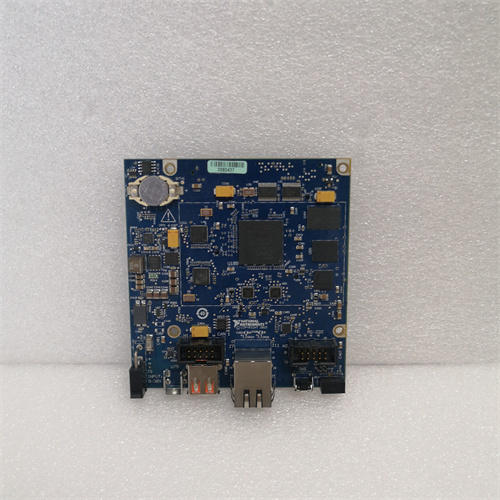
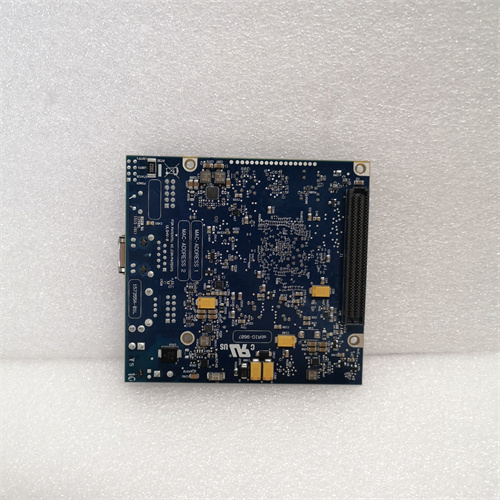
NI SBRIO – 9607 (www.sxrsrobot.com) is a high – performance PLC spare part developed by National Instruments (NI), a globally recognized brand in the field of automation and test equipment. This component is designed to play a pivotal role in advanced automation systems, enabling precise control and data acquisition.
The core function of the NI SBRIO – 9607 is to serve as a bridge between the physical world and the digital control system. It can acquire analog and digital signals from a variety of sensors, such as temperature sensors, pressure sensors, and motion sensors. After that, it processes these signals using its built – in processor and FPGA (Field – Programmable Gate Array) technology. Based on the processing results, it can send out control signals to actuators like motors, solenoids, and valves to achieve accurate control of industrial processes.
When compared to similar products on the market, the PXIE-6739 stands out due to its high resolution, versatile I/O, and advanced features. Its robust construction and real-time data acquisition capabilities make it a strong competitor in the PLC spare part market.
6. Selection Advice
When selecting the PXIE-6739, consider the following factors:
I/O Requirements: Ensure that the number and type of I/O channels meet the requirements of your application.
Resolution and Speed: Verify that the resolution and sampling rate of the module are sufficient for your needs.
System Compatibility: Check that the module is compatible with your existing PLC system and communication protocols.
Budget Considerations: Evaluate the cost-benefit ratio, taking into account the long-term reliability and performance of the spare part.
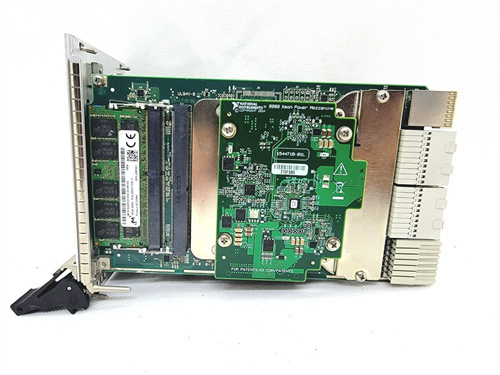
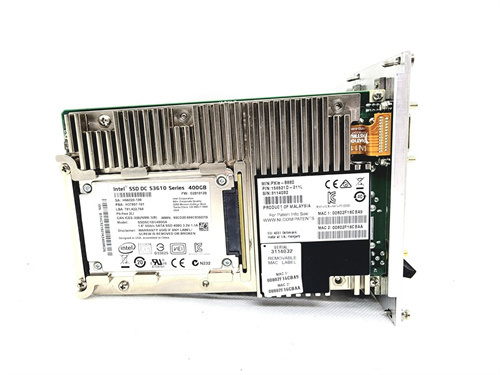
Compared with other similar products in the market, PXIE – 8861 offers higher reliability, which means fewer system failures and lower maintenance costs. Its excellent performance allows for faster and more accurate data processing, improving the efficiency of industrial processes. The easy scalability feature enables users to expand their systems more flexibly and cost – effectively.
6. Selection Suggestions
Compatibility: When selecting PXIE – 8861, ensure that it is compatible with your existing PXI – based system, sensors, and actuators. Check the interface types and communication protocols to avoid any compatibility issues.
Installation Environment: Consider the environmental conditions where the device will be installed. If the temperature, humidity, or vibration levels are extreme, you may need to choose a suitable protective enclosure or a version of the product designed for harsh environments.
Budget: Evaluate the cost of PXIE – 8861 in relation to your project budget. Although it may have a relatively higher upfront cost, its long – term benefits such as high reliability, performance, and scalability can result in significant cost savings in the long run.
When compared to similar products on the market, the PXIE-8523 stands out due to its high performance, versatile I/O options, compact form factor, and energy efficiency. Its robustness and reliability make it a strong competitor in the PLC spare part market, offering a combination of features that are hard to match by other products.
6. Selection Advice
When selecting the PXIE-8523, consider the following factors:
Processing Power and Memory Requirements: Ensure that the spare part’s processing power and memory capacity meet the requirements of your automation tasks.
I/O Interface Needs: Verify that the necessary I/O interfaces are available to support your existing system and peripheral devices.
Space Constraints: Consider the compact form factor of the PXIE-8523 when planning the layout of your automation infrastructure.
Budget Considerations: Evaluate the cost-benefit ratio, taking into account the long-term reliability and performance of the spare part.
The SCXI-1125 PLC spare part is suitable for various industries, including manufacturing, energy, and automation control. Its high precision and real-time data processing capabilities make it ideal for applications requiring precise control and monitoring. In one specific case study, a manufacturing plant utilized the SCXI-1125 to automate its production lines. The PLC provided seamless control over various machinery and processes, leading to improved product quality, reduced operational costs, and enhanced overall productivity.
5. Competitive Comparison
Compared to other PLC spare parts in the market, the SCXI-1125 offers superior reliability, ease of integration, and energy efficiency. Its high-performance processor and ample memory ensure smooth and efficient operation, even in demanding industrial environments. Additionally, the PLC’s compact design and advanced diagnostic capabilities set it apart from similar models, making it an ideal choice for organizations seeking to optimize their automation processes while minimizing operational costs.
6. Selection Advice
When selecting the SCXI-1125 PLC spare part, consider factors such as compatibility with existing systems, processing requirements, and budget. Ensure that the PLC meets the specific needs of your application, including control logic complexity and communication needs. Additionally, consider the long-term benefits of high reliability and ease of maintenance when making your decision. The SCXI-1125 is an excellent choice for applications requiring advanced processing capabilities, real-time data analysis, and robust performance.
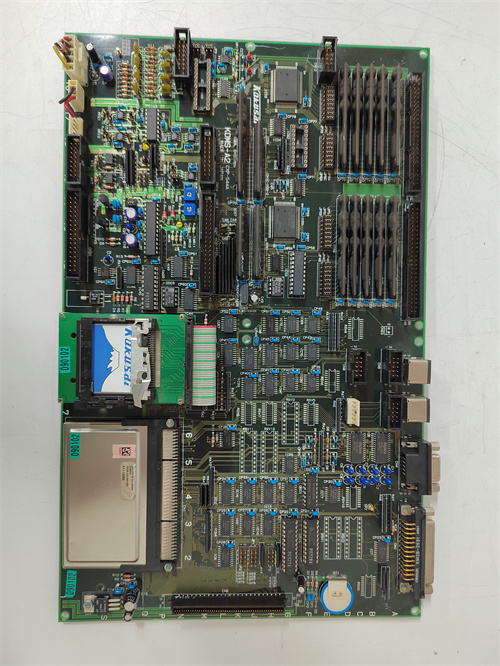
Compatibility: When selecting, make sure that the KOMS – A2 CXP – 544A is compatible with your existing equipment and systems in terms of communication protocols, interfaces, and power supply requirements.
Installation Environment: Consider the installation space, temperature, humidity, and electromagnetic environment. Ensure that the module can work stably in the actual installation environment.
Budget: Evaluate your budget comprehensively. Although the KOKUSAI KOMS – A2 CXP – 544A offers excellent performance and features, make sure it fits within your budget range while meeting your functional requirements.
7. Precautions
Safety Specifications: When installing and using, strictly follow the relevant safety regulations and operating procedures to avoid electric shock, short circuit and other accidents.
Maintenance Suggestions: Regularly check the connection status of the module to ensure that all connections are firm. Clean the module regularly to prevent dust and dirt from affecting its performance. Also, check for software updates regularly to keep the module functioning optimally.
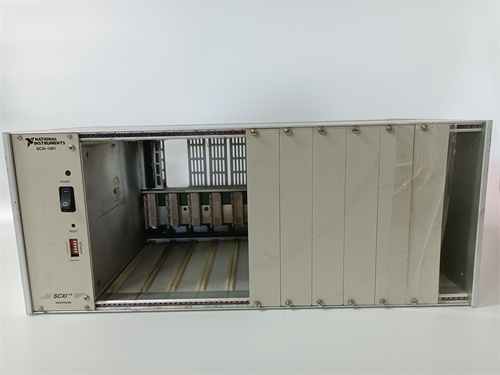
The SCXI-1001 stands out for its high reliability and flexibility. With a relay life of up to 50 million cycles, it ensures long-term durability and minimal downtime. The module’s programmable configuration allows it to be used as a four-way 8×1 multiplexer or a four-way 4×1 terminated multiplexer, catering to various application needs. Additionally, its high-density design maximizes space utilization within a PXI slot, making it an excellent choice for systems with limited space.
4. Application Areas and Case Studies
The SCXI-1001 is suitable for a wide range of industries, including manufacturing, aerospace, and automotive. In one specific case study, a major automotive manufacturer used the SCXI-1001 to monitor vibration levels in their production line. The module’s high precision and real-time data acquisition capabilities enabled the company to detect and rectify potential issues before they led to costly downtime. This resulted in significant improvements in production efficiency and product quality.
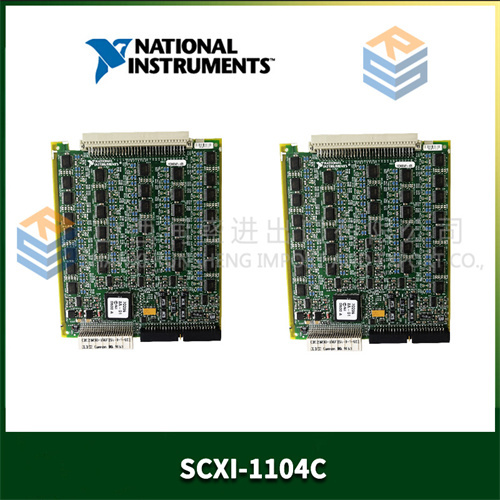
High Flexibility: The SCXI-1100 offers a wide range of configurable options, allowing users to customize the signal conditioning settings according to their specific needs. It can handle different types of sensors and input signals, and the gain, filter, and excitation parameters can be easily adjusted.
Accurate Signal Conditioning: With high-resolution analog-to-digital conversion and precise signal processing, the SCXI-1100 ensures accurate and reliable measurement results. The built-in filters can effectively remove noise and interference, improving the signal quality.
Modular Design: The module is part of the SCXI modular system, which enables easy expansion and integration with other SCXI modules. This allows users to build complex measurement and control systems by combining different modules according to their requirements.
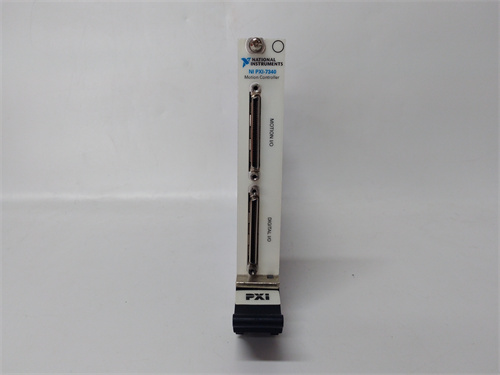
Application Areas: The PXI – 7344 is widely used in industries such as manufacturing, robotics, and aerospace. In manufacturing, it can be used for CNC machining, where it controls the movement of cutting tools. In robotics, it is used for robot arm control, enabling precise pick – and – place operations. In aerospace, it can be used for the testing and calibration of flight simulators.
Application Case: In a CNC machining center, the PXI – 7344 was used to control the movement of the X, Y, and Z axes. By precisely controlling the position and speed of the cutting tool, it improved the machining accuracy and surface finish of the workpieces. The machining time was reduced by 20%, and the product quality was significantly enhanced.
5. Competitor Comparison
Compared to other similar products in the market, the PXI – 7344 has several distinct advantages. Its high – precision motion control capabilities are superior to many competing models, allowing for more accurate and reliable operation. The ability to handle multi – axis motion control in a single unit simplifies the system design and reduces the overall cost. Additionally, its efficient communication interfaces ensure seamless integration into existing automation systems.
6. Selection Suggestions
Axis Requirements: Determine the number of axes you need to control. If your application requires multi – axis motion control, ensure that the PXI – 7344 can meet your specific axis requirements.
Positioning Precision: Consider the required positioning precision for your application. The PXI – 7344 offers adjustable positioning resolution, so choose the appropriate setting based on your needs.
Compatibility: Check the compatibility of the PXI – 7344 with your existing automation system, including the power supply, communication protocols, and other devices.
Budget: Evaluate the cost of the PXI – 7344 in relation to your budget. However, also consider its long – term benefits, such as improved productivity and reduced maintenance costs.
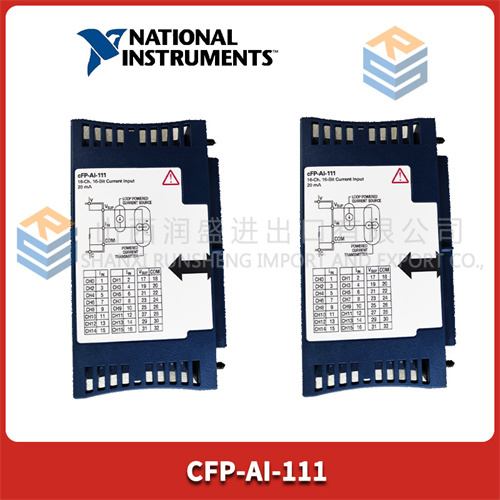
Industrial Automation: In manufacturing plants, it can be used to monitor and control various processes. For example, it can measure the temperature and pressure of a furnace in a metal – smelting process and send the data to a PLC for control.
Building Automation: In commercial buildings, it can be used to measure environmental parameters such as temperature, humidity, and light intensity. This data can be used to control the HVAC (Heating, Ventilation, and Air – Conditioning) and lighting systems.
Energy Management: In power plants or energy – consuming facilities, it can measure parameters such as power consumption, voltage, and current. This data can be used for energy – efficiency analysis and optimization.
6. Selection Considerations
Channel Requirements: Determine the number of sensors you need to connect and choose a module with an appropriate number of input channels.
Input Signal Types: Ensure that the module can accept the types of analog signals produced by your sensors.
Resolution and Sampling Rate: Consider the level of measurement accuracy and the speed at which you need to acquire data. For applications requiring high – precision and fast – changing signals, a module with higher resolution and sampling rate is needed.