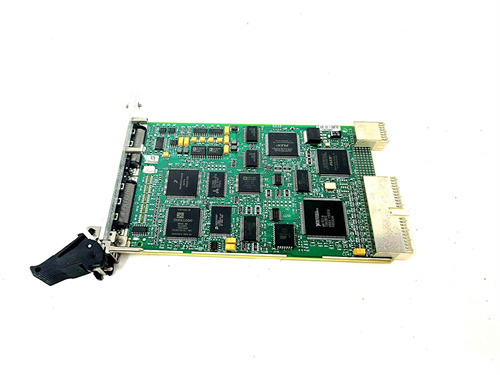
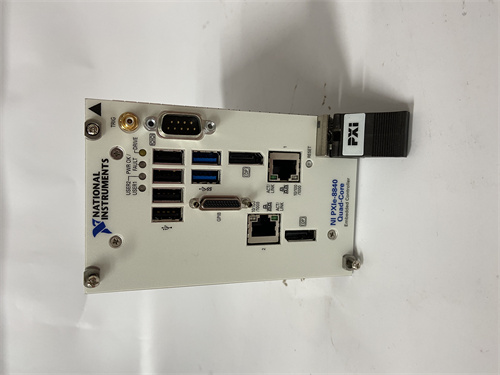
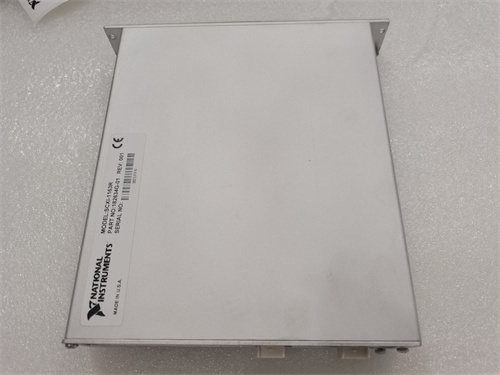
argument
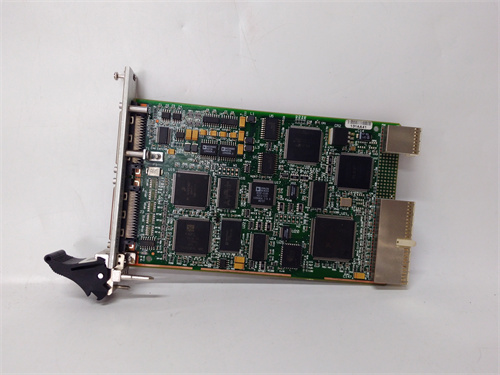
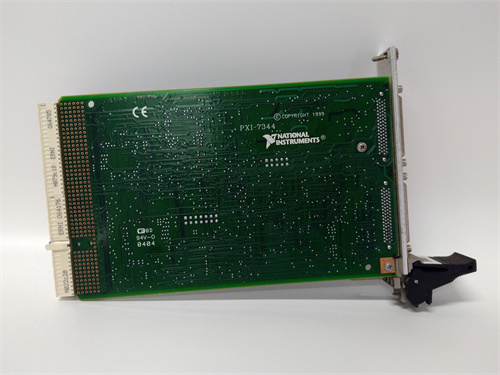
Number of analog input channels: 8
Number of analog output channels: 8
Number of I/O channels: Depending on the search results, there are 96 and 24 channels, depending on the actual product
Analog input sampling rate: up to 750 kHz (independent sampling rate), or up to 500kS/s
Analog output update rate: 1 MHz (independent update rate)
Analog input/output resolution: 16 bits
Analog input/output voltage range: ±10 V
Digital I/O speed: up to 40 MHz, or up to 10MHz
Onboard memory: 192 kB
Maximum clock rate: 40 MHz
specification
Form Factor: PXI/PXI Express
PXI Bus Type: Compatible with PXI hybrid buses
Operating system/Target FPGA: Windows real-time system
Module Width: specifies the width of one slot
RoHS Compliant: Yes
Size and weight
Dimensions: Length 16 cm, width 10 cm (excluding connectors)
I/O connector: 68-pin VHDCI female connector
1. Parameters
Number of analog input channels: 8
Number of analog output channels: 8
Number of I/O channels: 96 (some sources mention 24, but most sources say 96)
Analog input sampling rate:
Up to 750 kHz (independent sampling rate)
Other sources mention a maximum of 500 kS/s
Analog output update rate: up to 1 MHz
Analog input/output resolution: 16 bits
Analog input/output voltage range: ±10 V
Digital I/O speed: up to 40 MHz (input/output/timer), with additional information mentioning up to 10 MHz
Onboard memory: 192 kB
argument
Analog input:
Number of channels: 32 single-ended or 16 differential
Resolution: 16 bits
Sample rate:
Maximum single-channel value: 500 kS/s
Multi-channel maximum (multiplex synthesis) : 500 kS/s
Input range: ±10 V
Analog output:
Number of channels: 4
Resolution: 16 bits
Maximum update rate (synchronous) :
One channel: 900 kS/s
Two channels: 840 kS/s for each channel
3 channels: 775 kS/s per channel
4 channels: 719 kS/s per channel
Output range: ±10 V
Parameters and specifications
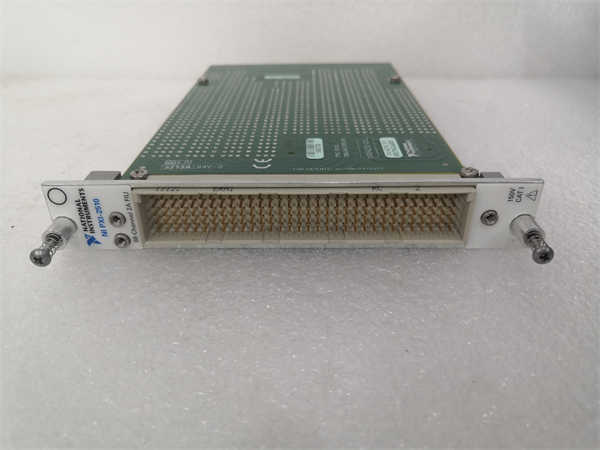
Number of channels: 80
Relay type: Single pole single throw (SPST) armature relay, non-latching relay
Maximum switching current: 2A
Maximum voltage: 150V
On-resistance: Very low
Thermal offset: Low thermal offset
Programmability: Fully software programmable
Onboard function: relay counting and tracking
Terminal options: Multiple terminal options for DIN160 connectors
Type: An interface module, data communication module, or high-power output module, depending on the application scenario
Input voltage: Support 8 to 32VDC input power
Output frequency: In some cases the output frequency is mentioned as 1.556Hz, but in other descriptions, such as PWM pulse width modulation modules, support 0-20 KHZ working cycle output
I/O count: PN/DP
Program capacity: 64kbyte
Firmware version: V1.0.0 (in some cases) or V2.0.0 (in others)
Communication interface: May include RS-485 interface
Size and weight
Size: Package size is 26.3cm x 19.6cm x 20.6cm, but please note that this is package size and the actual module size may be different.
argument
Number of axes: 4 axes
Position accuracy: up to 1 micron per axis
Speed accuracy: Speed accuracy up to 0.01%
Maximum speed: up to 60 rpm per shaft
Rated current: 3 A/ shaft
Peak current: 6 A/ axis
Power supply voltage: 24 VDC
Protection level: IP66
Operating temperature range: -20°C to +65°C (-4°F to +149°F)
specification
Type: Servo controller
Manufacturer: National Instruments (NI)
argument
Interface type: PCI
Maximum transfer rate: 1.5 MB/s
Number of supported devices: 14
Power requirements: 5VDC, 1A
specification
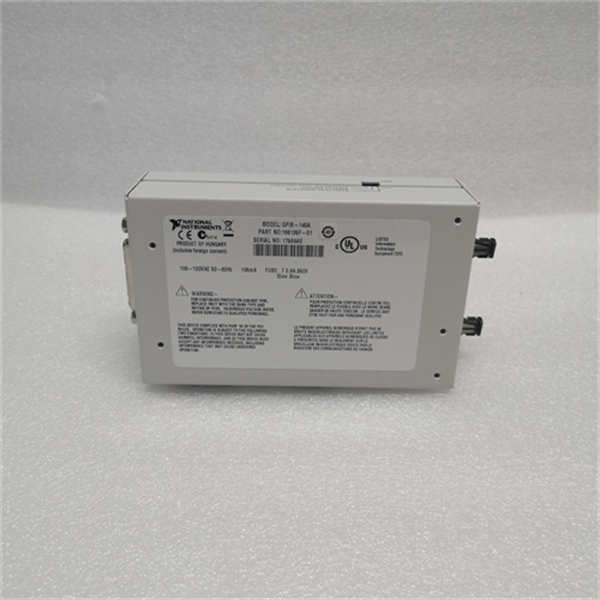
Brand: NI
Model: GPIB-140A 186135F-31
Product type: GPIB interface card
Ambient temperature: room temperature (may vary according to specific application scenarios)
Size and weight
Size: 120mm x 80mm x 20mm (from [1])
argument
Number of counters/timers: 8
Number of digital I/O lines: 40 (TTL/CMOS compatible)
Maximum source frequency: 100 MHz
External source frequency: 80 MHz
DMA transfer tasks: Three high-speed DMA transfer tasks can be performed simultaneously
specification
Hardware configuration: 8 32-bit counters/timers and 40 TTL/ CMOS-compatible digital I/O lines
Software support: NI-DAQmx driver software, the use of X series NI-STC3 timing chip
Performance Parameters: High-performance timing and digital I/O capabilities for a variety of complex industrial automation and test needs
series
The PCI-6612 belongs to the PCIe series of data acquisition and test devices of National Instruments (NI).
argument
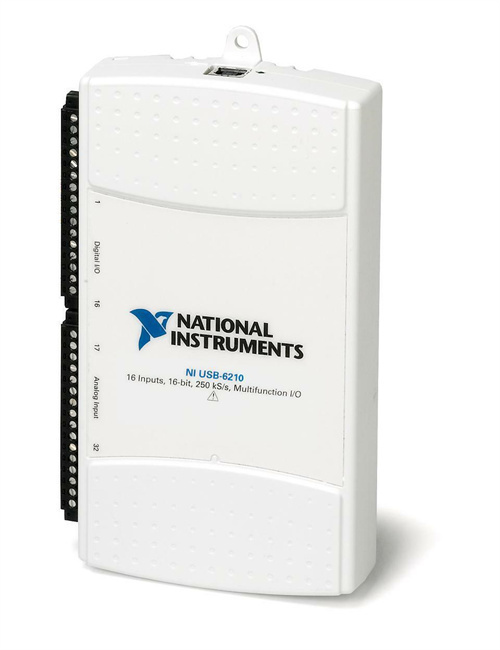
Analog input (AI) : 16-channel, 16-bit resolution, maximum sampling rate of 500 kS/s, input range ±10 V.
Analog output (AO) : 2-channel, 16-bit resolution, maximum sampling rate of 900 kS/s, output range ±10 V.
Digital I/O (DIO) : 24, of which 8 are 1 MHz hardware timing lines.
Counter/timer: 4-channel 32-bit for PWM, encoder, frequency, event counting, etc.
specification
Bus interface: USB.
Dedicated bandwidth: up to 250 MB/s.
Timing and synchronization technology: NI-STC3 provides advanced timing capabilities, including separate analog and digital timing engines, retriggable measurement tasks, and more.
Software compatibility: Compatible with LabVIEW 8.2, LabWindows™/CVI 7.x, Measurement Studio 7.x, LabVIEW SignalExpress 1.x and later versions of NI applications.
argument
Number of axes: 4 axes
Position accuracy: 1μm
Speed: 10 m/s
Acceleration: 100 m/s²
Slot: PXIe
Operating voltage: 24Vdc/120Vac (according to merchant information)
Output frequency: 50-60 (according to merchant information)
specification
Compatibility: LabVIEW, LabWindows/CVI, MATLAB, C/C++
System environment: room temperature (according to merchant information)
System capability: Intelligent, operating system PLC system (according to merchant information)
Size and weight
Dimensions: 100 mm x 160 mm x 21 mm
Weight: 310 grams