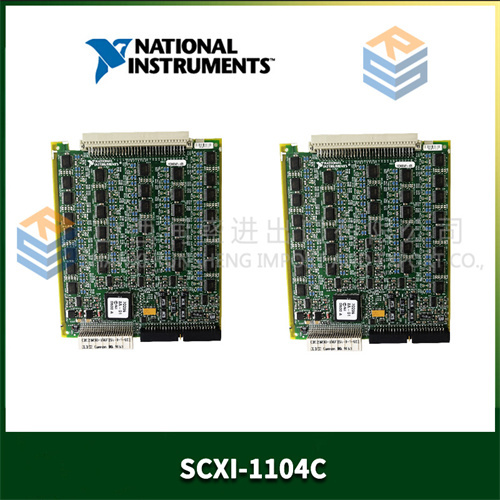
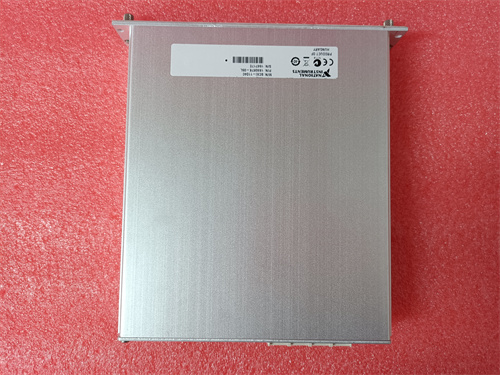
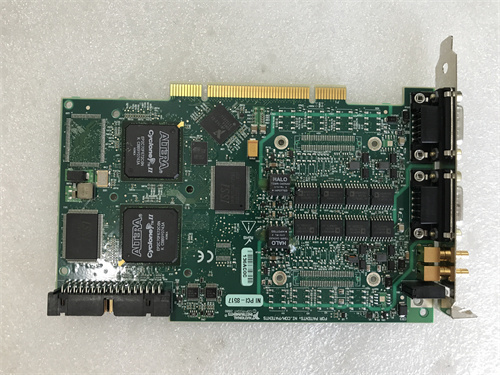
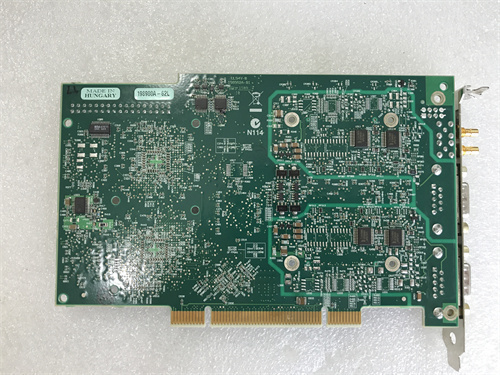
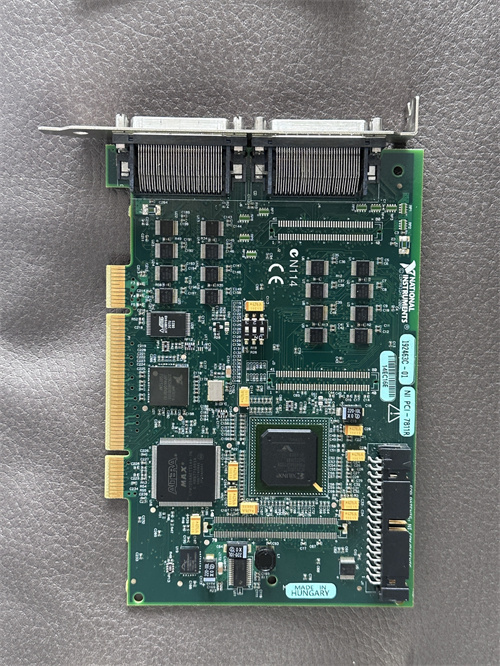
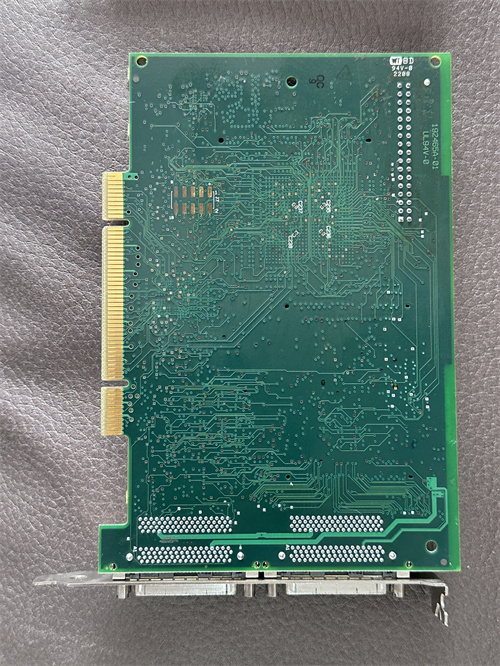
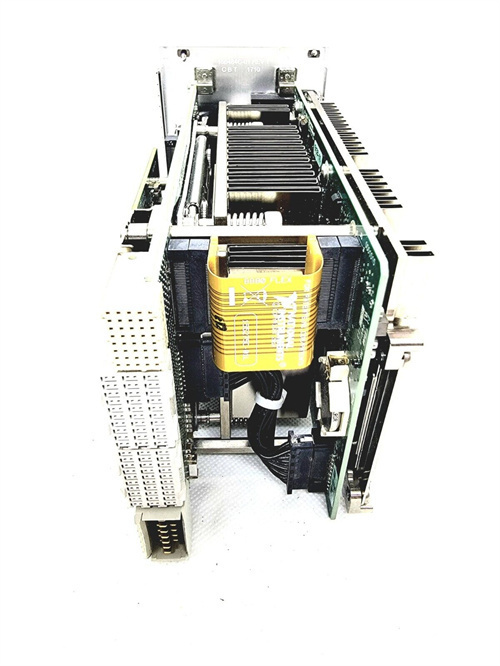
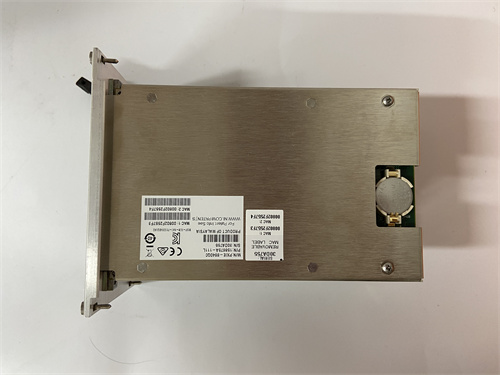
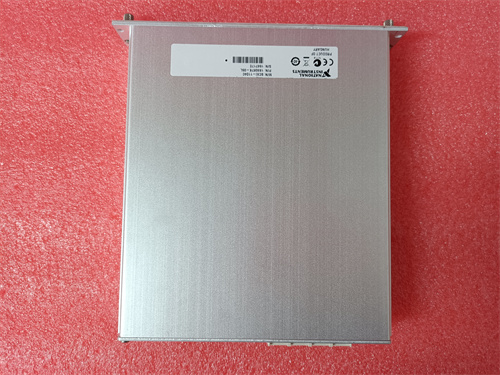
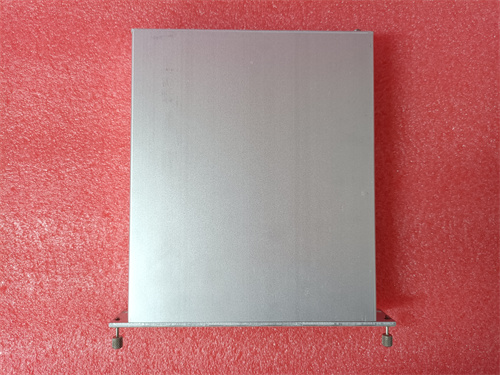
The NI SCXI-1104C is a high-performance data acquisition module produced by National Instruments (NI). Here are its parameters, specifications, dimensions, weight, series, features, and applications:
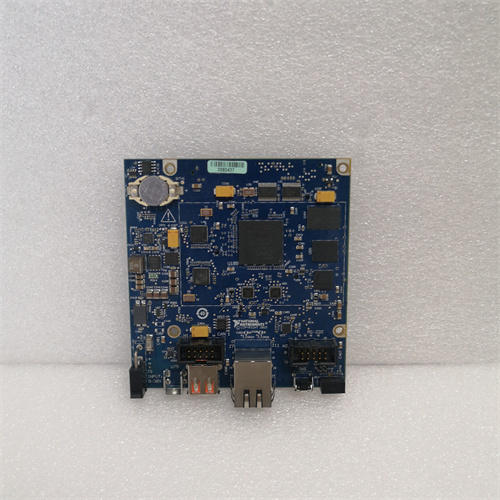
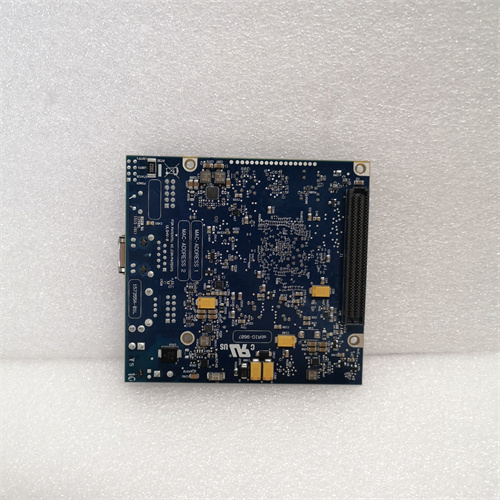
The NI SBRIO-9607 is an embedded system control board module from National Instruments (NI). Here is a breakdown of its parameters, specifications, dimensions, weight, series, features, and functions in English:
Parameters and Specifications:
Brand: National Instruments (NI)
Model: SBRIO-9607
Processor: Xilinx Zynq-7020 SoC
Memory: 512 MB DDR3 SDRAM
Storage: 2 GB SLC NAND Flash
Operating System: NI Linux Real-Time (32-bit)
Communication Interfaces: 2 Gigabit Ethernet ports, 1 USB interface, 1 RS232 serial port
Ni pcie-1427 is a high-performance imaging device specially designed for use with any basic camera with cameralink interface.
Parameters and specifications:
Type of device: map of image shooting.
Interface: pcie.
Camera compatible: with any basic camera with cameralink interface.
Trigger- functions: the device has 4 external triggers compatible with iso /TTL, allowing cameras to accurately manage the shooting process.
Encoder: the device has an orthogonal encoder that ensures greater accuracy and accuracy of the survey.
I/ o-interface: pcie-1427 includes I/ o-interface with camera link extension, which ensures smooth integration and data exchange with other devices and systems.
Ni scxi-1104c: product parameters, specifications and areas of application
Product parameters ni scxi-1104c:
Input connector channels: 16
Maximum sampling rate: 100 ks /s
Resolution: 24 bits
Input voltage range: + 10 v
Input impeachment: 1 m fully committed 5 pf
Connection method: scxi – terminal board
Overall dimensions: 3.3 x 22.9 x 14.0 cm
Weight: 0.36 kg
Sheets ni scxi-1104c:
Ni scxi-1104c is a high-performance data collection module included in the scxi (signal conditioning extensions for instrumentation) series. This module is designed for laboratory measurements, testing, automation and a number of other applications.
NI PXIe-8861 is a high-performance embedded controller based on the PCIe Extensions for Instrumentation (PXI) bus standard. The following is a detailed explanation of the parameters, specifications, dimensions, weight, series, features and functions of NI PXIe-8861:
argument
Processor: Based on the high-performance Intel Xeon E3-1515 processor.
I/O ports: Includes two Thunderbolt 3.0 ports, two Display ports, two USB 3.0 and four USB 4 ports, two Ethernet ports (one of which is 1588 enabled), serial and GPIB ports.
System support: Run Windows 10 applications to interact with external PCI-based instruments.
specification
Size: Specific size information about the NI PXIe-8861 is not explicitly mentioned in the search results.
The NI PXIe-6739 is a high density analog output module designed for applications such as high density excitation-response testing and open loop simulation. The following is a detailed explanation of the parameters, specifications, dimensions, weight, series, features and functions of NI PXIe-6739:
argument
Number of channels: 16 bits, 64 channels
Sampling rate: 1 MS/s
Voltage output: Supports static and software timing voltage output applications
Digital I/O lines: Contains 20 digital I/O lines
specification
Size: 10.6CM×9.3CM×2.3CM
Weight: Specific weight information is not explicitly mentioned in the search results provided.
The NI PXIe-8523 is a module designed for automotive Ethernet interfaces. The following is a detailed explanation of the module’s parameters, specifications, dimensions, weight, series, features and functions:
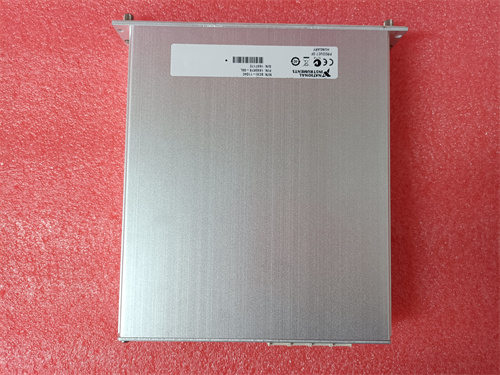
NI SCXI-1104C is a high-performance, multi-channel analog signal acquisition module, the specific parameters, specifications, dimensions, weight, series, features and functions are as follows:
Parameters and specifications
Number of channels: Usually 16 differential input channels, supporting a variety of signal types.
Resolution: A 24-bit analog-to-digital converter (ADC) is provided to ensure highly accurate data acquisition.
Sampling rate: The maximum sampling rate is 100 kS/s, but the specific rate may vary according to application requirements.
Input voltage range: ±10 V, suitable for a variety of common signal types and voltage standards.
Input impedance: 1 MΩ || 5 pF to ensure stable signal transmission.
Connection mode: SCXI terminal board is used to connect various sensors and signal sources.
The NI SCXI-1349 is a high-performance data acquisition device designed specifically for the NI SCXI platform. The following are the parameters, specifications, dimensions, weight, series, features and functions of NI SCXI-1349:
Parameters and specifications
Voltage: 24V
Current: 100-400A
Analog input: 32 channels
Analog output: 4 channels
Digital I/O: 8 channels
Maximum sampling rate: 1ms/s
Resolution: 16 bits
Communication interface: USB
Size and weight
Dimensions: 9.5 “x 5.5” x 2.0 “(241.3mm x 139.7mm x 50.8mm)