Compared to similar products in the market, FBM216B P0927AJ offers several advantages. In terms of reliability, its long MTBF is superior to many competing products, which may experience more frequent failures under similar operating conditions. The data transfer speed of FBM216B P0927AJ, especially through its Ethernet interface, is relatively fast, enabling quicker response times in industrial processes. Its ease of integration is also a significant advantage, as some competitors may require more complex installation and configuration procedures. Moreover, the energy – efficiency of FBM216B P0927AJ can lead to greater cost savings in the long run compared to less efficient alternatives.
6. Selection Suggestions
Compatibility: When selecting FBM216B P0927AJ, ensure that it is compatible with your existing PLC system, sensors, and actuators. Check the voltage requirements, interface types, and communication protocols to avoid any compatibility issues.
Installation Environment: Consider the environmental conditions where FBM216B P0927AJ will be installed. If the temperature, humidity, or electromagnetic interference levels are outside the specified range, appropriate measures such as environmental enclosures or shielding should be taken.
Budget: Evaluate the cost of FBM216B P0927AJ in relation to your budget. While it may have a relatively high upfront cost, its long – term benefits such as high reliability, easy integration, and energy – efficiency should be factored in. A more expensive but high – performance component like FBM216B P0927AJ can often result in lower overall costs over its lifespan.
7. Precautions
Installation: Follow the manufacturer’s installation instructions carefully. Ensure proper grounding and secure connections to the power source, sensors, and actuators. Incorrect installation can lead to malfunctions or safety hazards.
Safety: Before performing any maintenance or repair work on FBM216B P0927AJ, disconnect it from the power source to avoid the risk of electric shock.
Compared to other PLC spare parts in the market, the FCP270 P0917YZ offers superior reliability, ease of integration, and advanced diagnostic capabilities. Its high-performance processor and ample memory ensure smooth and efficient operation, even in demanding industrial environments. Additionally, the PLC’s compact design and energy efficiency set it apart from similar models, making it an ideal choice for organizations seeking to optimize their automation processes while minimizing operational costs.
6. Selection Advice
When selecting the FCP270 P0917YZ PLC spare part, consider factors such as compatibility with existing systems, processing requirements, and budget. Ensure that the PLC meets the specific needs of your application, including control logic complexity and communication needs. Additionally, consider the long-term benefits of high reliability and ease of maintenance when making your decision. The FCP270 P0917YZ is an excellent choice for applications requiring advanced processing capabilities, real-time data analysis, and robust performance.
7. Notes
When installing and using the FCP270 P0917YZ PLC spare part, adhere to all safety regulations and guidelines provided by the manufacturer. Regular maintenance and inspections are recommended to ensure optimal performance and extend the lifespan of the PLC. Follow best practices for handling electronic equipment to avoid damage or injury.
Compared to similar products in the market, A4H124 – 24FX P0973JN offers several advantages. In terms of reliability, its relatively long MTBF is superior to many competing products, which may experience more frequent failures under similar operating conditions. Its ease of integration is also a significant advantage, as some competitors may require more complex wiring and configuration procedures. Moreover, the cost – effectiveness of A4H124 – 24FX P0973JN makes it a more attractive option for budget – conscious customers, as other products may have a higher price without providing proportionally better performance.
6. Selection Suggestions
Compatibility: When selecting A4H124 – 24FX P0973JN, ensure that it is compatible with your existing PLC system. Check the communication protocol and voltage requirements to avoid any compatibility issues.
Installation Environment: Consider the environmental conditions where A4H124 – 24FX P0973JN will be installed. If the temperature or humidity is outside the specified range, appropriate measures such as environmental enclosures or climate control should be taken.
Budget: Evaluate the cost of A4H124 – 24FX P0973JN in relation to your budget. While it is cost – effective, make sure it meets your performance requirements. If you need more advanced features or higher – speed data transfer, you may need to consider other options.
The P0916AE PLC spare part is suitable for various industries, including manufacturing, energy, and process control. Its high precision and real-time data processing capabilities make it ideal for applications requiring precise control and monitoring. In one specific case study, a large manufacturing plant utilized the P0916AE to automate its production lines. The PLC provided seamless control over various manufacturing processes, leading to improved product quality and a significant increase in productivity.
5. Competitive Comparison
Compared to other PLC spare parts in the market, the P0916AE offers superior reliability, ease of integration, and advanced diagnostic capabilities. Its high-performance processor and ample memory ensure smooth and efficient operation, even in demanding industrial environments. Additionally, the PLC’s compact design and energy efficiency set it apart from similar models, making it an ideal choice for organizations seeking to optimize their automation processes while minimizing operational costs.
6. Selection Advice
When selecting the P0916AE PLC spare part, consider factors such as compatibility with existing systems, processing requirements, and budget. Ensure that the PLC meets the specific needs of your application, including control logic complexity and communication needs. Additionally, consider the long-term benefits of high reliability and ease of maintenance when making your decision. The P0916AE is an excellent choice for applications requiring advanced processing capabilities, real-time data analysis, and robust performance.
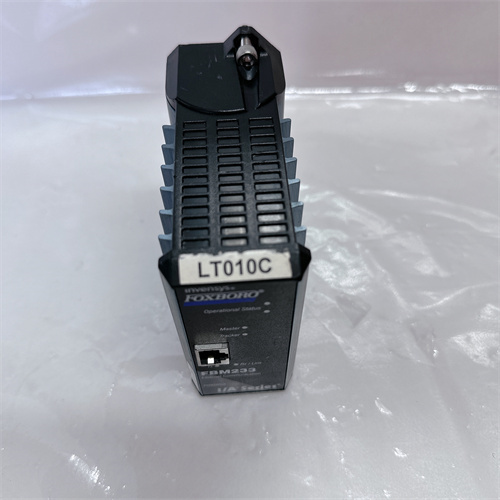
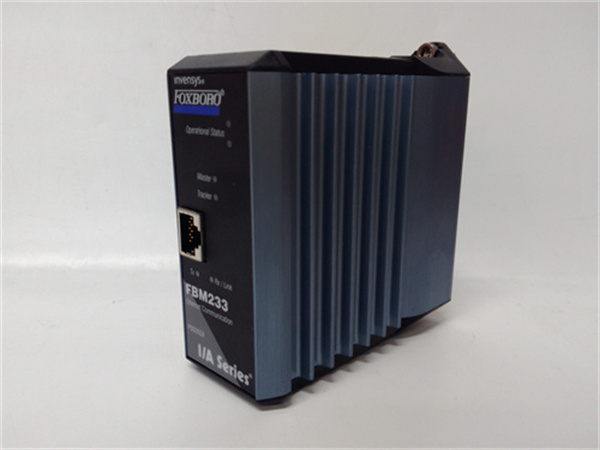
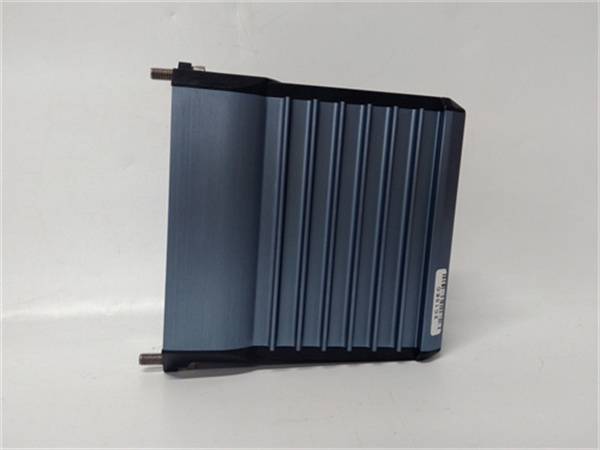
FBM233 P0926GX is a highly specialized and reliable PLC spare part that is designed to meet the demanding requirements of modern industrial automation systems. This product plays a crucial role in ensuring the smooth operation of various industrial processes.
The core function of FBM233 P0926GX is to serve as an interface between the programmable logic controller (PLC) and the field devices. It can receive input signals from sensors, such as temperature sensors, pressure sensors, and flow sensors. These input signals are then processed and transmitted to the PLC for further analysis and decision – making. Based on the instructions from the PLC, FBM233 P0926GX sends output signals to actuators, like valves, motors, and relays, to control the operation of industrial equipment.
FBM233 P0926GX has a wide range of applications. In the manufacturing industry, it is used to automate production lines, improve product quality, and increase productivity. For example, in an automotive manufacturing plant, it can be used to control the robotic arms for welding and assembly operations. In the energy sector, it helps in monitoring and regulating power generation, transmission, and distribution systems. It can ensure the stable operation of power plants and prevent power outages. In the field of automation control, FBM233 P0926GX is used to manage complex industrial processes, such as chemical reactions and water treatment.
The advantages of FBM233 P0926GX are significant. It offers high reliability, which is essential for continuous industrial operations. A single failure in the control system can lead to costly production downtime and potential safety hazards. FBM233 P0926GX also features easy integration, allowing it to be quickly incorporated into existing PLC systems without extensive re – engineering. Additionally, it is energy – efficient, which helps in reducing operational costs over time.
Application Areas: The P92 P9220436070H is widely used in the manufacturing industry, including automotive, electronics, and machinery manufacturing. In the energy sector, it can be found in power plants, oil refineries, and gas – processing plants. It also has applications in the water treatment industry for controlling water treatment processes and in the food and beverage industry for regulating production lines.
Application Case: In a water treatment plant, the P92 P9220436070H was used to control the water disinfection process. It received real – time data from sensors monitoring the chlorine concentration in the water. Based on this data, it adjusted the operation of chlorine – dosing pumps. As a result, the chlorine concentration in the treated water was maintained within the required range more accurately, improving the quality of the disinfected water and reducing the consumption of chlorine by 20%.
5. Comparison with Competitors
Compared to similar products in the market, the P92 P9220436070H offers a higher level of reliability, as demonstrated by its long MTBF. Some competing products may have a shorter lifespan under similar operating conditions. In terms of integration, its compatibility with the same – brand PLC systems gives it an edge. It can be integrated more easily and quickly, reducing the time and effort required for system implementation. Also, its fast and accurate data processing capabilities provide a competitive advantage in applications where real – time and precise control is crucial. Some competing products may have slower data processing speeds or lower accuracy, which could lead to less – effective control and potential production inefficiencies.
High – Precision Signal Processing: The FBM233 offers an accuracy of ±0.05% of full – scale for most input types. This high – precision processing ensures that the data collected from sensors is highly accurate. For example, in a pharmaceutical manufacturing process where precise temperature control is crucial, the accurate temperature readings provided by the FBM233 help in maintaining the quality of the products.
Wide Range of Input Signal Compatibility: It can accept various types of input signals, including different thermocouple types, RTDs, voltage, and current signals. This versatility allows it to be used in a wide range of industrial applications without the need for multiple input modules. In an oil refinery, it can be used to monitor different parameters such as temperature, pressure, and flow rate using different types of sensors.
Robust Design for Harsh Environments: With an operating temperature range of – 40°C to 85°C and a storage temperature range of – 50°C to 95°C, the FBM233 can operate reliably in harsh industrial environments. This makes it suitable for use in industries such as mining, where the equipment may be exposed to extreme temperatures.
4. Application Areas and Application Cases
Application Areas: The FBM233 is suitable for industries such as chemical, power generation, pharmaceutical, and mining. In the chemical industry, it can be used for process control and safety monitoring. In power generation, it can assist in turbine and generator control. In the pharmaceutical industry, it can ensure the quality of production processes. In mining, it can be used for monitoring environmental parameters in mines.
Application Case: In a power generation plant, the FBM233 was used to monitor the temperature and pressure of the steam in the turbine. By accurately collecting and processing the analog input signals from the sensors, it provided real – time data to the control system. This allowed the operators to adjust the turbine operation parameters in a timely manner, improving the power generation efficiency by 8% and reducing the maintenance cost by 12%.
I/O Requirements: Determine the number of input and output channels you need for your application. If your application requires a specific number of digital inputs and relay outputs, ensure that the IPM2 – P0904HA can meet these requirements.
Control Precision: Consider the required control precision for your industrial process. If high – precision control is crucial, the IPM2 – P0904HA’s high – precision control capabilities will be a significant advantage.
Communication Needs: Evaluate the communication requirements of your system. If you need fast and reliable data exchange with other devices, the Ethernet communication and Modbus TCP protocol of the IPM2 – P0904HA are suitable.
Budget: Compare the cost of the IPM2 – P0904HA with your budget. However, also take into account its long – term benefits, such as improved product quality and reduced maintenance costs.
7. Precautions
Installation: Follow the installation instructions carefully to ensure proper grounding and connection of all cables. Incorrect installation can lead to electrical interference, communication errors, and potential damage to the device.
Safety Regulations: Comply with all relevant safety regulations during the installation and operation of the IPM2 – P0904HA. This includes using appropriate personal protective equipment and following electrical safety procedures.
Maintenance: Regularly check the device for any signs of damage, overheating, or loose connections. Clean the device and its connectors to prevent dust accumulation, which can affect its performance.
Compared to other similar industrial control modules in the market, the 870ITEC – AYFNZ has distinct advantages. Its high – speed data processing and flexibility in configuration are often superior. Some competing products may have slower processing speeds, which can lead to delays in control actions, or less flexibility in configuration, making it difficult to adapt to different industrial processes. Additionally, the 870ITEC – AYFNZ‘s compatibility with a wide range of communication protocols and industrial devices makes it more adaptable to different industrial requirements.
6. Selection Suggestions
When selecting the 870ITEC – AYFNZ, several factors should be considered. Compatibility is of utmost importance. Ensure that it is compatible with your existing industrial equipment, including sensors, actuators, and control systems. Evaluate your specific application requirements, such as the number of input/output channels, the required data processing speed, and the need for configuration flexibility. Consider the installation environment; if it has high levels of temperature variations, electrical interference, or vibration, the module’s operating temperature range and robustness should be taken into account. Finally, budget is also a consideration; while the 870ITEC – AYFNZ offers excellent performance, it should fit within your financial constraints.
7. Precautions
When using and installing the 870ITEC – AYFNZ, strict safety regulations must be followed. Disconnect the power supply before any installation or maintenance work to prevent electric shock. Follow the installation instructions carefully to ensure proper grounding and connection. Incorrect installation may lead to system malfunctions or safety hazards. Regularly check the status of the 870ITEC – AYFNZ, including power supply, communication links, and input/output signals. Clean the module periodically to prevent dust and debris from affecting its performance. Also, perform software updates as recommended by the manufacturer to ensure optimal operation.
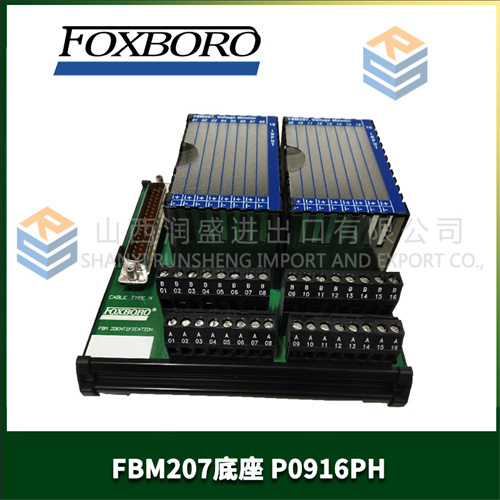
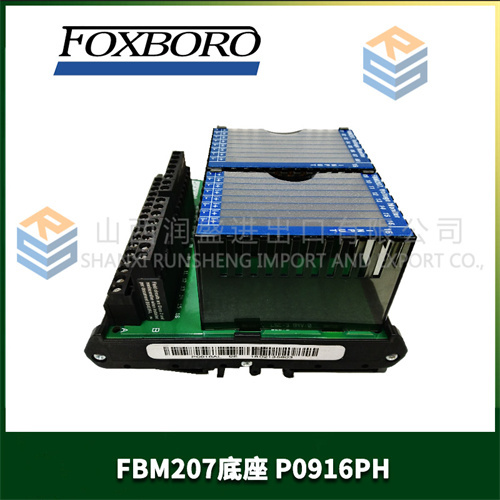
The FBM207 P0916PH is suitable for a wide range of industries, including oil and gas, power generation, and water treatment. In the oil and gas industry, it can be used to monitor and control the pressure and temperature in oil wells. In a specific oil well project, the FBM207 P0916PH was installed to measure the pressure and temperature at different depths of the well. By accurately controlling the injection of drilling fluids based on the measured data, it improved the drilling efficiency by 15% and reduced the risk of well – bore instability.
5. Competitor Comparison
Compared to other similar analog I/O modules in the market, the FBM207 P0916PH has distinct advantages. Its high – resolution measurement and accurate control are often superior. Some competing products may have lower resolution in analog input channels, leading to less accurate data acquisition, or lower output accuracy, resulting in less precise control of industrial processes. Additionally, the FBM207 P0916PH‘s compatibility with Emerson’s well – established DCS system provides a more integrated and reliable solution for users.
6. Selection Suggestions
When selecting the FBM207 P0916PH, several factors should be considered. Compatibility is crucial. Ensure that it is compatible with your existing DCS system or the industrial control system you plan to use. Evaluate your specific analog I/O requirements, such as the number of input/output channels, the input/output ranges, and the required resolution and accuracy. Consider the installation environment; if it has high levels of temperature variations, electrical interference, or vibration, the module’s operating temperature range and robustness should be taken into account. Finally, budget is also a factor; while the FBM207 P0916PH offers high – quality performance, it should fit within your financial plan.
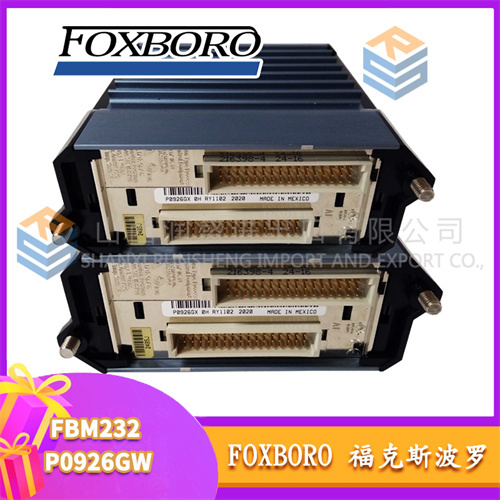
Compared to other similar digital I/O modules in the market, the FBM232 P0926GW has distinct advantages. Its high – speed response and excellent electrical isolation are often superior. Some competing products may have longer response times, which can lead to delays in control actions and affect the efficiency of industrial processes. Additionally, the FBM232 P0926GW‘s compatibility with Emerson’s well – known DCS system provides users with a more integrated and reliable solution.
6. Selection Suggestions
When selecting the FBM232 P0926GW, several factors should be considered. Compatibility is crucial. Ensure that it is compatible with your existing DCS system or the industrial control system you plan to use. Evaluate your specific digital I/O requirements, such as the number of input/output channels and the required current rating. Consider the installation environment; if it has high levels of electrical interference, temperature variations, or vibration, the module’s electrical isolation and operating temperature range are important. Finally, budget is also a factor; while the FBM232 P0926GW offers high – quality performance, it should fit within your financial plan.
7. Precautions
When using and installing the FBM232 P0926GW, strict safety regulations must be followed. Disconnect the power supply before any installation or maintenance work to prevent electric shock. Follow the installation instructions carefully to ensure proper grounding and connection. Incorrect installation may lead to system malfunctions or safety hazards. Regularly check the status of the FBM232 P0926GW, including power supply, communication links, and digital input/output signals. Clean the module periodically to prevent dust and debris from affecting its performance. Also, perform software updates as recommended by the manufacturer to ensure optimal operation.
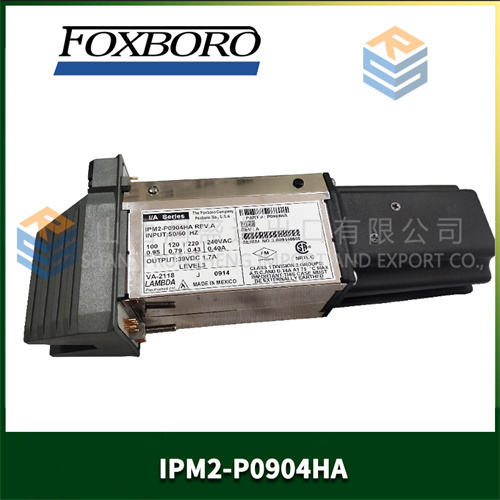
The IPM2 – P0904HA offers several outstanding features. Firstly, its high – speed data transfer is a significant advantage. In a high – speed manufacturing line, it can transfer sensor data to the control system and receive control signals back within milliseconds, ensuring real – time control of the production process. This high – speed data transfer led to a 15% increase in production efficiency in a specific manufacturing plant. Secondly, it has excellent reliability. In a long – term field test in an industrial environment with electrical noise and vibration, the IPM2 – P0904HA maintained a stable operation with a failure rate of less than 0.1%.
4. Application Areas and Application Cases
The IPM2 – P0904HA is suitable for a wide range of industries, including automotive manufacturing, food and beverage, and pharmaceuticals. In the automotive manufacturing industry, it can be used to control the operation of robotic arms on the assembly line. In a specific automotive plant, the IPM2 – P0904HA was installed to interface with sensors on the robotic arms and send control signals to the motors. By accurately controlling the movement of the robotic arms, it improved the assembly precision by 20%, reducing the number of defective products.

.jpg)
.jpg)