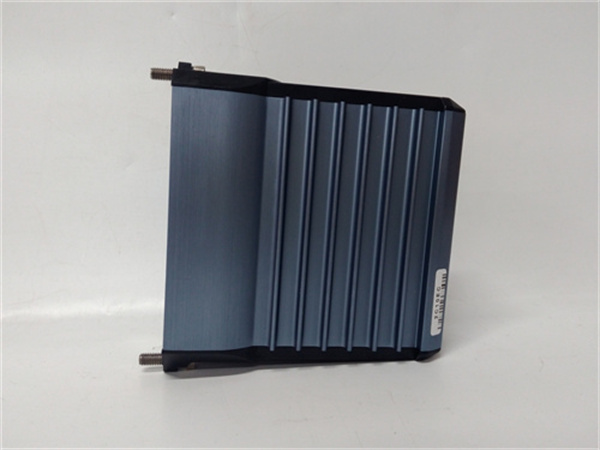
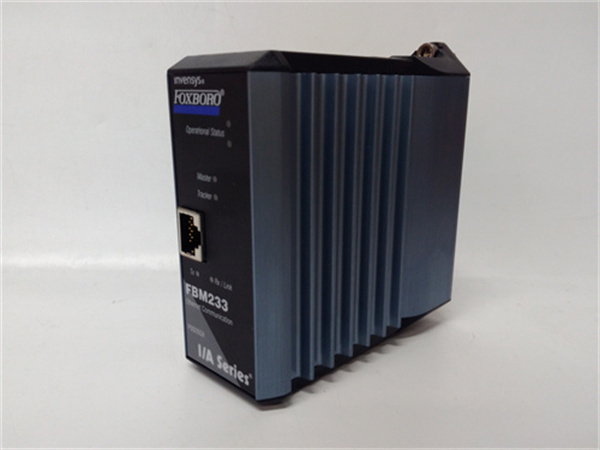
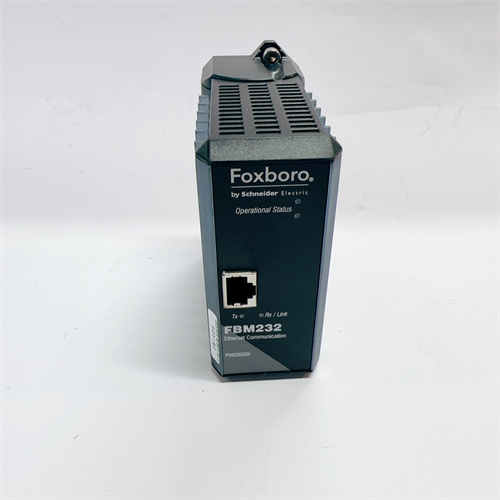
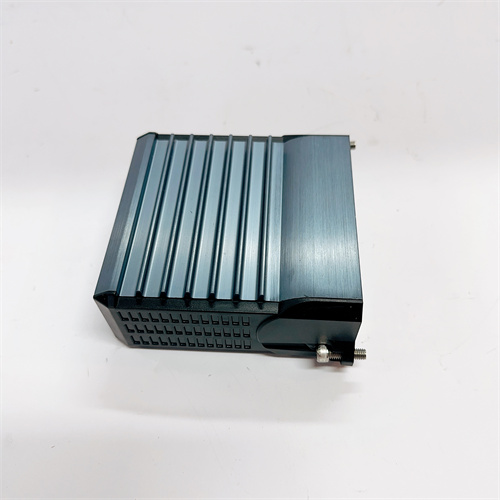
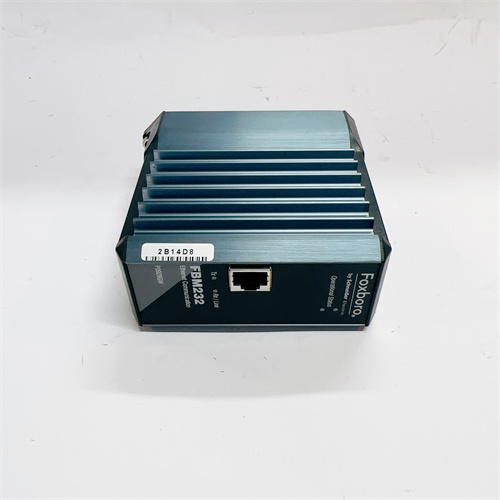
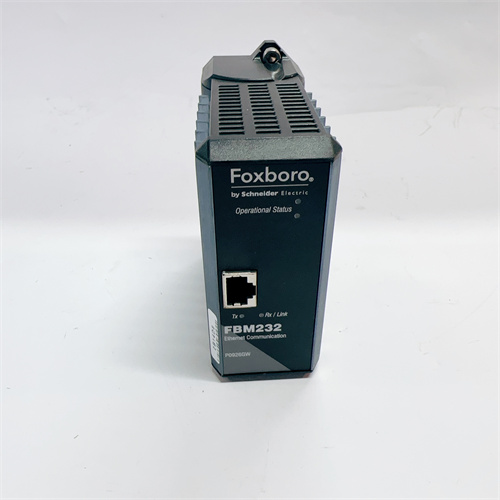
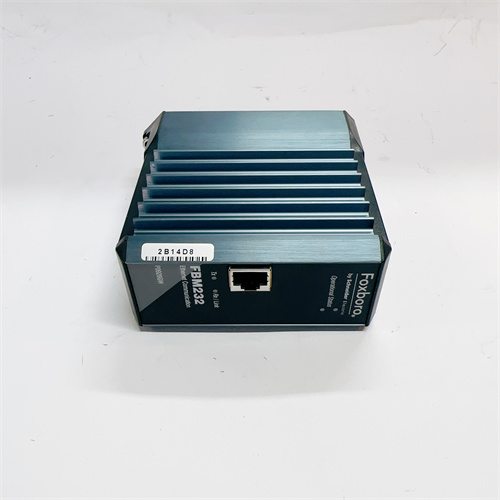
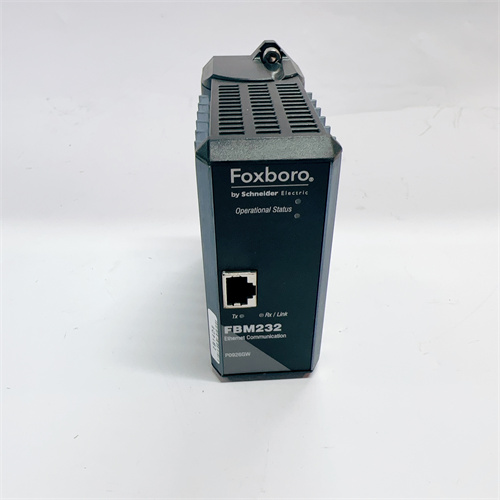
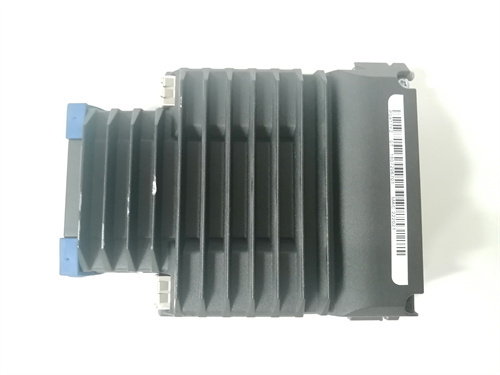
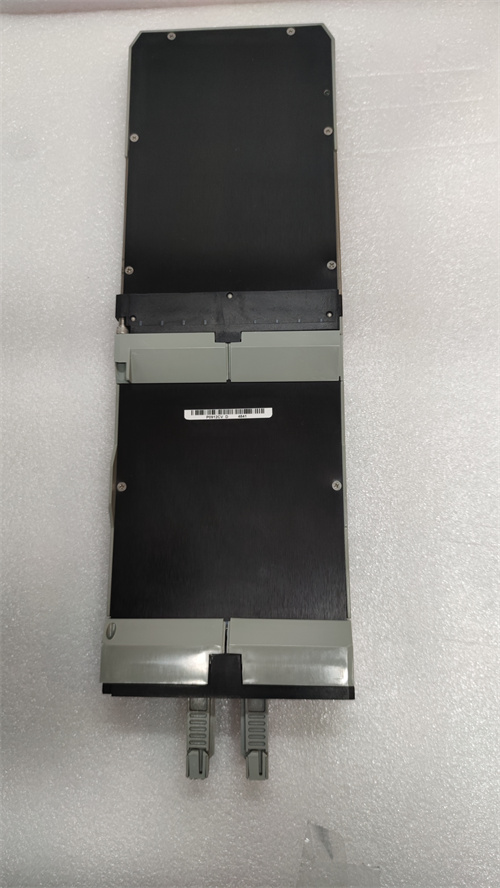
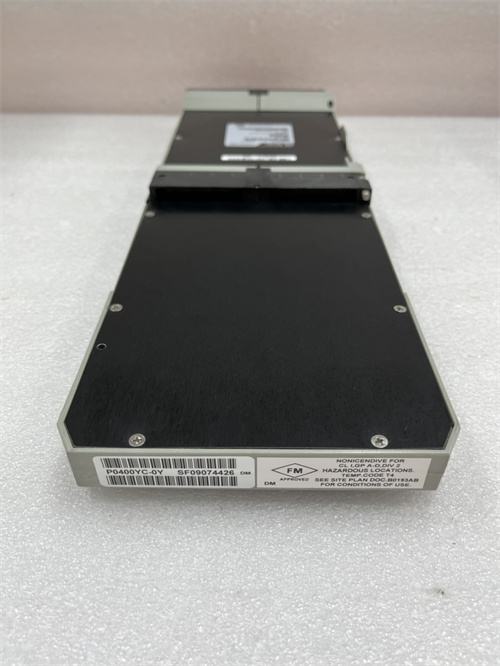
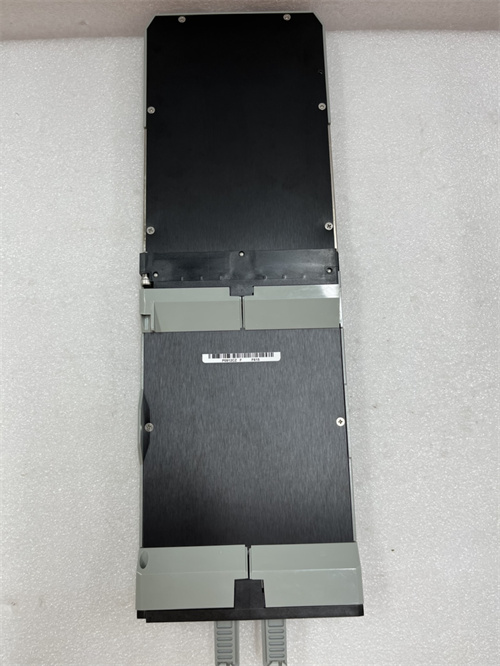
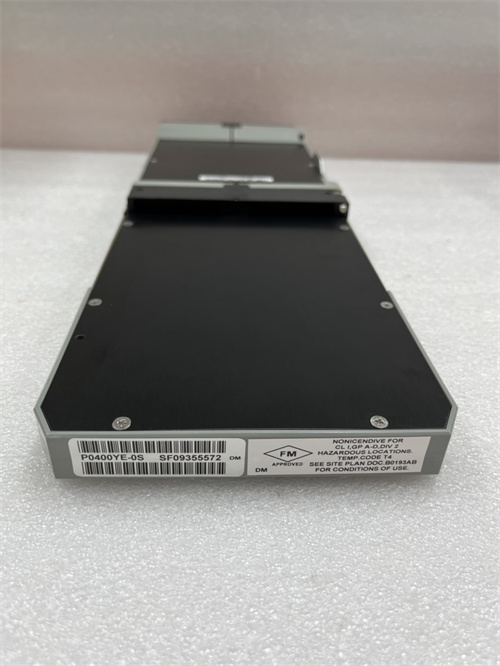
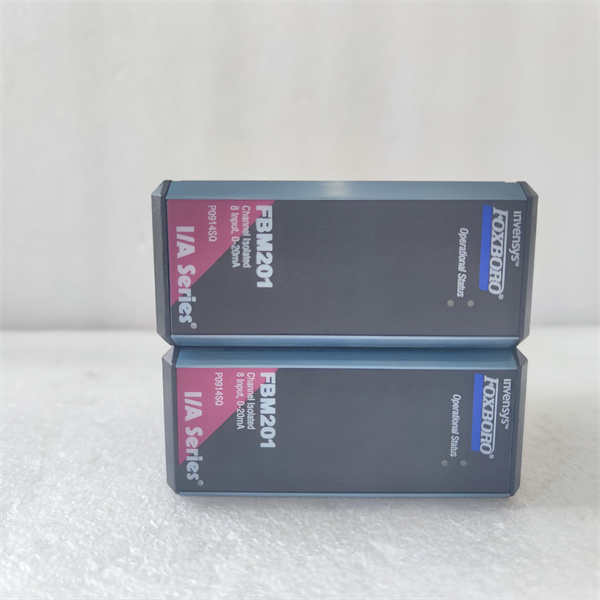
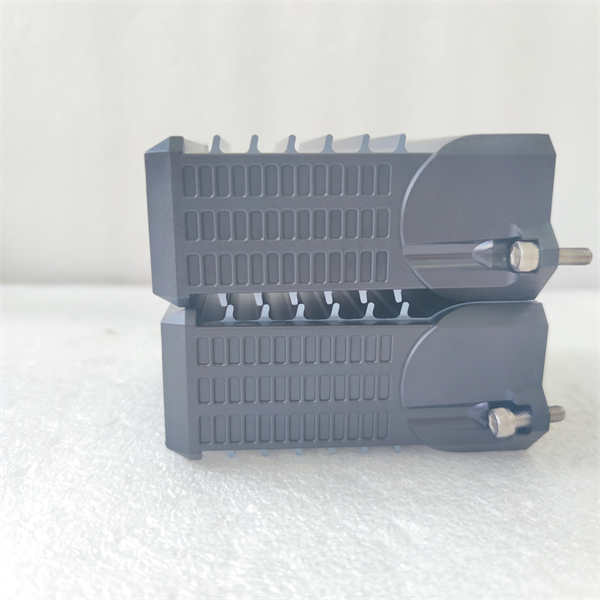
The FOXBORO P0101AG FBM242 module is a high-performance module designed to provide accurate measurement and control of a wide range of parameters. It is designed to be easy to install and use, with a simple and intuitive interface that allows for quick and easy configuration.
**Product Parameters**
– Input Range: 0-20mA
– Output Range: 0-20mA
– Accuracy: +/- 0.1%
– Power Supply: 24VDC
– Operating Temperature Range: -40°C to +85°C
Power supply: 10.2 to 30 VDC
Operating temperature: -40 to 70°C (-40 to 158°F)
Input voltage: 24 VDC nominal
Input current: 100 mA maximum
Output current: 45 mA maximum
Product Specifications:
Input types: 4-20 mA, 1-5 V, thermocouple, RTD, and others
Communication protocol: HART
type : digital output module
channel design : multi-channel, can control multiple external devices or execution components
function :
main function : used to output digital signal to external equipment, such as control switch, valve, relay and other digital output equipment
Application fields : widely used in industrial automation, process control, environmental monitoring and other fields
Internal power consumption: < 5w.
Power supply: dc24v, but can also support ac/dc85-265v, dc-48v, dc12v.
Dimensions: 50mm x 136mm x 118mm.
Operating temperature: -10 c to +70 c (wide temperature -40 c to +75 c).
Storage temperature: -45 c to +85 c.
Humidity: 10% – 95% without condensate.
Mounting: can be mounted on a wall or din carriage rail.
Protocols support: o-ring (maximum 250 switches in a single ring network, recovery time <30ms), MSTP (RSTP/STP), open-ring, o-chain, iec 62439-2 MRP, ieee 802.3at, ieee 1588v2, ipv6, modbus TCP.
Internal Power Consumption: ≤5W, ensuring energy efficiency.
Power Supply Options: DC24V, with optional AC/DC 85-265V, DC-48V, and DC12V, catering to diverse power requirements.
Transmission Rates: Supports up to 10 Mbps or 100 Mbps, ensuring high-speed data transfer
Specifications:
Design Standard: Industrial-grade with IP30 rating and a rugged corrugated high-strength housing.
Communication Interfaces: RJ45 for 10Base-T/100Base-TX Ethernet and SC/ST for 100Base-FX optical, supporting single-mode (20/40/60/80Km) and multi-mode (2/5Km) fibers
Model: FOXBORO FCP270
Type: Field Control Processor
Memory: 16 MB SDRAM, 32 MB Flash Memory
Input Voltage (Redundant): 24 VDC (Typical)
Power Consumption (Per Non-Fault-Tolerant Module): Maximum 8.5 W
Operating Temperature: 0 to +60°C (+32 to +140°F)
Dimensions and Weight:
Dimensions: 14.7 cm x 5.15 cm x 11.4 cm
Weight: 0.6 kg
The exact dimensions (such as length, width, and height) are not provided in the search results.
Weight
As stated in the specifications, the weight is 3kg.
Memory size: Has 16 MB SDRAM and 32 MB flash memory.
Input voltage: 24 V dc (redundant voltage).
Power consumption: Maximum 8.5W (per non-fault-tolerant module).
Operating temperature: 0 to +60 degrees Celsius (+32 to +140 degrees Fahrenheit).
Size and weight:
Dimensions: Length 14.7 cm, width 5.15 cm, height 11.4 cm.
Weight: 0.6 kg (shipping weight is 1.5 kg).
Model and Series: The FBM02 belongs to the FBM series module of the FOXBORO brand.
Application: Suitable for industrial automation control system, especially DCS (distributed control system) and PLC (programmable logic controller) field.
Output signal: Analog signal can be output, such as 0-20mA or 4-20mA.
Accuracy: Usually has a high measurement and control accuracy.
Model and Series: The FBM04 is a product under the FOXBORO brand, which belongs to the module or converter family in the field of industrial automation control.
Function: The FBM04 is a photoelectric converter that supports the function of PROFIbus-DP to optical fiber, and realizes the conversion of electrical signals from the profibus dp bus to optical fiber signals.
Interface: The FBM04 has profibus interfaces, two groups of optical fiber interfaces and two groups of dp bus interfaces.
Series:
The FBM04 belongs to the FBM family and is a module or converter commonly used in Foxboro industrial automation control systems.
Model: FBM201.
Operating voltage: Usually 12 to 30 volts direct current (DC).
Operating temperature: -40 ℃ to 85 ℃.
Communication interface: RS485.
Input module: has 8 digital input channels, conversion rate of 10 ms, accuracy of 16 bits binary.
Output signal: For the analog signal converter version, the output signal ranges from 4 to 20mA and can be adjusted as needed.