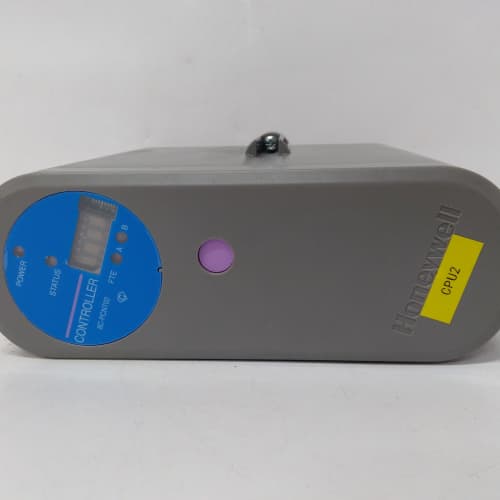
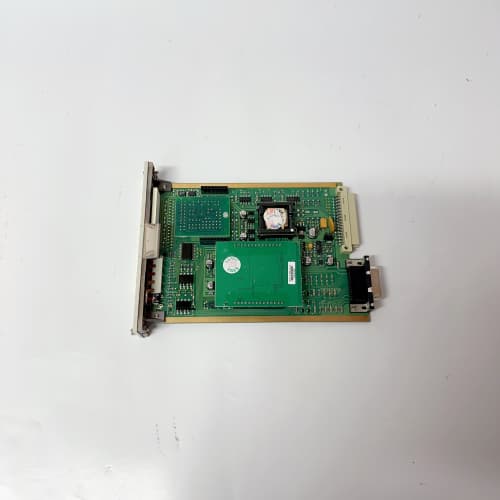
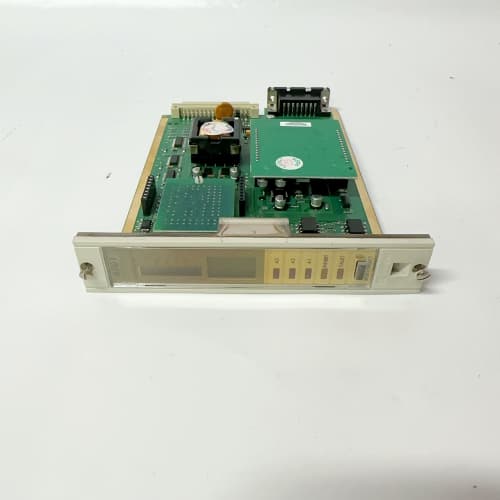
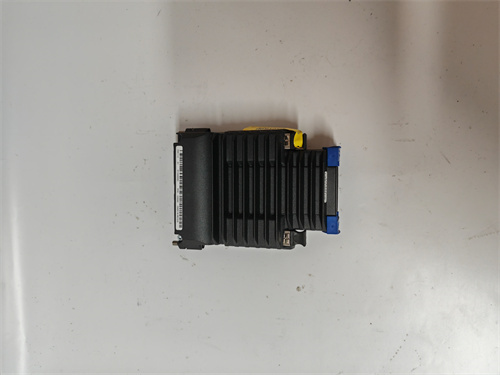
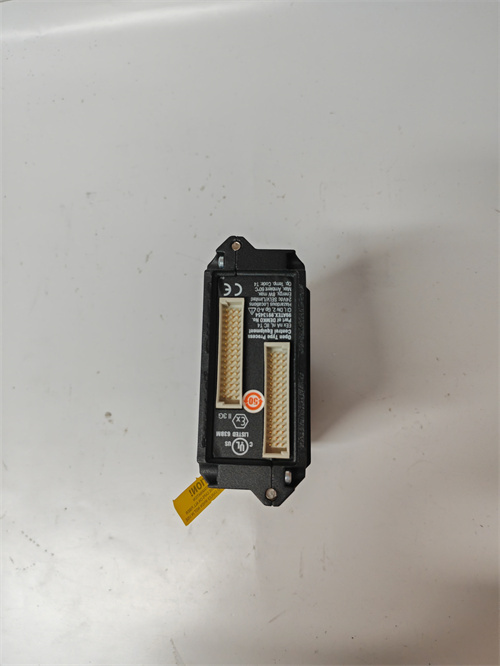
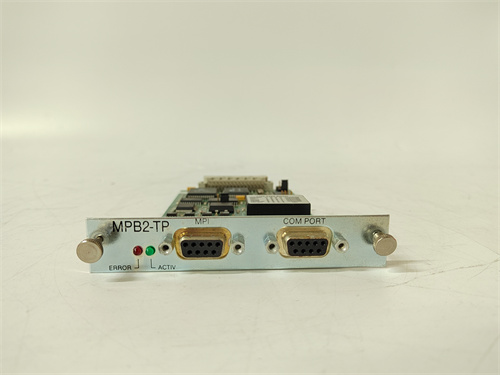
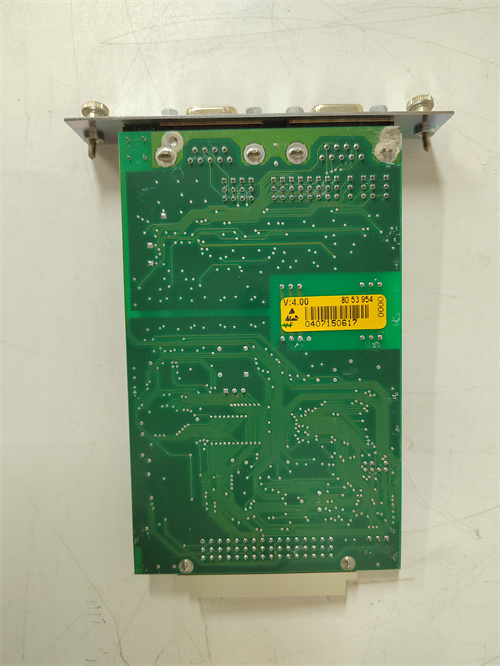
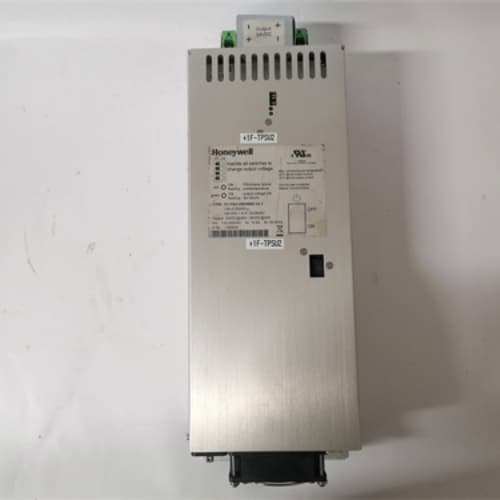
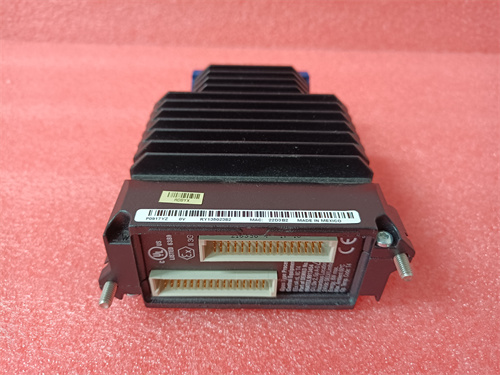
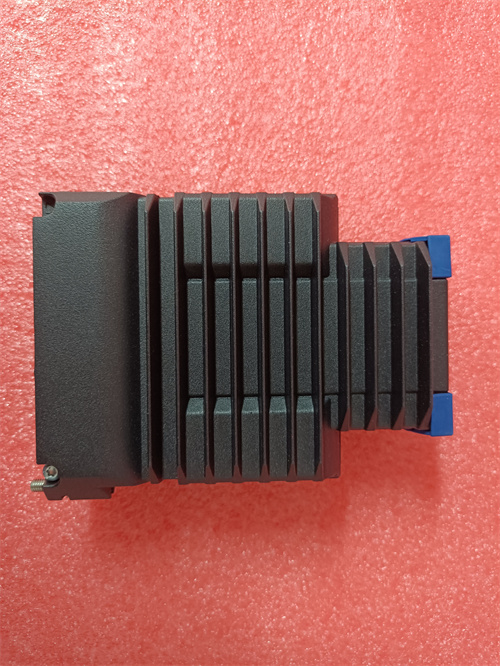
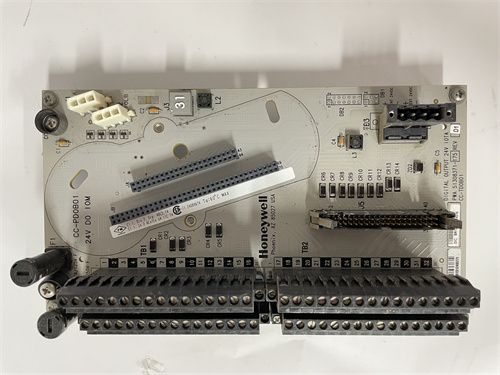
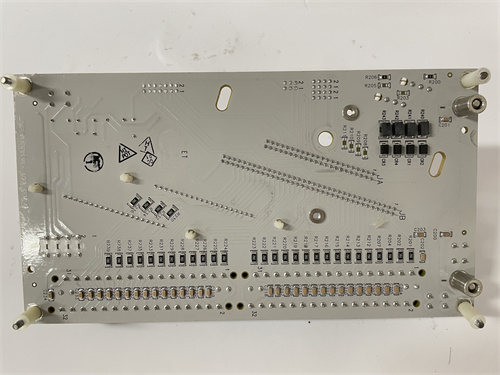
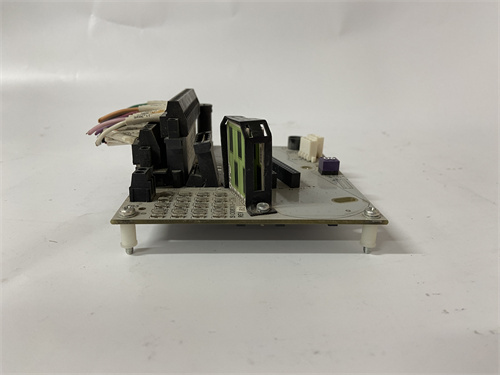
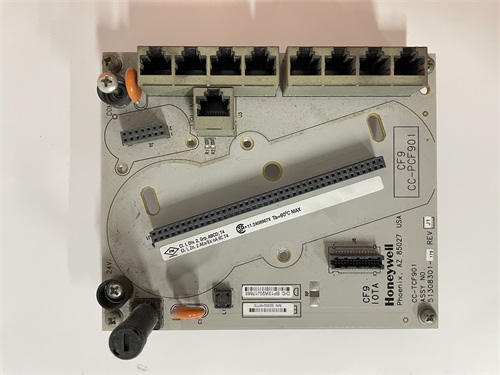
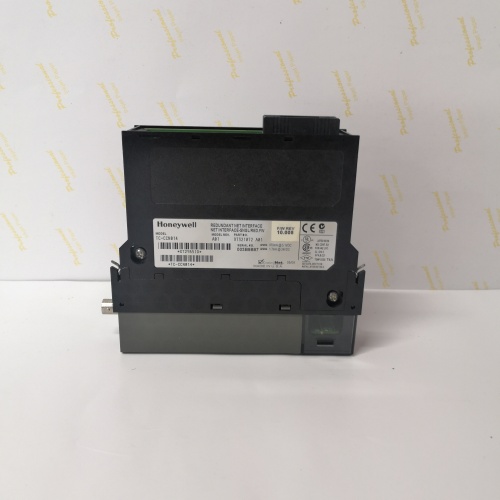
HONEYWELL 51404126-250 is a 7-slot High Performance Manager (HPM) chassis rack that serves as a core mounting and functional integration component for Honeywell’s HPM control systems, widely applied in industrial automation scenarios. HONEYWELL 51404126-250 provides a stable and robust installation platform for HPM modules, ensuring seamless coordination between various functional modules to maintain the high performance and reliability of the entire control system. HONEYWELL 51404126-250 is not only compatible with Honeywell’s Experion systems but also integrates smoothly with legacy Measurex platforms, making it an ideal choice for both new automation projects and old system upgrades. With a conformal coating design, HONEYWELL 51404126-250 can resist harsh industrial environmental factors and maintain stable operation in complex working conditions. As a key part of Honeywell’s HPM system assembly, HONEYWELL 51404126-250 plays an irreplaceable role in enhancing the overall operational efficiency and stability of industrial control systems.
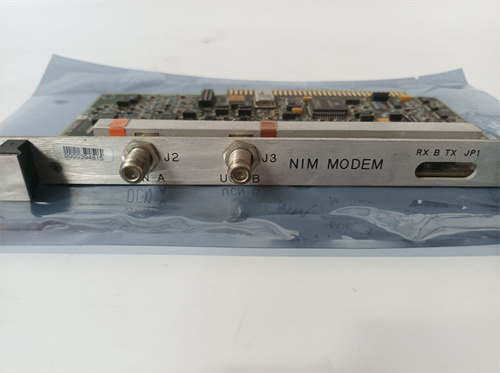
HONEYWELL 51304362-350 is a high-performance Communication Interface Module (CIM) designed for Honeywell’s TDC 3000/PM (Process Manager) distributed control system, serving as a critical bridge between the TDC 3000 controller and Universal Station (US) workstations. As a core component of Honeywell’s legacy DCS infrastructure, HONEYWELL 51304362-350 enables real-time data exchange, system configuration, and alarm management, making it essential for refineries, petrochemical plants, and power generation facilities still operating TDC 3000 systems. In a refinery’s crude unit control system, HONEYWELL 51304362-350 transmits process data from PM controllers to operator workstations; in a chemical plant’s batch process system, HONEYWELL 51304362-350 synchronizes configuration changes between controllers and US nodes; in a power plant’s boiler control system, HONEYWELL 51304362-350 relays critical alarm signals to the central monitoring station. Additionally, HONEYWELL 51304362-350 features robust industrial design, backward compatibility with TDC 3000 hardware, and built-in diagnostics, ensuring reliable operation in legacy DCS environments.
HONEYWELL 05701-A-0302 is a high-precision analog input module belonging to Honeywell’s Series 5701 I/O family, engineered for reliable acquisition of 4-20mA current loop signals in industrial applications such as oil & gas, chemical processing, water/wastewater treatment, and power generation. HONEYWELL 05701-A-0302 features 8 isolated single-ended analog input channels optimized for low-noise, high-accuracy measurement of process variables (pressure, flow, level) from 4-20mA transmitters. HONEYWELL 05701-A-0302 is designed for compatibility with Honeywell’s DCS, PLC, and RTU systems (including Experion PKS and ControlEdge), with built-in surge protection and diagnostic capabilities to ensure long-term reliability in harsh industrial environments. Additionally, HONEYWELL 05701-A-0302 supports hot-swappable installation and DIN-rail mounting, making it easy to integrate into existing control cabinets and minimize maintenance downtime. As a core analog input component of Honeywell’s industrial I/O portfolio, HONEYWELL 05701-A-0302 delivers consistent, accurate data to support process control and monitoring.
HONEYWELL FC-SAI-1620M is a high-density analog input module designed for Honeywell’s Safety Manager and FSC (Fail Safe Control) platforms, specializing in precise acquisition of 4-20mA current signals for safety-critical process monitoring. As a core I/O component of Honeywell’s SIS ecosystem, HONEYWELL FC-SAI-1620M delivers 16 channels of isolated analog inputs with SIL 3 certification, making it ideal for oil & gas refineries, petrochemical plants, LNG facilities, and chemical manufacturing sites. In a refinery’s pressure monitoring system, HONEYWELL FC-SAI-1620M collects data from pipeline transmitters; in a chemical plant, HONEYWELL FC-SAI-1620M monitors reactor level and flow signals for safety interlocks; in an LNG plant, HONEYWELL FC-SAI-1620M acquires cryogenic temperature transmitter data for storage tank safety. Additionally, HONEYWELL FC-SAI-1620M features hot-swappable design, advanced diagnostics, and robust isolation, ensuring reliable performance and minimal downtime in mission-critical environments.
HONEYWELL TP-FPW231 is a high-performance Fieldbus Power Supply module designed for Honeywell’s Experion® PKS, TPS, and Safety Manager control systems, engineered to provide reliable, redundant power to Foundation Fieldbus (FF) H1 and Profibus PA fieldbus networks in critical industrial applications such as oil & gas refining, chemical manufacturing, and power generation. HONEYWELL TP-FPW231 delivers isolated, FF H1/Profibus PA-compliant power (9-32V DC, 500mA per segment) with built-in surge protection and fault isolation, ensuring stable operation of smart field instruments (transmitters, valves, analyzers). HONEYWELL TP-FPW231 supports dual-redundant operation to eliminate single points of failure, and is certified to ATEX/IECEx Zone 2 for installation in hazardous environments. Additionally, HONEYWELL TP-FPW231 integrates advanced diagnostic capabilities for monitoring bus voltage, current, and fault conditions, enabling proactive maintenance and minimizing network downtime. As a core fieldbus infrastructure component of Honeywell’s control ecosystem, HONEYWELL TP-FPW231 ensures continuous power delivery to fieldbus devices for uninterrupted process control and safety monitoring.
HONEYWELL FS-SICC-2001/L15 is a high-reliability Safety Instrumented System (SIS) Controller Module designed for Honeywell’s FSC (Fail Safe Control) platform, engineered to execute critical safety logic and interlock functions in hazardous industrial environments. As the core processing unit of Honeywell’s FSC system, HONEYWELL FS-SICC-2001/L15 delivers SIL 3-compliant control with redundant processing capabilities, making it indispensable for oil & gas refineries, petrochemical plants, LNG facilities, and chemical manufacturing sites. In a refinery’s emergency shutdown (ESD) system, HONEYWELL FS-SICC-2001/L15 executes safety interlock logic to prevent overpressure or fire hazards; in an LNG liquefaction plant, HONEYWELL FS-SICC-2001/L15 controls emergency isolation valves for cryogenic storage tanks; in a chemical plant, HONEYWELL FS-SICC-2001/L15 enforces reactor temperature/pressure safety limits. Additionally, HONEYWELL FS-SICC-2001/L15 features hot-swappable design, advanced diagnostics, and seamless integration with FSC I/O modules, ensuring uninterrupted safety operation and minimal downtime for mission-critical applications.
HONEYWELL FC-DO-1624 is a high-performance digital output module designed for Honeywell’s Safety Manager and FSC (Fault Tolerant Control System) safety instrumented systems (SIS), engineered to deliver fail-safe control signals to field actuators (e.g., valves, pumps, alarms) in critical industrial applications such as oil & gas refining, chemical manufacturing, and power generation. HONEYWELL FC-DO-1624 features 16 isolated digital output channels with 24V DC transistor outputs, supporting both sourcing and sinking configurations to match diverse actuator requirements. HONEYWELL FC-DO-1624 is certified to IEC 61508 SIL 3—the highest safety integrity level for industrial control systems—ensuring compliance with the strictest global safety standards. Additionally, HONEYWELL FC-DO-1624 integrates advanced diagnostic capabilities and dual-channel redundancy support, minimizing the risk of signal failure and enhancing system reliability. As a core safety output component of Honeywell’s SIS portfolio, HONEYWELL FC-DO-1624 delivers reliable, fail-safe control to protect personnel, equipment, and the environment.
HONEYWELL DC-TDOB01 is a high-performance digital output module designed for Honeywell’s DeltaV™ distributed control system (DCS), specializing in reliable switching of discrete signals to actuate field devices (valves, pumps, relays, motors) in critical industrial processes. As a core component of Honeywell’s DeltaV CHARMs I/O portfolio, HONEYWELL DC-TDOB01 delivers 16 channels of isolated digital outputs with fast response times and robust protection features, making it ideal for oil & gas refineries, petrochemical plants, power generation facilities, and pharmaceutical manufacturing sites. In a refinery’s emergency shutdown (ESD) system, HONEYWELL DC-TDOB01 triggers valve closure and pump shutdowns; in a chemical plant, HONEYWELL DC-TDOB01 actuates safety interlock relays for reactor control; in a water treatment facility, HONEYWELL DC-TDOB01 controls chemical dosing pump switches. Additionally, HONEYWELL DC-TDOB01 features hot-swappable design, advanced diagnostics, and seamless DeltaV integration, ensuring uninterrupted operation and minimal downtime in mission-critical environments.
HONEYWELL DC-TDIL01 is a high-performance digital input module designed for Honeywell’s ControlEdge™ PLC and Safety Manager safety instrumented system (SIS) platforms, engineered to reliably acquire discrete signals from field devices (e.g., limit switches, emergency stop buttons, proximity sensors) in critical industrial applications such as oil & gas refining, chemical manufacturing, and power generation. HONEYWELL DC-TDIL01 features 16 isolated digital input channels optimized for 24V DC signals, supporting both sinking (NPN) and sourcing (PNP) configurations to match diverse sensor types. HONEYWELL DC-TDIL01 is certified to IEC 61508 SIL 2/SIL 3 (depending on system configuration) and complies with ATEX/IECEx Zone 2 standards, ensuring safe operation in explosive atmospheres. Additionally, HONEYWELL DC-TDIL01 integrates advanced diagnostic capabilities and hot-swappable installation, minimizing maintenance downtime and enhancing system availability. As a core discrete signal acquisition component of Honeywell’s control ecosystem, HONEYWELL DC-TDIL01 delivers fast, accurate detection of critical safety and process signals to support interlock logic and real-time monitoring.
HONEYWELL DC-TAIX01 is a high-performance analog input module designed for Honeywell’s DeltaV™ distributed control system (DCS), specializing in precise acquisition of industrial analog signals (4-20mA, 0-10V, thermocouple, RTD) for critical process monitoring and control. As a core component of Honeywell’s DeltaV I/O portfolio, HONEYWELL DC-TAIX01 delivers 8 channels of isolated analog inputs with high accuracy and fast sampling rates, making it ideal for oil & gas, petrochemical, pharmaceutical, and power generation industries. In a refinery’s crude distillation unit, HONEYWELL DC-TAIX01 collects temperature and pressure data from RTDs and transmitters; in a biopharmaceutical plant, HONEYWELL DC-TAIX01 monitors batch reactor pH and dissolved oxygen levels via 4-20mA signals; in a gas turbine power plant, HONEYWELL DC-TAIX01 acquires vibration and exhaust temperature data from thermocouples. Additionally, HONEYWELL DC-TAIX01 features hot-swappable design, advanced diagnostics, and seamless DeltaV integration, ensuring reliable performance and minimal downtime in mission-critical environments.
HONEYWELL CC-TUIO01 is a versatile universal I/O module designed for Honeywell’s Experion® PKS (Process Knowledge System) and TPS (TotalPlant Solution) control platforms, engineered to support mixed analog/digital input/output signals in critical industrial applications such as oil & gas refining, chemical manufacturing, and power generation. HONEYWELL CC-TUIO01 features 16 configurable channels (8 analog + 8 digital, or fully analog/digital) that can be independently set for input or output, enabling flexible adaptation to diverse field device requirements (e.g., 4-20mA sensors, 24V DC switches, control valve actuators). HONEYWELL CC-TUIO01 is certified to IEC 61508 SIL 2/SIL 3 (depending on configuration) and complies with ATEX/IECEx Zone 2 standards, ensuring safe operation in explosive atmospheres. Additionally, HONEYWELL CC-TUIO01 integrates advanced diagnostic capabilities and hot-swappable installation, minimizing maintenance downtime and enhancing system scalability. As a flexible core I/O component of Honeywell’s control ecosystem, HONEYWELL CC-TUIO01 streamlines hardware deployment by replacing multiple single-function modules with a single universal unit.
HONEYWELL CC-TFB412 is a high-performance Fieldbus Communication Module designed for Honeywell’s Experion® PKS and Safety Manager systems, enabling seamless integration between central controllers and Foundation Fieldbus (FF) H1 field devices (sensors, actuators, transmitters). As a core connectivity component of Honeywell’s industrial automation ecosystem, HONEYWELL CC-TFB412 supports real-time data exchange, device diagnostics, and bus power management, making it essential for oil & gas refineries, petrochemical plants, LNG facilities, and pharmaceutical manufacturing sites. In a refinery’s process control system, HONEYWELL CC-TFB412 connects FF pressure transmitters and flow meters to the Experion PKS controller; in a chemical plant, HONEYWELL CC-TFB412 enables communication with FF valve positioners for reactor control; in a pharmaceutical facility, HONEYWELL CC-TFB412 links FF temperature sensors to the Safety Manager for batch process monitoring. Additionally, HONEYWELL CC-TFB412 features redundant fieldbus ports, built-in surge protection, and hot-swappable design, ensuring uninterrupted communication and minimal downtime in mission-critical environments.