argument
Power supply voltage: 24 VDC
Power consumption: Maximum 20 W
Operating temperature range: -40°C to 85°C
Storage temperature range: -55°C to 125°C
Humidity: 5% to 95% (non-condensing)
Protection class: IP65
specification
Dimensions: 80 mm x 60 mm x 30 mm
Support system: PLC/DCS system
Features: Powerful
Shape: Square
Operating voltage: 110-240V (Input voltage range may also include 115/230VAC, depending on the application environment)
No-load power consumption: 13W
Input frequency range: 47-63 Hz
specification
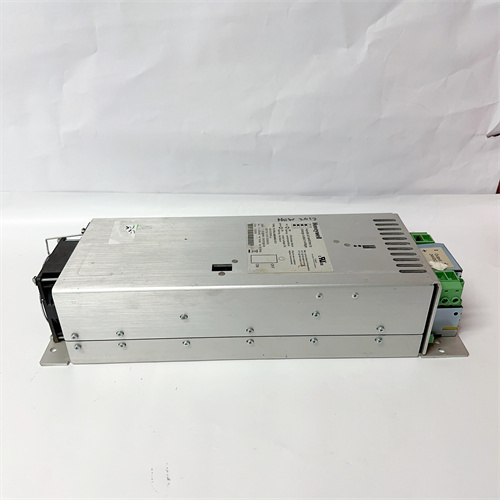
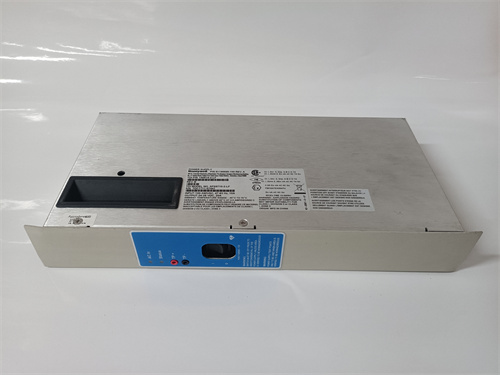
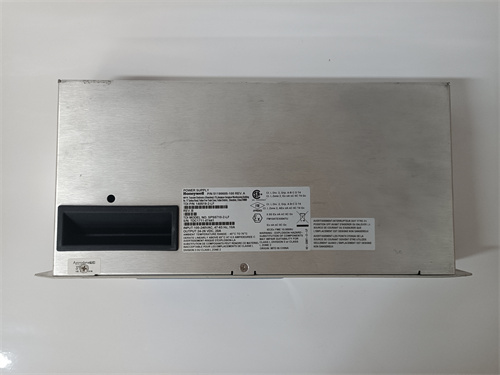
Brand: HONEYWELL
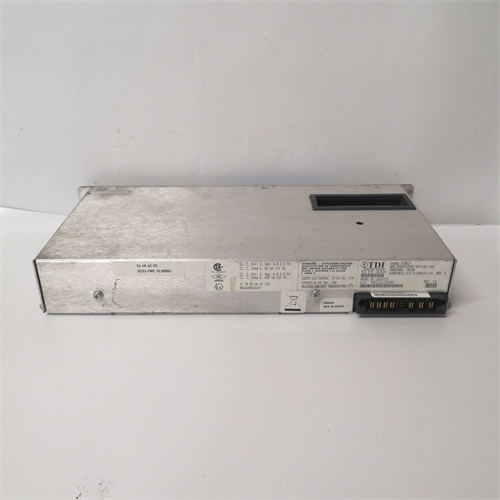
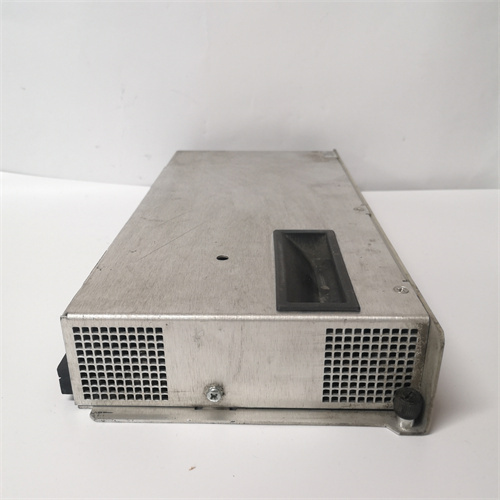
Model: FC-PSU-UNI2450U V2.1
Net product weight: Different sources give different weight values, including 2.3kg and 5.7kg, the exact weight may vary depending on the product configuration and packaging.
Support system: PLC/DCS system
dimension
Physical size: 420.5×140×90 mm (W×H×D) or 16.57×5.51×3.54 in (W×H×D)
argument
Voltage: Usually supports a certain input voltage range, such as AC 85~265V or DC 100~370V, the specific output voltage is converted according to the requirements of the equipment.
Current: Depending on the specific model and application scenario, it may have different current output capabilities, such as 100-400A.
Output frequency: Multiple output frequencies may be supported, such as 47/63Hz or higher.
specification
Size: The size may vary depending on the specific product, some say 16236mm, some say 212.065mm or 62*71mm, please refer to the actual product.
Weight: The weight may also vary depending on the specific product, some say 1.37kg, some say 2KG or 5.6kg, please refer to the actual product.
Color: Usually standard or silver.
argument
Voltage: 24V
Current: Loop powered device Max. 25mA, isolation 24V+ 5% regulation
Power consumption: 8.3W (Max), 7.5W (typical)
Measuring signal range: 0 to 25mA (linear)
Maximum line resistance: 500 ohms loop resistance, including sensor
Isolated breakdown voltage: > 50V dc to system 0V
specification
Brand: Honeywell
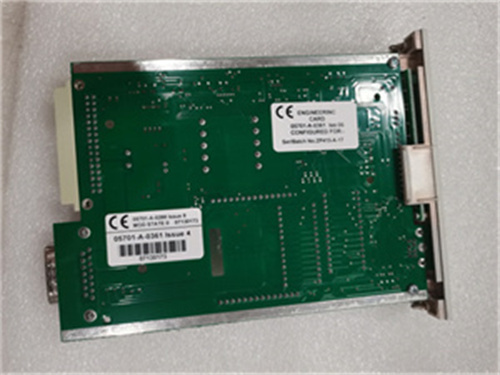
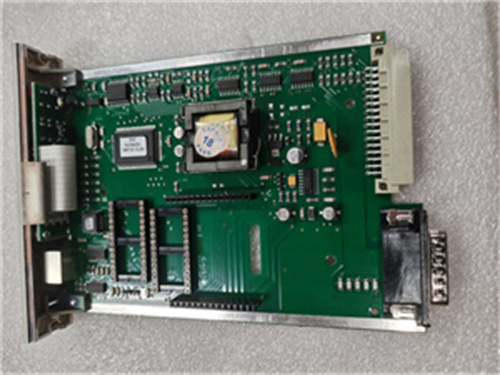
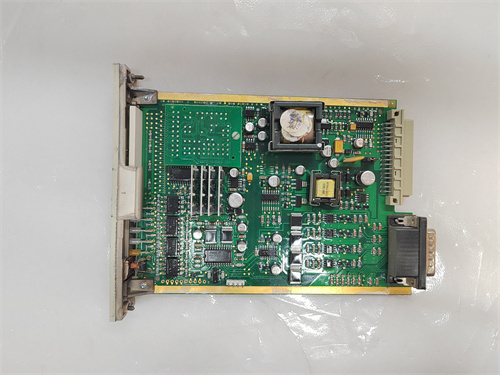
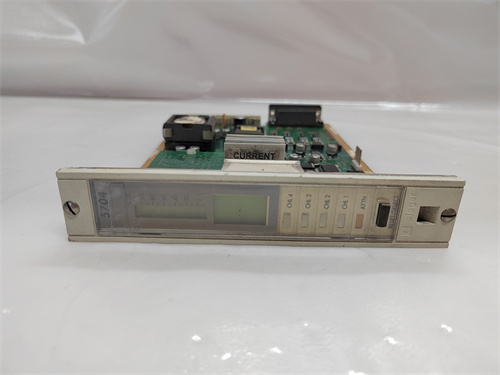
Model: 05704-A-0145
Type: four-channel control card
Input type: 4-20 MA Input
Size and weight
Weight: varies from description to description, such as 0.18kg (net weight of product), 1.5kg (material weight of product), 2KG (shipping weight)
Size: 20cm x 10cm x 5cm
argument
Voltage: 24V
Output signal type: Support a variety of output signal types, such as 4-20mA, 0-10V, etc
Resolution: Although not directly mentioned, Honeywell products typically have high precision and high resolution
specification
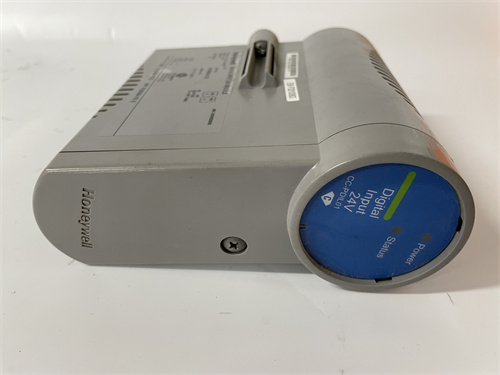
Brand: Honeywell
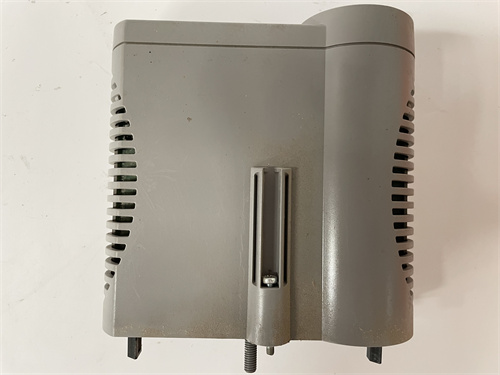
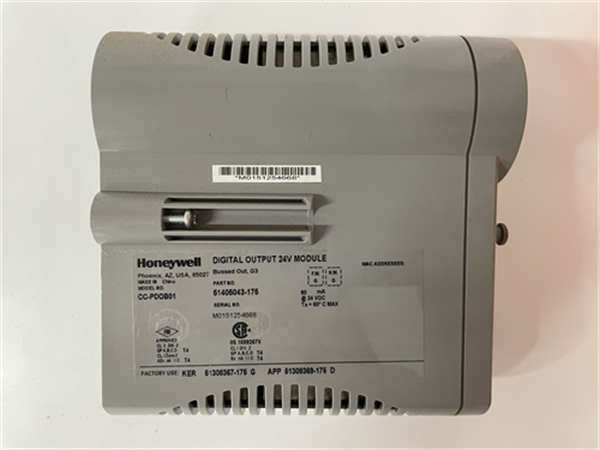
Model: CC-PDIL51
Origin: May be from the United States, but there are also Chinese-produced versions
Support system: Possible for DCS module /PLC card
Size and weight
Weight: 2KG
Parameters, specifications
Size: The overall size is 132mm105mm52mm.
Weight: 800g net.
Case: IP30 protection grade, corrugated aluminum reinforced case.
Installation method: 35mmDIN rail installation.
Working environment temperature: the standard range is -10-70℃, but the wide temperature of -40~+85℃ is available.
argument
Input: May include 4-20mA, 1-5V, 0-5V, etc.
Voltage range: 240 Vac or 24V DC may be supported.
Current: Some information indicates that the current range may be 100-400A, but the maximum load each channel can handle is 100mA.
Power: 60W.
specification
Main functions: Accept high level analog voltage signals from the system, buffer, isolate, filter and amplify, and provide current or voltage output to field equipment.
Application fields: May be used in various industrial automation, process control, security systems and other fields.
Compatibility: May be compatible with multiple devices from Honeywell or other manufacturers.
Parameters and specifications
The SPS5710 51199929-100 processor module receives high level analog voltage signals from the system, and buffers, isolates, filters and amplifies these signals before providing current or voltage output to field devices. This ensures signal stability and reliability, thereby improving the performance of the entire system.
Applications: The processor module may be used in various industrial automation, process control, security systems and other fields. It provides power to various sensors, actuators, controllers and other devices to ensure that these devices can work properly.
Parameters:
Voltage: 24V
Current: 100-400A
Power: Motor power may be involved, but the specific value is not directly given, the example mentions 1kW
Specifications:
Specifications may include electrical parameters such as voltage and current, but specific specifications may need to refer to the product manual or official materials.
Size:
Dimensions: 111mm
Weight:
Weight: 2kg