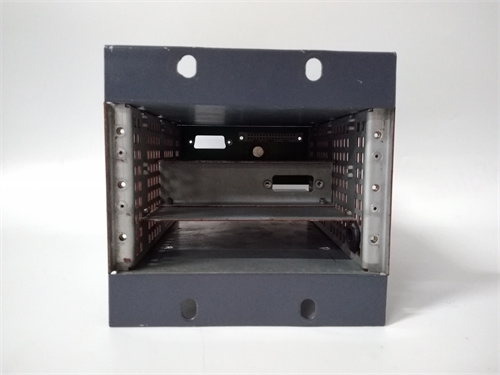
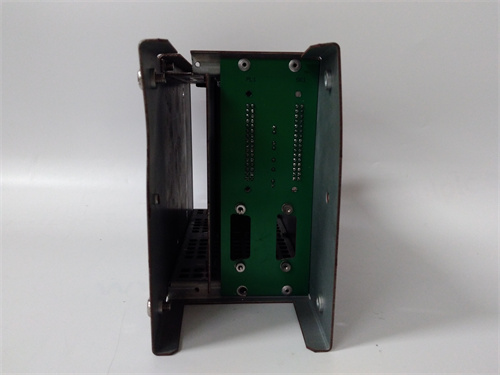
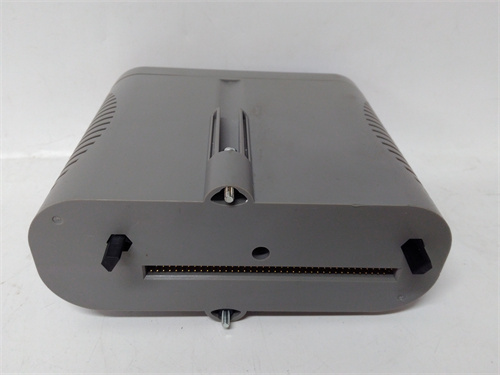
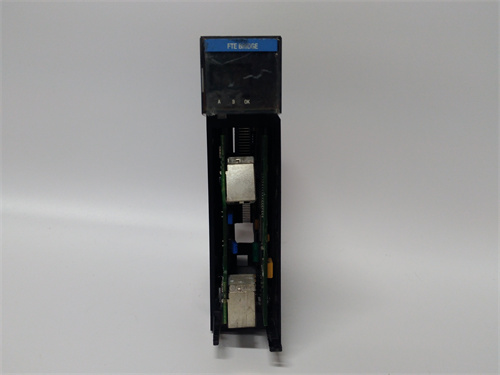
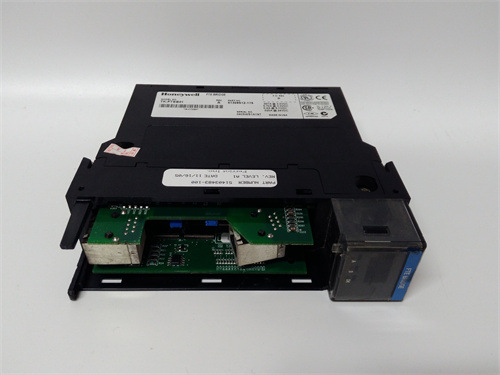
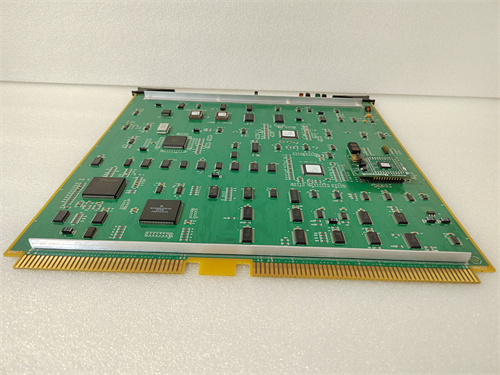
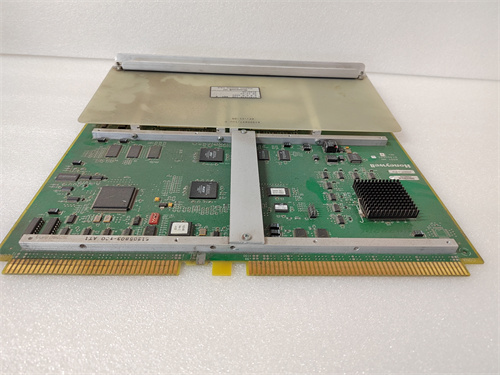
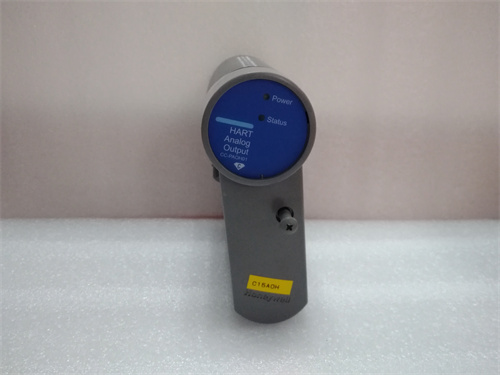
The HONEYWELL 900G02-0202 is a dedicated power supply module designed for use within Honeywell’s 900 Series control systems, including the 900C (ControlEdge) and related platforms. This module provides reliable, regulated DC power to the controller, I/O modules, and other system components within the 900 Series architecture. As part of Honeywell’s industrial automation portfolio, the HONEYWELL 900G02-0202 is engineered to deliver stable power with high efficiency, comprehensive protection features, and seamless integration with the 900 Series backplane and mounting infrastructure. It is recognized as an OEM component for new installations, system expansions, and maintenance of existing Honeywell 900 Series control systems in industrial applications ranging from manufacturing and process control to building automation and infrastructure management.
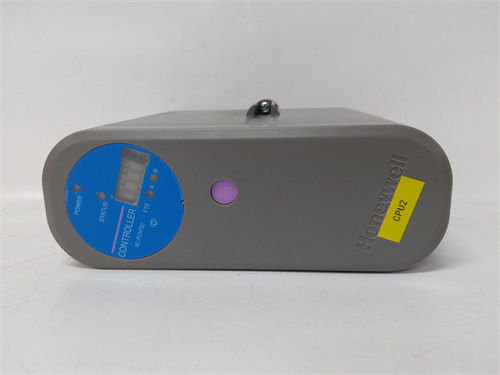
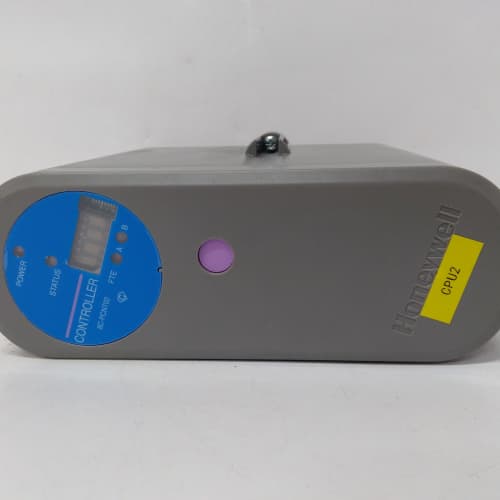
The HONEYWELL 8C-PCNT02 is a high-performance controller module designed for use within Honeywell’s Experion PKS (Process Knowledge System) and C300 distributed control system (DCS) architecture. This module serves as the primary control processor within the Series C I/O family, providing the computational power, communication capabilities, and control execution for process automation applications. The HONEYWELL 8C-PCNT02 is part of the C300 controller platform, which is widely recognized for its reliability, scalability, and advanced control capabilities in industries ranging from refining and chemicals to power generation and pharmaceuticals. As an OEM component within the Experion ecosystem, this controller module is engineered to execute complex control strategies, manage I/O communications, and integrate with higher-level systems while providing robust fault tolerance and high availability for mission-critical applications. The “PCNT02” designation typically indicates a specific configuration variant within the C300 controller family, which may offer enhanced processing capabilities, expanded memory, or additional communication features compared to other variants.
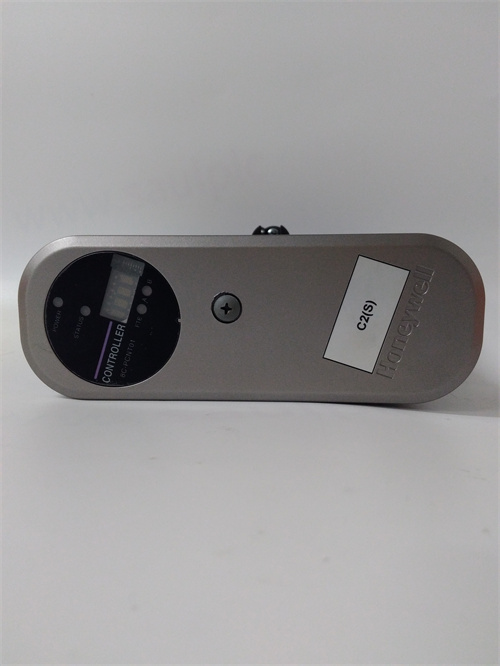
The HONEYWELL 8C-PCNT01 is a high-performance controller module designed for use within Honeywell’s Experion PKS (Process Knowledge System) and C300 distributed control system (DCS) architecture. This module serves as the primary control processor within the Series C I/O family, providing the computational power, communication capabilities, and control execution for process automation applications. The HONEYWELL 8C-PCNT01 is part of the C300 controller platform, which is widely recognized for its reliability, scalability, and advanced control capabilities in industries ranging from refining and chemicals to power generation and pharmaceuticals. As an OEM component within the Experion ecosystem, this controller module is engineered to execute complex control strategies, manage I/O communications, and integrate with higher-level systems while providing robust fault tolerance and high availability for mission-critical applications.
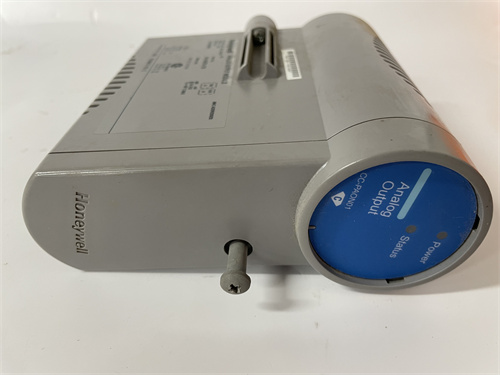
The HONEYWELL 8C-PAONA1 is a high-performance analog output module designed for use within Honeywell’s Experion PKS (Process Knowledge System) and C300 distributed control system (DCS) architecture. This module is part of the Series C I/O family, which is widely recognized for its reliability, flexibility, and seamless integration with Honeywell’s advanced process automation platforms. The HONEYWELL 8C-PAONA1 provides analog output channels for controlling field devices such as control valves, variable frequency drives (VFDs), positioners, and other final control elements requiring continuous 4–20 mA or 0–20 mA signals. As an OEM component within the Experion ecosystem, this module is engineered to deliver precise, stable output signals with high accuracy and built-in diagnostics, ensuring reliable process control in demanding industrial applications. The “NA” designation in the model typically indicates specific channel count, isolation characteristics, or configuration options within the Series C analog output portfolio.
The HONEYWELL 8C-PAOHA1 is a high-performance analog output module designed for use within Honeywell’s Experion PKS (Process Knowledge System) and C300 distributed control system (DCS) architecture. This module is part of the Series C I/O family, which is widely recognized for its reliability, flexibility, and seamless integration with Honeywell’s advanced process automation platforms. The HONEYWELL 8C-PAOHA1 provides multiple analog output channels for controlling field devices such as control valves, variable frequency drives (VFDs), positioners, and other final control elements requiring continuous 4–20 mA or 0–20 mA signals. As an OEM component within the Experion ecosystem, this module is engineered to deliver precise, stable output signals with high accuracy and built-in diagnostics, ensuring reliable process control in demanding industrial applications.
The HONEYWELL GR-2C-DC24V is a plug-in style industrial relay that belongs to Honeywell’s GR series, a family widely recognized for its reliability and versatility in control panel applications. This specific model, HONEYWELL GR-2C-DC24V, features a 24 V DC coil and dual form-C (DPDT—Double Pole Double Throw) contacts, providing two independently controlled switching circuits within a single compact housing. Engineered for industrial environments, the HONEYWELL GR-2C-DC24V incorporates robust contact materials designed to withstand the inrush currents associated with inductive loads such as solenoids and motor starters. The clear, finger-safe housing allows for visual status indication (typically via an integrated LED) and facilitates rapid replacement in the field without requiring rewiring, making the HONEYWELL GR-2C-DC24V an ideal choice for maintenance-sensitive applications.
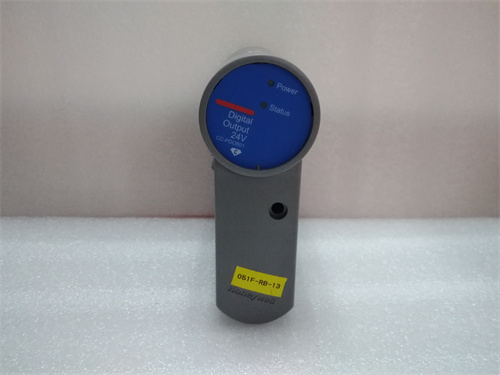
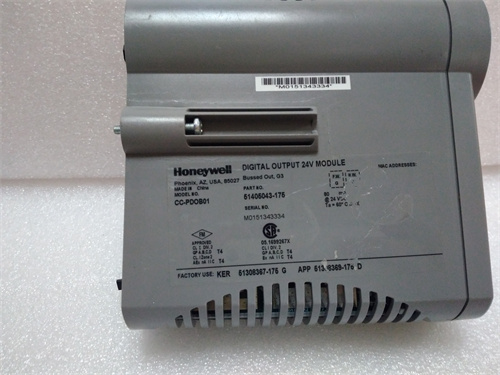
The [HONEYWELL CC-PDOB01](Insert Link Here) is a Digital Output Module belonging to the Honeywell Series C I/O family, specifically designed for the Experion PKS (Process Knowledge System) and C300 Controller architecture. This 16-channel module provides reliable discrete output control for field devices such as solenoids, actuators, and indicating lights. Engineered for high-density installations, the HONEYWELL CC-PDOB01 delivers robust performance in continuous process manufacturing environments, ensuring precise and safe actuation of final control elements.
The HONEYWELL 51304650-100 is a critical power supply module designed for Honeywell’s TDC 3000 distributed control system (DCS), providing reliable DC power to various components within this legacy but widely installed industrial automation platform. This power supply module converts incoming AC line voltage to the regulated DC voltages required by TDC 3000 controllers, I/O modules, and communication interfaces, ensuring continuous operation of process control systems in refineries, chemical plants, and other industrial facilities. As an essential component of Honeywell’s TDC 3000 family, the HONEYWELL 51304650-100 delivers the robust power delivery and reliability required for critical process control applications.
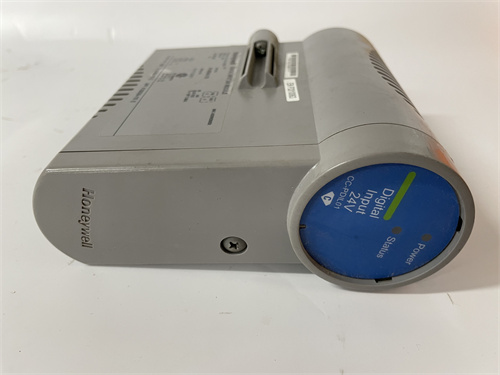
The HONEYWELL CC-PDIL01 is a high-performance digital input module designed for Honeywell’s Experion distributed control system (DCS), providing reliable acquisition of discrete signals from field devices in industrial automation applications. This module serves as a critical interface between field contact devices—such as pushbuttons, limit switches, relay contacts, and proximity sensors—and the control system’s processing elements. As an essential component of Honeywell’s Series C I/O family, the HONEYWELL CC-PDIL01 delivers the robust performance and reliability required for continuous process operations.
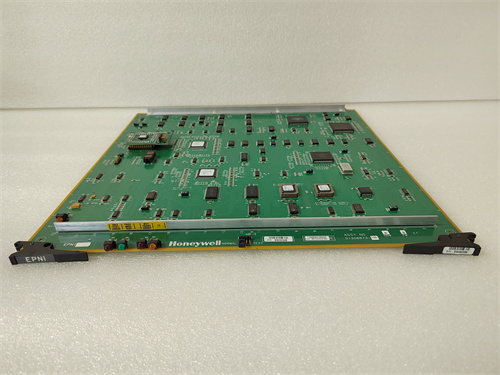
The HONEYWELL 51306673-100 EPNI is a high-performance Ethernet communication interface module designed specifically for Honeywell’s Experion Process Knowledge System (PKS) distributed control architecture. As part of Honeywell’s extensive automation portfolio, this model serves as a critical network interface component that enables seamless communication between Experion controllers, engineering workstations, and plant-wide control networks. The HONEYWELL 51306673-100 EPNI incorporates advanced industrial Ethernet technology with Honeywell’s proprietary communication protocols, ensuring reliable and deterministic data exchange in demanding continuous process environments. This Ethernet interface module features robust construction with redundant communication paths, comprehensive diagnostics, and seamless integration with Honeywell’s broader Experion ecosystem. The HONEYWELL 51306673-100 EPNI represents Honeywell’s commitment to providing reliable, high-performance network infrastructure for the most demanding process control applications in oil and gas, refining, chemical, and power generation industries.
HONEYWELL 51403645-100 SBHM is a specialized module or interface board, likely a Power Supply or Backplane Mounting unit, designed by Honeywell for their industrial control systems, probably for the TDC 2000, TDC 3000, or early Experion platforms. This unit performs a key function in providing mechanical mounting and electrical connectivity for other modules within the system chassis, or supplying conditioned power to them, ensuring the reliable and coordinated operation of automated complexes in process industries. The HONEYWELL 51403645-100 SBHM is engineered for reliable operation in the demanding conditions of industrial facilities. The HONEYWELL 51403645-100 SBHM is recognized in many power and industrial facilities for its stable performance and its ability to integrate into legacy, yet still operational, Honeywell systems. When performing maintenance or upgrades on Honeywell control systems from previous generations, the HONEYWELL 51403645-100 SBHM represents an original solution that guarantees the preservation of system integrity and reliability.
The HONEYWELL CC-PAOH01 is a high-performance analog output module designed for the Honeywell Experion Process Knowledge System (PKS) and C300 controller family. This module is part of the Series C I/O family and provides precision analog control signals to field devices such as positioners, variable frequency drives, and control valves, forming the final link between the control strategy and the physical process. The CC-PAOH01 delivers exceptional reliability and signal integrity in demanding continuous process environments. As an original Honeywell product, this module guarantees full compatibility with C Series controllers and termination assemblies, ensuring accurate and stable output signals for critical control loops.