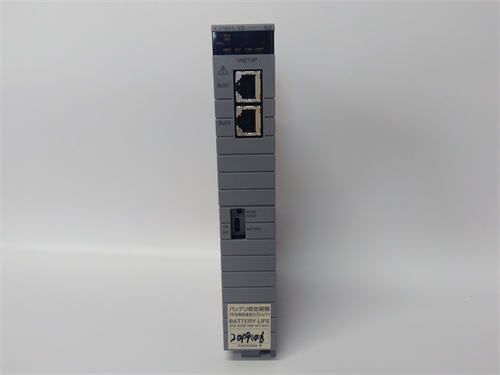
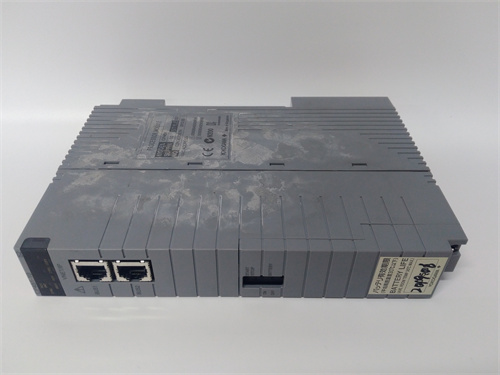
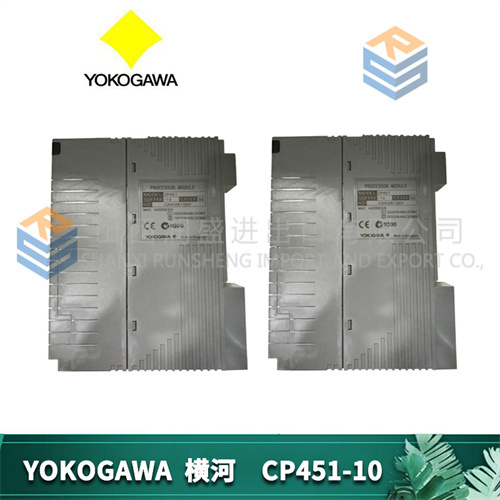
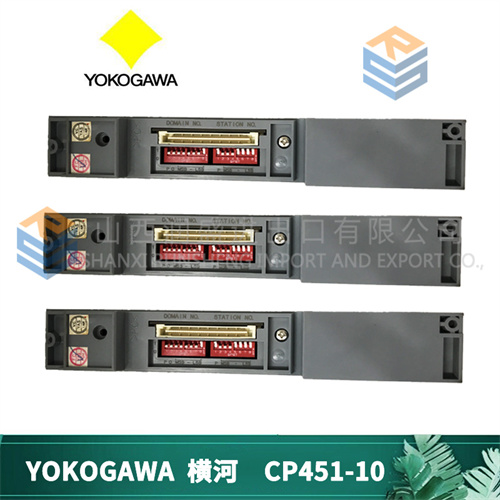
Input/output points: Expandable up to 256 input and 256 output points.
Communication interface: Supports a variety of communication protocols, such as Modbus, ASCII, RTU, etc.
Programming language: Support a variety of programming languages, such as instruction table (IL), ladder diagram (LD), function diagram (FC), structured text (ST), etc.
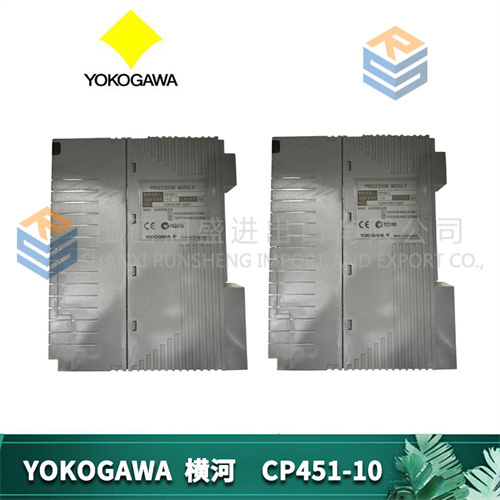
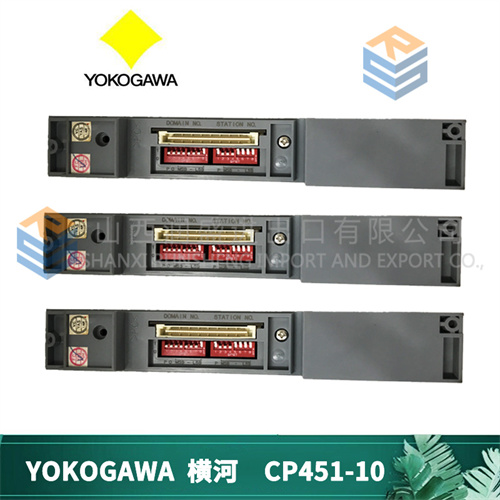
Origin: Different places of origin are mentioned in the search results, such as Japan, Shenyang, Liaoning Province, Switzerland, but the most likely origin is Japan, because YOKOGAWA is a well-known company in Japan.
Whether it is standard: Yes
Customized for processing: No
Application scope: Supports dual redundancy
Insulation resistance: 10 MΩ or higher (500v DC) for analog signal modules; 10 MΩ or higher for thermocouple and resistance temperature detector modules at 200v DC
Withstand voltage: 1500v AC 1 min for analog signal module; For thermocouple and resistance temperature detector modules run 200v AC for 1 minute
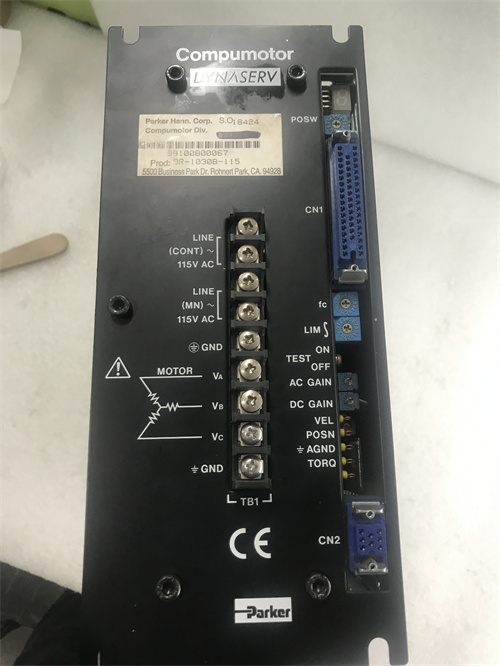
The exact parameters and specifications for YOKOGAWA SR1030B62 may vary based on different applications or product configurations. However, it is typically a servo actuator or similar device.
Common specifications for servo actuators include:
Torque range
Speed range
Positioning accuracy
Control interface (e.g., pulse, analog, communication protocol)
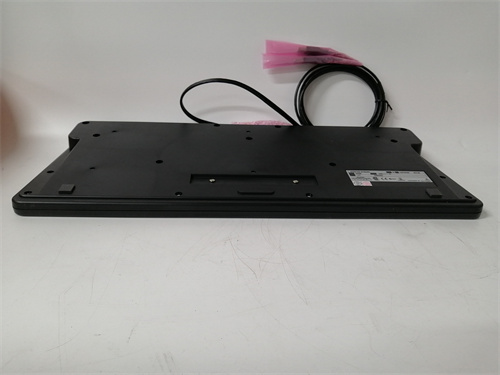
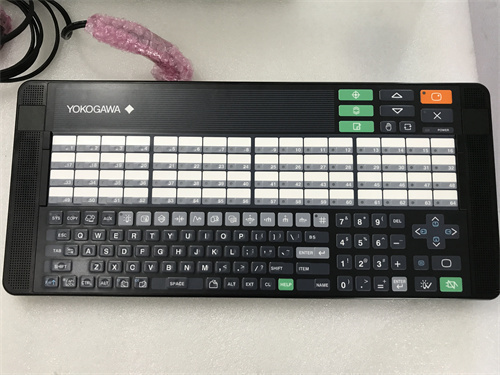
Operating keyboard: single-loop operation, suffix code -0 indicates that there is no mode selection switch, -1 indicates that there is a mode selection switch.
Connection details: Operation CON connection rules have fifteenth key type A and type B two.
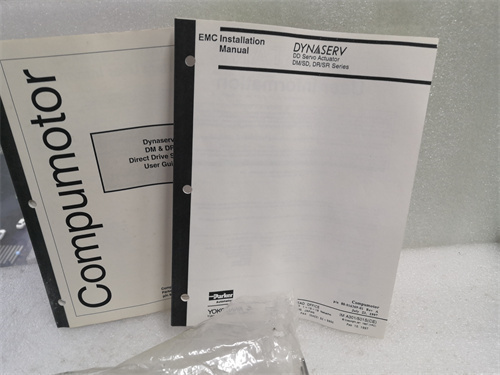
Additional options include VESA holder (for installation), English Instruction Manual (EIM), and Japanese Instruction Manual (JIM).
Sound features: Includes a separate USB speaker.
Interface type: USB Type A x 2, integrated USB standard.



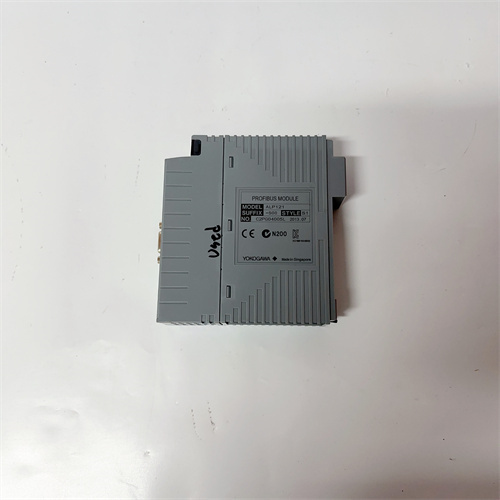
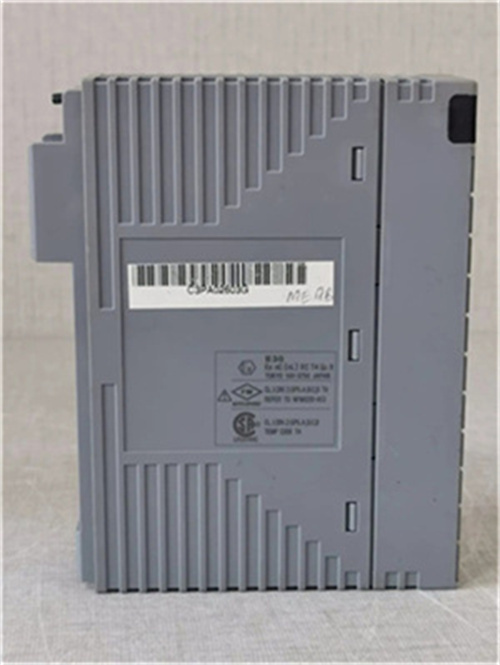
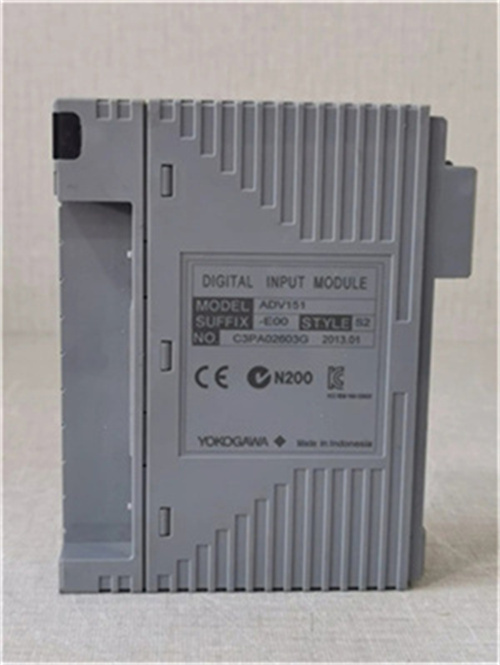
.jpg)