
Description
Product Description
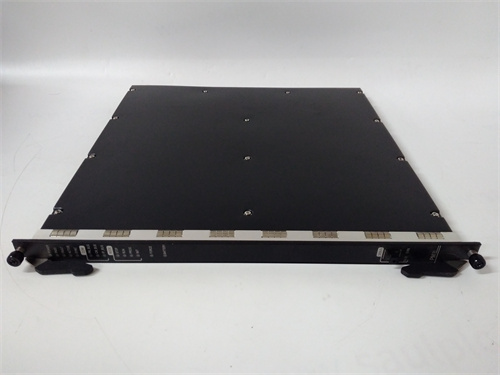
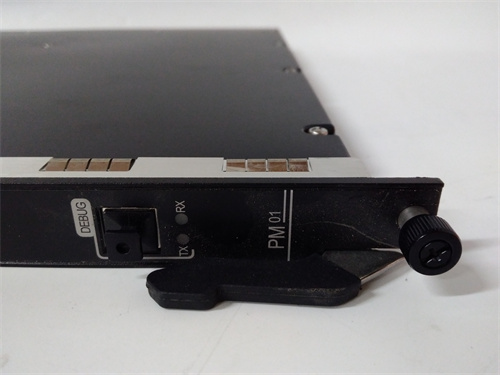
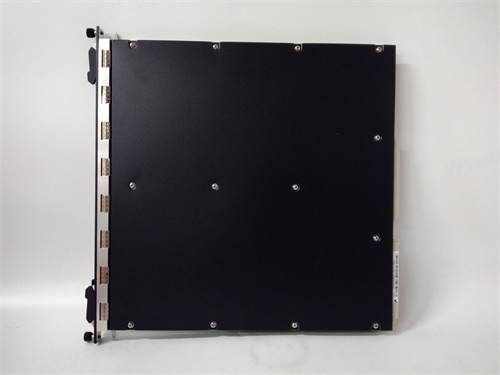
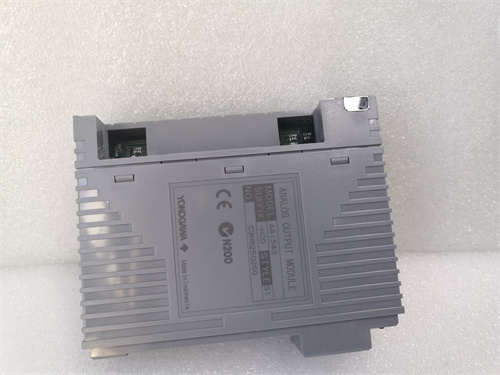
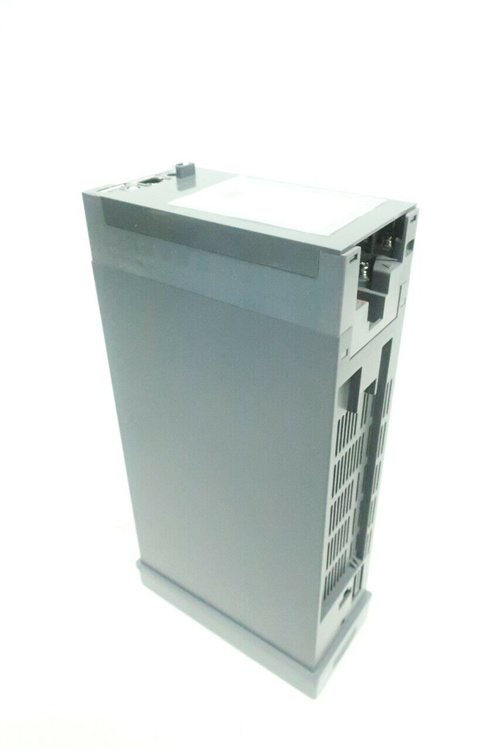
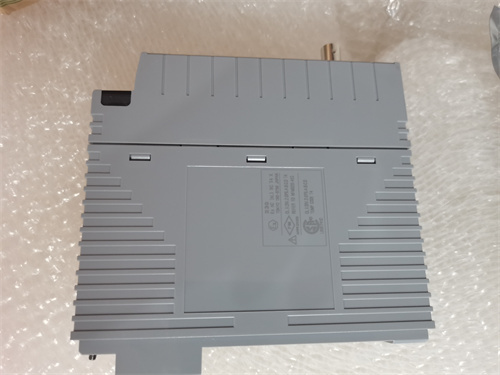
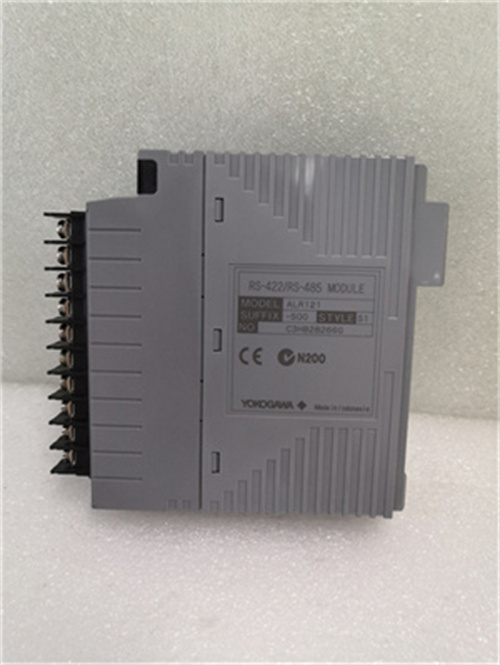
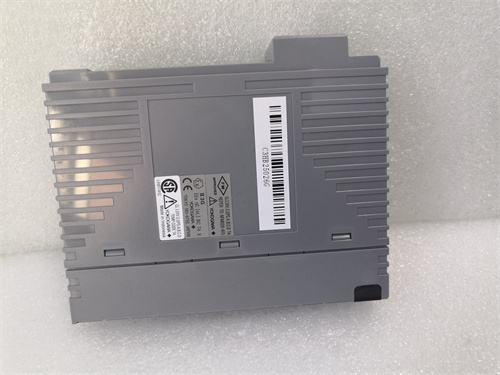
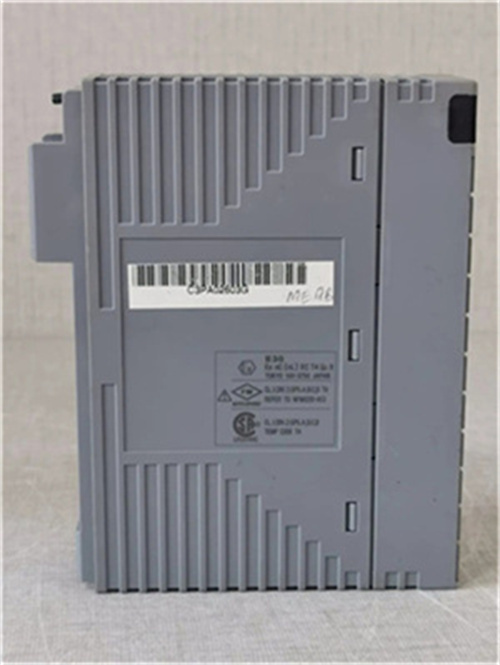
The YOKOGAWA V0/E1/TCAM/L08 is a highly specialized Temperature Control and Monitoring Module designed for integration within a Yokogawa RTU (Remote Terminal Unit) or PLC-based control system, such as the FA-M3 series. This specific module, the YOKOGAWA V0/E1/TCAM/L08, is dedicated to the precise acquisition, conditioning, and processing of temperature signals from various thermocouple types, providing both analog-to-digital conversion and control capabilities. Its primary function is to interface directly with thermocouple sensors, linearize the signals according to international standards (IEC, JIS, etc.), and provide the data to the central processor for monitoring, alarming, or closed-loop control algorithms. The design of the YOKOGAWA V0/E1/TCAM/L08 emphasizes accuracy, stability, and reliability for process-critical temperature measurement in demanding industrial environments. Implementing the correct analog module like the YOKOGAWA V0/E1/TCAM/L08 is essential for ensuring the integrity of temperature-dependent processes.
Product Parameters
The technical specifications for the YOKOGAWA V0/E1/TCAM/L08 module are tailored for precision temperature measurement:
-
Module Type: Intelligent Temperature Input Module (Thermocouple Input).
-
Input Channels: Typically provides 8 isolated thermocouple input channels (as indicated by “L08” in the model).
-
Thermocouple Types: Configurable to support a wide range of standard thermocouple types (e.g., J, K, T, E, R, S, B, N, C, L, U) and voltage ranges.
-
Input Isolation: Channel-to-channel isolation to prevent ground loops and interference, a critical feature for accurate low-voltage thermocouple signals.
-
Cold Junction Compensation (CJC): Features built-in, high-accuracy cold junction compensation to correct for ambient temperature changes at the terminal block.
-
Resolution: High-resolution A/D conversion (e.g., 16-bit or higher) for fine temperature measurement.
-
Conversion Speed: Defines the sampling speed per channel, which can be configured based on application needs (speed vs. noise rejection).
-
Diagnostics: Includes diagnostics for sensor burnout detection (open thermocouple), over-range/under-range detection, and module health.
-
Communication Interface: Connects to the PLC/RTU backplane or bus (e.g., Yokogawa’s proprietary V net or a standard fieldbus) for data exchange with the CPU.
Advantages and Features
The YOKOGAWA V0/E1/TCAM/L08 delivers significant advantages for temperature monitoring:
-
High Accuracy and Stability: Engineered for precise measurement with excellent long-term stability and minimal drift, which is paramount for quality control and safety-related temperature points.
-
Advanced Signal Integrity: The combination of high input impedance, channel isolation, and digital filtering in the YOKOGAWA V0/E1/TCAM/L08 ensures reliable readings even in electrically noisy plant environments.
-
Flexible Configuration: Each channel can be independently configured for thermocouple type, temperature unit (°C/°F), sampling rate, and alarm setpoints via the configuration software.
-
Integrated Functionality: Beyond simple measurement, modules like this often provide onboard linearization and scaling, reducing the computational load on the main CPU.
-
Comprehensive Diagnostics: Real-time diagnostics for sensor and wiring health allow for predictive maintenance and immediate fault identification, minimizing process downtime.
Application Cases in Industry
This temperature input module is critical in industries where precise thermal management is essential:
-
Chemical & Petrochemical Processing: Monitors reactor temperatures, distillation column tray temperatures, and catalyst bed temperatures for process optimization and safety interlocking.
-
Pharmaceutical Manufacturing: Used in bioreactors, autoclaves, lyophilizers, and drying ovens where strict temperature profiles must be validated and maintained for product quality.
-
Food & Beverage Production: Controls pasteurization temperatures, cooking vat temperatures, and retort sterilization processes.
-
Metals & Heat Treatment: Monitors furnace zones, annealing lines, and quenching processes to ensure precise metallurgical properties.
-
Power Generation: Measures critical temperatures in boiler systems, turbine bearing temperatures, and heat exchanger performance.
Comparisons with Competing Products
Compared to universal analog input modules or temperature transmitters, the YOKOGAWA V0/E1/TCAM/L08 offers a specialized, integrated solution:
-
Dedicated vs. General Purpose: Unlike a general-purpose analog voltage module, the YOKOGAWA V0/E1/TCAM/L08 is purpose-built for thermocouples, featuring built-in linearization, cold junction compensation, and sensor diagnostics that a standard module lacks.
-
System Integration vs. Discrete Transmitters: It consolidates the function of multiple individual temperature transmitters into a single, software-configurable module within the PLC rack, offering centralized configuration, diagnostics, and often a lower total installed cost.
-
Superior Accuracy: The integrated CJC circuit in a controlled module environment like the V0/E1/TCAM/L08 typically provides more accurate and stable compensation than external terminal blocks or low-cost transmitters.
-
Unified Engineering Environment: Configuration and scaling are done within Yokogawa’s programming/configuration software, maintaining a single toolchain for logic and I/O management, unlike managing a separate transmitter configuration tool.
Selection Suggestions and Precautions
Proper selection and configuration are vital for optimal performance:
-
Verify System Compatibility: Confirm that the YOKOGAWA V0/E1/TCAM/L08 is compatible with your specific Yokogawa PLC/RTU base unit and backplane. Check the system’s hardware configuration manual.
-
Match Sensor Type: Ensure the module supports the specific thermocouple types (e.g., Type K, Type J) used in your application across all required channels.
-
Plan for Wiring and Isolation: Use the correct compensating cable for thermocouples. Understand the module’s isolation scheme (e.g., are channels grouped?) to properly design the grounding and shielding for noise immunity.
-
Configure Cold Junction Compensation: While built-in, ensure the CJC function is enabled and configured correctly in the software. The module’s ambient operating temperature range must be considered.
-
Utilize Diagnostics: Activate and map the diagnostic bits (burnout, error) to the control program or HMI to provide operators with immediate warnings of sensor failure.
Reviews
There are no reviews yet.