
Description
Product Description
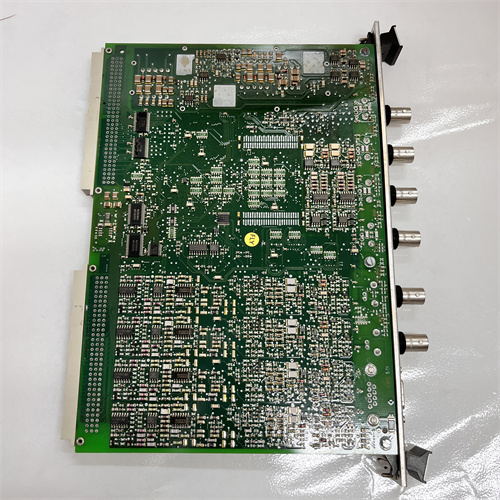
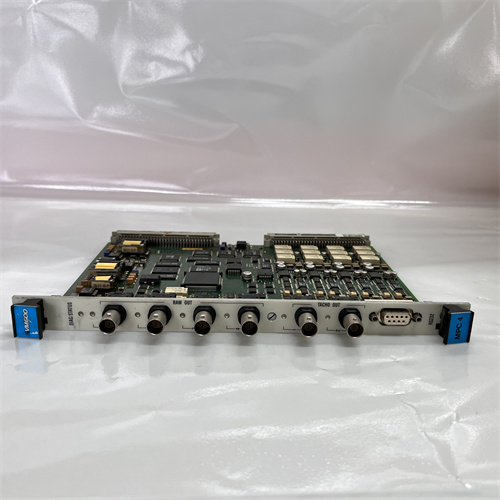
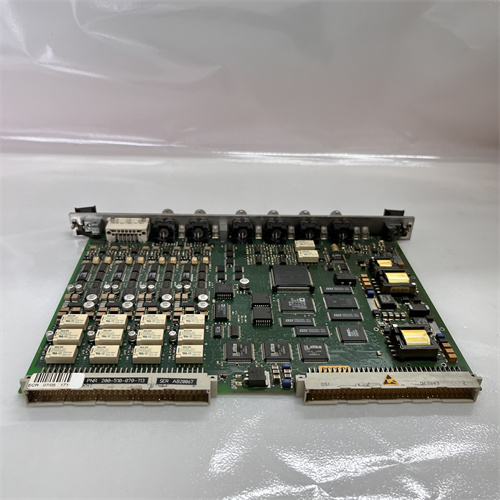
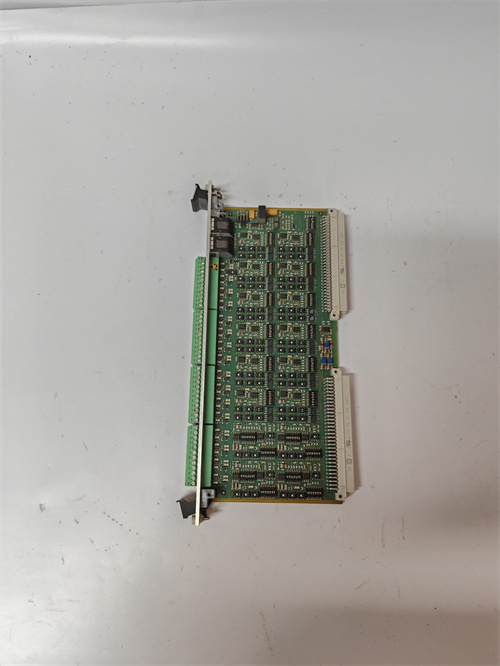
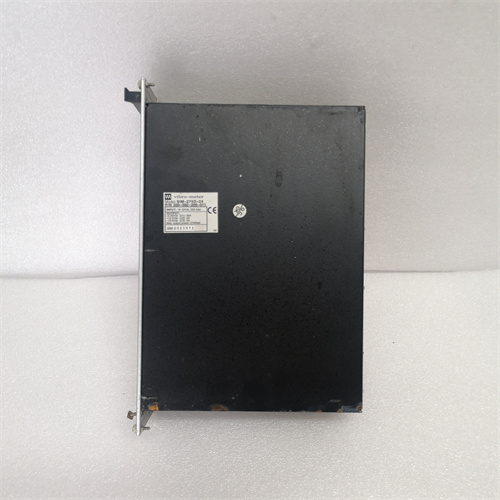
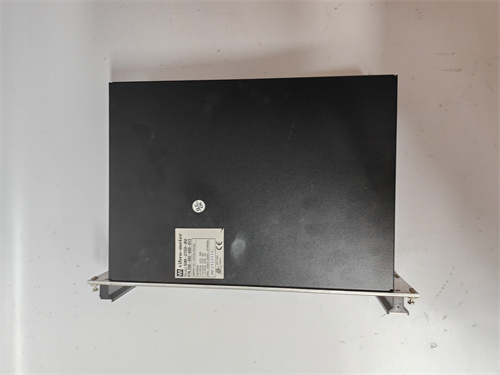
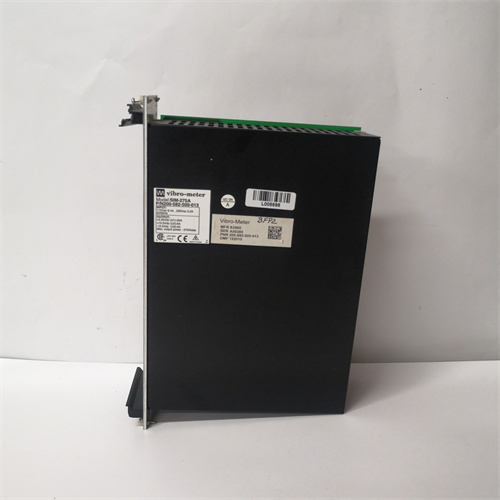
The VIBRO-METER VMF-MPC4 200-510-111-034 200-510-070-113, detailed further here, is a sophisticated, multi-channel condition monitoring module designed for the continuous protection and analysis of critical rotating machinery. This system acts as an intelligent front-end data acquisition and processing unit, bridging the gap between vibration, speed, and process sensors and a plant’s higher-level control (PLC/DCS) or dedicated monitoring system. The primary function of the VIBRO-METER VMF-MPC4 is to acquire raw signals from transducers, perform real-time signal processing (like FFT analysis), and generate both protective alarm/trip outputs and detailed diagnostic data. It serves as the dedicated “guardian” for turbomachinery such as gas turbines, steam turbines, and compressors, providing the immediate reaction needed to prevent catastrophic failure while feeding information for predictive maintenance. For reliability engineers and control system specialists, integrating a robust system like the VIBRO-METER VMF-MPC4 is essential for achieving both operational safety and asset optimization.
Product Parameters
-
Manufacturer: Vibro-Meter (a Meggitt group brand, now part of Sensata Technologies)
-
System Family: VMF Series (Vibration Monitoring Family)
-
Model / Assembly: VMF-MPC4. The part numbers 200-510-111-034 and 200-510-070-113 refer to specific assembly configurations, likely including the processor card, power supply, and a set of input channels.
-
Input Channels: Typically a 4-channel monitor, accepting inputs from:
-
Proximity probes (for shaft relative vibration and position)
-
Seismometers or accelerometers (for casing/bearing absolute vibration)
-
Keyphasor® probes (for speed and phase reference)
-
4-20 mA process signals (e.g., temperature, pressure)
-
-
Signal Processing: Performs continuous real-time processing to derive values like overall vibration (Pk-Pk, RMS), spectral components (1X, 2X, etc.), and gap voltage.
-
Outputs: Provides:
-
Dedicated relay outputs (for Alarm, Danger/Dump/Trip)
-
Buffered sensor raw signals
-
Analog outputs (4-20 mA) for key parameters
-
Digital communication (RS-232/485, Modbus, often with Ethernet option)
-
-
Power Supply: Typically 24V DC or 110/230V AC.
-
Certifications: Designed for use in industrial and potentially hazardous areas, with relevant approvals (ATEX, IECEx).
Advantages and Features
-
Dedicated Machinery Protection: Provides failsafe, hardwired relay outputs for immediate shutdown (trip) functions, which is a critical safety layer independent of any connected PLC or software system.
-
Integrated Monitoring & Diagnostics: Combines protection and diagnostics in one unit, delivering both real-time trip logic and detailed vibration spectra for analysis, enabling root-cause failure identification.
-
High Reliability and Redundancy Options: Engineered for 24/7 critical service. Systems can be configured with redundant power supplies and modules to achieve maximum availability.
-
Flexible Configuration: Software-configurable for a wide range of machinery types, allowing setting of alarm setpoints, filter bands, and signal conditioning for different transducer types.
-
Comprehensive Communication: Supports standard industrial protocols, allowing seamless integration of machinery health data into plant DCS, PLC, or asset management software.
Application Cases in Application Fields
-
Gas Turbine Power Generation: The VIBRO-METER VMF-MPC4 is used to monitor vibration on both the gas generator and power turbine sections. It provides the primary trip signal to protect against catastrophic blade loss or bearing failure, while its spectral data helps diagnose imbalances or rubs.
-
Oil & Gas Centrifugal Compressor Trains: Monitors high-speed compressors in LNG liquefaction or pipeline service. It safeguards the machine by tripping on high vibration, while monitoring axial position (thrust) to prevent catastrophic rotor contact.
-
Refinery Steam Turbine-Driven Pumps: Protects critical driver turbines, ensuring safe operation. The VMF-MPC4’s ability to monitor both vibration and speed is crucial for analyzing problems during startup/shutdown (critical speed zones).
-
Marine Propulsion Turbines: Used on naval and commercial vessels to monitor main propulsion and auxiliary turbines, ensuring reliability and safety during long voyages.
Comparisons with Competing Products
Compared to systems from Bently Nevada (now Baker Hughes) (3500/1900 Series) and Siemens (SITRANS WS300), or to using PLCs with analog input cards, the VIBRO-METER VMF-MPC4 holds a distinct position:
-
Integrated System vs. Component Approach: The VMF-MPC4 is a complete, integrated monitoring system. Using a PLC for protection would require extensive custom programming, dedicated hardware, and lacks the certified, failsafe architecture of a dedicated monitor.
-
Performance & Certification: Competes directly with Bently Nevada’s 3500 series. Both are TÜV-certifiable for safety-related applications. Choice often comes down to corporate preference, existing site standards, and compatibility with other monitoring infrastructure.
-
Diagnostic Depth vs. Simplicity: It offers more advanced onboard processing than basic vibration switches or simple 4-20 mA transmitters. It provides diagnostic data without requiring a separate data collector, unlike simpler relay-based systems.
-
Cost vs. Value: Higher initial cost than vibration switches or PLC-based solutions, but provides unparalleled value through integrated protection, diagnostics, and reliability, preventing millions in potential equipment damage.
Selection Suggestions and Precautions
-
Define the Safety and Monitoring Philosophy: Clearly separate protection (requires dedicated, failsafe system) from monitoring (can be integrated into DCS/PLC). The VIBRO-METER VMF-MPC4 is designed for protection-first applications. Do not compromise on this architecture for critical machinery.
-
Specify Transducer Compatibility: Ensure the module is configured for the exact transducer types (e.g., 8 mm proximity probes, 100 mV/g accelerometers) and sensitivities installed on your machine. Mismatches will lead to incorrect readings.
-
Plan the Integration Carefully: Design how the relay trips will interface with the machine’s control system (often hardwired to the turbine trip solenoid), and how the communication data (Modbus TCP) will feed into the plant network for operator displays and historians.
-
Professional Commissioning is Mandatory: Setting correct alarm/trip setpoints, gap voltages, and filter bands requires expertise. This must be performed by a specialist familiar with both the VMF-MPC4 system and the specific machinery dynamics.
81EU01E-E PLC
IS2020ISUCG1A PLC
IS2020ISUCG3A PLC
IS2020DDIAG1B
IS2020RKPSG2A PLC
IS2020LVPSG1B dcsplc
IS2020RKPSG3A plccpu
IS2020LVPSG1AE dcs
DS2020EXPSG1

Reviews
There are no reviews yet.