
Description
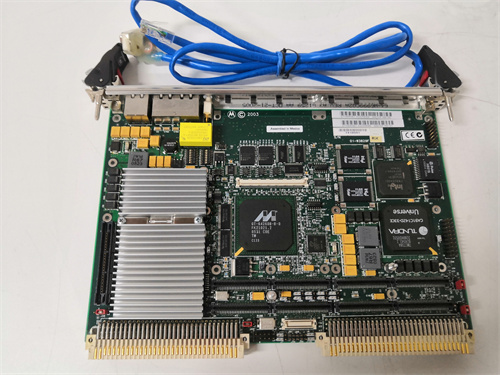
MOTOROLA MVME5500 Product Description
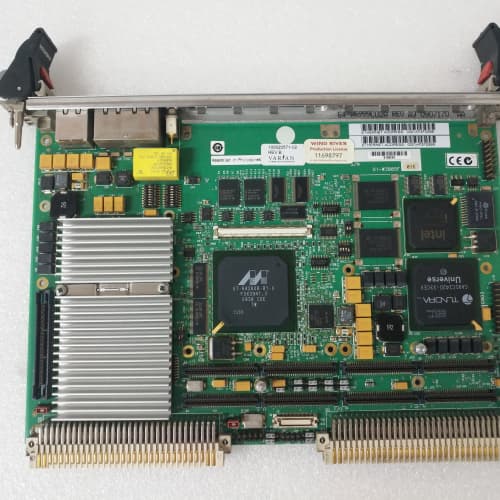
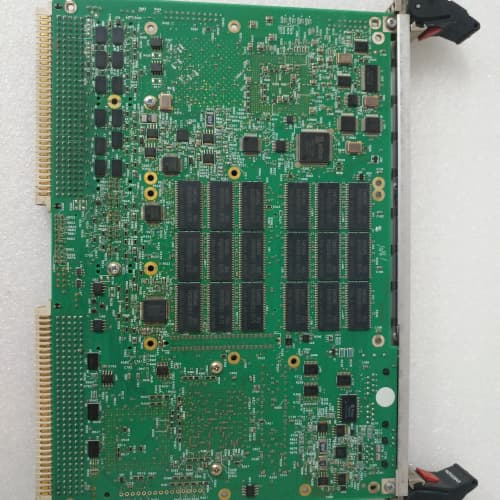
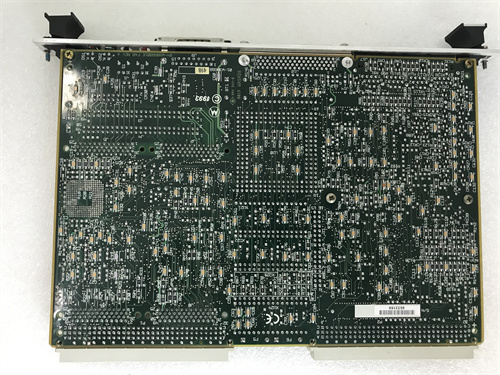
The MOTOROLA MVME5500 is a high-performance single-board computer (SBC) that represents the pinnacle of the VMEbus architecture, originally developed by Motorola and later continued by Emerson Network Power (now part of Artesyn Embedded Technologies). As part of the prestigious MVME line, the MOTOROLA MVME5500 is built around the powerful MPC7455 PowerPC processor from Freescale (now NXP), delivering exceptional computational performance for demanding embedded computing applications. This SBC integrates the processor, memory, and various I/O interfaces onto a single VMEbus form factor board, making it an ideal solution for applications requiring high-speed data processing and real-time performance. The MOTOROLA MVME5500 is widely regarded for its robustness, longevity, and backward compatibility with earlier MVME products, ensuring that legacy systems can be upgraded to modern performance levels without completely redesigning the system architecture.
Product Parameters
The MOTOROLA MVME5500 is engineered for maximum performance in VMEbus-based embedded systems.
-
Processor: Powered by the MPC7455 PowerPC processor from Freescale/NXP, available in speeds ranging from 1.0 GHz to 1.4 GHz, providing exceptional floating-point performance.
-
Memory: Supports up to 512 MB of on-board DDR SDRAM with ECC (Error Checking and Correcting) for high reliability in critical applications.
-
Cache: Features 256 KB L2 cache and 2 MB L3 cache integrated with the processor for high-speed data access.
-
VMEbus Interface: Fully compatible with VME64 and VME64x standards, supporting 2eSST (two-edge source synchronous transfer) protocol for high-speed data transfers up to 320 MB/s.
-
Storage: Includes two 64-pin expansion sites for optional devices such as ATA Flash, IDE hard drive, or PC-104 Plus modules. Also provides up to 128 MB of on-board Flash memory for firmware and user applications.
-
I/O Interfaces: Offers multiple I/O options including two 10/100/1000Base-TX Gigabit Ethernet ports, two asynchronous serial ports (RS-232), one Ultra DMA/100 IDE interface, two USB 1.1 ports, and a PMC (PCI Mezzanine Card) expansion site for additional I/O capabilities.
-
Operating Systems: Supports a wide range of real-time operating systems including VxWorks, LynxOS, and various distributions of Linux.
Advantages and Features
The MOTOROLA MVME5500 brings exceptional value to VMEbus-based systems through its advanced capabilities.
-
Exceptional Processing Power: With its high-speed PowerPC processor, the MOTOROLA MVME5500 delivers class-leading computational performance for data-intensive applications, enabling complex algorithms and real-time data processing at the edge.
-
Legacy Compatibility: One of the greatest strengths of the MOTOROLA MVME5500 is its ability to serve as a drop-in upgrade for older MVME boards, allowing users to dramatically increase system performance while preserving their existing VMEbus chassis, backplanes, and I/O modules.
-
High-Speed Data Transfers: Support for 2eSST protocol on the VMEbus allows the MOTOROLA MVME5500 to achieve data transfer rates of up to 320 MB/s, eliminating VMEbus bottlenecks in data-intensive applications.
-
Rugged Design: Built to withstand harsh environmental conditions, the MOTOROLA MVME5500 features industrial-grade components and is available with conformal coating options for use in extreme temperatures, vibration, and humidity.
-
Expandability: The PMC expansion site on the MOTOROLA MVME5500 allows users to add custom I/O capabilities such as additional Ethernet ports, MIL-STD-1553 interfaces, or FPGA-based co-processors, providing flexibility for specialized applications.
-
Long-Term Availability: As a product designed for defense and industrial markets, the MOTOROLA MVME5500 benefits from extended product lifecycles and long-term support commitments from the manufacturer.
Application Cases in Application Fields
The MOTOROLA MVME5500 is extensively deployed in mission-critical applications across defense, aerospace, and industrial sectors.
-
Defense and Aerospace: Used in radar signal processing systems where the MOTOROLA MVME5500 analyzes incoming radar returns in real-time to detect and track targets. Its rugged construction ensures reliable operation in airborne and shipboard environments subject to shock and vibration.
-
Medical Imaging: Deployed in CT scanners and MRI systems where the MOTOROLA MVME5500 processes raw sensor data and reconstructs high-resolution images for diagnostic purposes. The floating-point performance of the PowerPC processor is essential for these compute-intensive algorithms.
-
Telecommunications Infrastructure: Utilized in network control centers and base station controllers where the MOTOROLA MVME5500 manages call processing and network routing functions, benefiting from the board’s high reliability and redundant design capabilities.
-
Test and Measurement: Integrated into automated test equipment (ATE) for aerospace and defense applications, where the MOTOROLA MVME5500 controls instrumentation and processes measurement data with high precision and low latency.
Comparisons with Competitor Products
When comparing the MOTOROLA MVME5500 to similar VMEbus SBCs from other vendors, its performance and ecosystem advantages become apparent.
-
vs. Curtiss-Wright SVME/DMV-183: Curtiss-Wright offers PowerPC-based SBCs with similar processors. However, the MOTOROLA MVME5500 benefits from the extensive software ecosystem and long-standing industry trust associated with the Motorola/Emerson brand. The MOTOROLA MVME5500 typically offers broader operating system support and more comprehensive documentation.
-
vs. GE Fanuc VME172: The GE Fanuc VME172 series offers comparable VMEbus functionality but often with slower processors and less memory capacity. The MOTOROLA MVME5500 significantly outperforms these older designs while maintaining compatibility with the same VMEbus infrastructure, making it a superior upgrade path.
-
vs. Abaco Systems F75: Abaco’s F75 is another PowerPC-based VME SBC. While both offer similar core capabilities, the MOTOROLA MVME5500 often provides more extensive I/O options, including dual Gigabit Ethernet and USB ports, which can reduce the need for additional I/O modules in the system.
-
vs. Aitech S950: Aitech’s S950 is designed for extreme rugged environments. While it offers enhanced environmental specifications, the MOTOROLA MVME5500 provides a more cost-effective solution for less demanding applications and benefits from the extensive MVME software and peripheral ecosystem.
Selection Suggestions and Precautions
When selecting a MOTOROLA MVME5500 for your application, careful consideration of several factors will ensure successful implementation.
-
Processor Speed Selection: The MOTOROLA MVME5500 is available in multiple processor speeds from 1.0 GHz to 1.4 GHz. Select the speed that meets your application requirements while considering thermal management capabilities within your VMEbus chassis.
-
Memory Configuration: Determine the amount of on-board SDRAM required for your application. The MOTOROLA MVME5500 supports up to 512 MB with ECC. For applications requiring more memory, consider if distributed processing or external memory solutions are viable.
-
Environmental Specifications: Verify that the specific MOTOROLA MVME5500 variant you select meets the environmental requirements of your application. Options include standard commercial temperature ranges and extended temperature ranges with conformal coating for harsh environments.
-
PMC Module Compatibility: If you plan to use the PMC expansion site on the MOTOROLA MVME5500, verify that your chosen PMC module is compatible with the board’s mechanical and electrical interfaces, and that driver support is available for your operating system.
-
Firmware and Bootloader: Ensure that the firmware version on your MOTOROLA MVME5500 supports your boot requirements. The board supports various boot sources including Flash, Ethernet (network boot), and PMC modules.
-
Operating System Support: Confirm that your chosen operating system (VxWorks, Linux, etc.) has board support package (BSP) availability for the MOTOROLA MVME5500. Proper BSP support is essential for taking full advantage of the board’s features.
-
Power Supply Considerations: The MOTOROLA MVME5500 requires adequate power from the VMEbus backplane. Calculate your total system power requirements, considering that higher-speed processors may draw more current, and ensure your power supply can handle the load.
PC1-6533 PLC
PCI-6542 PLC
PCI-7030/6040E PLC
PCI-7334 PLC
PCI-7342 PLC
PCI-7358 PLC
PCI-7811R PLC


Reviews
There are no reviews yet.