
Description
Product Description
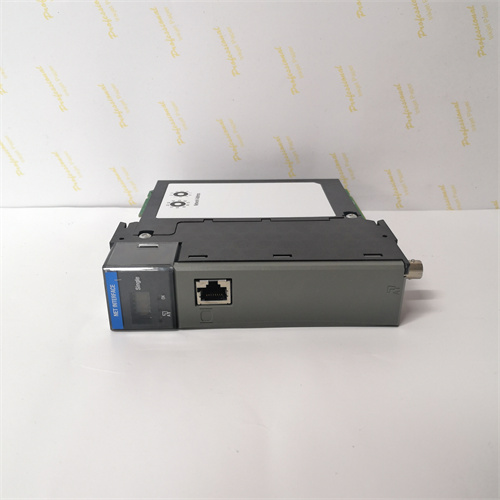
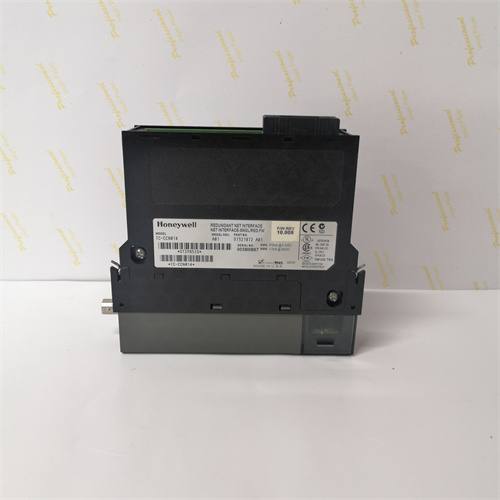
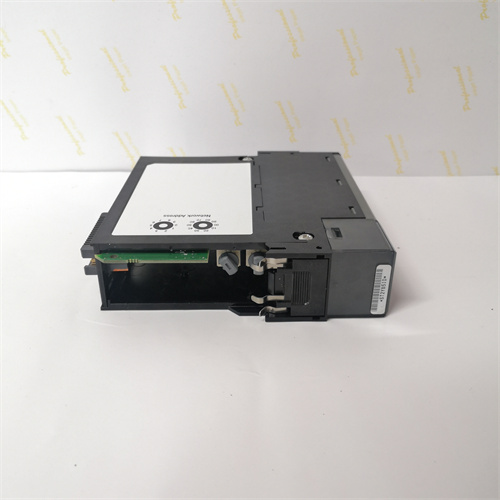
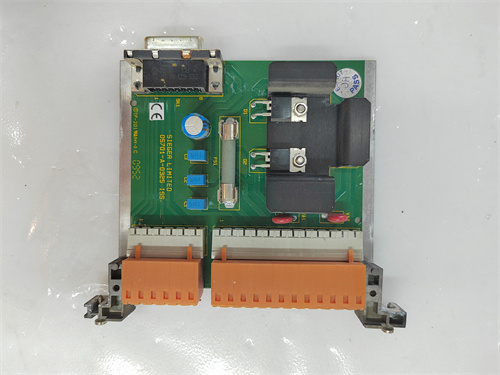
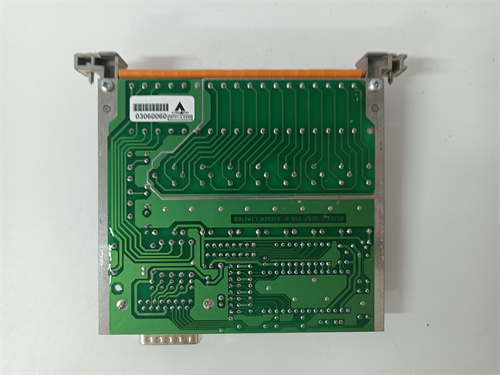
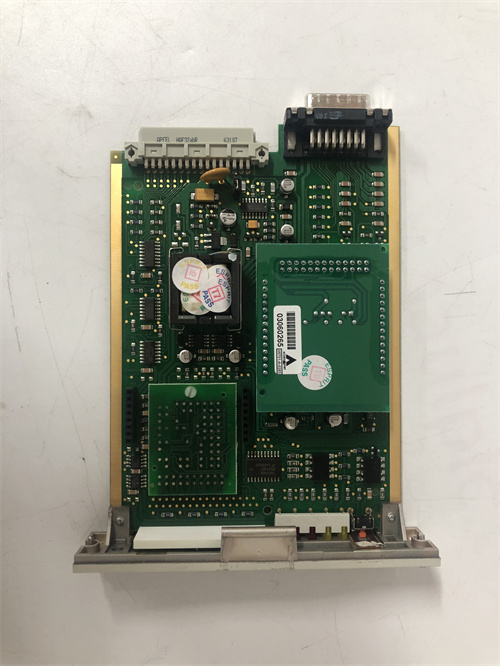
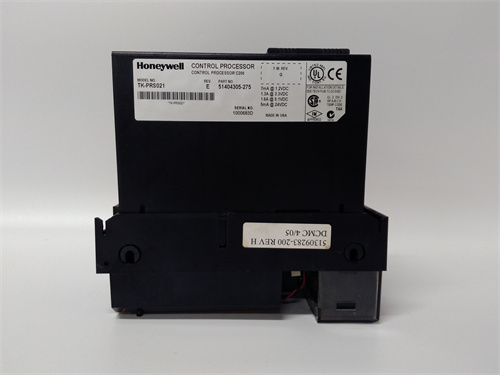
The HONEYWELL TC-CCN014 is a programmable Digital Controller (often referred to as a DDC – Direct Digital Controller) designed for Building Management Systems (BMS) and HVAC (Heating, Ventilation, and Air Conditioning) automation by Honeywell. This controller is part of Honeywell’s building automation portfolio, likely within the Excel or Building Management System lines. The primary function of the HONEYWELL TC-CCN014 is to monitor field devices via its input channels, execute programmed control sequences and logic, and command output devices to maintain desired environmental conditions and equipment operation. It serves as an intelligent, standalone control unit for managing specific building subsystems like air handling units (AHUs), fan coil units, or lighting panels. The TC-CCN014 is engineered for reliable performance in commercial and industrial settings, providing local control while seamlessly integrating into a larger BMS network for centralized supervision and data collection.
Technical Parameters and Characteristics
-
Manufacturer and Series: Honeywell, Building Automation (likely part of the Excel or similar series).
-
Device Type: Programmable Digital Controller (DDC).
-
Input/Output (I/O) Configuration:
-
Inputs: Typically includes a mix of configurable inputs:
-
Universal or Analog Inputs (UI/AI): For signals from sensors like temperature (Ni1000, Pt1000, 0-10V), humidity, pressure.
-
Digital Inputs (DI): For status monitoring from contacts (e.g., filter status, alarm contacts).
-
-
Outputs:
-
Analog Outputs (AO): Typically 0-10V or 4-20 mA signals for modulating devices (valves, damper actuators).
-
Digital Outputs (DO): Relay or triac outputs for on/off control of devices (pumps, fans, lights).
-
-
-
Processing Unit: Contains a microprocessor with non-volatile memory for storing the application program and trend data.
-
Communication Interfaces:
-
Primary port for connection to a Honeywell BMS network (e.g., C-Bus, LonWorks, or Niagara framework).
-
A service port (often RS-232) for local connection to a PC for programming and commissioning.
-
-
Programming & Configuration: Configured and programmed using Honeywell-specific engineering tools such as CARE (Controller Application Remote Editor), Niagara Workbench, or similar suites. Programming can involve function block diagrams, custom logic, or pre-defined application templates.
-
Power Supply: Usually 24 VAC or 24 VDC, depending on the specific model variant.
-
Housing: Designed for DIN-rail or panel mounting inside control enclosures.
Advantages and Key Features
-
Application Flexibility: The HONEYWELL TC-CCN014 can be programmed for a vast array of HVAC and building control applications, from simple scheduling to complex multi-loop control strategies, thanks to its programmable nature and mix of I/O.
-
Energy Efficiency: Enables the implementation of advanced control strategies (optimal start/stop, reset schedules, demand-controlled ventilation) that significantly reduce energy consumption in buildings.
-
Standalone Reliability: Operates autonomously based on its loaded program. If communication to a central BMS server is lost, the TC-CCN014 continues to perform its core control functions, ensuring system continuity.
-
Seamless BMS Integration: As a native Honeywell product, it integrates smoothly into larger Honeywell BMS architectures like Enterprise Buildings Integrator (EBI) or Niagara-based systems, allowing for centralized monitoring, alarming, and data historization.
-
Robust Design: Built for the environmental conditions found in mechanical rooms and electrical cabinets, ensuring long-term reliability.
Application Cases in Various Fields
-
Commercial Office Buildings: Control of Air Handling Units (AHUs), Variable Air Volume (VAV) box coordination, chiller plant optimization, and lighting control.
-
Hospitals and Healthcare Facilities: Management of critical ventilation systems for infection control, laboratory room pressure control, and operating room climate regulation.
-
Hotels: Control of fan coil units in guest rooms, public area AHUs, and swimming pool air handling systems.
-
Retail and Shopping Malls: Zoning control for large spaces, management of rooftop units (RTUs), and scheduling for storefront lighting.
-
Airports and Transportation Hubs: Control of complex ventilation systems in terminals, integration with baggage handling system controls, and management of public area environments.
Comparisons with Competing Products (e.g., Siemens PXC, Schneider Electric TAC Xenta, Johnson Controls Metasys controllers)
-
In favor of the HONEYWELL TC-CCN014: Deep integration and optimal performance within the Honeywell BMS ecosystem. Strong reputation and long history in the building automation industry. Often praised for the robustness of its CARE programming environment for HVAC specialists.
-
Points to consider: Competing brands offer controllers with similar core functionalities. The choice is often dictated by the existing BMS infrastructure on-site, corporate purchasing agreements, and the familiarity of the service team with a particular brand’s engineering tools. Some competitors may emphasize different network protocols or cloud connectivity features.
Selection Suggestions and Precautions
-
I/O Point Audit: Carefully count and define the type of all sensors and actuators the HONEYWELL TC-CCN014 needs to interface with. Ensure the controller’s I/O count and type match or exceed requirements, including a spare capacity for future modifications.
-
Network Compatibility Verification: Confirm the communication protocol of the TC-CCN014 (e.g., C-Bus, Lon, BACnet IP) is compatible with the existing or planned BMS network backbone.
-
Software and Training Access: Ensure access to the necessary Honeywell configuration software (like CARE) and that personnel are trained to use it effectively. Programming complexity requires skilled technicians.
-
Environmental Considerations: Install the controller in a suitable enclosure protected from dust, moisture, and extreme temperatures as per its specifications. Follow proper wiring practices, separating low-voltage signal wires from power cables to prevent noise interference.
-
Thorough Commissioning: After installation and programming, execute a detailed commissioning plan. Test every input and output point, verify control sequences under various operating conditions, and confirm alarm generation is working correctly.
-
Supply Chain and Support: Procure the controller and its accessories from authorized Honeywell Building Solutions distributors or partners. This ensures you receive genuine hardware, access to firmware updates, and qualified technical support for both installation and long-term maintenance.
IC697MDL752 GE
GE IC697MDL671 PLCDCS
IC697MDL652 GE ,PLC
GE IC697MDL350 DCS
IC697MDL254 GE DCS
-1.jpg)
Reviews
There are no reviews yet.