
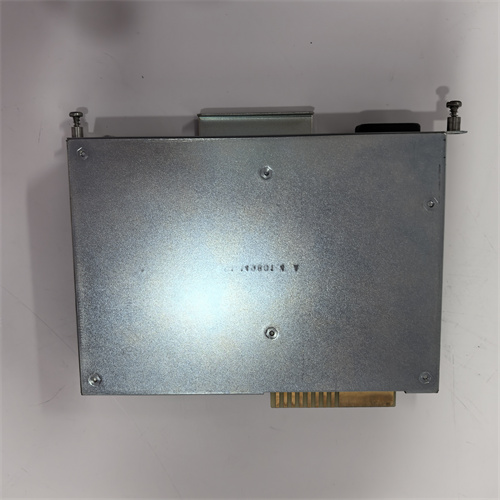
Description
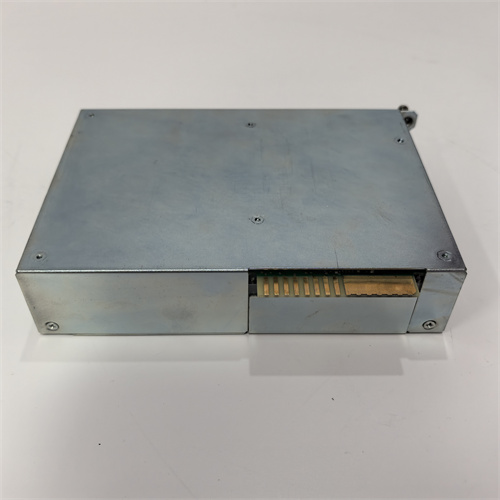
Product Description
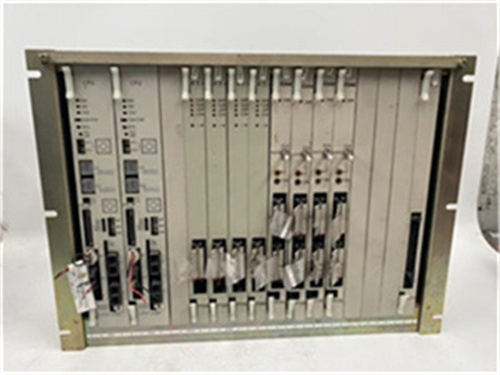
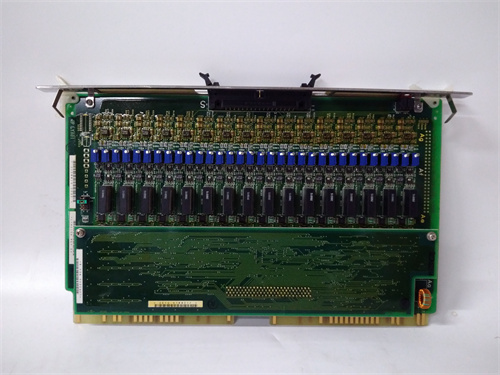
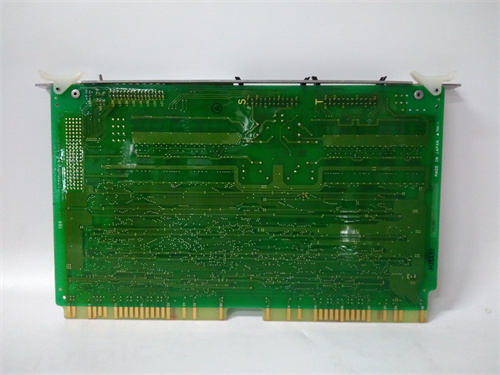
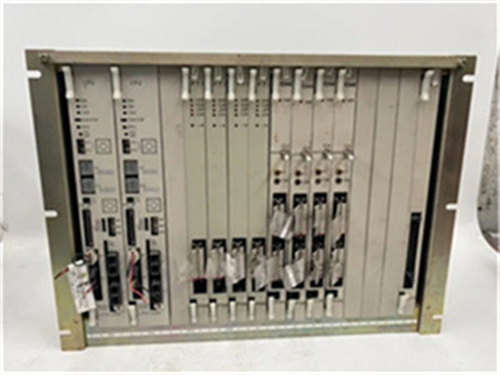
The HITACHI PS6000 represents a top-tier, modular PLC platform built for maximum system availability, extensive I/O capacity, and sophisticated control capabilities. It is not a single component but a comprehensive system comprising a central processing unit (CPU), power supply modules, a wide array of I/O modules (digital, analog, special function), and robust communication networks. The PS6000 PLC system is engineered for distributed control architectures where multiple controllers work in concert across a large factory or plant. Its design emphasizes fault tolerance, with features like redundant CPUs, hot-swappable modules, and dual networks to ensure continuous operation. When system downtime is not an option, control engineers turn to platforms like the HITACHI PS6000.
Technical Parameters
-
System Type: Large-scale, high-availability modular PLC system.
-
CPU Performance: Features powerful processors capable of handling tens of thousands of I/O points and executing complex logic with fast scan times.
-
Memory: Large program and data memory capacity for extensive application programs and data logging.
-
I/O System: Supports a vast range of local and remote I/O modules:
-
Digital Input/Output (DI/DO)
-
Analog Input/Output (AI/AO)
-
High-speed counters, positioning modules, etc.
-
-
Redundancy: Offers full hardware redundancy options including redundant CPUs, power supplies, and control networks (often dual-ring systems).
-
Communication: Integrated high-speed proprietary network (e.g., HI-PROFIBUS) for deterministic I/O communication, plus standard interfaces like Ethernet/IP for connectivity to SCADA, MES, and other controllers.
-
Programming: Programmed using Hitachi’s proprietary engineering software (e.g., HIACS), which often uses function block diagram (FBD) and ladder logic (LD) languages.
Advantages and Features
-
Extreme Reliability and Availability: The PS6000 system is renowned for its rugged design and comprehensive redundancy options, making it suitable for 24/7/365 operations where failure is catastrophic.
-
Massive Scalability: The system can be scaled from a single controller to a distributed network of dozens of racks and hundreds of thousands of I/O points, making it ideal for plant-wide automation.
-
Deterministic High-Speed Network: Its proprietary control network ensures predictable, high-speed communication between CPUs and remote I/O, which is critical for synchronized multi-axis control and fast process loops.
-
Robust Industrial Design: Built to withstand harsh environments with high levels of electrical noise, vibration, and extended temperature ranges.
-
Long Product Lifecycle: As a system designed for critical infrastructure, the HITACHI PS6000 benefits from a very long manufacturer support and parts availability lifecycle, protecting investment.
Application Cases in Various Fields
-
Iron & Steel Industry: Comprehensive automation of blast furnaces, basic oxygen furnaces (BOF), continuous casting lines, and hot/cold strip mills.
-
Water and Wastewater Management: Plant-wide control of intake, filtration, chemical dosing, pumping stations, and sludge treatment across large facilities.
-
Power Plants (Thermal & Hydro): Control of boiler systems, turbine generators, balance-of-plant (BOP) equipment, and switchyards.
-
Tunnel & Building Management Systems (BMS): Control of ventilation, lighting, fire safety, and drainage in large-scale infrastructure projects.
-
Chemical and Petrochemical: Automation of large, continuous batch processes and material handling.
Comparison with Competing Products
The HITACHI PS6000 competes in the high-end PLC/DCS market segment with other robust, large-scale systems:
-
Siemens: SIMATIC TDC (SIMADYN D legacy) and high-end S7-400H systems.
-
Rockwell Automation: ControlLogix with SynchLink and redundant configurations.
-
ABB: AC 800M High Integrity system for process automation.
-
Emerson: Ovation DCS for power and water.
-
Mitsubishi Electric: MELSEC Q Series with redundancy.
The PS6000 distinguishes itself with its particular strength in heavy industries like steel and its deeply integrated, high-speed proprietary network. While Siemens and Rockwell have broader global adoption, the HITACHI PS6000 is often the preferred, specialized choice in applications where Hitachi has deep vertical expertise.
Selection Suggestions and Precautions
-
Project Scale and Criticality Assessment: The PS6000 system is an overkill for small machines. It should be selected for large, distributed, and highly critical applications where its redundancy and scalability justify the investment.
-
Deep Expertise Required: Designing, programming, and maintaining a HITACHI PS6000 system requires specialized training and experience with the Hitachi platform. Access to skilled engineers is a key consideration.
-
Total System Design: Focus on the entire architecture: network topology, redundancy strategy, power distribution, and cabinet layout. The performance of the PS6000 PLC depends on a correctly engineered system.
-
Long-Term Support Planning: Ensure a clear plan for long-term support, including spare parts inventory and access to Hitachi’s technical services, given the system’s expected decades-long lifecycle.
-
Migration Path from Legacy Systems: The PS6000 is often used to modernize older Hitachi HIACS systems. Carefully plan data and program migration from legacy controllers.
-
Cost of Ownership: Consider the total cost, including engineering, proprietary software licenses, and specialized network components, not just the hardware.
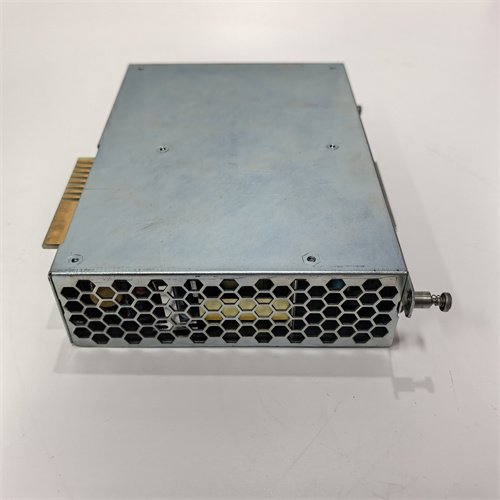
EMERSON VE4013S2B1
EMERSON CE4013S2B1
EMERSON VE4014

Reviews
There are no reviews yet.