
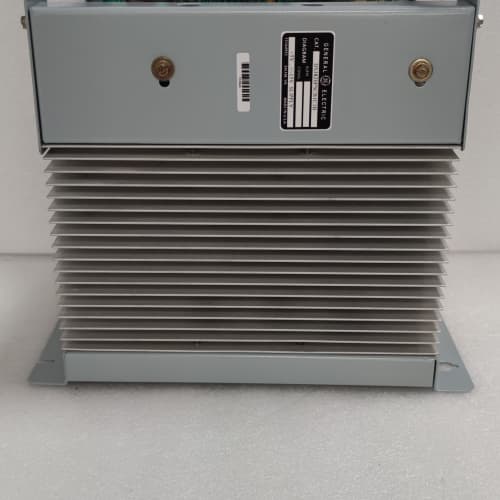
Description
Key Parameters
-
Channels: 12 digital inputs (sourcing/sinking configurable)
-
Input Voltage Range: 80–150 V AC/DC (nominal 120 V AC/DC)
-
Input Current: 5–15 mA per channel
-
Input Impedance: >10 kΩ
-
Isolation: 1500 V RMS (channel-to-backplane); 500 V RMS between channels
-
On-state Threshold: ≥70 V AC/DC
-
Off-state Threshold: ≤30 V AC/DC
-
Response Time: Configurable 5–50 ms (software-selectable filter)
-
Fusing: Per-channel fuse protection (2 A fast-acting, field-replaceable)
-
Terminal Type: Spring-clamp (tool-free, vibration-resistant) – 21-pin configuration
-
Diagnostics: Per-channel LED status, blown-fuse indication (per channel)
-
Power: 24 V DC backplane power, ≤3 W (plus external 120 V field supply)
-
Operating Temperature: –40°C to +70°C
Advantages
-
Spring-clamp terminals – tool-free wiring; push-in connection reduces installation time by up to 50% compared to screw terminals; highly resistant to vibration loosening.
-
Per-channel fusing – each input individually fused; a short on one channel isolates the fault, protecting the rest of the module and field wiring.
-
Blown-fuse indication – LEDs or diagnostic bits alert operators to failed fuses for rapid troubleshooting.
-
Wide-range AC/DC input – accepts 80–150 V AC or DC; eliminates separate module types for mixed systems.
-
High channel density – 12 channels in a single slot, saving rack space.
-
Adjustable filtering – software-configurable 5–50 ms debounce reduces false triggers from contact bounce and electrical noise.
-
Optical isolation – protects backplane from field transients and ground loops.
-
Hot-swappable – replace without rack power-down.
-
Field-replaceable fuses – no need to replace the entire module for a simple fuse failure.
Applications
-
Motor control centers (MCC) – monitoring motor starter status with vibration-resistant spring-clamp connections
-
Conveyor systems – limit switch and photoeye monitoring in high-vibration environments
-
Pump stations – level and pressure switch monitoring requiring per-point fuse protection
-
Transportation & rail – wayside equipment monitoring where vibration loosening is a concern
-
Packaging machinery – high-speed product detection with frequent sensor changes
-
Retrofit projects – replacing screw-terminal panels with faster spring-clamp wiring for reduced downtime
-
Offshore & marine – equipment subject to constant vibration from engines and pumps
Competitor Comparison
| Feature | DS3820C12AK21C | DS3820C12AH21C (Screw Type) | Competitor 120 V AC Spring-Clamp Module |
|---|---|---|---|
| Input Range | 80–150 V AC/DC | 80–150 V AC/DC | 120 V AC only |
| Channel Count | 12 | 12 | 8 |
| Termination | Spring-clamp (tool-free) | Screw-type | Spring-clamp |
| Vibration Resistance | High | Medium | High |
| Wiring Time | Fast (push-in) | Moderate (screw tighten) | Fast |
| Per-channel Fusing | Yes | Yes | Optional |
| Blown-Fuse Indication | Yes | Yes | External only |
| Cost | Mid-high | Mid-high | High |
The DS3820C12AK21C is the spring-clamp variant of the fused 120 V input family. Compared to the screw-terminal DS3820C12AH21C, it offers faster installation, reduced maintenance time, and superior vibration resistance – critical for transportation, marine, and heavy industrial applications. Against competitor spring-clamp AC modules, the DS3820C12AK21C provides higher channel density (12 vs. 8) and wider input voltage range (AC/DC) at a competitive price. For panels requiring frequent wiring changes or operating in high-vibration environments, the DS3820C12AK21C significantly reduces wiring-related failures and downtime.
Selection Tips
-
Choose DS3820C12AK21C when you need vibration-resistant, tool-free wiring – ideal for transportation, marine, and heavy industrial environments.
-
Perfect for high-volume panel builds where reduced wiring time translates to cost savings.
-
Verify the input voltage matches your field devices – covers 80–150 V AC/DC.
-
Confirm the spring-clamp terminal accepts your wire gauge (typically 0.2–2.5 mm² / 24–14 AWG).
-
Not suitable for 24 V DC sensors or TTL-level signals.
-
Keep spare fuses (2 A fast-acting) and a dedicated fuse-puller tool for quick field replacement.
Precautions
-
Wire preparation: Use only solid or stranded wire with proper ferrule termination – bare stranded wire may not make reliable contact in spring-clamp terminals.
-
Wire insertion: Insert wire fully into the spring-clamp opening until it stops; pull gently to verify secure connection.
-
Fuse rating: Use only specified 2 A fast-acting fuses – replacing with higher rating defeats protection.
-
Fuse replacement: Always disconnect field power before replacing fuses. Blown-fuse indication may persist until the module resets.
-
Input wiring: Do not mix AC and DC field supplies on adjacent channels – while supported, mixed use may reduce noise immunity.
-
Filter selection: Longer filter settings (50 ms) reduce false triggers but increase response delay – match to your application speed.
-
Grounding: Maintain proper grounding to avoid common-mode issues on AC inputs.
-
Power: Requires external 120 V field supply – do not exceed 150 V.
-
Spare: Keep one spare DS3820C12AK21C for critical monitoring points; also stock replacement fuses and ferrules for the spring-clamp terminals.
SCHNEIDER LC1D32M7C
SCHNEIDER ZB2-BE102C
SCHNEIDER ZB2-BE101C


Reviews
There are no reviews yet.