
Description
Product Description
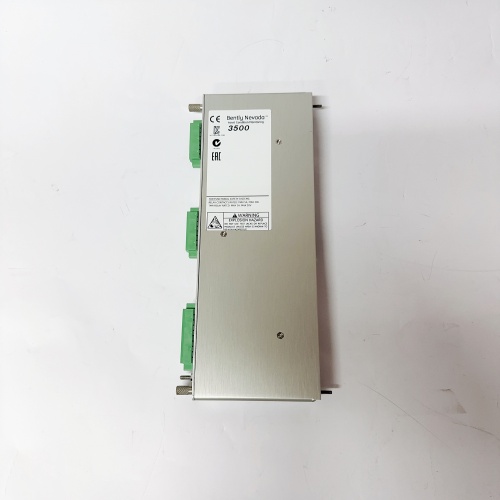
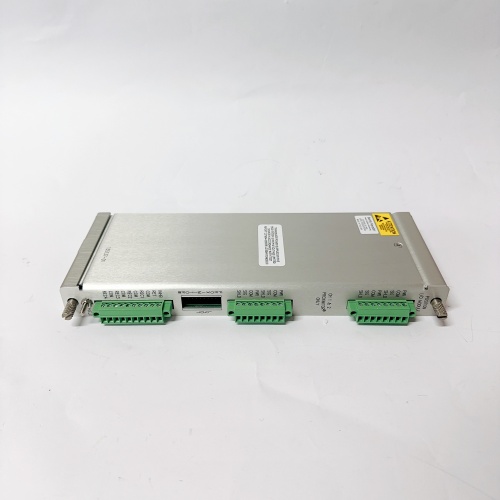
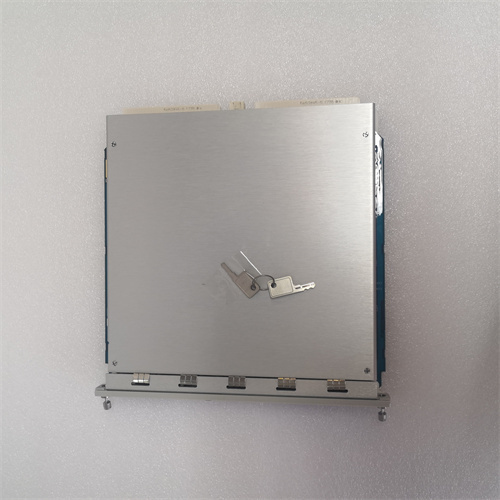
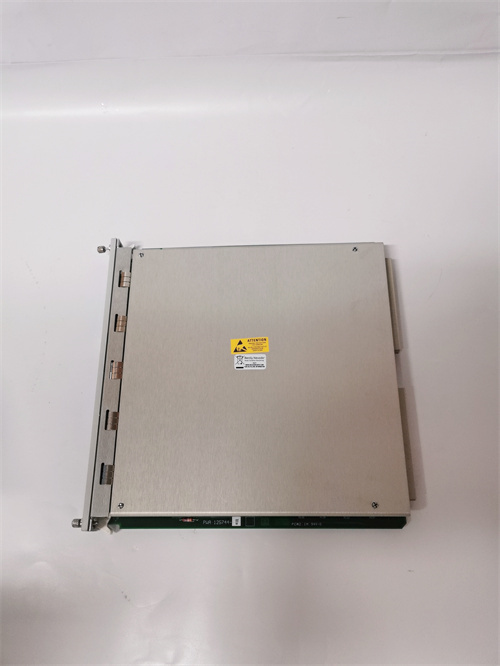
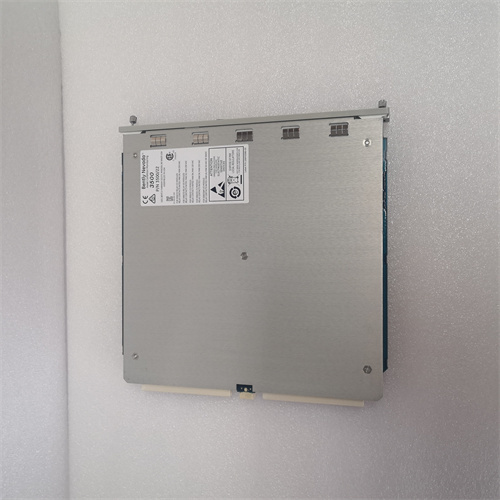
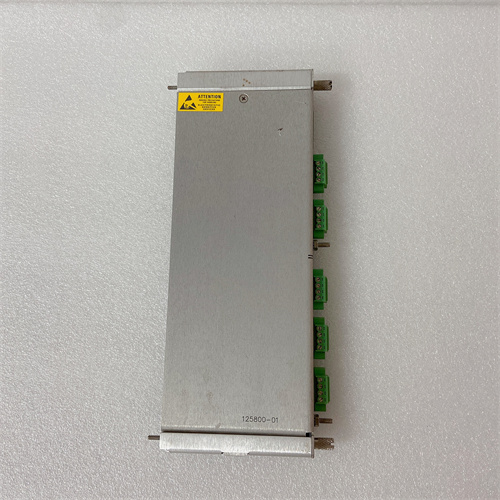
The BENTLY 130539-30 is a high-reliability vibration transducer, specifically an Accelerometer, designed for continuous monitoring of rotating and reciprocating machinery in demanding industrial environments. This device is a core sensory component in predictive maintenance and machinery protection systems, converting mechanical vibration directly into a proportional electrical signal. The BENTLY 130539-30 is engineered to deliver precise measurements of acceleration, which can be integrated to derive velocity and displacement, providing a comprehensive view of machine health. Its robust construction ensures consistent performance in harsh conditions involving high temperatures, moisture, and electromagnetic interference. The installation of a 130539-30 accelerometer is a fundamental step in establishing a reliable data acquisition chain for critical assets, forming the essential first link between physical machine behavior and the electronic monitoring system.
Technical Parameters and Specifications
-
Sensor Type: Piezoelectric Accelerometer (IEPE – Integrated Electronics Piezo Electric).
-
Sensitivity: A standard, calibrated output, typically 100 mV/g (e.g., 100 millivolts per unit of gravity acceleration).
-
Measurement Range: Specified in g’s (gravity units), defining the maximum acceleration it can measure linearly (e.g., ±50 g peak).
-
Frequency Response: A flat frequency range (e.g., 1 Hz to 10,000 Hz) within which the sensor provides accurate measurements.
-
Output Type: Low-impedance, voltage output (IEPE constant current driven, typically 2-20 mA).
-
Power Supply: Requires a constant current DC power source (typically 18-30 VDC with 2-20 mA constant current) provided by the monitoring system’s input module or a separate power supply.
-
Electrical Connection: Typically via a rugged, integral cable or a connector (like a MIL-C-5015 or a ruggedized micro-connector).
-
Mounting: Standard threaded stud mount (e.g., 10-32 UNF or M5) for permanent installation on machinery bearing housings or casings.
-
Operating Temperature Range: Designed for a wide industrial range, often from -50°C to +120°C or higher.
-
Housing Material: Constructed from durable, corrosion-resistant stainless steel.
Advantages and Key Features
-
Robust and Reliable Design: The BENTLY 130539-30 is built for industrial longevity, capable of withstanding harsh environmental conditions that would degrade less robust sensors, ensuring a stable measurement point over years of service.
-
IEPE Convenience: The Integrated Electronics (IEPE) design incorporates a built-in microelectronic amplifier, providing a low-impedance, high-level signal that is resistant to cable noise and can be transmitted over long distances without significant signal degradation.
-
Wide Frequency Range: Its capability to accurately capture a broad spectrum of vibration frequencies makes the 130539-30 versatile for detecting various fault types, from low-speed unbalance to high-frequency bearing defects.
-
Compatibility: Designed to interface seamlessly with Bently Nevada monitoring systems (like the 3500 series with appropriate input modules) and other major vibration monitoring hardware that supports IEPE sensors.
-
Consistent Calibration: Each BENTLY 130539-30 is factory calibrated, providing traceable and accurate measurement data essential for reliable trend analysis and alarm setting.
Application Cases in Various Fields
-
Power Generation (Gas & Steam Turbines): Permanently mounted on turbine bearing housings to monitor high-frequency vibration components indicative of blade passing, gear mesh, or early-stage rolling element bearing wear.
-
Oil & Gas (Centrifugal & Reciprocating Compressors): Used on compressor cylinders and frame to detect piston slap, valve leaks, and rod pack wear through high-frequency acoustic emission signals captured as acceleration.
-
Pulp & Paper and Manufacturing: Monitoring critical pumps, fans, and motors on production lines. The wide frequency response of the 130539-30 helps identify misalignment, imbalance, and antifriction bearing faults.
-
Hydroelectric Facilities: Monitoring the vibration of generator bearings and turbine shafts, where its robust design handles the humid environment.
Comparison with Competing Products
Compared to accelerometers from other major vendors like Wilcoxon Sensing Technologies, Metrix, or Emerson (CSI), the BENTLY 130539-30 holds a strong position:
-
Ecosystem Integration: As a genuine Bently Nevada product, the 130539-30 is guaranteed to be fully compatible and optimized for performance with Bently Nevada condition monitoring and protection systems, often simplifying calibration and setup.
-
Focus on Heavy Industry: Its design specifications often emphasize the extreme temperatures and physical demands found in power, oil & gas, and heavy processing, potentially offering better long-term stability in these niches than more general-purpose sensors.
-
Quality and Traceability: Bently Nevada sensors are known for high manufacturing quality and calibration traceability, which is critical for safety-related and protection-critical applications. Competing products may vary more in consistency.
-
Technical Support: Sourcing the 130539-30 from the OEM ensures access to comprehensive application engineering support specific to machinery protection, which may be more limited with generic sensor suppliers.
Selection Suggestions and Precautions
-
Verify System Compatibility: Confirm that your monitoring system’s input module (e.g., a 3500/42M or 3500/25) supports IEPE-type accelerometers and provides the required constant current excitation (typically 4 mA) for the 130539-30.
-
Mounting Surface Preparation: The mounting surface must be clean, flat, and smooth. Poor mounting is the leading cause of inaccurate accelerometer readings. Use the proper torque on the mounting stud.
-
Cable Routing and Fixing: Use the correct, shielded cable specified for the sensor. Secure the cable along its entire run using clamps to prevent “cable whip,” which can generate noise and damage the connector.
-
Avoid Ground Loops: Ensure the sensor and mounting surface are electrically isolated if recommended, or properly grounded if not, to prevent ground loops that can induce 50/60 Hz noise in the signal.
-
Environmental Protection: While rugged, ensure the connector interface is protected from direct moisture/chemical spray if not in a sealed enclosure. For extreme temperatures, verify the BENTLY 130539-30‘s specified range matches your application.
-
Baseline Readings: After installation, record baseline vibration spectra. This data is crucial for future comparison and for setting meaningful alert and danger thresholds specific to that machine point. Periodically verify the calibration.
F8640 PLC
F8641 PLC
F8650X PLC
H7506 PLC
ZBT-F9402 PLC

Reviews
There are no reviews yet.