
Description
Product Overview and Description
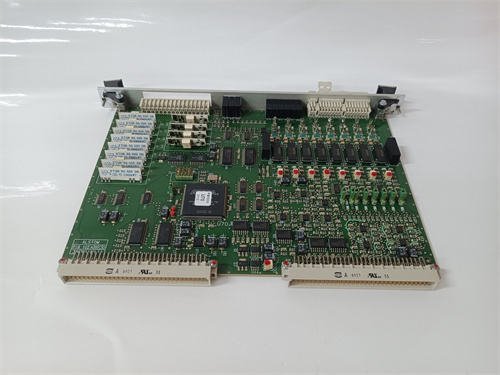
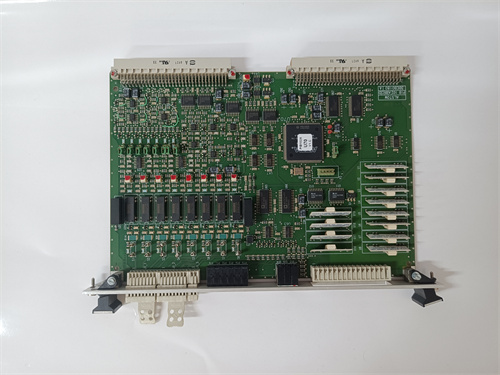
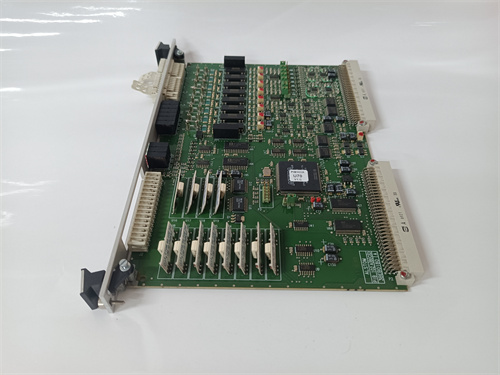
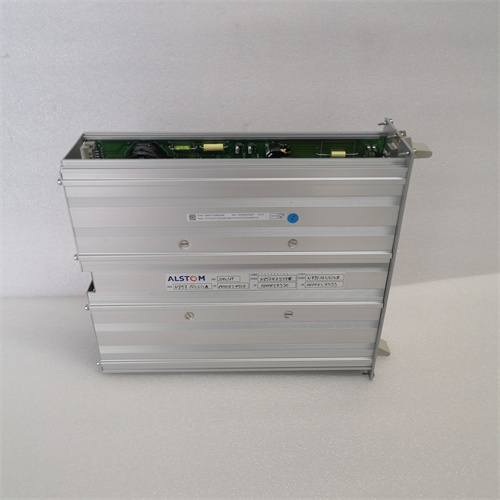
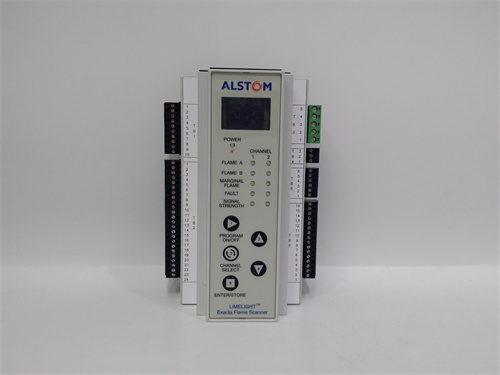
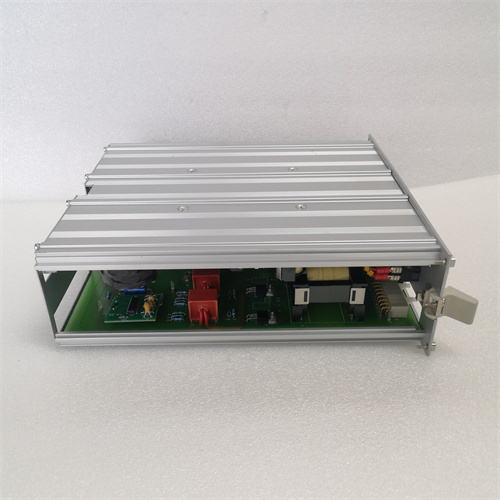
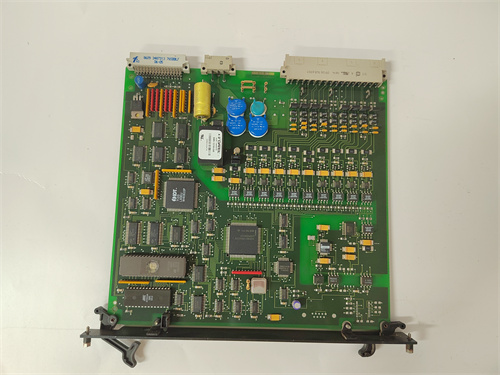
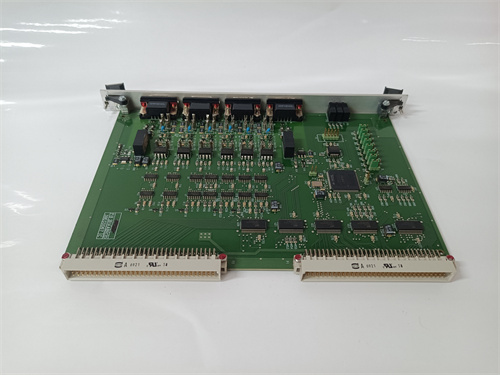
The ALSTOM PIB102A is a critical communication interface module from Alstom’s (now part of GE) MICROSCADA range of systems used in electrical power transmission and distribution (T&D) networks. This module is not a standard PLC component but a specialized telecontrol or gateway unit designed for substation automation and SCADA (Supervisory Control and Data Acquisition) systems. The primary function of the ALSTOM PIB102A is to act as a communication front-end processor or protocol converter, interfacing between the substation’s intelligent electronic devices (IEDs) – such as protection relays, meters, and bay controllers – and the master SCADA station or control center. It handles protocol translation (e.g., from IEC 60870-5-101/104, DNP3, or Modbus to a proprietary network protocol) and data concentration, ensuring reliable and secure data exchange for real-time grid monitoring and control. The integration of the ALSTOM PIB102A is fundamental to creating a cohesive and interoperable automation architecture within an electrical substation, serving as a vital data gateway.
Product Parameters and Specifications
-
Product Type: Communication Interface / Front-End Processor (FEP) Module
-
Manufacturer Part Number (MPN): PIB102A
-
Brand: Alstom (Energy Automation, now integrated into GE Grid Solutions and later part of Hitachi Energy)
-
System Compatibility: Alstom MICROSCADA series (e.g., SYS600, DMS600) for substation and distribution automation.
-
Communication Ports: Multiple serial ports (RS-232, RS-485) for connecting to field IEDs using standard telecontrol protocols.
-
Network Interface: Ethernet port for connection to the substation LAN and uplink to the control center via WAN.
-
Protocol Support: Supports a suite of standard telecontrol and utility protocols such as IEC 60870-5-101 (serial), IEC 60870-5-104 (TCP/IP), DNP3, and potentially Modbus.
-
Processing Power: Embedded processor for real-time protocol handling, data buffering, and concentration.
-
Power Supply: Typically powered from a redundant DC supply source common in substations (e.g., 48V DC or 110V DC).
-
Mounting: Designed for rack mounting in a substation control cabinet or panel.
-
Redundancy: Often supports redundant configuration (hot-standby) for high availability.
-
Configuration: Configured via dedicated Alstom/GE engineering software tools specific to the MICROSCADA system.
Key Advantages and Features
The key advantage of the ALSTOM PIB102A is its certified and proven interoperability within the Alstom/GE power automation ecosystem, ensuring reliable data acquisition from a multivendor IED environment in a mission-critical substation. Its robust hardware design is tailored for the harsh electrical environment of substations, with high immunity to electromagnetic interference (EMI) and transients. The module provides efficient data concentration, reducing the number of direct communication links required to the master station. A major feature is its support for multiple protocols concurrently, allowing seamless integration of legacy and modern IEDs. It also typically includes time synchronization capabilities (e.g., IRIG-B support) to time-tag events accurately. The ALSTOM PIB102A is engineered for high availability, often featuring hot-swappable components and redundant power inputs to match the reliability requirements of the electrical grid.
Application Scenarios and Use Cases
This module is deployed exclusively in electrical power infrastructure. Its primary application is within high-voltage and medium-voltage substations, where the ALSTOM PIB102A acts as the local communication hub, collecting status, alarm, and measurement data from dozens of protection relays and meters and forwarding it to the regional or national grid control center. It is also used in distribution automation systems, gathering data from field devices along feeders to enable fault detection, isolation, and restoration (FDIR) schemes. Another critical use is in renewable energy plants (e.g., wind or solar farms), where it aggregates data from multiple inverters and meteorological stations for SCADA monitoring. Essentially, any application requiring a standardized, reliable interface between a control system (MICROSCADA) and a network of field devices in the power industry is the domain of this module.
Comparison with Competing Products
The ALSTOM PIB102A competes with other substation communication processors and RTUs (Remote Terminal Units) from specialized power automation vendors, such as the Siemens SICAM series, ABB RTU560, Schweitzer Engineering Laboratories (SEL) Real-Time Automation Controller (RTAC), and GE (now Hitachi) D20MX/D200. Compared to a standard industrial protocol gateway, the ALSTOM PIB102A is designed with utility-specific protocols, environmental hardening, and redundancy features that are essential for grid operations. Its main differentiator is its deep, native integration with the Alstom MICROSCADA master station software, offering optimized configuration tools and data model consistency. The choice is typically driven by the existing SCADA platform in the utility; if the master is MICROSCADA, the PIB102A is the natural, supported choice for substation integration.
Selection Guidelines and Important Notes
Selection Advice:
-
Master System Compatibility: The ALSTOM PIB102A must be compatible with the specific version of the MICROSCADA master station software (e.g., SYS600). Verify compatibility matrices from the vendor.
-
Protocol Requirements: Inventory all IEDs in the substation and their required protocols (IEC 101, DNP3, Modbus, etc.) to ensure the PIB102A variant supports them.
-
Port Density: Assess the number of serial and Ethernet devices to connect. Ensure the module has sufficient physical ports or can be expanded.
-
Redundancy Needs: For critical substations, specify a redundant pair of PIB102A modules configured for hot-standby operation.
-
Engineering Tool Access: Configuration requires specific software (e.g., Alstom Configuration Tools). Ensure access and expertise are available.
Important Precautions:
-
Substation Safety: All work must be performed in accordance with strict utility safety rules (e.g., wearing appropriate PPE, following switching procedures). Much of the connected equipment is in high-voltage areas.
-
Grounding and Shielding: Proper grounding of the communication cabinet and the use of shielded cables for all serial links are mandatory to protect against surges and ensure communication integrity in a high-EMI environment.
-
Cybersecurity: As a network device, the ALSTOM PIB102A must be integrated into the substation’s cybersecurity perimeter. Configure firewalls, disable unused services, and use secure communication where possible, following utility policies.
-
Firmware Management: Keep the module’s firmware updated to the version approved by the system integrator or utility to ensure stability and security patches.
-
Configuration Backup: Always perform a full backup of the module’s configuration (project file) before making changes and store it securely.
-
Testing: After installation or replacement, thorough testing with each connected IED is required to verify data mapping and protocol settings are correct.
PIB102A
6SE7022-1EC85-1AA0 PLC
MSK-015-1024
3HAC16035-1 PLC
3HAC022545-001 PLC
A350-8001-T922/02 PLC
MVME172PA-652SE PLC
A16B-1212-0950
.jpg)
Reviews
There are no reviews yet.