
Description
Product Description
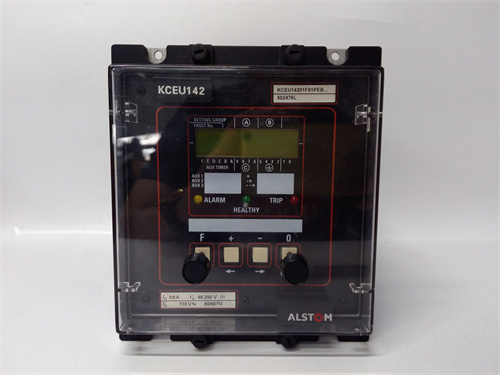
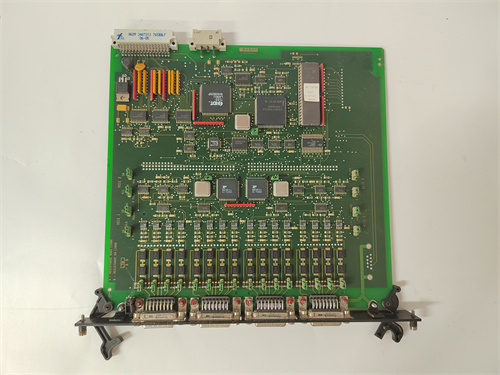
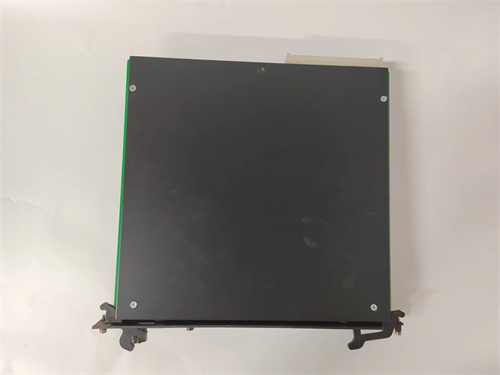
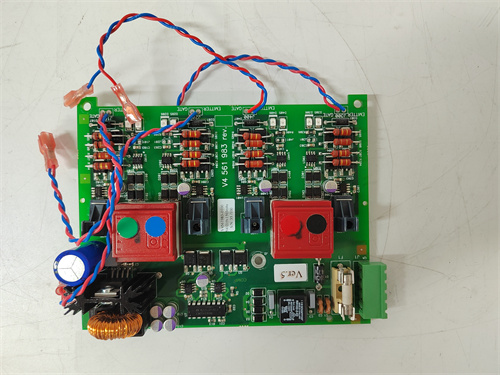
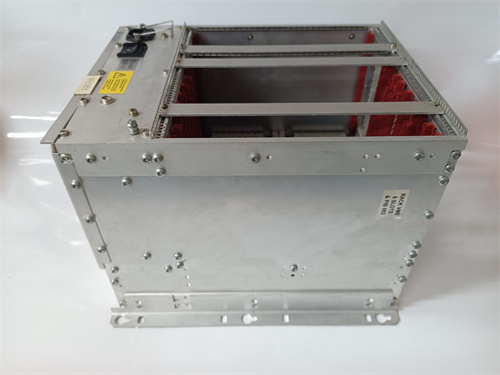
The ALSTOM KCEU142 is a specialized control or interface unit within Alstom’s portfolio of railway and industrial automation components. This model is designed as a compact electronic module, likely serving as a key interface, processing node, or communication gateway within a larger distributed control system. The primary function of the ALSTOM KCEU142 is to manage signal conversion, data routing, or execute localized control logic for specific subsystems, such as doors, brakes, or auxiliary converters on a train. Integration of the KCEU142 into a vehicle’s network ensures reliable data exchange and command execution. For maintenance of systems where it is specified, the genuine ALSTOM KCEU142 is essential for preserving the designed performance and safety integrity of the overall control architecture.
Product Parameters
-
Manufacturer / Brand: Alstom
-
Product Type: Control/Interface Electronic Unit
-
Model: KCEU142
-
Series/Platform: Likely part of a family of “KCEU” (e.g., Key Control Electronic Unit) modules used in specific Alstom vehicle platforms.
-
Primary Function: Acts as a decentralized intelligent node, possibly for functions like analog signal conditioning, discrete I/O handling, or as a specific protocol gateway (e.g., between a serial link and a vehicle bus).
-
Processing: Contains a microprocessor for executing embedded firmware and managing I/O tasks.
-
Communication Interfaces: Typically features interfaces such as MVB (Multifunction Vehicle Bus), CAN (Controller Area Network), or RS-485 for integration into the vehicle or industrial network.
-
Inputs/Outputs: Equipped with a defined number of digital and/or analog channels for connecting sensors and actuators.
-
Power Supply: Operates on a standard low-voltage DC supply common in rail/industrial environments (e.g., 24V DC, 72V DC, 110V DC).
-
Mounting: Designed for DIN-rail or direct panel mounting within a control cabinet.
-
Environmental Specification: Built to withstand harsh conditions, likely compliant with railway standards (EN 50155) for vibration, temperature, and EMC.
Advantages and Features
-
Distributed Intelligence: The ALSTOM KCEU142 offloads processing tasks from the central vehicle computer, improving system responsiveness and reliability through localized control.
-
Robust Design for Demanding Environments: Engineered specifically for the electrical noise, vibration, and temperature extremes found in railway and heavy industrial applications.
-
Standardized Network Integration: Provides a clean, standardized interface to the system’s communication backbone, simplifying wiring and system architecture.
-
Diagnostic Capabilities: Often includes status LEDs and internal fault logging to aid in troubleshooting and predictive maintenance.
-
Compact and Modular: Its compact form factor allows for flexible placement close to the devices it controls, reducing long wire runs.
-
Firmware-Based Flexibility: The unit’s specific behavior is defined by its firmware, allowing for functional updates or customization for different applications within the same hardware platform.
Application Cases in Key Fields
-
Rail Vehicle Subsystem Control: A primary application is in train control systems, managing localized functions for a single car or a specific system, such as door control, lighting control, or HVAC management.
-
Industrial Automation Cells: Can be used as a dedicated controller for a specific machine module or production cell within a factory, handling I/O and communicating with a central SCADA or MES system.
-
Test and Simulation Rigs: Employed in engineering test benches to emulate the behavior of a specific control unit for system integration testing.
-
Legacy System Interface: Often used as a modernization component to interface older, non-networked equipment with modern control networks.
Comparison with Competing Products
Competing products include generic remote I/O stations or programmable gateways from manufacturers like Siemens (ET 200SP), Beckhoff (Bus Terminal), or Wago. While these competitors offer broad configurability and support for open industrial networks (Profinet, EtherCAT), the ALSTOM KCEU142 is distinguished by its pre-engineering for specific Alstom systems. It comes with pre-defined hardware interfaces, pre-loaded firmware for specific tasks, and validation for safety and performance within that ecosystem. Competing generic units require significant software development and integration testing. For maintaining an existing Alstom system, the KCEU142 offers a guaranteed, plug-and-play solution that generic alternatives cannot match without extensive engineering effort.
Selection Suggestions and Precautions
-
Confirm System-Specific Application: This part is not generic. Verify the exact application of the KCEU142 in your system’s documentation (e.g., “Door Control Unit for Car #2”). Using it in a different context may lead to incompatibility.
-
Verify Firmware Version: The unit’s operation is entirely dependent on its firmware. Ensure you have access to the correct firmware version and any necessary configuration tools.
-
Check Communication Settings: If replacing a unit, the new ALSTOM KCEU142 may need to be configured with the same network address and parameters (e.g., MVB address, baud rate) as the old one.
-
Handle as ESD-Sensitive: Treat the module as an electrostatic discharge sensitive device during all handling and installation procedures.
-
Source from Authorized Channels: Due to its specialized nature and potential use in safety-related functions, procure the ALSTOM KCEU142 from Alstom’s official service network or authorized distributors with proven expertise in railway or industrial automation spares.
-
Professional Installation Advised: Installation and commissioning should ideally be performed by personnel familiar with the specific system to ensure correct network integration and functional testing.
1756-EWEB AB DCS
1756-HSC AB DCS
1756-IA16 AB
1756-IA161 AB PLC
1756-IA8D AB DCS
.jpg)
Reviews
There are no reviews yet.